1. What is IQF Seasoned Chinese Cabbage?
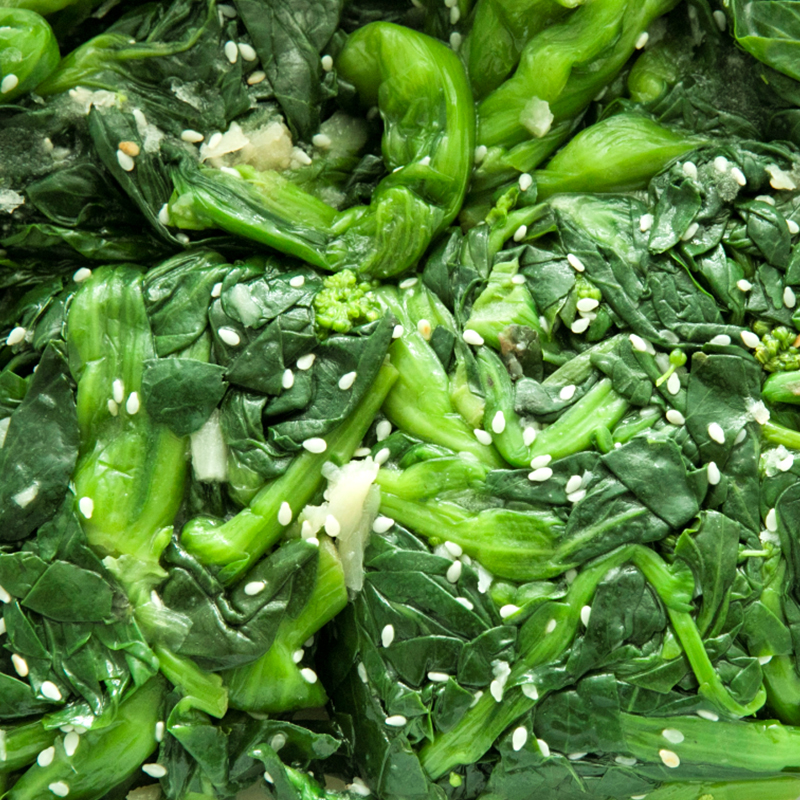
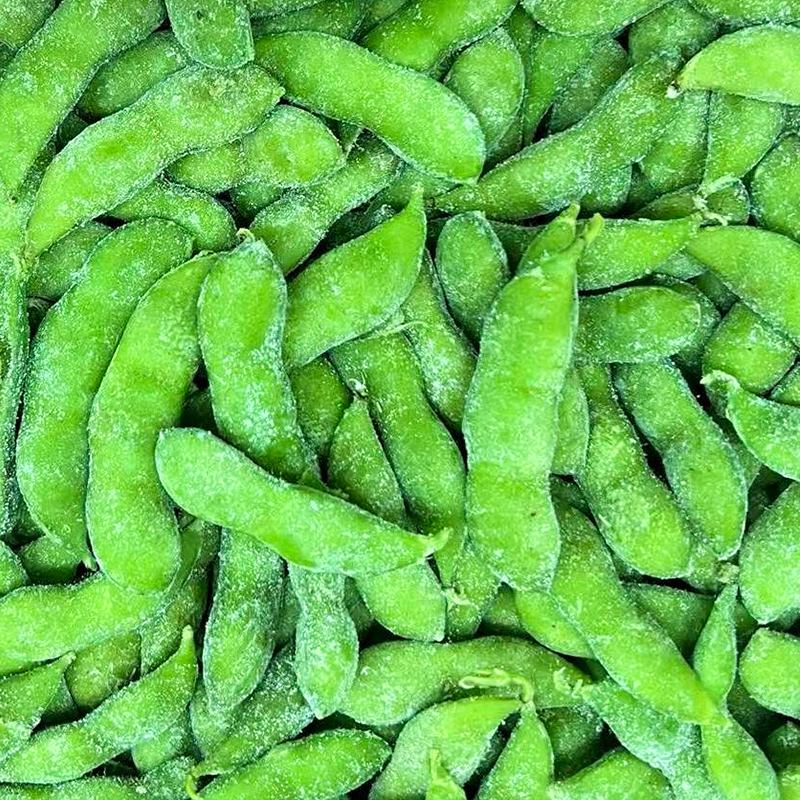
IQF seasoned Chinese cabbage refers to pre-seasoned Chinese cabbage produced using Individual Quick Frozen (IQF) technology. This product is made from fresh Chinese cabbage, which undergoes rigorous cleaning, cutting, and seasoning, then flash-frozen at extremely low temperatures of -30°C to -40°C. Each cabbage piece is individually frozen in a high-velocity airflow, resulting in a distinct, grainy product.
The production process involves several key steps: First, the raw material is graded and screened, selecting cabbage of moderate maturity and removing the outer, older leaves. Next, the cabbage is precisely cut, typically into uniform slices measuring 2 x 2 cm or 3 x 3 cm. The seasoning process continues, with the appropriate amount of salt, spices, and other seasonings added according to the recipe. Finally, the cabbage is flash-frozen in an IQF tunnel. For example, Yuyao Gumancang Food Co., Ltd.'s seasoned vegetable production line uses an automated control system to ensure a seasoning accuracy of no more than ±1.5%.
From a food engineering perspective, the advantage of IQF technology lies in its rapid passage through the zone of maximum ice crystal formation (-1°C to -5°C). During this process, the diameter of the ice crystals formed within the cells is controlled to within 50-100μm. These tiny ice crystals do not damage the plant cell walls. Studies have shown that the cell damage rate of IQF-treated Chinese cabbage is less than 8%, while the cell damage rate with traditional freezing methods can be as high as 35-40%. This cellular integrity ensures that the product retains excellent texture and flavor after thawing.
In terms of microbial control, pasteurization (72-75°C, 90 seconds) is used during production to keep the total colony count below 10³ CFU/g and the coliform count below 10 MPN/g, while maintaining the product's fresh taste. Seasonings are also carefully formulated, with a salt concentration of 1.5-2.0%, which both enhances flavor and acts as a preservative.
2. How should I store unused IQF Seasoned Chinese Cabbage after opening? After opening, IQF seasoned Chinese cabbage requires scientific storage methods to prevent quality deterioration. First, immediately transfer any unused product to a sealed container, remove any air, and seal it. It's recommended to use food-grade fresh-keeping containers or vacuum-packed bags, ensuring the container's seal meets the water vapor transmission rate standard of <5g/m²/24h.
Temperature management is crucial. The refreezing process should be completed within 30 minutes, ensuring the product temperature does not exceed -5°C. Experimental data shows that recrystallization accelerates when the product temperature exceeds -5°C, with each freeze-thaw cycle increasing the average size of ice crystals by 25-30%. It's recommended to set the freezer temperature below -18°C and place it in an area with the most stable temperature.
Separate storage is essential. A dedicated area in the freezer should be set for opened products, and the "first in, first out" principle should be followed. It's recommended that opened products be used within two weeks, as each opening and closing of the package causes temperature fluctuations and accelerates oxidation. Studies have shown that after two weeks of storage at -18°C, the peroxide value of opened cabbage increases by 0.02-0.03 meq/kg, and the loss of flavor compounds increases by 8-10%.
Preventing odor transfer is also a key consideration. Chinese cabbage easily absorbs odors from other foods and should be stored away from strong-smelling foods such as seafood and meat. It is recommended to use deodorizing containers or place food-grade activated carbon bags in the container to effectively absorb odor molecules.
3. Can IQF Seasoned Chinese Cabbage be eaten directly in a cold dish?
Whether IQF seasoned Chinese cabbage can be eaten directly in a cold dish requires scientific analysis based on food safety and quality characteristics. From a microbiological safety perspective, the product undergoes rigorous sterilization during production, with the total colony count controlled to below 10³ CFU/g, theoretically meeting the hygienic standards for direct consumption.
However, given the changes in cell structure during freezing, eating it directly in a cold dish may affect the taste experience. While IQF processing maximizes cell integrity, it still causes approximately 5-8% cell damage. These damaged cells release cellular fluid during thawing, affecting the final texture. Experimental data shows that the juice loss rate of directly thawed and served cold ranges from 8-12%, while that of properly treated samples can be controlled to below 5%.
Flavor also needs to be considered. The freezing process may cause the loss of some volatile flavor compounds, and directly serving cold may not exhibit optimal flavor characteristics. Simple subsequent seasoning, such as adding a small amount of fresh spices or seasoning oil, is recommended to enhance the overall flavor.
For special populations, such as those with weakened immune systems, blanching is recommended. Research has shown that heating at or above 85°C for 30 seconds can further reduce microbial risks and improve texture. After blanching, immediately rinse with ice water to maintain a crisp and tender texture, then season and mix thoroughly.
4. How to Address Water Release from Thawing IQF Seasoned Chinese Cabbage
Thaw water release is a common phenomenon in IQF vegetable products, but it can be effectively controlled through scientific methods. First, we need to understand the mechanism of water loss: it's primarily caused by the inability of damaged cells to fully reabsorb cellular fluid after ice crystals melt. Research indicates that the ideal thawing juice loss rate for IQF seasoned Chinese cabbage should be between 5-8%.
Temperature control is crucial. A slow, low-temperature thawing method is recommended, thawing the product in a refrigerated environment at 4°C for 6-8 hours. This method can keep the juice loss rate below 5%, while rapid thawing at room temperature can reach 10-15%. During the thawing process, the product should be placed in a strainer or colander to allow the precipitated water to naturally separate.
It's recommended not to discard the precipitated water directly, as this juice contains dissolved flavorings and nutrients. It can be collected and used as a base for seasonings, thickened with starch, or used in sauces. Analysis shows that this juice contains approximately 0.3-0.5% soluble protein, 0.1-0.2% free amino acids, and various minerals.
Pre-cooking can also reduce water loss. After thawing, gently blot the surface moisture with paper towels or use a centrifuge at 800-1000 rpm for 30 seconds. Experimental data shows that proper dehydration can reduce the amount of juice in the final dish by 30-40% while increasing flavor concentration.
5. Does IQF Seasoned Chinese Cabbage need to be thawed before cooking?
Whether IQF seasoned Chinese cabbage needs to be thawed before cooking depends on the specific cooking method and quality requirements. From the perspective of heat transfer efficiency, cooking frozen products directly may be more effective in maintaining quality. When frozen products are placed directly in the hot wok, the outer layer heats rapidly, forming a protective layer that effectively reduces the loss of moisture and flavor.
For quick stir-fries, using frozen products directly is recommended. Research shows that direct cooking increases vitamin C retention by 12-15% and texture retention by 8-10% compared to thawing before cooking. It is important to note that when cooking directly, the heating time should be extended by 30-40 seconds and the heat should be controlled to avoid burnt exterior and undercooked interior.
For stews and simmered dishes, frozen products can also be used directly. The slow thawing process allows frozen products to better absorb the flavor of the broth while maintaining their integrity. Experiments have shown that products cooked directly have a final texture score 15-20% higher than those thawed first and then cooked.
However, for dishes requiring precise cooking time, partial thawing is recommended. Thawing the product at 4°C to a semi-frozen state (core temperature approximately -3°C to -5°C) preserves its shape while shortening cooking time. This minimizes cell damage and keeps juice loss to less than 3%.
For specialized cooking methods, such as steaming, using frozen products directly is also recommended. The heat generated by the condensing steam evenly thaws and ripens the product, preserving its optimal texture and flavor. Data shows that sensory scores for products steamed directly are 20-25% higher than those thawed first and then steamed.



 English
 中文简体
中文简体 日本語
日本語