


 English
 中文简体
中文简体 日本語
日本語
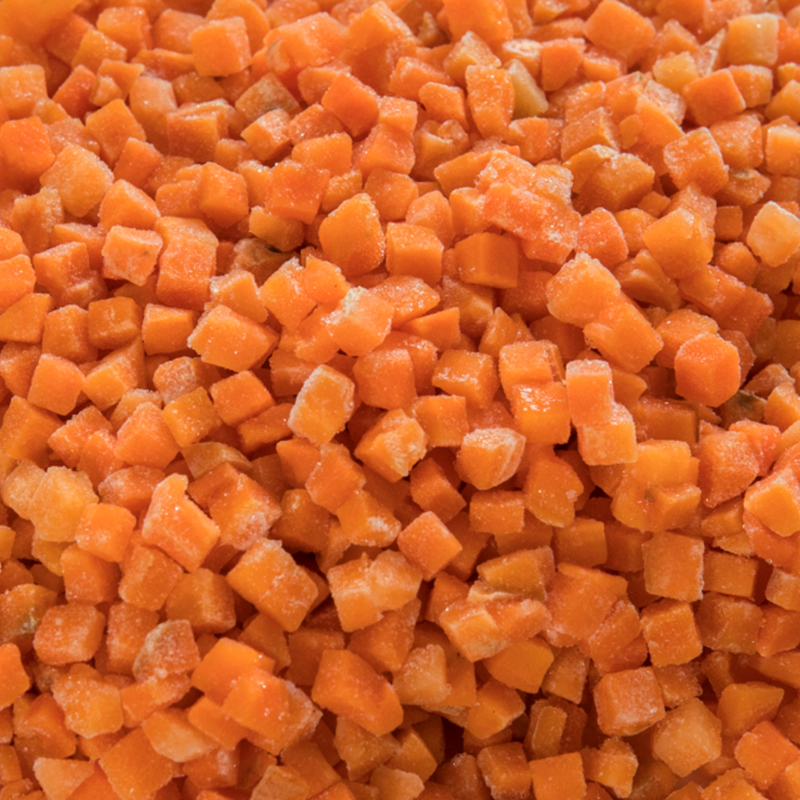
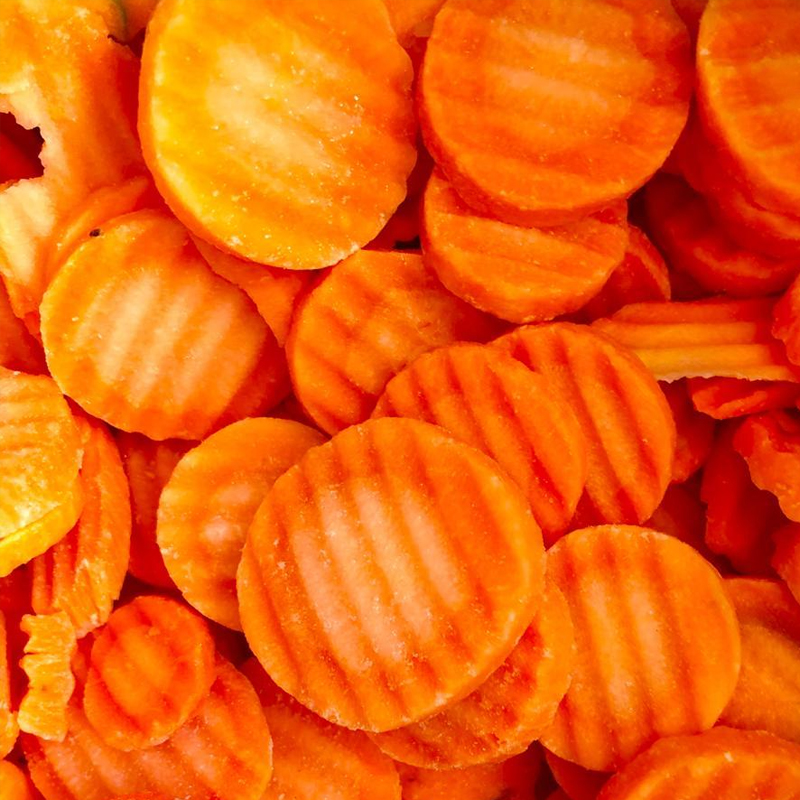
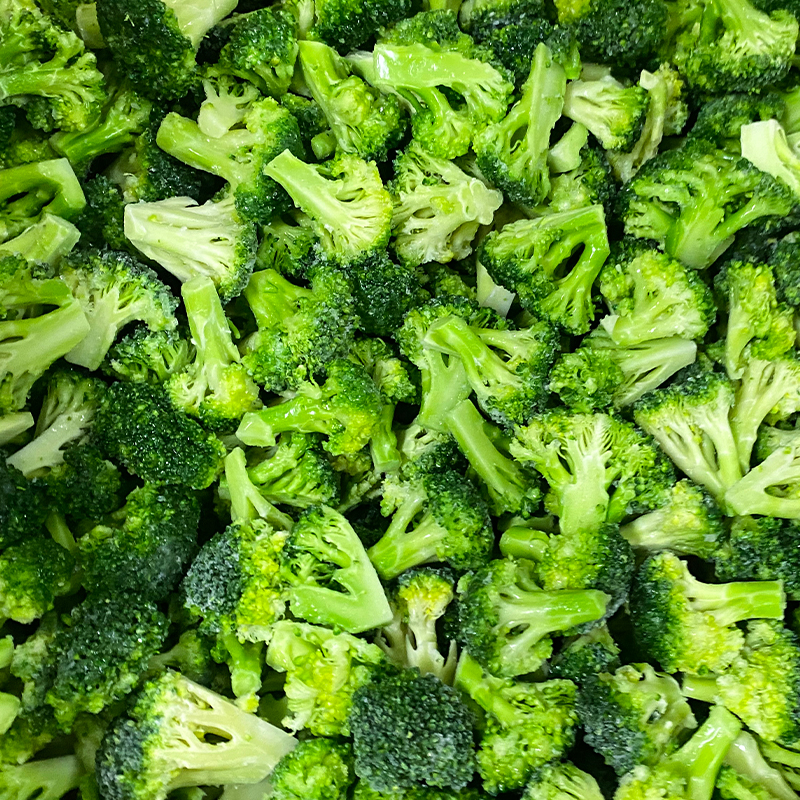
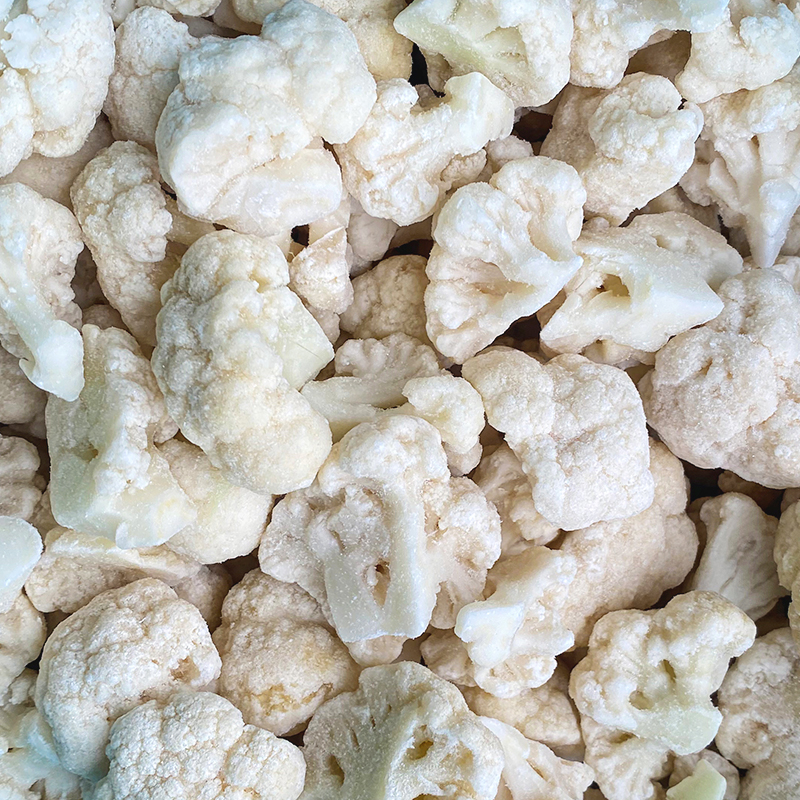
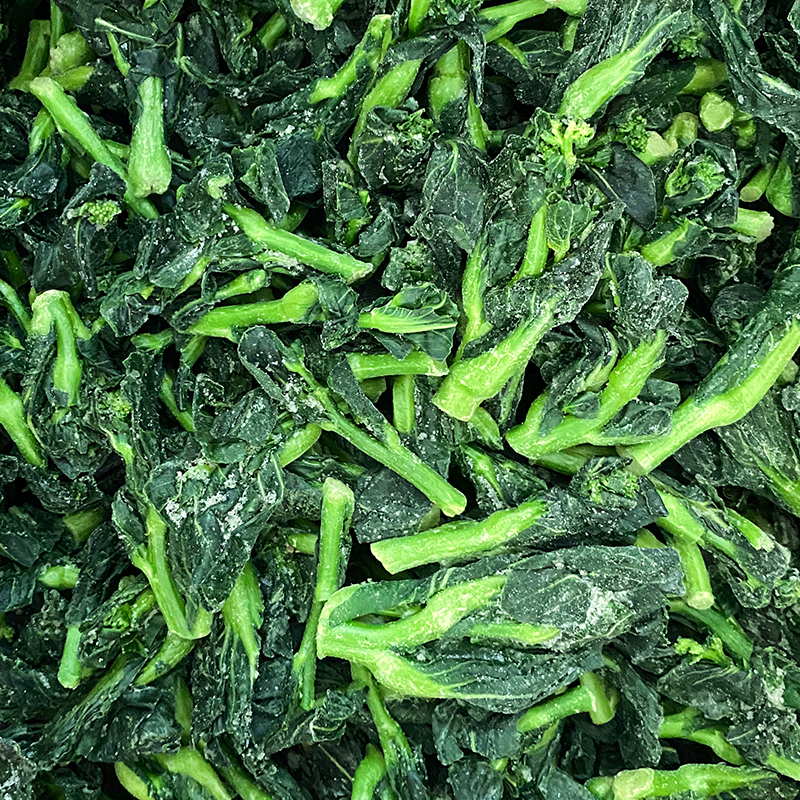
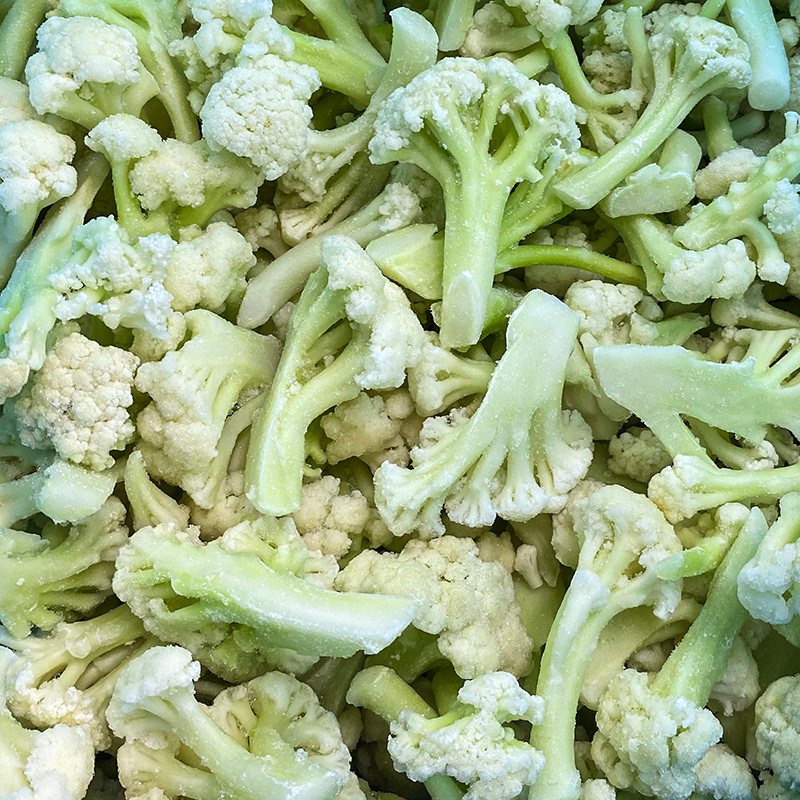
Frozen vegetables do not lose significant amounts of nutrients compared to fresh vegetables; in fact, they often retain...
READ MORE +
Our frozen leafy vegetable products utilize advanced freezing technology to effectively lock in nutrients and preserve freshness, allowing consumers to enjoy the delicious taste of fresh vegetables anytime, anywhere. Additionally, all products undergo rigorous hygiene and quality inspections to ensure safety.
For example, our frozen broccoli features a vibrant green color and a crisp texture, retaining the vegetable’s original nutrition and flavor. We offer a diverse product range, including frozen broccoli, white cauliflower, rapeseed, pine cauliflower, and more. Each variety is carefully selected and meticulously processed to guarantee premium quality.
Frozen vegetables do not lose significant amounts of nutrients compared to fresh vegetables; in fact, they often retain...
READ MORE +The straightforward answer to how long do frozen vegetables last is that properly stored frozen vegetables remain safe ...
READ MORE +The short answer: in most side-by-side studies, frozen vegetables are nutritionally equal to — and sometimes even highe...
READ MORE +When comparing canned vs frozen vegetables, frozen generally retains more vitamins C and B due to flash-freezing at pea...
READ MORE +Frozen mixed vegetables are a smart, nutritious choice because they are picked at peak ripeness and flash-frozen within...
READ MORE +Frozen Leafy Vegetables Industry Knowledge
I. What are frozen leafy vegetables?
Frozen leafy vegetables are made from fresh leafy vegetables that undergo a series of processes, including selection, cleaning, cutting, blanching (for some varieties), and quick freezing (IQF), before being stored and sold at low temperatures (typically below -18°C). Common products include frozen spinach, frozen lettuce, frozen shepherd's purse, and frozen bok choy. Their key features are preserving the nutrients, taste, and color of the leafy vegetables while extending their shelf life and facilitating transportation and consumption. Yuyao Gumancang Food Co., Ltd., an agricultural industrialization enterprise in Zhejiang Province, specializes in the research and development, processing, and sales of these products. Leveraging its comprehensive industry chain capabilities, from cultivation to sales, we provide the market with high-quality frozen leafy vegetables.
II. Processing Technology for Frozen Leafy Vegetables
Using industry standards and Yuyao Gumancang Food Co., Ltd.'s IQF (Individual Quick Freezing) technology as an example, the processing of frozen leafy vegetables primarily includes the following:
Raw Material Selection: Gumancang Food leverages its geographical advantage of being located in the Ningshao Plain of eastern Zhejiang and on the shores of Hangzhou Bay. The warm, humid climate and unique natural conditions here provide an ideal environment for growing leafy vegetables. The company selects fresh, appropriately mature leafy vegetables from its own or partnered growers, free of pests, diseases, and mechanical damage, harvested at optimal maturity to ensure raw material quality.
Pre-processing: This includes washing (removing sediment, impurities, and pesticide residues), cutting (cutting into segments, strips, and other sizes as required), and blanching (some leafy vegetables require a brief high-temperature treatment to inactivate enzymes and prevent oxidation and deterioration). Rapid Freezing: Gumancang Foods has introduced two fully automated IQF production lines for vegetables, capable of reducing the core temperature of leafy vegetables to below -18°C in a very short time (typically within minutes). This prevents the formation of large ice crystals within cells, minimizes damage to the vegetable's tissue structure, and maximizes the preservation of taste and nutrients. With an annual vegetable processing capacity of up to 8,000 tons, its efficient production capacity meets high market demand.
Packaging and Storage: After freezing, the vegetables are sorted and packaged (customizable specifications and packaging formats are available), followed by storage in cold storage below -18°C. Gumancang Foods boasts a daily storage capacity of 10,000 tons, ensuring product stability. Furthermore, the company's proximity to Ningbo Airport and Beilun Port to the east and Xiaoshan International Airport to the west provides convenient water, land, and air transportation, facilitating the transportation and distribution of its products.
III. Nutritional Benefits of Frozen Leafy Vegetables
Nutrient Retention:
Rapid freezing technology effectively locks in vitamins (such as vitamin C and B vitamins), minerals (such as potassium and calcium), and dietary fiber in leafy vegetables. Gumancang Foods leverages advanced IQF technology to ensure that the nutritional value of its frozen leafy vegetables approaches, or in some cases exceeds, that of fresh leafy vegetables. Fresh leafy vegetables may lose some nutrients due to oxidation and dehydration during transportation and storage, but Gumancang's frozen leafy vegetables experience minimal nutrient loss due to the short time between harvest and freezing.
Convenience and Shelf Life:
Frozen leafy vegetables require no complex pre-processing and can be cooked immediately after thawing, saving time. They can be stored at -18°C for 12-24 months, far longer than the shelf life of fresh leafy vegetables, which typically lasts only a few days, thus reducing waste.
Safety:
Gumancang Foods operates four vegetable bases registered with the National Customs. Through strict quality control and advanced testing equipment, we effectively manage risks such as pesticide residues and microbial growth, ensuring product safety and upholding our "Health First" business philosophy.
IV. Industry Applications and Market Trends
Application Scenarios:
Home Cooking: Convenient, pre-prepared ingredients suitable for fast-paced lifestyles.
Catering: Used in salads, soups, stir-fries, and other dishes, reducing preparation costs. Food Industry: As filling ingredients for quick-frozen foods (such as quick-frozen dumplings and buns), Gumancang Food's frozen leafy vegetables are widely used in these applications due to their consistent quality.
Market Trends:
Driven by Health Demand: With the growing popularity of the concept of "healthy living," market demand for frozen leafy vegetables continues to grow due to their nutritional and safety characteristics. Gumancang Food, advocating "Healthy Food, Better Life," is embracing this trend.
Technological Upgrades: The widespread use of IQF technology and the application of automated production lines (such as Gumancang's two vegetable IQF production lines) have improved product quality and production efficiency.
Customized Services: Gumancang Food offers customized product specifications and packaging to meet diverse market demands, embodying its "customer-first" business philosophy.
V. Purchasing and Storage Recommendations
Purchasing Tips:
Check the packaging: Choose products that are well-sealed, undamaged, and free of frost crystals (excessive frost may indicate repeated thawing, affecting quality). Focus on qualifications: Prioritize products from companies with established production bases and test reports. Companies like Gu Mancang Food, which has a customs-registered base and adheres to a "scientific management" philosophy, offer greater assurance of product quality.
Storage Instructions:
Keep cold: Immediately store in the freezer after purchase. Keep the storage temperature below -18°C and avoid temperature fluctuations.
Avoid repeated thawing: Thawed leafy vegetables should not be re-frozen to prevent bacterial growth and nutrient loss.
This is the strength we are about to show,
to understand our factory.
No.11 Zhengtong Road, Nanxinan Village, Xiao Cao'e Town, Yuyao City, Zhejiang Province, China.
+86-13588535486
+86-0574-62107885
+86-0574-62107885
