

 English
 中文简体
中文简体 日本語
日本語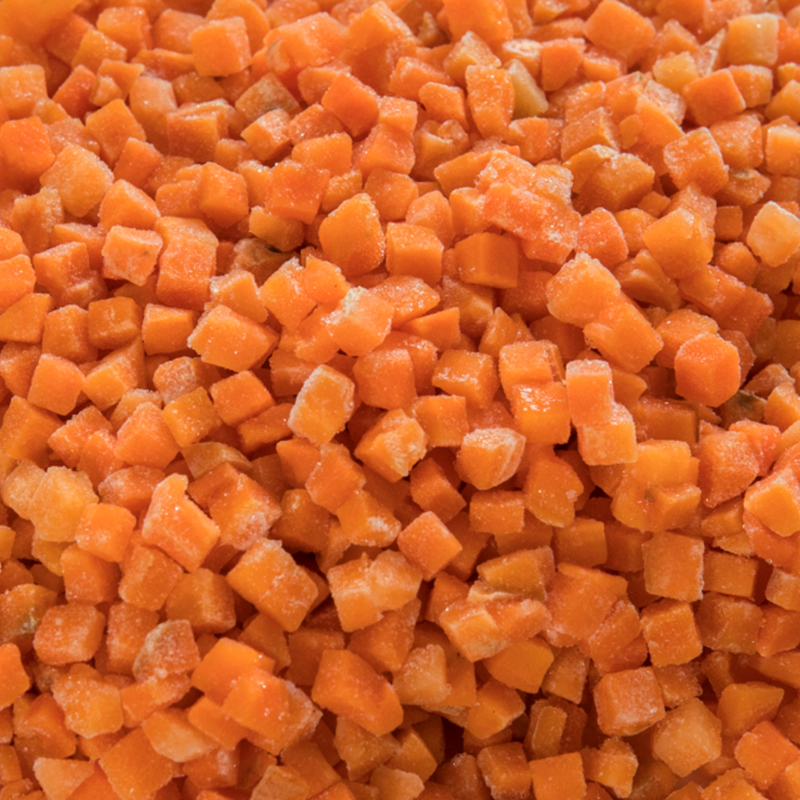
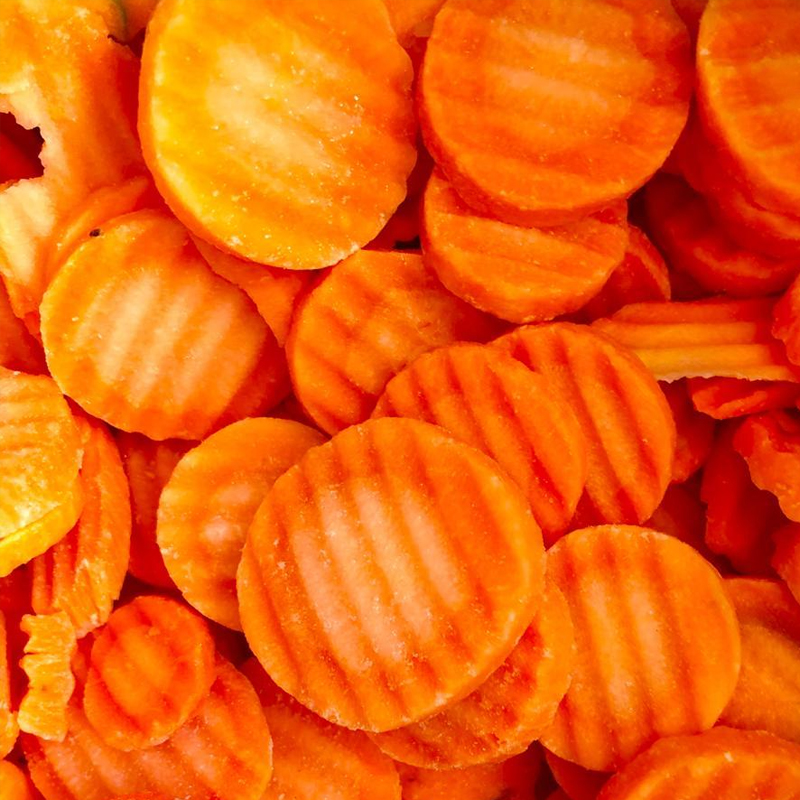
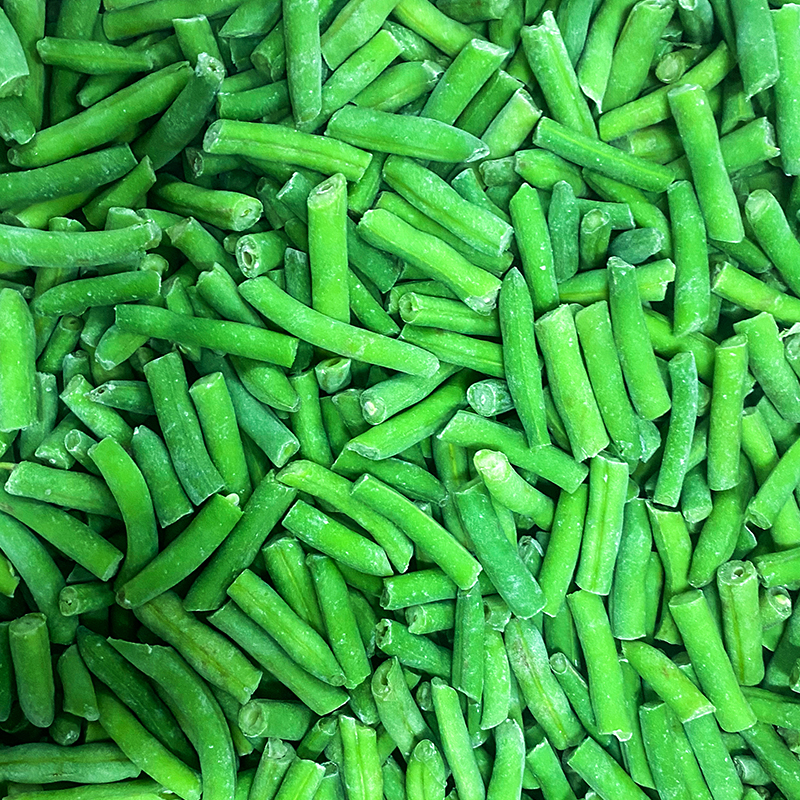
The straightforward answer to how long do frozen vegetables last is that properly stored frozen vegetables remain safe to eat indefinitely when kept at a constant temperature of 0°F (-18°C) or below. However, for the best flavor, texture, and nutritional value, most frozen vegetables should be consumed within 8 to 12 months. The U.S. Department of Agriculture (USDA) confirms that freezing halts the growth of microorganisms that cause food spoilage and foodborne illness, meaning that frozen vegetables do not expire in a safety sense. The time limits published by food safety authorities refer to quality rather than wholesomeness, because over extended periods, enzymes naturally present in vegetables can slowly degrade color, vitamin content, and structure, and freezer burn from air exposure can cause dryness and off-flavors. Understanding the science behind how long do frozen vegetables last helps reduce food waste and ensures that the vegetables you serve are at their peak quality.
Content
- The Shelf Life of Frozen Vegetables Is About Quality, Not Safety
- Recommended Storage Times for Different Frozen Vegetables
- Factors That Determine How Long Frozen Vegetables Retain Their Quality
- How to Tell If Frozen Vegetables Have Passed Their Prime
- Practical Tips to Maximize the Shelf Life of Frozen Vegetables
- Frequently Asked Questions About Frozen Vegetable Shelf Life
The Shelf Life of Frozen Vegetables Is About Quality, Not Safety
The shelf life of frozen vegetables is governed by quality degradation rather than food safety concerns, because freezing at 0°F halts microbial growth and enzymatic activity that cause spoilage and foodborne illness. When vegetables are commercially frozen, they undergo a blanching process—briefly scalded in boiling water or steam—that inactivates enzymes responsible for color loss, off-flavors, and nutrient breakdown. According to the University of California, Davis, blanching before freezing preserves the quality of most vegetables for about 12 months. After this period, although the vegetables remain safe, the slow action of residual enzymes and chemical reactions like lipid oxidation gradually erode taste, texture, and vitamin content. For instance, vitamin C in frozen broccoli can decrease by roughly 20% to 30% over 12 months at 0°F, while carotenoids and fiber remain relatively stable. The USDA FoodKeeper app supports the 8-12 month guideline for maximum quality of most frozen vegetables, emphasizing that these timeframes are recommended for best eating experience, not because the food becomes unsafe.
Recommended Storage Times for Different Frozen Vegetables
The optimal quality window for frozen vegetables varies slightly by type, but nearly all common vegetables remain at peak quality for 8 to 12 months when stored at 0°F in airtight packaging. The table below provides specific storage recommendations based on USDA and food industry data.
| Vegetable Type | Recommended Storage Time at 0°F | Quality Notes |
|---|---|---|
| Leafy greens (spinach, kale, collards) | 8–12 months | May develop slightly chewy texture after 10 months |
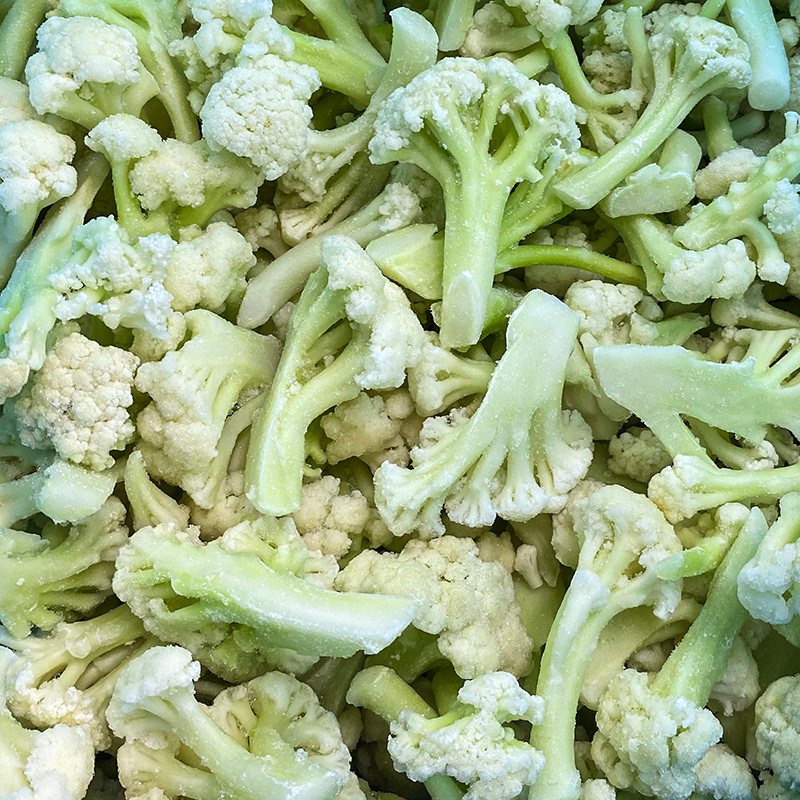
| Broccoli, cauliflower, Brussels sprouts | 8–12 months | Retain good color; florets may become softer |
| Peas, corn, green beans | 8–12 months | Sweetness may gradually decline after 8 months |
| Carrots, winter squash, sweet potatoes | 10–12 months | Very stable; minimal quality loss in first year |
| Onions, bell peppers, celery | 6–8 months | Aromatic compounds fade; best used within 6 months |
| Mixed vegetables (medleys, stir-fry blends) | 8–12 months | Texture uniformity may decline; seasoning packets last 18 months |
Factors That Determine How Long Frozen Vegetables Retain Their Quality
The two most important factors affecting how long frozen vegetables maintain their taste and texture are the stability of the freezer temperature and the integrity of the packaging against air and moisture. Temperature fluctuations are far more damaging than steady cold storage. When the freezer temperature rises above 0°F, even briefly during defrost cycles or door openings, microscopic ice crystals within the vegetable cells can partially thaw and then refreeze into larger crystals. These larger ice crystals rupture cell walls, causing the vegetable to become mushy when eventually cooked. Research published in the Journal of Food Science indicates that temperature cycling can accelerate texture degradation by up to 40% compared to steady storage. The second factor, packaging, directly affects freezer burn. If the original bag is torn or if vegetables are stored in a thin, unsealed bag, moisture sublimates from the surface of the food and forms ice crystals on the inside of the package. The dehydrated areas become dry, leathery, and discolored. While freezer burn does not render food unsafe, it can make vegetables unpalatably tough and bland. Using vacuum-sealed bags or heavy-duty freezer-grade plastic with all air pressed out can significantly extend the quality life of frozen vegetables toward the upper end of the 8-12 month window.
How to Tell If Frozen Vegetables Have Passed Their Prime
Frozen vegetables that have developed large ice crystals, a thick layer of frost inside the package, or a dry, shriveled appearance are likely suffering from freezer burn, which is safe to eat but will have a noticeably unpleasant texture and off-taste. The following visual and olfactory signs indicate that quality has significantly declined or that spoilage occurred before freezing:
- Excessive ice or frost: A heavy accumulation of snow-like ice inside the bag usually signals temperature abuse or a poorly sealed package. The vegetables beneath will likely be limp and watery.
- Clumped or fused vegetables: Vegetables frozen in a solid block rather than free-flowing pieces have likely partially thawed and refrozen. While still safe, the texture will be significantly compromised.
- Off-odors upon opening: A sour, fermented, or rancid smell indicates that microbial growth occurred before the vegetables were frozen or during a prolonged thaw. Such vegetables should be discarded immediately.
- Color changes: Dull, olive-green broccoli or yellowed spinach suggest that enzymes were not adequately inactivated by blanching and that chlorophyll has degraded over many months. The food remains safe but will have lost much of its visual appeal and some nutrients.
Practical Tips to Maximize the Shelf Life of Frozen Vegetables
Proper storage practices—maintaining a constant freezer temperature of 0°F or below, using airtight moisture-proof packaging, and organizing the freezer to minimize air exposure—are the most effective ways to ensure frozen vegetables remain at their best quality for 12 months or longer. Follow these evidence-based guidelines to get the longest usable life from your frozen produce:
- Set your freezer to 0°F (-18°C) or colder. Use an appliance thermometer to verify the actual temperature, as the built-in dial may be inaccurate.
- Keep vegetables in their original packaging if intact, or repackage in heavy-duty freezer bags. Remove as much air as possible before sealing. For long-term storage, a vacuum sealer extends quality life by up to 50%.
- Avoid storing vegetables in the freezer door. The door experiences the greatest temperature swings. Place vegetables toward the back of the freezer compartment where the temperature is most stable.
- Label bags with the purchase date or freezing date. Even though the vegetables remain safe, following a first-in, first-out rotation ensures you use older items while they are still at peak quality.
- Do not thaw and refreeze. Thawing, even partially, allows water to separate from the vegetable tissue. Refreezing creates large ice crystals and a mushy result. Cook directly from frozen when possible.
Frequently Asked Questions About Frozen Vegetable Shelf Life
Can you eat frozen vegetables after the expiration date printed on the package?
Yes. The date on a package of frozen vegetables is typically a "best by" or "use by" quality recommendation, not a safety cutoff. If the vegetables have been stored continuously at 0°F and show no signs of spoilage, they are safe to eat indefinitely. However, expect some loss of flavor and texture, and you may wish to use them in soups, stews, or casseroles where the softened texture is less noticeable.
What is freezer burn and is it harmful?
Freezer burn is a condition caused by sublimation of ice from the surface of frozen food when it is exposed to air. It appears as grayish-brown, dry, shriveled patches on frozen vegetables. Freezer burn is not harmful and does not make the food unsafe, but it causes tough texture and off-flavors. You can trim away heavily affected areas before cooking or simply accept the quality loss.
How long do home-frozen vegetables last compared to commercially frozen ones?
Commercially frozen vegetables are flash-frozen at extremely low temperatures immediately after blanching, which creates smaller ice crystals and better preserves texture. They maintain high quality for 12 months. Home-frozen vegetables, unless frozen quickly in a deep freezer, may form larger ice crystals and are best used within 8 months. Both remain safe beyond these periods.
Do frozen vegetables lose nutrients over time?
There is a slow, gradual loss of certain water-soluble vitamins such as vitamin C and some B vitamins over many months of frozen storage. A study from the University of Georgia found that vitamin C in frozen spinach declined by about 30% after 12 months. However, fiber, minerals, and fat-soluble vitamins remain stable. Vegetables frozen immediately after harvest often retain more nutrients than fresh vegetables that have been transported and stored for a week.
Understanding how long do frozen vegetables last empowers you to reduce waste, plan meals confidently, and enjoy the nutritional benefits of vegetables year-round. While they may not last forever in prime condition, properly stored frozen vegetables provide a generous window of quality that fits easily into any household routine.