1. What Are IQF Green Beans and Their Benefits?
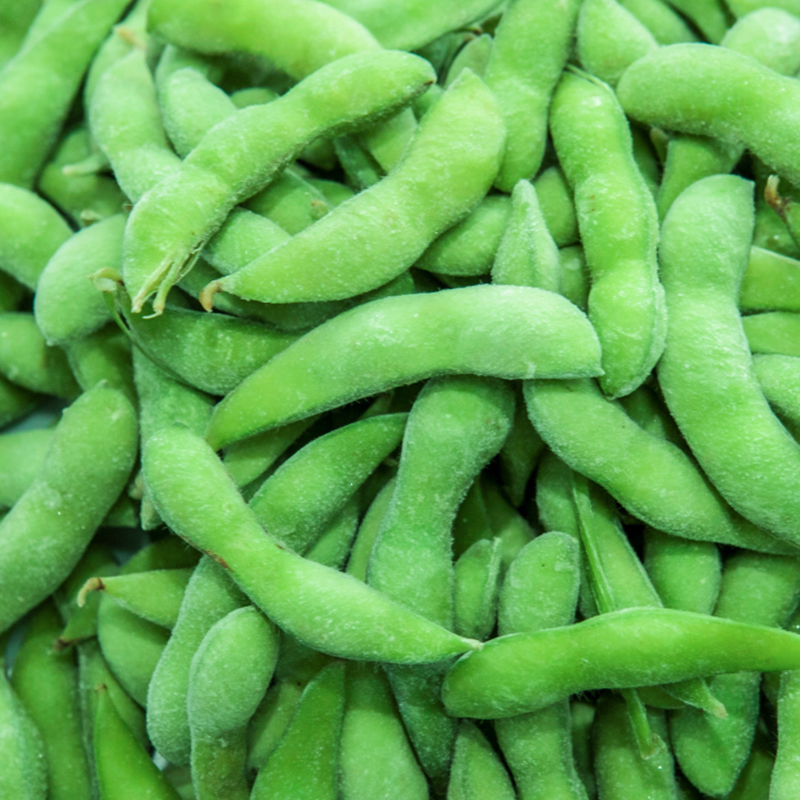
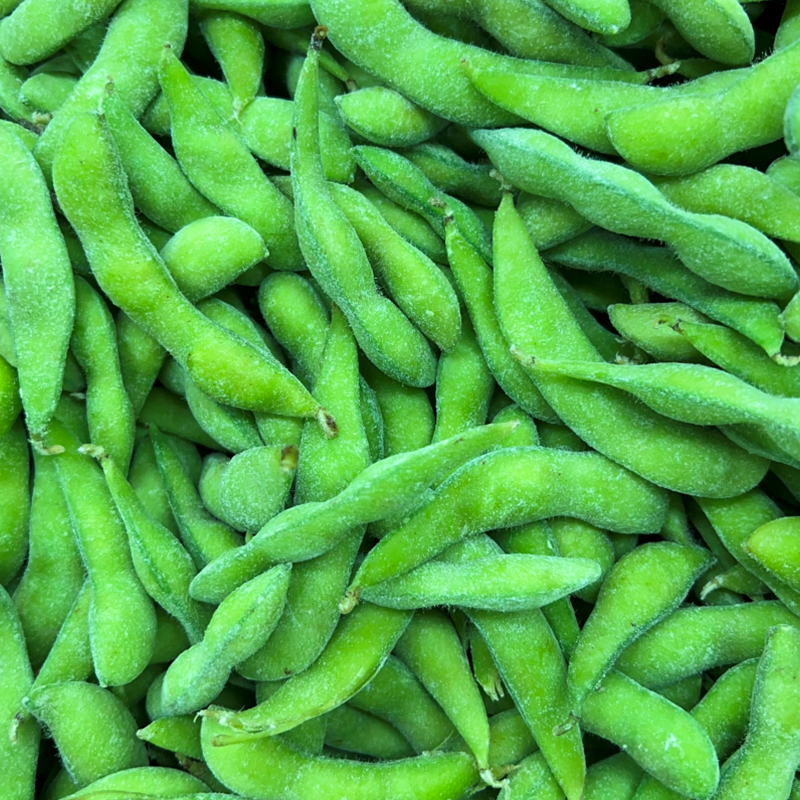
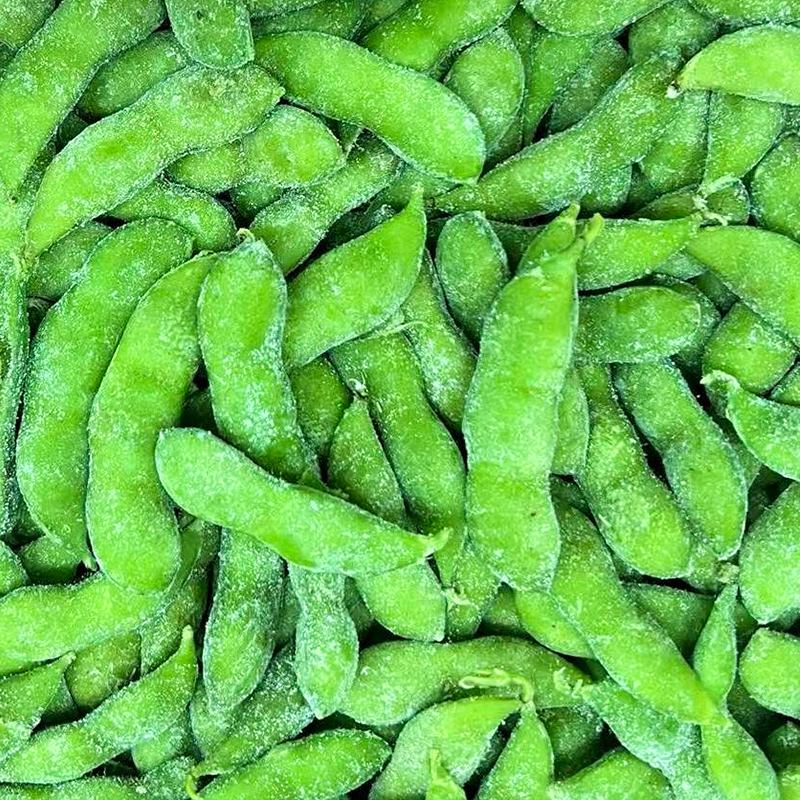
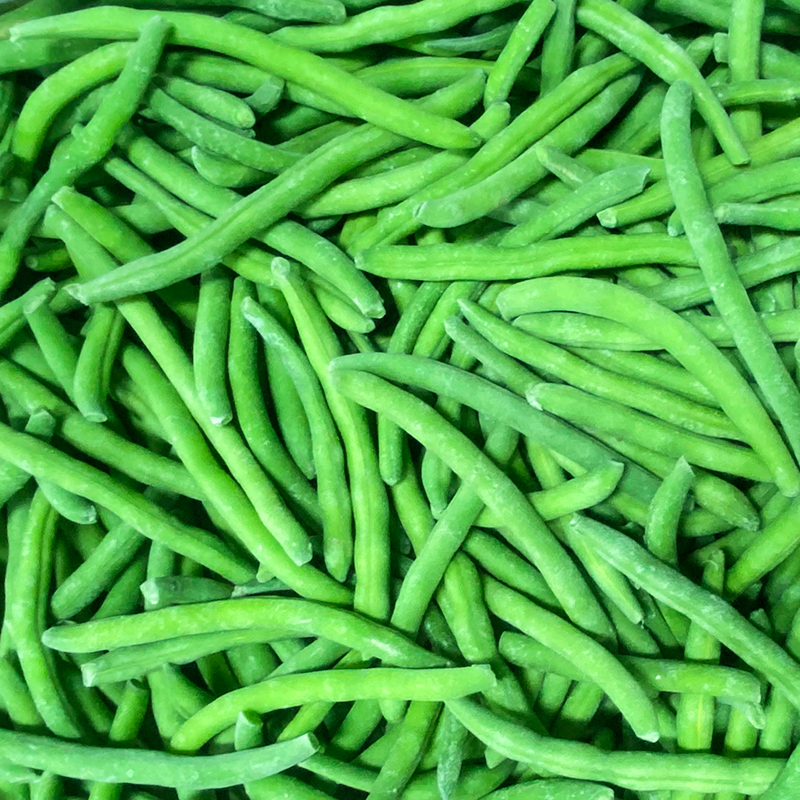
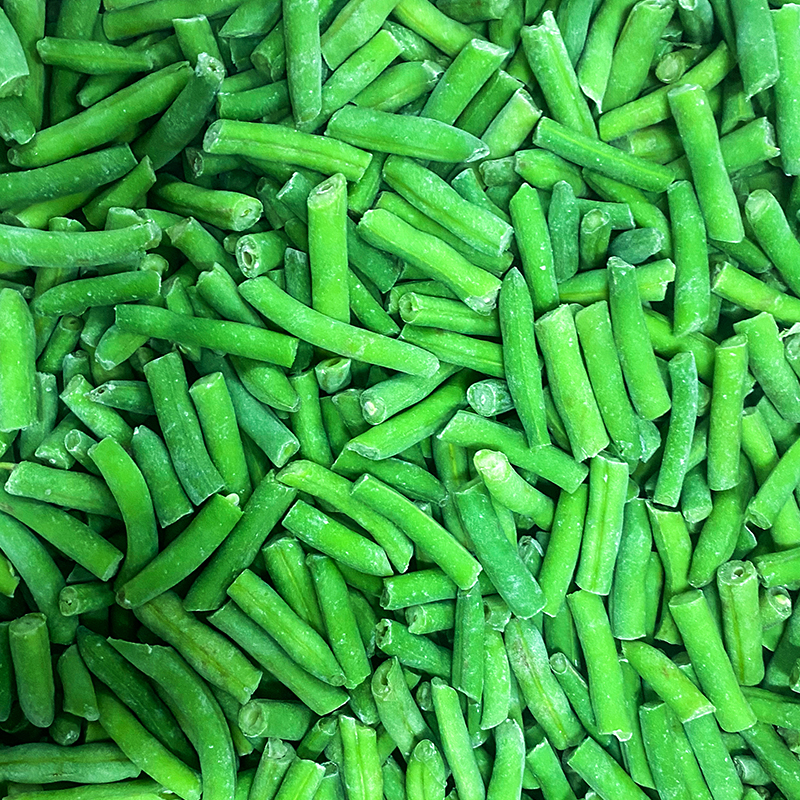
IQF Green Beans are whole or cut green beans that have undergone the Individual Quick Freezing process. Unlike traditional block freezing, where products freeze together in a large mass, IQF technology ensures each individual green bean is frozen separately. This is achieved by exposing the beans to extremely low temperatures in a controlled environment for a very short period.
The benefits of this method are multifaceted:
Preservation of Structural Integrity: The rapid freezing process causes the formation of much smaller ice crystals within the cellular structure of the green bean. This minimizes cell wall damage, which is a common issue in slower freezing methods. Consequently, upon thawing, IQF green beans maintain a firm texture and al dente bite that is remarkably close to that of fresh-picked beans, avoiding the mushiness often associated with frozen or canned alternatives.
Nutritional Retention: The quick transition through the temperature danger zone (where nutrient degradation can occur) helps lock in vitamins and minerals. Key nutrients such as Vitamin C, Vitamin K, and dietary fiber are preserved at levels comparable to, and sometimes higher than, fresh beans that have been transported long distances and stored for days. The process occurs almost immediately after harvesting, capturing the bean's nutritional peak.
Operational Convenience and Versatility: As the beans are individually frozen, they do not form a solid block. This offers significant practical advantages for end-users, from industrial food processors to home cooks. It allows for the easy pouring and measuring of desired quantities without the need for defrosting an entire package, reducing waste and enhancing efficiency in kitchen operations.
Year-Round Availability and Consistency: IQF technology enables the preservation of green beans at their seasonal peak, ensuring a consistent supply of high-quality product regardless of geographic or seasonal constraints. This provides a reliable ingredient for food service establishments that require menu consistency.
2. How Are IQF Green Beans Processed and Preserved?
The journey of a green bean from field to freezer is a tightly controlled, highly automated process designed to maximize quality and safety. Companies like Yuyao Gumancang Food Co., Ltd. utilize state-of-the-art processing lines to achieve this. The procedure can be broken down into several critical steps:
Harvesting and Initial Reception: Green beans are harvested at their optimal maturity and size. They are quickly transported to the processing facility, where they are inspected and weighed.
Cleaning and Washing: The beans undergo thorough washing in chilled water tanks to remove any field dirt, debris, and surface microorganisms. This step is crucial for food safety and quality.
Sorting and Grading: They are then conveyed past optical sorters and manual inspection belts to remove defective beans, stems, and foreign materials. They are often graded by size and quality.
Blanching: A critical step for vegetable preservation, blanching involves briefly immersing the beans in hot water or exposing them to steam. This action deactivates natural enzymes (such as peroxidase and catalase) that would otherwise cause loss of color, flavor, and nutrients during storage. The time and temperature are precisely calibrated to achieve enzyme inactivation without cooking the bean.
Cooling: Immediately after blanching, the beans are rapidly cooled in chilled water or an air tunnel to halt the cooking process.
Individual Quick Freezing (IQF): The cooled and dried beans are conveyed into the IQF freezer—typically a spiral or tunnel freezer where they are exposed to cryogenic temperatures (often using liquid nitrogen or extremely cold air at -30°C to -40°C or lower). The beans travel on a vibrating mesh belt, ensuring they are frozen individually and not clumping together. This rapid freezing is the core of the technology.
Metal Detection and Packaging: The frozen beans pass through a metal detector to ensure safety. They are then packaged in polyethylene bags or cartons, often under vacuum or modified atmosphere to prevent freezer burn and oxidation.
Cold Storage: The packaged IQF Green Beans are immediately moved to cold storage warehouses maintained at a constant -18°C to -20°C until distribution. The scale of this operation can be immense; for instance, with facilities boasting a daily storage capacity of 10,000 tons, ensuring the cold chain remains unbroken is a logistical priority.
3. Why Choose IQF Green Beans Over Fresh or Canned?
The choice between IQF, fresh, and canned green beans depends on the application, but IQF often presents a compelling case based on objective criteria.
vs. "Fresh" Green Beans: The term "fresh" can be misleading. Green beans available in supermarkets may have been harvested days or weeks prior, traveling long distances and losing moisture, texture, and nutrients along the way. In contrast, IQF Green Beans are processed and frozen within hours of harvest, effectively pausing their degradation. For consumers distant from agricultural sources, IQF beans can be superior in both nutrition and texture to "fresh" beans that have been in transit.
vs. Canned Green Beans: The canning process requires prolonged high-heat treatment to achieve commercial sterility, which has a significant impact on the product. This leads to:
Texture: A dramatic loss of texture, resulting in a very soft and often mushy product.
Nutrition: Water-soluble vitamins, like Vitamin C and some B vitamins, can leach into the canning liquid, which is often discarded.
Taste and Additives: Canned beans frequently contain added sodium and sometimes preservatives to extend shelf life, altering their natural flavor profile. IQF beans contain no additives; they are simply beans.
Shelf Life: While canned beans have a long shelf life, IQF Green Beans also have an extended shelf life of 18-24 months when stored correctly, without the quality compromises associated with canning.
4. How to Properly Store IQF Green Beans?
Maintaining the high quality of IQF Green Beans from the factory to the plate relies on an unbroken cold chain and proper storage practices.
Industrial and Commercial Storage: For entities like Yuyao Gumancang Food Co., Ltd., this involves massive cold storage facilities with automated temperature monitoring systems to ensure a constant temperature of -18°C or lower. Fluctuations in temperature can cause thawing and re-freezing, leading to larger ice crystal formation and subsequent quality loss (freezer burn).
Transportation: Refrigerated trucks must maintain the same strict temperature standards during distribution.
Retail and Home Storage: Upon purchase, consumers should:
Transport frozen goods in an insulated bag and get them into a home freezer as quickly as possible.
Store the unopened package in the coldest part of the freezer, away from the door, to avoid temperature fluctuations.
Ensure the home freezer is set to maintain a temperature of -18°C.
Once opened, the beans should be kept in a tightly sealed container or resealable bag to protect them from exposure to air, which causes freezer burn (characterized by dry, grayish-white patches).
Adhere to the "first-in, first-out" principle, using older packages before newer ones.
5. How Do IQF Green Beans Compare to Other Frozen Vegetables?
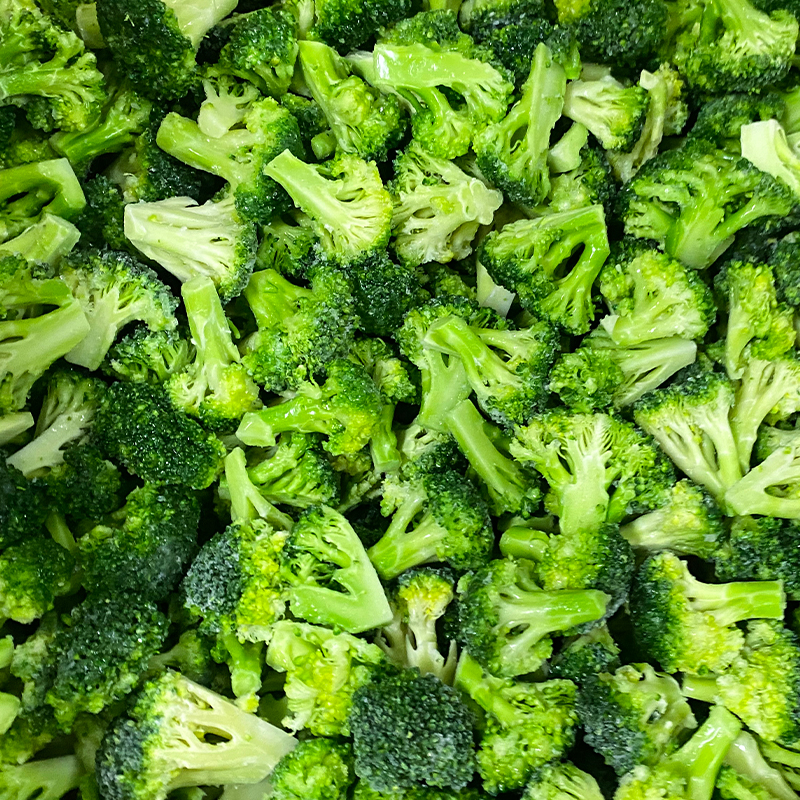
The IQF method is not exclusive to green beans; it is applied to a wide array of vegetables, including corn, peas, carrots, and broccoli. The principles of quality retention are consistent across these products. However, the value of the IQF process is particularly pronounced for vegetables with high water content and delicate structures, like green beans, berries, and leafy greens, which are most susceptible to texture loss.
The primary difference between IQF Green Beans and other frozen vegetables that are not IQF (i.e., block-frozen) is the freedom of flow and preserved individual quality. Non-IQF frozen vegetables must be thawed as a whole block or mechanically broken apart, which can further damage the product. IQF technology represents the premium segment of the frozen vegetable market due to its superior ability to deliver a product that mirrors its fresh counterpart in composition, nutrition, and culinary performance. The investment in full-automatic IQF production lines, as seen in modern processing facilities, is a direct response to the market's demand for this higher quality standard.



 English
 中文简体
中文简体 日本語
日本語