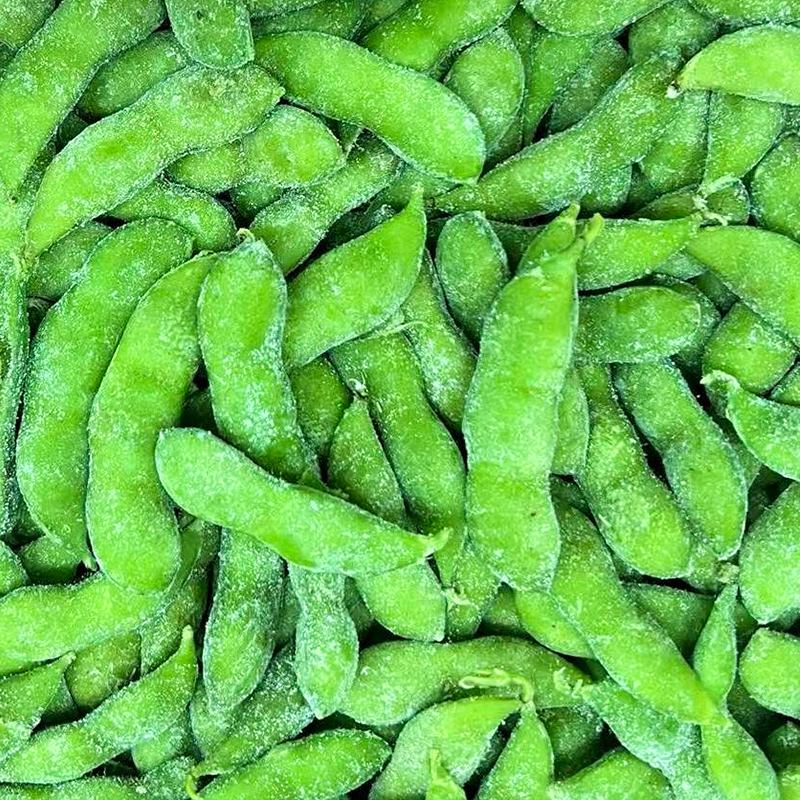
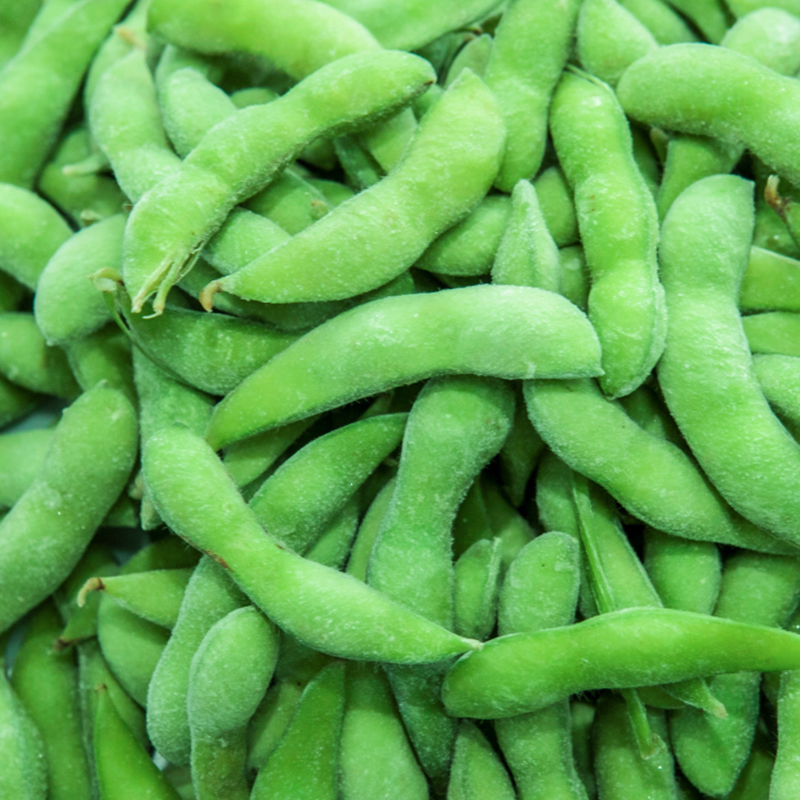
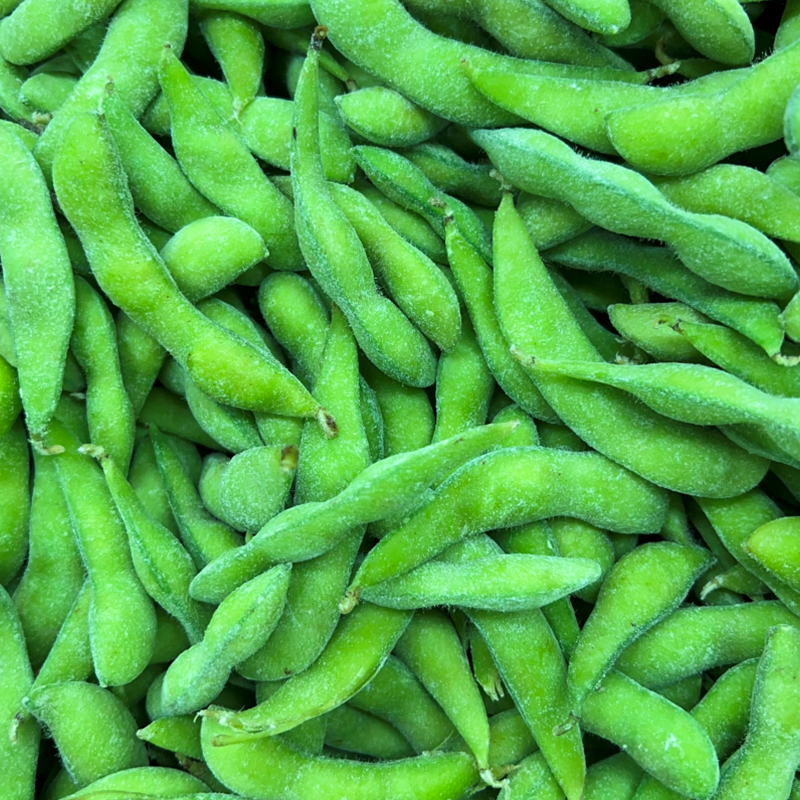
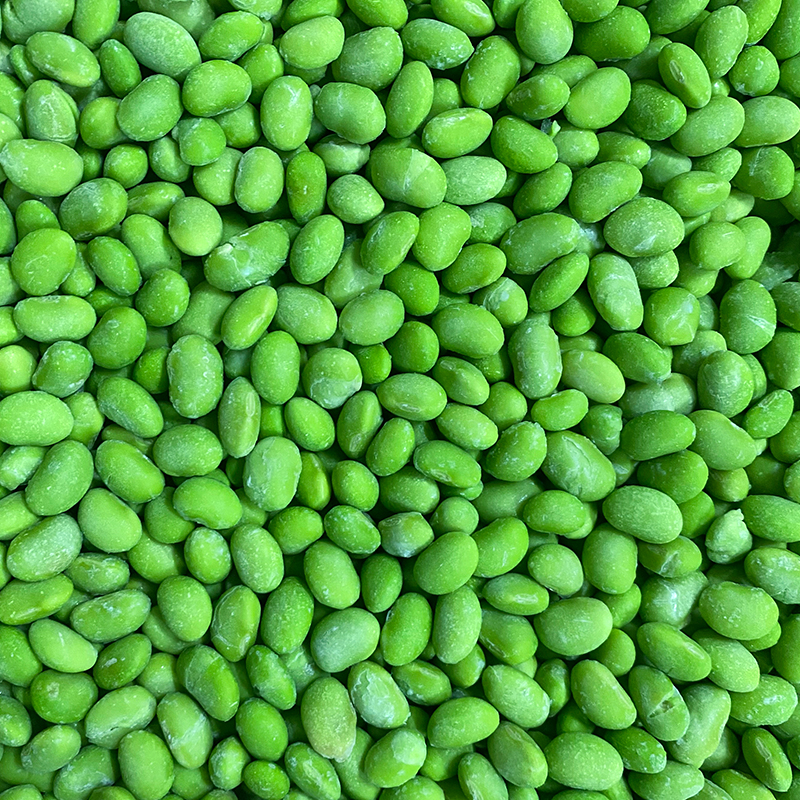
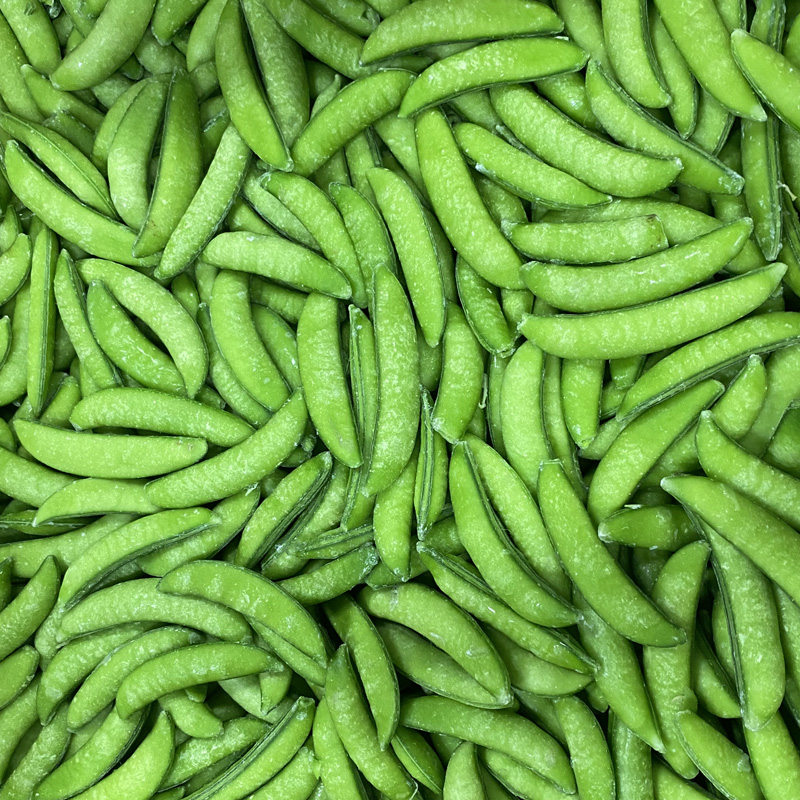
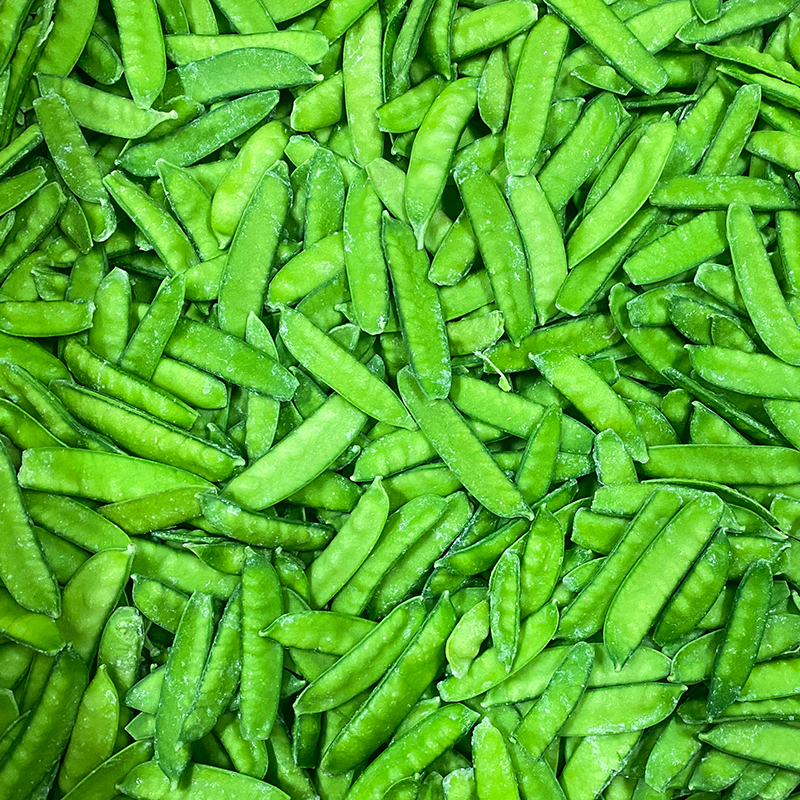
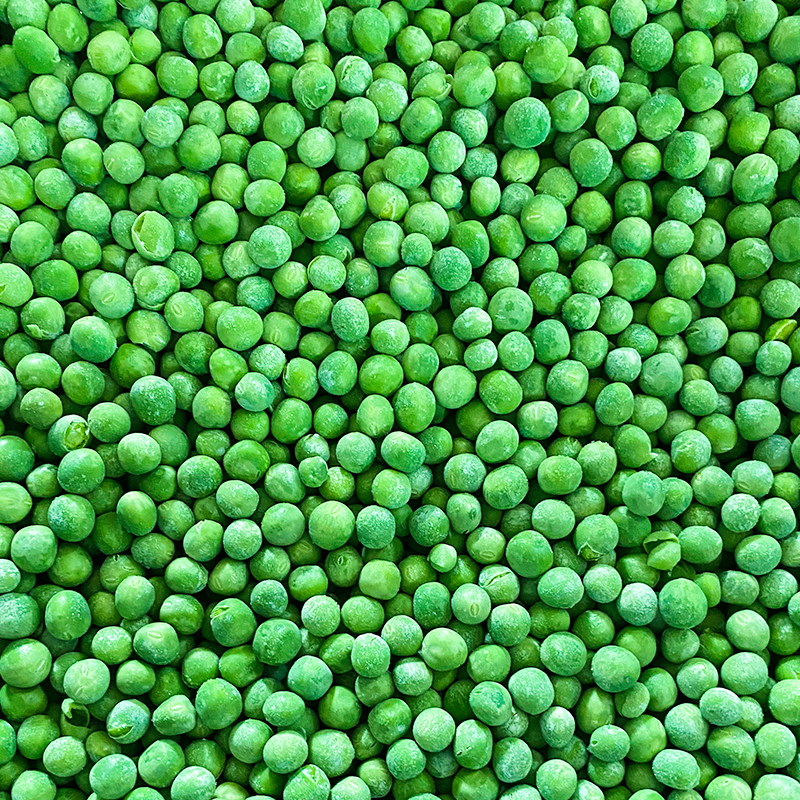
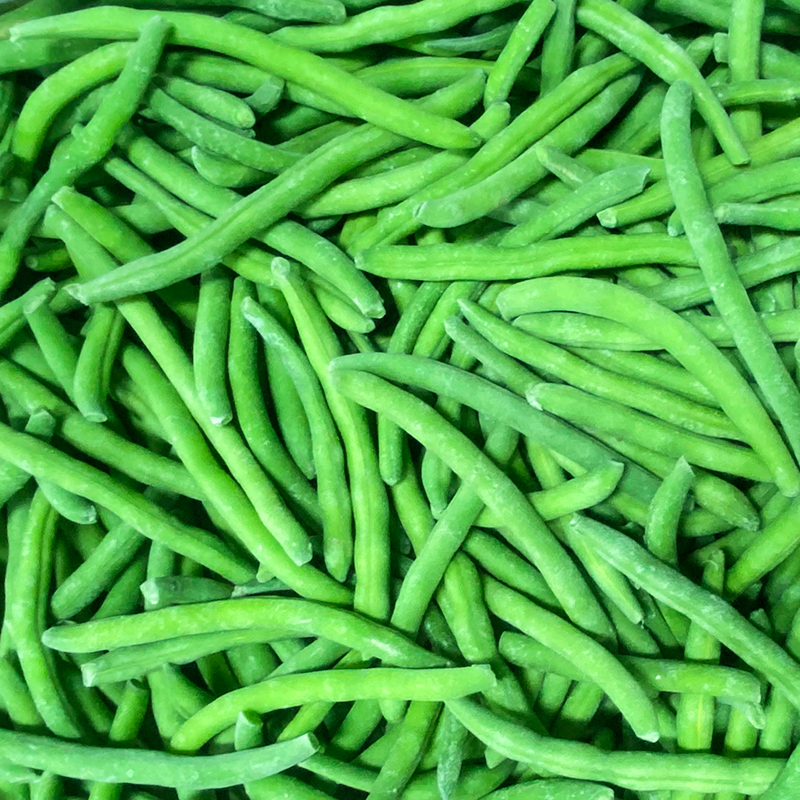
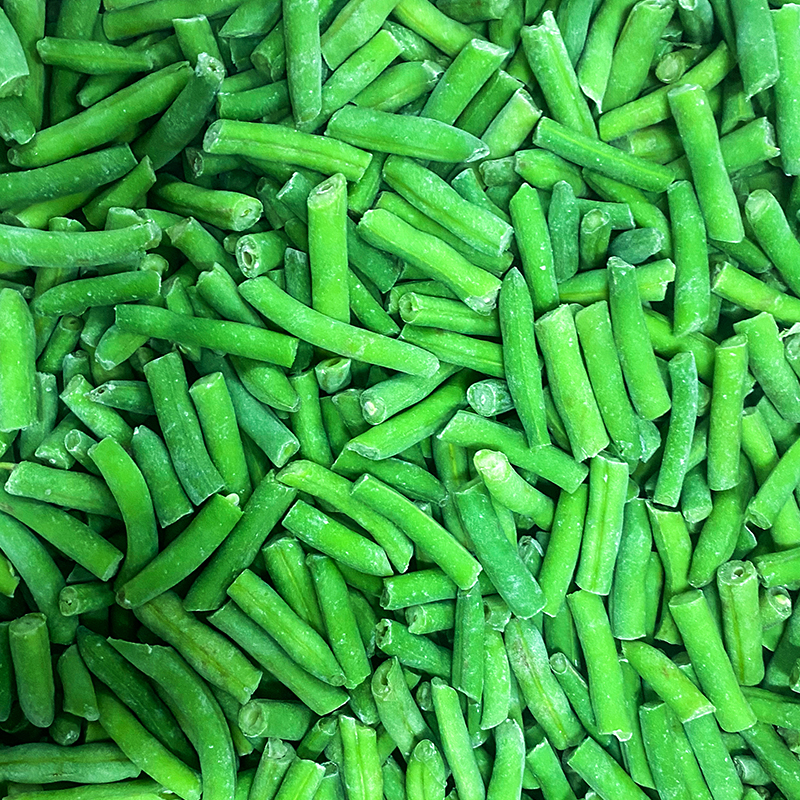
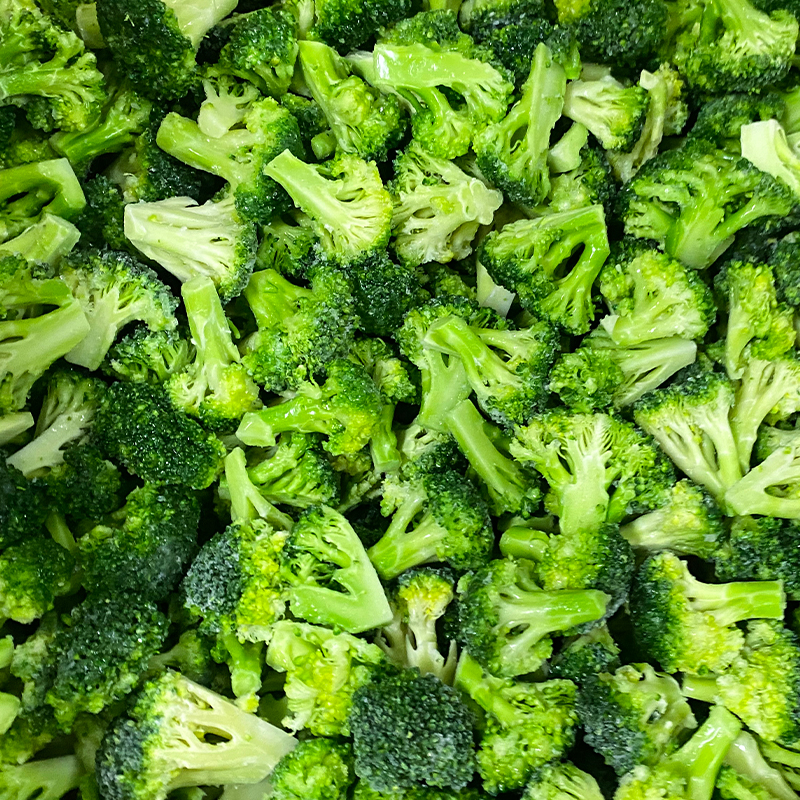
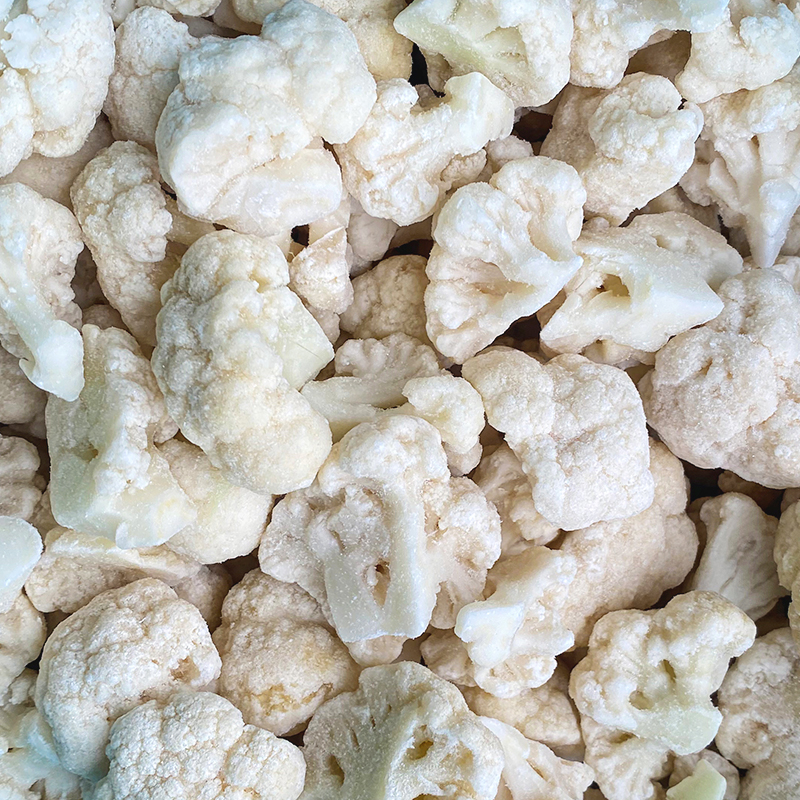
1. What are IQF Salt Tea Beans?
IQF Salt Tea Beans do not refer to beans made from "tea." Instead, they specifically refer to a type of green bean product that undergoes a specific processing technique. Its name can be broken down into three key components, each defining its core characteristics:
IQF (Individualized Quick Freezing): This is the core processing technology. Freshly picked green beans undergo pre-processing steps such as screening and blanching (killing the greenness). They are then fed into the IQF freezing line. During this process, the green beans are not piled together for slow freezing. Instead, they are passed through a high-velocity, low-temperature airflow at -35°C to -40°C, forcing each bean individually and quickly through the zone of maximum ice crystal formation. This technique creates tiny, evenly distributed ice crystals, puncturing plant cell walls to the greatest extent possible, effectively preserving the green beans' original color, shape, texture, and nutritional content. The fully automated IQF production line introduced by Yuyao Gumancang Food Co., Ltd. is the key equipment for this technology.
Salt: This indicates the product has been precisely seasoned before freezing. After blanching and before freezing, the green beans are treated with a salt solution (brine) to evenly coat their surface with an appropriate amount of salt. This process not only imparts a basic salty flavor to the green beans, reducing the need for seasoning during cooking, but also reduces the freezing point of water, providing a subtle auxiliary freeze protection.
Tea Beans: This refers to the raw material itself, commonly known as green beans or edamame. They are harvested at the appropriate maturity to ensure a sweet, tender texture and a vibrant green color.
IQF Salt Tea Beans is a pre-seasoned frozen vegetable product made from high-quality green beans, blanched, seasoned with salt, and then processed using individual quick-freezing technology. Its production relies on the large-scale, automated deep-processing capabilities of companies like Yuyao Gumancang Food Co., Ltd., whose annual processing capacity of 8,000 tons of vegetables is a key guarantee for product standardization and a stable supply.
2. How to store opened IQF Salt Tea Beans?
Proper storage is crucial to maintaining the quality of IQF Salt Tea Beans. Once the original packaging is opened, the product is exposed to air, and storage strategies must be adjusted accordingly. The key principles are to prevent temperature fluctuations and freezer burn.
Repackaging: Immediately transfer unused IQF Salt Tea Beans from the original packaging to a container with a better seal. Food-grade zip-top freezer bags are preferred, and as much air as possible should be removed before sealing. Alternatively, well-sealed plastic containers can be used, but they should be appropriately sized to minimize headspace.
Air Removal: Air is the primary cause of freezer burn and oxidation. Using a vacuum sealer is the best solution, as it virtually eliminates oxygen. If doing this manually, immerse the bag in water and use the water pressure to remove most of the air before sealing (hydraulic pressure method).
Constant Low Temperature: After resealing, return the product to the freezer promptly and ensure the freezer temperature remains stable at -18°C or below. Avoid placing it near the refrigerator door, as this area is most susceptible to temperature fluctuations due to door opening and closing.
FIFO Principle: Follow the "first in, first out" principle, mark the opening date on the packaging, and prioritize products that have been opened earlier. While theoretically long-term storage is possible at -18°C, it is recommended that the product be consumed within 1-2 months of opening for optimal consumption.
Strictly following these steps can effectively inhibit ice crystal sublimation and fat oxidation, maintaining the integrity of the beans and the stability of their flavor.
3. What are the advantages of IQF Salt Tea Beans compared to other frozen vegetables? The advantage of IQF Salt Tea Beans stems from their combination of the "IQF" process and "salt" pre-seasoning, making them distinctive among other frozen vegetable products.
Quality Advantages (Compared to Block Frozen Vegetables):
Individual Beans for Easy Access: IQF technology freezes each bean individually, eliminating the need to thaw the entire block. This allows for easy access to any desired quantity, avoiding the quality damage caused by repeated thawing and refreezing.
Better Shape and Texture: The fine ice crystals formed by rapid freezing cause far less damage to the cell structure than the larger ice crystals formed by slow freezing. Therefore, after thawing, IQF green beans retain their plump shape and firm texture, preventing them from becoming mushy.
More Comprehensive Nutrient Retention: The rapid freezing process and minimal cell damage mean that the loss of water-soluble vitamins (such as vitamins B and C) and flavor compounds within the cells is relatively low during thawing.
Functional Advantages (Compared to Unseasoned IQF Vegetables):
Cooking Ease: The pre-added salt makes it a "semi-prepared" ingredient. When stir-frying, making soups, or serving as a side dish, no additional salt is needed or only a small amount is needed to enhance flavor, greatly simplifying the cooking process and improving efficiency.
Flavor consistency: Industrialized seasoning control ensures consistent saltiness across batches, facilitating standardized production in the catering industry and reducing the risk of seasoning errors.
General advantages (for all frozen vegetables compared to fresh vegetables):
Supply stability: Unrestricted by season, region, or climate, a stable supply is available year-round.
Safety: Blanching (withering) effectively reduces surface microbial load and enzyme activity, enhancing food safety.
Reduced waste: The frozen state inhibits physiological and biochemical reactions, significantly extending shelf life, virtually eliminating the risk of spoilage and reducing food waste from transportation, storage, and consumption.
4. Do IQF Salt Tea Beans need to be washed before cooking?
This is a practical question concerning food safety and flavor preservation. The objective analysis is as follows:
Washing is not recommended. The reasons are as follows:
Process Integrity: In legitimate production processes, such as those followed by Yuyao Gumancang Food Co., Ltd., green beans are thoroughly washed and blanched before freezing. This process cleans the surface, inactivates enzymes, and kills some microorganisms, ensuring they meet hygienic standards for direct cooking.
Flavor and Quality Preservation: Washing, especially rinsing with running water, has two direct consequences: First, it washes away the salt added to the surface of the product for seasoning, changing the desired saltiness and affecting the taste of the final dish. Second, the extra moisture forms a film on the surface of the beans, which can easily drop the temperature during cooking (especially stir-frying), resulting in a "steaming" effect rather than a "quick stir-frying" effect, causing the beans to become soft and mushy, losing their crispness, and possibly darkening their color.
Avoiding Secondary Contamination: The hygienic standards of a home operation environment cannot compare to those of a cleanroom in the food industry. The water and containers used for washing may introduce new contamination risks.
Therefore, from the perspective of production technology and best cooking practices, IQF Salt Tea Beans do not require washing before cooking. Cooking directly from frozen is the most efficient method and best ensures the flavor and safety of the finished product.
5. How to properly thaw IQF Salt Tea Beans to maintain optimal taste?
The thawing method is the final factor that affects the final quality of IQF products. Based on the principles of heat transfer and osmotic pressure, the following methods are recommended:
Best Method: Cooking from Frozen
Suitable for: Most hot cooking methods, such as stir-frying, deep-frying, making soups, and oven-heating.
Principle and Advantages: This is the most recommended method. Place the still-frozen green beans directly into a hot pot or hot soup. The rapid heat transfer quickly transports the beans through the "danger zone" of 0°C to 5°C, minimizing the loss of juice after the ice crystals melt, thereby locking in the moisture, flavor, and nutrients. The resulting product closely resembles the taste and appearance of fresh green beans, maintaining a crisp and tender texture.
Alternative Method: Refrigerator Thawing
Suitable for: Planning to use in cold salads (thaw thoroughly and drain thoroughly) or for special recipes with strict temperature requirements.
How to Use: Place the desired amount of IQF Salt Tea Beans in a colander or airtight container and slowly thaw in the refrigerator (0-4°C) for several hours or overnight. While slow thawing at low temperatures is not as effective as cooking, it better controls microbial growth than thawing at room temperature. The smaller temperature difference gives cells more time to reabsorb the melted water, resulting in less juice loss than thawing at room temperature.
Key Step: After thawing, be sure to gently blot the beans with paper towels to remove excess moisture before serving or cooking to ensure optimal results.
Methods to Avoid: Thawing at room temperature and thawing in water
Room temperature thawing: Uneven thawing speed results, leaving the outer layer at a temperature suitable for microbial growth for a prolonged period, posing a safety risk. It also results in significant juice loss, resulting in a soft texture.
Thawing with running or warm water (Water Thawing): This method causes a large amount of water to penetrate into the beans, making them watery and tasteless. It also severely dilutes the surface salt and causes a large loss of water-soluble nutrients. This is the least recommended method.



 English
 中文简体
中文简体 日本語
日本語