

 English
 中文简体
中文简体 日本語
日本語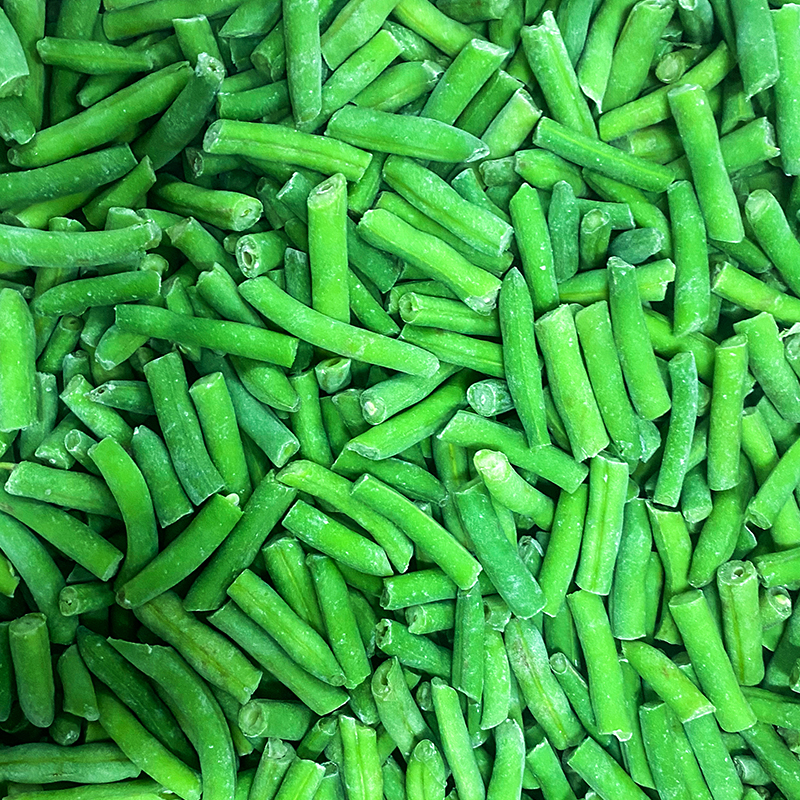
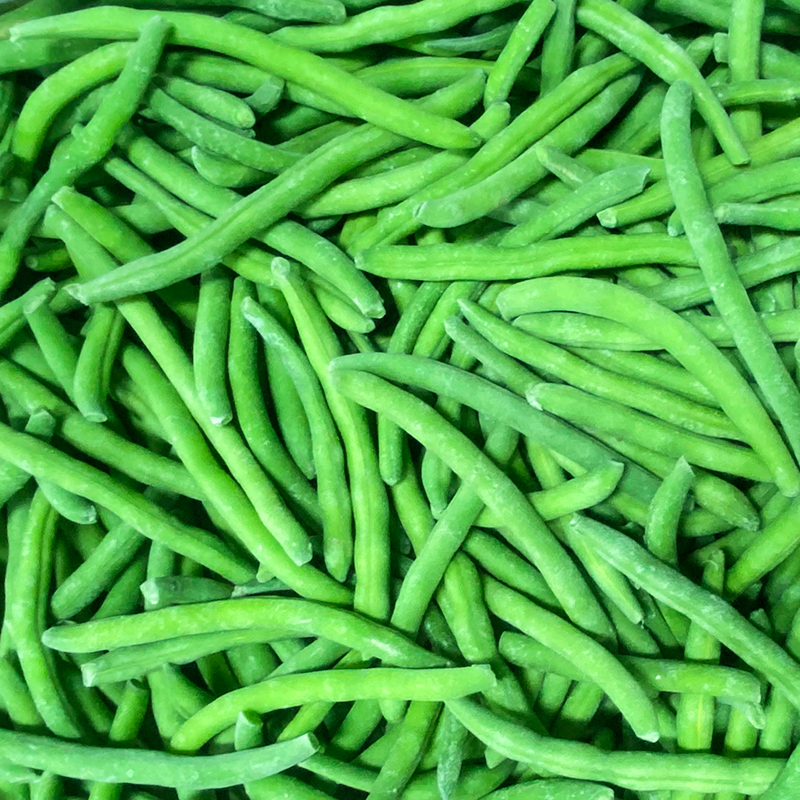
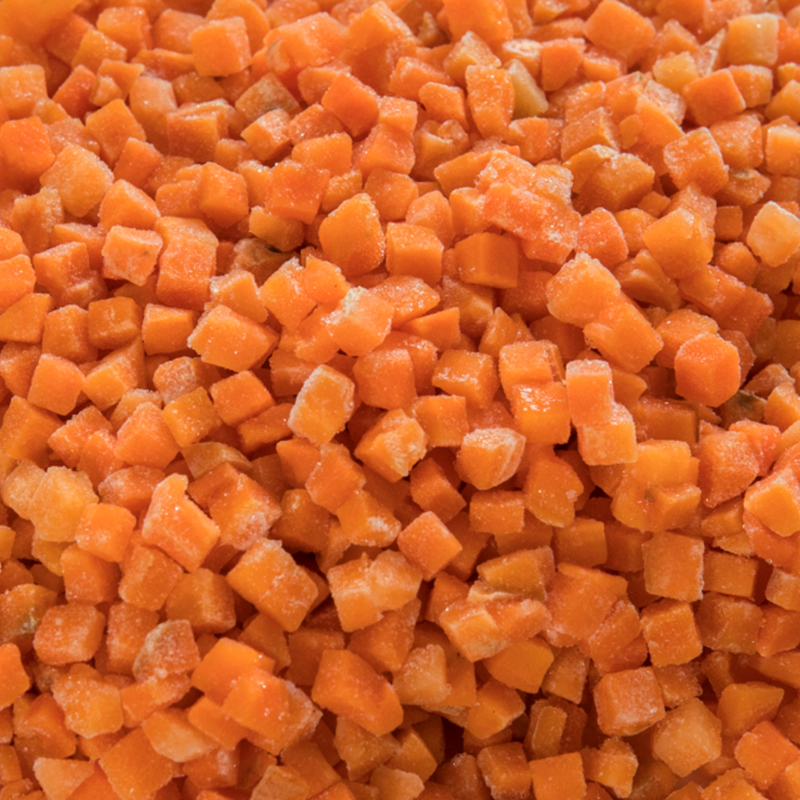
When comparing canned vs frozen vegetables, frozen generally retains more vitamins C and B due to flash-freezing at peak ripeness, while canned vegetables last 2 to 5 years versus 8 to 12 months for frozen, cost less per serving, and can actually boost the bioavailability of antioxidants like lycopene through the heat of canning — making neither option universally superior, and the best choice entirely dependent on your nutritional priorities, storage situation, budget, and how you plan to cook the vegetables. Both formats are backed by peer-reviewed science confirming they are nutritionally comparable to fresh produce, and both are explicitly recommended alongside fresh vegetables in dietary guidelines published by the American Heart Association, the U.S. Department of Agriculture, and Australia's Healthy Eating Guidelines (2024).
Content
- Why the "Fresh Is Always Best" Idea Is Scientifically Inaccurate
- How the Freezing and Canning Processes Affect Nutrients Differently
- Canned vs Frozen Vegetables: Full Nutritional Comparison
- The Sodium Issue: What the Research Actually Shows
- Canned vs Frozen Vegetables: Cost, Shelf Life and Convenience
- Which Specific Vegetables Are Better Canned vs Frozen?
- The Case for a Hybrid Pantry: Using Both Together
- How to Choose the Healthiest Canned and Frozen Vegetables
- Frequently Asked Questions: Canned vs Frozen Vegetables
- Q: Are canned and frozen vegetables as nutritious as fresh?
- Q: Does rinsing canned vegetables actually reduce sodium meaningfully?
- Q: Which format is better for weight management or calorie control?
- Q: Do canned vegetables actually expire after the date on the label?
- Q: Is one format more environmentally sustainable than the other?
- Summary: Canned vs Frozen Vegetables — The Verdict
Why the "Fresh Is Always Best" Idea Is Scientifically Inaccurate
Research consistently shows that canned and frozen vegetables have comparable nutrient profiles to fresh produce, and in many documented cases exceed the nutritional value of fresh vegetables that have spent days in transit and refrigerated storage before being eaten. A 2025 ScienceDirect study reviewing the scientific literature concluded that many, if not most, frozen and canned fruits and vegetables are nutritionally similar or even superior to their fresh counterparts, while also noting that consumer attitudes overwhelmingly — and inaccurately — favor fresh as the healthiest option.
The moment a vegetable is harvested, its nutrient clock starts ticking. Enzymes begin to break down vitamins, and respiration consumes the sugars that provide flavor and nutritional density. Fresh produce sold at most supermarkets may have spent three days to several weeks in transit and on shelves before purchase, and consumers may then store it for several additional days. Both canning and freezing stop this degradation at a specific point in time — canning through heat sterilization and freezing through rapid temperature reduction — locking nutrients in place at the moment of processing.
The nutritional impact of this timing is real and measurable. An analysis published in Nutrients found that children and adults who ate six or more canned food items over a two-week period were more likely to meet or exceed recommended daily allowances for 17 essential vitamins and nutrients than those who ate only one to two canned items over the same period — a finding that directly challenges the common perception that canned food is a nutritional compromise, as reported by Have A Plant (Fruits and Veggies — More Matters).
How the Freezing and Canning Processes Affect Nutrients Differently
The key nutritional difference between canned and frozen vegetables comes down to heat: freezing uses minimal heat (blanching only) and preserves the majority of water-soluble vitamins, while canning applies sustained high heat that reduces vitamins C and B but has a negligible effect on minerals, fiber, and fat-soluble vitamins A, E, and K — and actually increases the bioavailability of certain antioxidants.
How Flash-Freezing Works
Frozen vegetables are typically picked at peak ripeness and transported to a nearby processing facility within hours. They are briefly immersed in boiling water or steam — a step known as blanching — which deactivates the enzymes responsible for color loss, texture degradation, and nutrient breakdown. The vegetables are then frozen at extremely low temperatures, halting all biological activity. According to the Kendall Reagan Nutrition Center at Colorado State University, this process helps maintain nutritional value, and despite common misconceptions about "processed" food, freezing does not alter vegetables in a major way or add any additives to plain frozen vegetables.
How Canning Works
Canning involves sealing vegetables in a can with liquid and then applying high heat to kill bacteria and create a vacuum seal. This sustained heat reduces heat-sensitive vitamins — particularly vitamin C and B-complex vitamins — more significantly than blanching alone. However, according to the Arizona Department of Education's nutrition fact sheet, while the high heat of canning can decrease B-complex vitamins and vitamin C, it preserves mineral content and can actually increase the antioxidant content of certain vegetables, making them more bioavailable for the body to absorb. The most widely cited example is canned tomatoes: heat processing breaks down cell walls and releases lycopene, an antioxidant linked to protection against heart disease and certain cancers, in a form that is more readily absorbed than in raw tomatoes, according to the Kendall Reagan Nutrition Center.
Canned vs Frozen Vegetables: Full Nutritional Comparison
Across the most important nutritional categories, frozen vegetables have an edge for water-soluble vitamins, while canned vegetables match or exceed frozen for minerals, fiber, and antioxidant bioavailability — with both formats far outperforming fresh produce that has been stored for several days.
| Nutrient / Factor | Frozen Vegetables | Canned Vegetables | Edge |
| Vitamin C | Well retained; blanching causes minor loss | Notably reduced by sustained high-heat canning | Frozen |
| B-Complex Vitamins | Good retention after flash-freezing | Partially reduced by heat processing | Frozen |
| Vitamins A, E, K | Stable through freezing | Negligible effect from canning (fat-soluble) | Equal |
| Minerals (Iron, Calcium, Magnesium) | Well retained | Generally stable; minerals largely unaffected by heat | Equal |
| Dietary Fiber | Fully retained | Largely unaffected by canning process | Equal |
| Antioxidants (e.g., Lycopene) | Present at natural levels | Heat processing increases bioavailability in tomatoes and certain vegetables | Canned |
| Sodium Content | Low in plain frozen; elevated in sauced/seasoned varieties | Often higher; salt added as preservative; draining reduces sodium significantly | Frozen |
| Added Sugar / Fat | Present in sauced/seasoned packets; absent in plain | Possible in flavored varieties; absent in plain or no-salt-added | Equal (plain) |
Table 1: Nutritional comparison of frozen and canned vegetables across key vitamins, minerals, fiber, antioxidants, and additives. Sources: Kendall Reagan Nutrition Center (Colorado State University); Arizona Department of Education nutrition fact sheet; Journal of the Science of Food and Agriculture (Rickman et al., 2007); Consumer Reports nutritionist review.
The Sodium Issue: What the Research Actually Shows
Sodium is the most cited concern with canned vegetables, but research from the Journal of the Academy of Nutrition and Dietetics found that total dietary sodium is comparable whether people eat canned vegetables regularly or not at all — and simple draining and rinsing can cut sodium content of canned vegetables by a meaningful amount.
The American Heart Association confirms that sodium is often added to canned vegetables and beans to preserve them, and recommends choosing reduced-sodium or no-salt-added labels, then rinsing and draining the contents before use to reduce sodium further. Research presented at the Institute of Food Technologists Conference showed that draining and rinsing canned vegetables reduces sodium by a significant margin, making the practical impact of canned vegetable sodium far more manageable than the label alone suggests.
Notably, the FDA has confirmed that five of the most popular canned vegetables — black beans, corn, green beans, peas, and tomatoes — already meet its criteria for "low-sodium food" at 140 mg or less per serving when the no-salt-added versions are chosen, as documented by Have A Plant. This context matters: the sodium concern is real but largely addressable through label-reading and rinsing.
Canned vs Frozen Vegetables: Cost, Shelf Life and Convenience
Canned vegetables are generally the most affordable option per serving and offer the longest shelf life of any vegetable format at 2 to 5 years, while frozen vegetables deliver better texture for dishes where bite matters and allow portion-controlled use without thawing the entire package.
| Practical Factor | Frozen Vegetables | Canned Vegetables | Edge |
| Shelf life | 8–12 months in freezer; best quality within 3–6 months | 2–5 years at room temperature | Canned |
| Cost per serving | $1–$3 per 1-lb bag; $4–$6 for premium/organic | Generally lowest of all three forms; most affordable option | Canned |
| Storage requirements | Requires freezer space at 0°F or below | Room temperature; no refrigeration or freezer needed | Canned |
| Texture after cooking | Closer to fresh; retains some crunch and firmness | Softer and more tender; ideal for soups, stews, and casseroles | Frozen (texture-dependent) |
| Prep time | Pre-washed, pre-cut; cook directly from frozen in 4–10 min | Open, drain, rinse (optional), use immediately; no cooking required | Canned (fastest) |
| Portioning flexibility | Use exactly what's needed; reseal and refreeze the rest | Once opened, must use or refrigerate; typically one-use container | Frozen |
| Food waste reduction | Excellent; use only what's needed, freeze the rest | Excellent for pantry stocking; multi-year shelf life prevents spoilage | Equal |
| Emergency pantry use | Unavailable during power outages | Ideal; no power needed; accessible during outages or severe weather | Canned |
Table 2: Practical comparison of frozen and canned vegetables across shelf life, cost, storage, texture, prep time, portioning, and food waste. Sources: Mississippi State University Extension Service; Kendall Reagan Nutrition Center; Green Plate Pursuits; CookBuddyGuide.
Which Specific Vegetables Are Better Canned vs Frozen?
The best format for a specific vegetable depends on how it responds to each preservation method, with some vegetables genuinely performing better in one format than the other for both nutrition and culinary quality. The following guidance is based on nutritionist and culinary analysis from PureWow and the Kendall Reagan Nutrition Center.
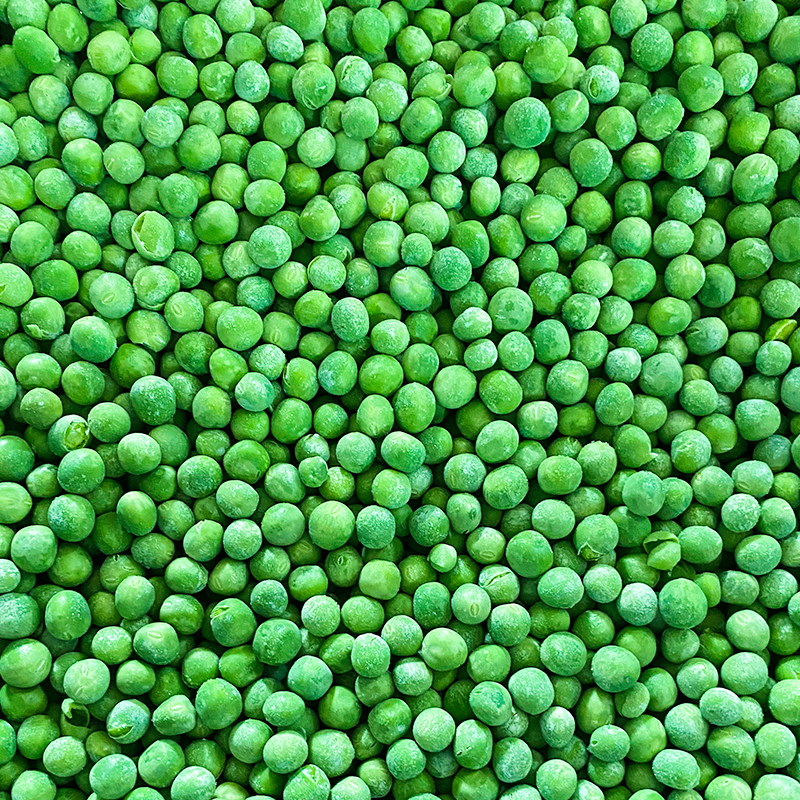
- Peas — Frozen: As soon as peas are picked, their sugars convert to starch rapidly. Peas that are frozen at maximum ripeness maintain their sweetness without turning grainy or bland, while canned peas are nutritionally comparable but become soft and lose the quality that makes peas enjoyable as a standalone side dish.
- Tomatoes — Canned: Canned tomatoes are the definitive example of a vegetable that improves through heat processing. The canning process increases lycopene bioavailability and develops deeper, richer flavor that is particularly suited to sauces, soups, stews, and braises. Registered dietitian Stoler quoted by PureWow recommends canned corn as the best way to keep that vegetable on hand year-round without additives.
- Green Beans — Frozen for serving solo, Canned for cooked dishes: Frozen green beans retain a snappier texture that makes them preferable as a side dish. For casseroles, stews, or dishes where texture is secondary to flavor integration, canned green beans work equally well and are more convenient, according to PureWow's nutritionist analysis.
- Carrots — Canned (cost-benefit basis): Because carrots are very dense, they lose nutrients at a slower rate than other vegetables. Despite the heat of canning, carrots retain vitamins A and E well. When cost and shelf life are factored in, canned carrots represent strong value, though frozen carrots are equally nutritious and may contain less sodium.
- Corn — Canned: Canned corn keeps the vegetable available year-round, and as long as there are no additives, its nutritional profile remains intact. PureWow specifically recommends no-additive canned corn as the best pantry staple form of the vegetable.
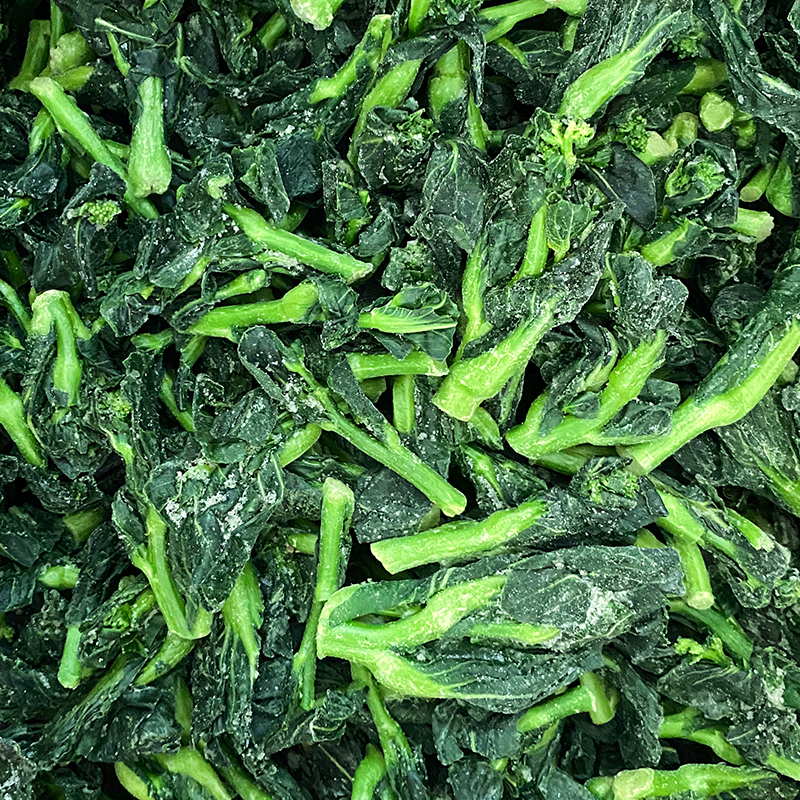
- Broccoli, Spinach, Mixed Stir-Fry Blends — Frozen: These high-moisture leafy or floret vegetables become very soft and lose their textural appeal during canning. Frozen versions retain far better texture and a color and flavor profile closer to fresh, making them the clear choice when texture matters or vegetables will be used in dishes where visual appeal is relevant.
The Case for a Hybrid Pantry: Using Both Together
The most nutritionally sound and practically efficient approach is not choosing canned vs frozen vegetables as an either-or decision, but building a hybrid pantry that uses each format where it genuinely excels. CookBuddyGuide's culinary analysis recommends using fresh vegetables for salads and roasting where texture is the star, frozen vegetables for daily smoothies, stir-fries, and side dishes to lock in nutrients and save money, and canned vegetables as a reliable backup for hearty soups, stews, and sauces.
This approach also directly addresses one of the most significant contributors to household food waste: the average American family throws away nearly 30% of the groceries they buy, according to CookBuddyGuide. Frozen vegetables reduce this waste because users can take out exactly what they need — a handful of peas for one recipe, a cup of corn for another — while the rest stays preserved in the freezer. Canned vegetables address a different wasteful scenario: the evenings when fresh produce has already run out and a store trip is not possible.
How to Choose the Healthiest Canned and Frozen Vegetables
The single most important action when selecting either canned or frozen vegetables is reading the ingredient list and nutrition label, since both formats can contain significantly elevated sodium, added sugar, or added fat depending on the product variety.
What to Look for on Canned Vegetable Labels
- Look for "no salt added" or "reduced sodium" on the label; some canned products already meet FDA low-sodium criteria (140 mg or less per serving).
- Drain and rinse the contents before use to further reduce residual sodium from the packing liquid, particularly for beans, corn, and canned vegetables in brine.
- Check for added preservatives or sweeteners; plain canned vegetables should contain only the vegetable, water, and possibly salt — nothing more.
What to Look for on Frozen Vegetable Labels
- Choose plain frozen vegetables with only the vegetable listed as an ingredient; avoid "steam-in-bag" or seasoned varieties unless you have verified that sodium, fat, and calorie levels are acceptable for your diet.
- Vegetables frozen with added sauces and seasonings usually contain excess sodium and calories, as confirmed by the American Heart Association.
- Check for no added sugars in frozen fruit products, and choose versions packaged without added syrup, juice concentrate, or sweetener.
Frequently Asked Questions: Canned vs Frozen Vegetables
Q: Are canned and frozen vegetables as nutritious as fresh?
Yes, in most nutritional categories. The 2025 ScienceDirect review of the published scientific literature concluded that canned and frozen fruits and vegetables are nutritionally comparable to fresh produce, and both formats are explicitly included in dietary guidelines from the American Heart Association and USDA as valid and healthy options. The "fresh is best" narrative is described by multiple nutrition researchers as scientifically inaccurate when applied to produce that has spent days in transit and storage. The nutritionist Amy Keating of Consumer Reports summed it up directly: "Fruits and vegetables are packed with nutrients, and that doesn't change when they are frozen."
Q: Does rinsing canned vegetables actually reduce sodium meaningfully?
Yes. Research presented at the Institute of Food Technologists Conference specifically on canned beans showed that draining and rinsing can measurably reduce sodium content. The American Heart Association recommends this step routinely for canned vegetables, beans, and legumes. Combined with choosing no-salt-added or reduced-sodium varieties, rinsing makes the sodium concern with canned vegetables largely manageable for most dietary contexts.
Q: Which format is better for weight management or calorie control?
Plain frozen and plain no-salt-added canned vegetables are both very low in calories and high in fiber, making either suitable for weight management. The key distinction is to choose plain versions of both — avoiding sauced, seasoned, or cream-based frozen vegetable packets, and avoiding canned vegetables packed in brine or flavored liquid that adds unnecessary sodium and sometimes fat. PureWow's nutritionist Stoler noted directly that "canned and frozen are equal from a health standpoint," with the main variables being sodium and other added ingredients in the specific product chosen, not the format itself.
Q: Do canned vegetables actually expire after the date on the label?
The date printed on most canned goods is a best-quality date rather than a strict safety deadline. According to Green Plate Pursuits, canned goods can remain safe to eat for up to five years after the stated expiration date, provided the can remains physically intact (no dents, rust, or swelling) and has been stored in a cool, dry place. The canning process kills bacteria and microorganisms through heat, and a properly sealed can provides a stable, sterile environment. Quality and texture may decline over extended storage, but safety is not typically compromised in an undamaged can.
Q: Is one format more environmentally sustainable than the other?
Both formats have environmental considerations that cut in different directions. Canned vegetables require room-temperature storage, eliminating the continuous electricity use of a freezer, but the canning process itself is energy-intensive and cans require significant material and recycling infrastructure. Frozen vegetables require ongoing freezer energy throughout the supply chain and at home, but food waste is significantly lower since portions are individually controllable. Both formats are more sustainable in terms of food waste than fresh produce, since the average American household wastes nearly 30% of the fresh groceries it purchases, according to CookBuddyGuide, a problem that neither format replicates at the same scale.
Summary: Canned vs Frozen Vegetables — The Verdict
The debate between canned vs frozen vegetables does not have a single winner because both formats are nutritionally sound, affordable, and far more practical than relying solely on fresh produce. Peer-reviewed research published in the Journal of the Science of Food and Agriculture, Nutrients, and reviewed in ScienceDirect consistently confirms that both canned and frozen vegetables deliver nutrient profiles comparable to fresh produce, with frozen having the edge for water-soluble vitamins C and B, and canned having the edge for antioxidant bioavailability, shelf life, room-temperature storage, and cost per serving.
The most practical framework is to use frozen vegetables where texture, vitamin C content, and portion flexibility matter most — stir-fries, side dishes, smoothies, and quick weeknight cooking — and to rely on canned vegetables where long shelf life, zero storage infrastructure, cost efficiency, and ready-to-use convenience are the priority, particularly in soups, stews, casseroles, and emergency pantry situations. In the words of nutritionist Stoler as quoted by PureWow: "Whatever vegetables people are able and willing to eat, they should. Your cells don't care how they were stored, just as long as you eat them."