

 English
 中文简体
中文简体 日本語
日本語
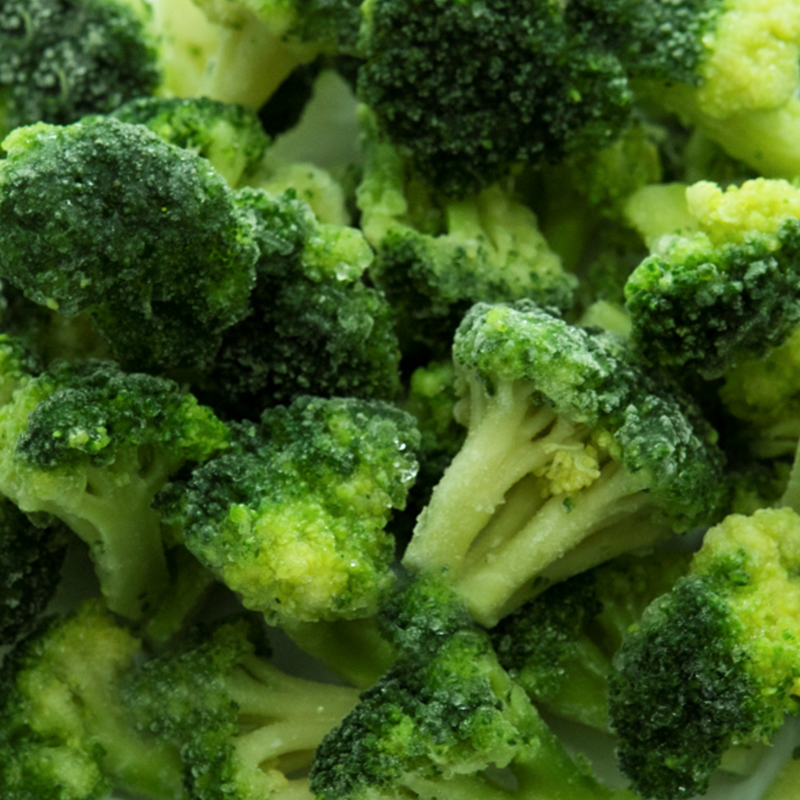
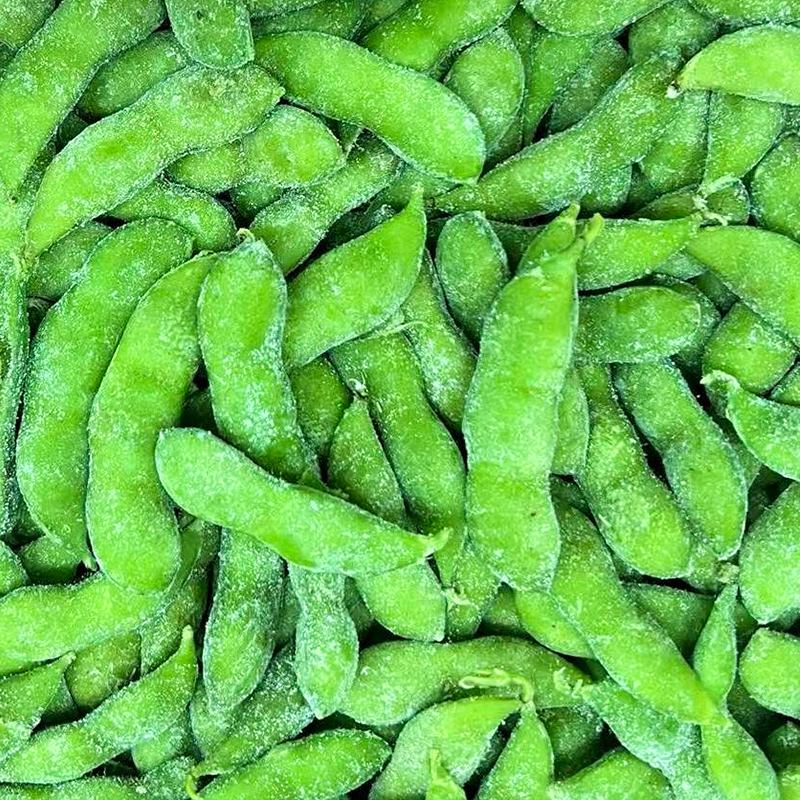
Yes, frozen vegetables are good for you — in many cases, they are just as nutritious as fresh vegetables and sometimes even more so. Because most frozen vegetables are blanched and flash-frozen within hours of harvest, they retain the majority of their vitamins, minerals, and antioxidants at peak ripeness. For millions of households, frozen vegetables offer an affordable, convenient, and nutritionally sound way to meet the recommended daily intake of 2.5 to 3 cups of vegetables per day set by the USDA Dietary Guidelines.
Content
- What Happens to Vegetables When They Are Frozen?
- Are Frozen Vegetables as Nutritious as Fresh Vegetables?
- Frozen vs. Fresh vs. Canned Vegetables: A Nutritional Comparison
- Which Nutrients Are Best Preserved in Frozen Vegetables?
- Health Benefits of Eating Frozen Vegetables Regularly
- Nutritional Profile of the Most Popular Frozen Vegetables
- Are There Any Downsides to Eating Frozen Vegetables?
- How to Cook Frozen Vegetables for Maximum Nutrition
- Are Frozen Vegetables Good for Weight Loss?
- Frequently Asked Questions About Frozen Vegetables
- Q: Are frozen vegetables processed food?
- Q: Can you eat frozen vegetables every day?
- Q: Do frozen vegetables have more sugar than fresh?
- Q: Are frozen vegetables safe for children?
- Q: How long can frozen vegetables be stored?
- Q: Are frozen vegetables good for diabetics?
- Q: Is it better to steam or microwave frozen vegetables?
- Final Verdict: Are Frozen Vegetables Good for You?
What Happens to Vegetables When They Are Frozen?
Freezing preserves vegetables by halting the enzymatic and microbial activity that causes spoilage and nutrient degradation. Commercially frozen vegetables go through a precise process: they are harvested at peak ripeness, washed, cut, briefly blanched in hot water or steam to deactivate enzymes, then rapidly frozen using industrial blast-freezing technology that can drop the internal temperature to -18°C (0°F) within minutes. This flash-freezing process locks in nutrients at the point of maximum nutritional density — a significant advantage over fresh produce that may spend days or weeks in transit and on store shelves before reaching your plate.
The blanching step, while necessary, does cause a modest reduction in certain water-soluble vitamins, particularly vitamin C and some B vitamins. However, research consistently shows that this initial loss is often smaller than the ongoing nutrient degradation that fresh vegetables undergo during storage and transportation.
Are Frozen Vegetables as Nutritious as Fresh Vegetables?
Frozen vegetables are nutritionally comparable to fresh vegetables, and in several well-documented cases, they surpass fresh vegetables that have been stored for several days. A landmark study published in the Journal of Food Composition and Analysis (2017) analyzed 40 forms of eight commonly consumed vegetables and fruits over a three-day storage period. The researchers found that frozen produce had equal or higher nutrient content than fresh produce in over 50% of the comparisons made across vitamins A, C, and folate.
A key reason for this is the concept of the "fresh-is-best" misconception. The term "fresh" at the supermarket often means the vegetables were harvested 5 to 14 days before purchase. During this period, they are exposed to light, heat, and oxygen — all of which accelerate nutrient loss. Spinach, for example, can lose up to 50% of its folate content within 8 days of harvest at room temperature. Frozen spinach, by contrast, retains the vast majority of its folate because freezing halts these degradation pathways immediately after harvest.
Frozen vs. Fresh vs. Canned Vegetables: A Nutritional Comparison
When comparing frozen vegetables to fresh and canned alternatives, frozen consistently ranks as the most nutritionally preserved option after truly garden-fresh produce (harvested and eaten the same day).
| Factor | Garden Fresh (same day) | Supermarket Fresh | Frozen | Canned |
| Nutrient Retention | Highest | Moderate to Low | High | Low to Moderate |
| Vitamin C Preservation | 100% | 50–75% after 5 days | 70–90% post-blanch | 25–50% |
| Fiber Content | Intact | Intact | Intact | Intact (but softer) |
| Sodium Content | Natural (very low) | Natural (very low) | Low (plain) | High (unless labeled no-salt) |
| Shelf Life | 1–5 days | 3–7 days | 8–12 months | 1–5 years |
| Average Cost per Serving | Varies (seasonal) | Medium to High | Low | Very Low |
| Added Preservatives | None | None | None (plain) | Salt, citric acid |
Table 1: Nutritional and practical comparison of garden-fresh, supermarket-fresh, frozen, and canned vegetables across key health and convenience factors.
Which Nutrients Are Best Preserved in Frozen Vegetables?
Fat-soluble vitamins, minerals, and dietary fiber are exceptionally well preserved in frozen vegetables. Unlike water-soluble vitamins (such as vitamin C and folate, which are vulnerable to heat and water during blanching), fat-soluble nutrients like vitamin A, vitamin E, vitamin K, and beta-carotene are largely unaffected by the freezing process. Minerals such as potassium, magnesium, calcium, and iron are also retained in very high amounts since they are not susceptible to heat or oxidation in the way vitamins are.
Nutrients Highly Preserved in Frozen Vegetables
- Vitamin A and Beta-Carotene: Found in abundance in frozen peas, carrots, and sweet corn. Beta-carotene is a potent antioxidant that the body converts to vitamin A, critical for vision, immune function, and skin health. Freezing causes negligible loss of beta-carotene.
- Vitamin K: Present in high levels in frozen spinach, broccoli, and kale. Essential for blood clotting and bone metabolism, vitamin K is fat-soluble and withstands both blanching and freezing with minimal degradation.
- Dietary Fiber: Frozen vegetables retain the same amount of dietary fiber as their fresh counterparts. A 100g serving of frozen broccoli provides approximately 2.6g of dietary fiber — identical to fresh broccoli — which supports digestive health, regulates blood sugar, and contributes to satiety.
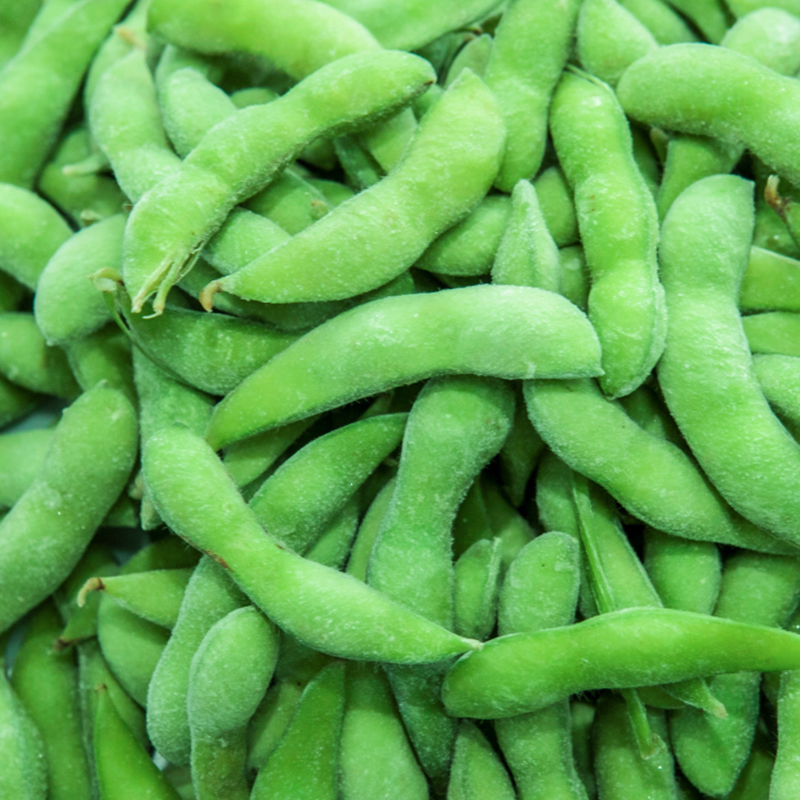
- Potassium: An essential electrolyte for heart and muscle function, potassium is fully preserved through freezing. Frozen edamame contains approximately 436mg of potassium per 100g serving.
- Antioxidants (Polyphenols, Flavonoids): Research published in the Journal of Agricultural and Food Chemistry found that certain antioxidants, including lutein and zeaxanthin in frozen peas and corn, are preserved at levels equal to or greater than in fresh-stored produce.
Nutrients Partially Affected by Blanching and Freezing
- Vitamin C: Water-soluble and heat-sensitive, vitamin C can be reduced by 10–30% during blanching. However, given that fresh vegetables lose comparable or greater amounts during refrigerated storage (broccoli loses roughly 23% of its vitamin C after just three days in the fridge), frozen still represents a solid source.
- Folate (Vitamin B9): Also water-soluble, folate is partially lost during blanching but remains meaningfully present in frozen spinach, peas, and edamame — all of which are among the richest dietary sources of folate available year-round.
- Thiamine (Vitamin B1): Can experience modest losses during blanching, particularly in green vegetables. Overall frozen vegetables still contribute meaningfully to thiamine intake as part of a balanced diet.
Health Benefits of Eating Frozen Vegetables Regularly
Regularly eating frozen vegetables supports heart health, weight management, digestive function, immune defense, and long-term disease prevention. Because frozen vegetables make it easier and more affordable to consume a diverse range of vegetables year-round, they play a practical and important role in maintaining a balanced, nutrient-rich diet.
1. Support for Heart Health
Frozen vegetables are rich in potassium, magnesium, and dietary fiber — three nutrients strongly associated with cardiovascular health. A meta-analysis published in Circulation (2021) found that each additional daily serving of vegetables was associated with a 4% reduction in cardiovascular disease risk. Potassium, in particular, helps counteract the blood-pressure-raising effects of sodium, while soluble fiber from vegetables like frozen peas and edamame reduces LDL cholesterol levels.
2. Weight Management and Satiety
Frozen vegetables are low in calories and high in volume, making them one of the most effective foods for managing portion sizes without reducing satiety. A 200g serving of frozen broccoli, for instance, contains only approximately 70 calories while providing 5.2g of fiber and 5.8g of protein — a combination that promotes fullness and reduces overall caloric intake. Incorporating frozen vegetables into meals as the primary component — rather than a side — is a simple, evidence-supported strategy for maintaining a healthy weight.
3. Blood Sugar Regulation
Most non-starchy frozen vegetables (such as spinach, broccoli, green beans, and mixed peppers) have a very low glycemic index (GI of under 15), meaning they cause minimal spikes in blood glucose levels. The high fiber content further slows glucose absorption. A 2020 review in Nutrients journal concluded that higher vegetable intake — regardless of whether fresh or frozen — was significantly associated with a reduced risk of type 2 diabetes.
4. Immune System Support
Frozen vegetables are a reliable year-round source of vitamins C, A, and E — all of which play key roles in maintaining immune function. Vitamin C stimulates white blood cell production and acts as an antioxidant against oxidative stress. Vitamin A supports the integrity of mucosal barriers (such as in the gut and respiratory tract), which are the body's first line of defense against pathogens. A 100g serving of frozen red bell pepper retains approximately 95–127mg of vitamin C, exceeding the daily recommended intake for adults.
5. Gut Health and Digestive Function
The dietary fiber in frozen vegetables feeds beneficial gut bacteria and promotes regular bowel movements. Prebiotic fibers found in frozen vegetables like artichoke hearts, asparagus, and green peas specifically encourage the growth of Lactobacillus and Bifidobacterium species — bacteria associated with reduced inflammation, improved mood, and stronger immune responses. Adults should aim for 25–38g of dietary fiber per day according to the Academy of Nutrition and Dietetics; frozen vegetables are a practical way to help meet this target.
Nutritional Profile of the Most Popular Frozen Vegetables
Different frozen vegetables offer distinct nutritional strengths, and combining a variety of them ensures broad micronutrient coverage. The table below shows the approximate nutritional content per 100g serving of common frozen vegetables (cooked, without added salt or sauces).
| Vegetable | Calories | Fiber (g) | Protein (g) | Key Nutrient |
| Broccoli | 35 | 2.6 | 2.9 | Vitamin C, Vitamin K |
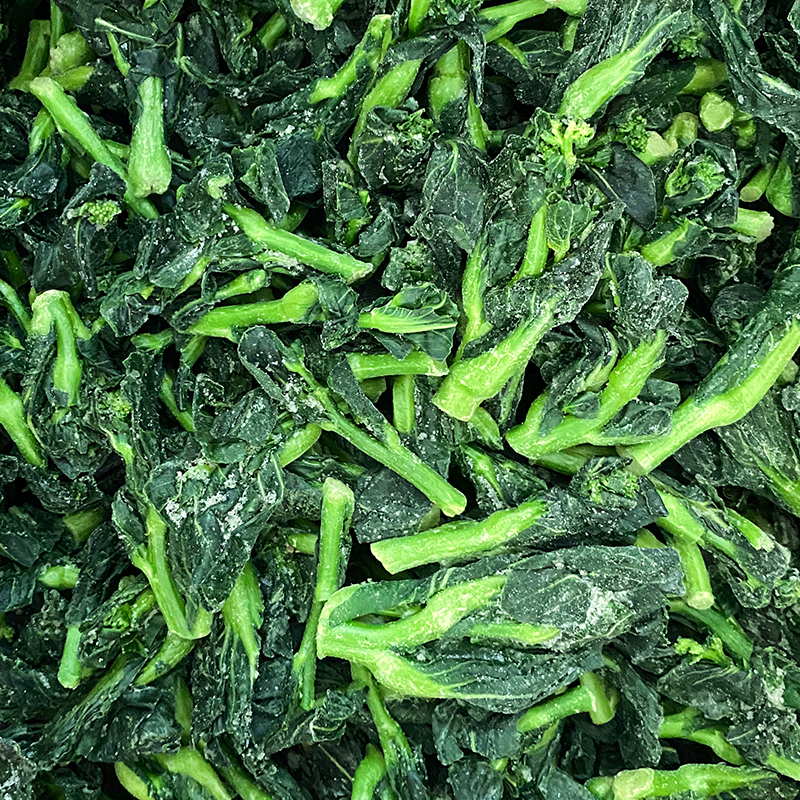
| Spinach | 23 | 2.4 | 2.9 | Folate, Iron, Vitamin A |
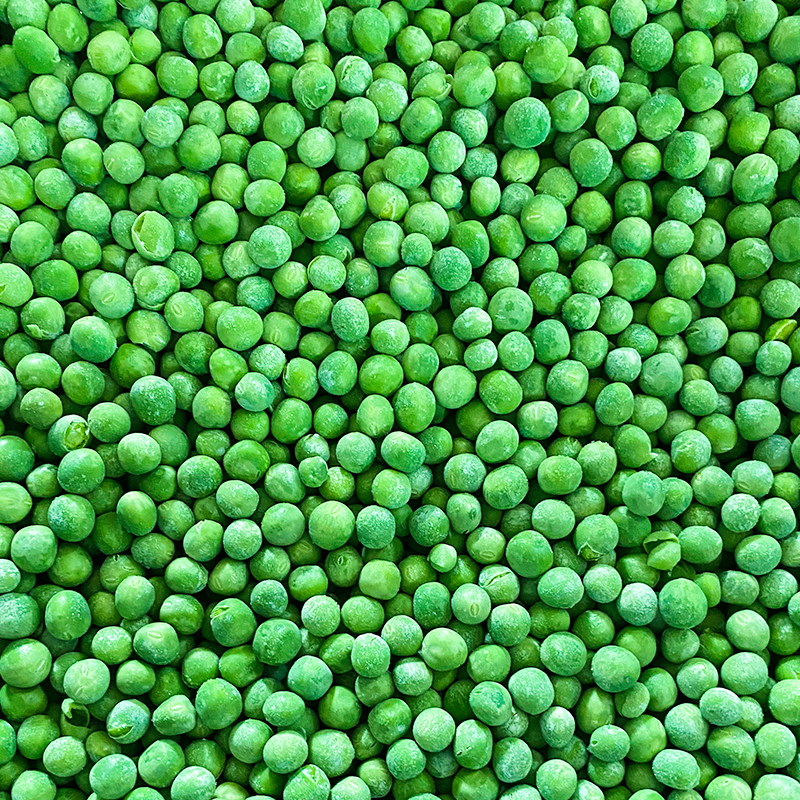
| Peas | 81 | 5.5 | 5.4 | Folate, Vitamin K, Thiamine |
| Edamame | 121 | 5.2 | 11.9 | Protein, Potassium, Folate |
| Carrots | 35 | 2.8 | 0.8 | Beta-Carotene, Vitamin A |
| Green Beans | 31 | 2.7 | 1.8 | Vitamin C, Vitamin K |
| Sweet Corn | 86 | 2.4 | 3.3 | Lutein, Zeaxanthin, B vitamins |
| Kale | 28 | 2.0 | 1.9 | Vitamin K, Vitamin C, Calcium |
Table 2: Approximate nutritional content per 100g serving of common frozen vegetables, cooked without added salt or sauces. Values based on USDA FoodData Central.
Are There Any Downsides to Eating Frozen Vegetables?
Plain frozen vegetables have very few nutritional downsides, but there are some important considerations depending on the product and preparation method.
Watch Out for Sauces and Seasonings
The primary nutritional concern with frozen vegetables is not the vegetables themselves but the added ingredients in many packaged products. Frozen vegetables sold with pre-made sauces, cheese coatings, butter flavorings, or seasoning blends can contain substantial amounts of added sodium (sometimes exceeding 400–600mg per serving), saturated fat, and added sugars. Always read the ingredient list. The healthiest choice is always plain, unseasoned frozen vegetables with a single ingredient: the vegetable itself.
Texture Changes After Freezing
Freezing causes ice crystals to form within the cell walls of vegetables, which can result in a softer, sometimes mushier texture after cooking — particularly in high-water-content vegetables like zucchini, cucumbers, and lettuce (which are generally not sold frozen for this reason). This texture change is purely cosmetic and does not affect nutritional value, but it may affect the culinary applications for which the vegetable is best suited. Frozen broccoli, peas, and edamame, for instance, hold their texture much better than frozen celery or tomatoes.
Potential for Freezer Burn
Freezer burn occurs when vegetables are exposed to air in the freezer, causing dehydration and oxidation of the surface. While freezer-burned vegetables are still safe to eat, they can have an off taste, dry texture, and slightly reduced nutritional quality. To prevent freezer burn, store opened bags of frozen vegetables in airtight containers or resealable freezer bags, and use within the recommended storage window (typically 8–12 months from the packaging date).
How to Cook Frozen Vegetables for Maximum Nutrition
Steaming is the best cooking method for retaining nutrients in frozen vegetables, followed by stir-frying and microwaving. Boiling causes the most significant nutrient loss because water-soluble vitamins leach out into the cooking water.
| Cooking Method | Nutrient Retention | Time | Best For |
| Steaming | Excellent (90–95%) | 4–8 min | All vegetables |
| Microwaving (with minimal water) | Very Good (85–90%) | 2–5 min | Peas, corn, broccoli |
| Stir-Frying | Good (80–88%) | 3–7 min | Mixed vegetables, edamame |
| Roasting (oven) | Good (75–85%) | 15–25 min | Carrots, broccoli, cauliflower |
| Boiling (in water) | Poor (50–70%) | 3–8 min | Soups and stews only |
Table 3: Nutrient retention rates by cooking method for frozen vegetables. Estimates are based on peer-reviewed food science literature.
Additional tips for maximizing nutrition when cooking frozen vegetables:
- Cook frozen vegetables from frozen — do not thaw first unless required by the recipe, as thawing and then cooking doubles the heat exposure and accelerates nutrient loss.
- Use the smallest amount of water necessary; the more water used, the more water-soluble vitamins leach out.
- If boiling, consider using the cooking water in soups or sauces to recover some of the vitamins that have dissolved into it.
- Avoid overcooking — bright color in cooked vegetables generally indicates that cellular integrity and nutrient content are still intact. Dull, gray-green vegetables have been overcooked.
- Add healthy fats (olive oil, avocado, nuts) when serving fat-soluble vegetables like carrots, spinach, or kale — fat significantly improves the absorption of vitamins A, E, and K.
Are Frozen Vegetables Good for Weight Loss?
Yes, frozen vegetables are excellent for weight loss because they are low in calories, high in fiber, and extraordinarily filling per calorie consumed. Most non-starchy frozen vegetables contain between 20–85 calories per 100g, while delivering 2–5g of dietary fiber that slows digestion and prolongs feelings of fullness. A diet built around frozen vegetables, lean proteins, and whole grains can easily maintain a caloric deficit while meeting all micronutrient requirements.
A practical weight management strategy used by many dietitians is the "half-plate rule" — filling at least half of every meal plate with non-starchy vegetables, which can largely be sourced from the freezer at minimal cost. At an average retail price of $1.50–$2.50 per 500g bag in the US, frozen vegetables are one of the most cost-efficient nutrient-dense foods available, making healthy eating sustainable for a wide range of budgets.
Frequently Asked Questions About Frozen Vegetables
Q: Are frozen vegetables processed food?
Plain frozen vegetables are considered minimally processed food, not ultra-processed food. According to the NOVA food classification system — the most widely cited framework for food processing levels in nutrition research — plain frozen vegetables with no added salt, sugar, or additives fall into Group 1 (unprocessed or minimally processed foods). Only frozen vegetable products with added sauces, preservatives, or artificial flavors move into higher processing categories.
Q: Can you eat frozen vegetables every day?
Yes — eating frozen vegetables daily is both safe and beneficial as part of a balanced diet. Dietary guidelines from major health organizations, including the World Health Organization and the American Heart Association, recommend consuming a variety of vegetables daily, and frozen vegetables fully qualify. Rotating between different types of frozen vegetables ensures you receive a broad spectrum of vitamins, minerals, and phytonutrients rather than over-relying on a single vegetable.
Q: Do frozen vegetables have more sugar than fresh?
No — plain frozen vegetables contain the same natural sugar content as their fresh equivalents. The natural sugars found in vegetables like peas and corn are present in tiny amounts and have a minimal effect on blood sugar, especially given the high fiber content that slows absorption. Added sugar is only a concern in frozen vegetable products that include seasoning mixes or sauces; always check the nutrition label for "added sugars" if this is a concern.
Q: Are frozen vegetables safe for children?
Frozen vegetables are entirely safe and highly recommended for children. They offer the same nutrition as fresh vegetables and are often more practical for busy households. Because they are pre-cut and quick to cook, frozen vegetables are an efficient way to increase children's vegetable consumption. Softer textures after cooking can also make vegetables more appealing for younger children or picky eaters. The American Academy of Pediatrics includes frozen vegetables as an acceptable and nutritious component of a healthy childhood diet.
Q: How long can frozen vegetables be stored?
Most frozen vegetables maintain peak quality for 8 to 12 months when stored at a consistent 0°F (-18°C). After this window, they remain safe to eat but may experience some decline in texture and flavor. The USDA notes that foods kept constantly frozen at 0°F are safe indefinitely from a food safety standpoint, though quality is best within the recommended timeframe. Always check for the "best by" date on the packaging for guidance.
Q: Are frozen vegetables good for diabetics?
Yes — most plain frozen vegetables are excellent for people with diabetes or insulin resistance. Non-starchy frozen vegetables (broccoli, spinach, green beans, peppers, cauliflower) have very low glycemic index values and high fiber content, both of which support blood glucose management. Even slightly higher-carbohydrate frozen vegetables like peas and corn are appropriate in moderate portions. The key is to avoid frozen vegetable products with added sauces containing sugar or refined starch.
Q: Is it better to steam or microwave frozen vegetables?
Both steaming and microwaving are excellent choices that preserve the majority of nutrients. Steaming retains slightly more water-soluble vitamins (90–95%) compared to microwaving (85–90%), but the difference is small in practice. Microwaving is faster and equally convenient — a 2013 study in the Journal of Food Science found that microwaved broccoli retained significantly more vitamin C than boiled broccoli (74% vs. 34%). For the home cook, microwaving with minimal water in a covered dish is a perfectly nutritious and practical cooking method for frozen vegetables.
Final Verdict: Are Frozen Vegetables Good for You?
Frozen vegetables are unambiguously good for you — they are a nutritious, affordable, convenient, and sustainable way to meet daily vegetable requirements. The science clearly shows that plain frozen vegetables preserve the vast majority of their vitamins, minerals, antioxidants, and fiber. In many real-world scenarios, they are nutritionally superior to "fresh" supermarket vegetables that have been in transit and refrigerated storage for days.
The most important rule is simple: choose plain frozen vegetables with no added salt, sugar, or sauces. Steam or microwave rather than boil. Eat a wide variety across different vegetable types to cover the full spectrum of micronutrients. Whether you are managing your weight, supporting heart health, improving gut function, or simply trying to eat more vegetables on a busy schedule, frozen vegetables are one of the most practical and evidence-backed foods you can regularly include in your diet.