

 English
 中文简体
中文简体 日本語
日本語
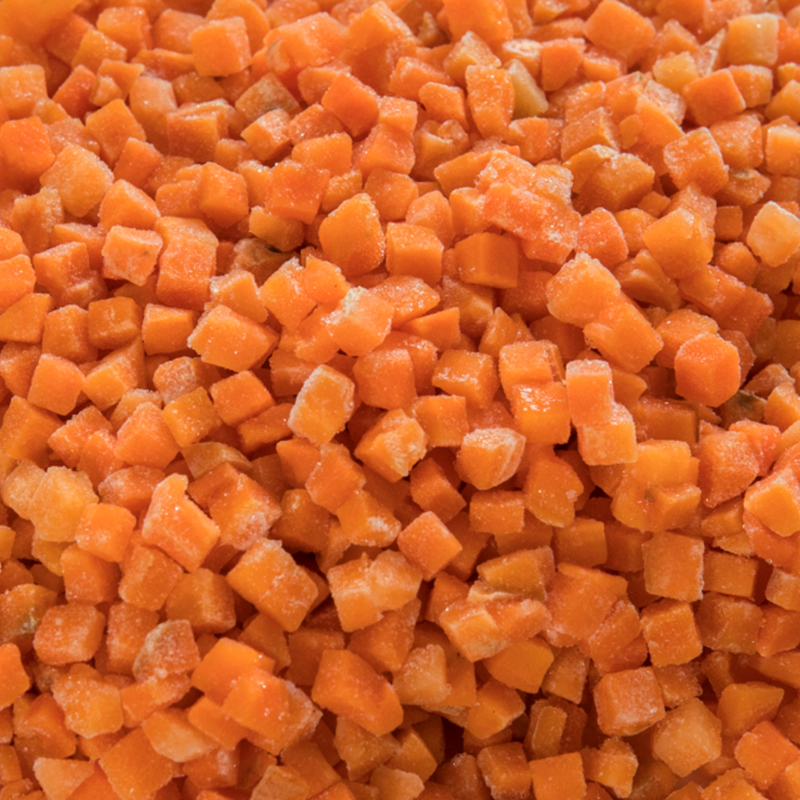
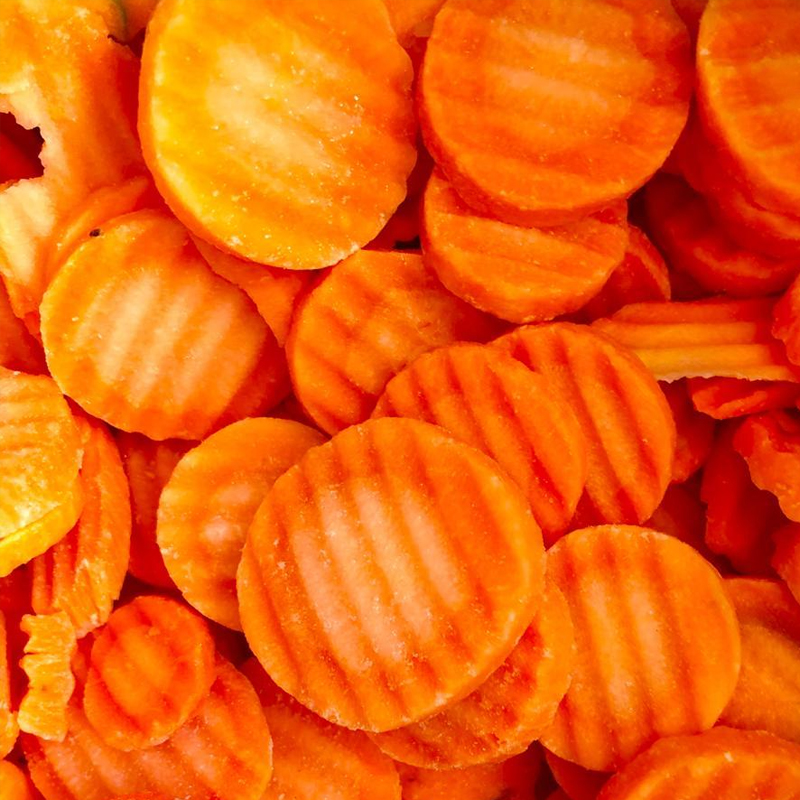
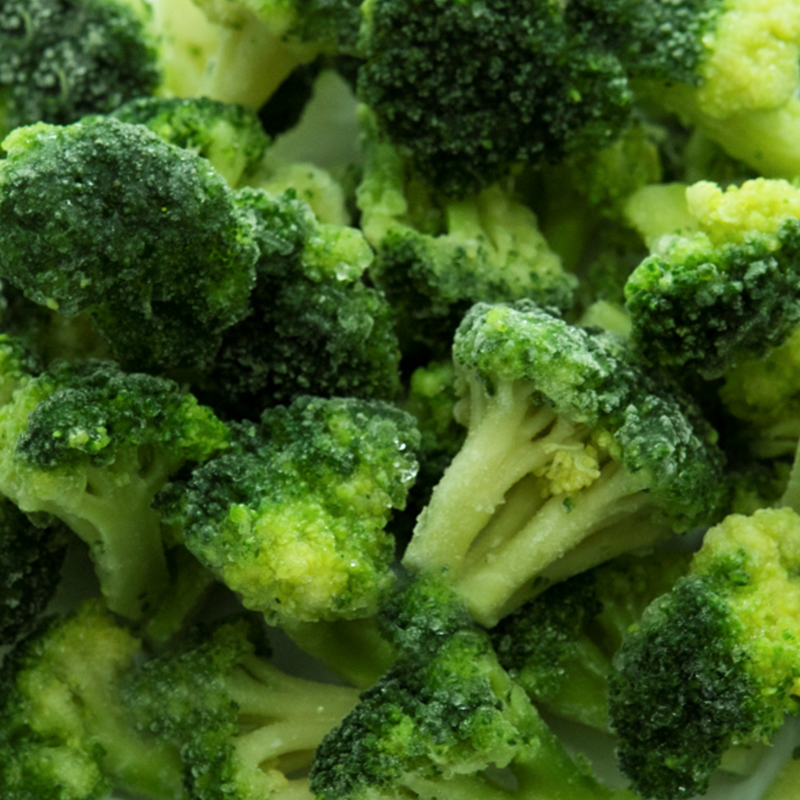
Add frozen vegetables to soup during the last 5 to 15 minutes of cooking — not at the beginning. Because frozen vegetables are already blanched and partially cooked during the freezing process, they need far less time in the pot than raw vegetables. Adding them too early causes them to become waterlogged, mushy, and flavorless. The exact timing depends on the type and size of the vegetable: small or delicate vegetables like peas and corn go in during the final 3 to 5 minutes, while denser frozen vegetables like butternut squash or whole green beans need 10 to 15 minutes. This guide breaks down precise timing for every common frozen vegetable, explains the science behind why timing matters so much, and answers the most frequently asked questions about cooking frozen vegetables in soup.
Content
- Why Timing Matters When Adding Frozen Vegetables to Soup
- The General Rule: When to Add Frozen Vegetables to Soup
- Exact Timing: When to Add Each Frozen Vegetable to Soup
- Frozen vs. Fresh vs. Canned Vegetables in Soup: Timing Comparison
- Should You Thaw Frozen Vegetables Before Adding Them to Soup?
- Timing Frozen Vegetables in Different Types of Soup
- How Adding Frozen Vegetables Affects Soup Broth Temperature
- Nutritional Value of Frozen Vegetables in Soup
- Tips for Getting the Best Results with Frozen Vegetables in Soup
- Quick Reference: When to Add Frozen Vegetables by Soup Type
- Frequently Asked Questions
- Q: Can you add frozen vegetables to soup from the beginning?
- Q: Do frozen vegetables need to be cooked before adding to soup?
- Q: Why did my frozen vegetables turn mushy in soup?
- Q: How do you add frozen spinach to soup?
- Q: When should you add frozen peas to soup?
- Q: Can you add a frozen vegetable medley bag directly to soup?
- Q: Are frozen vegetables as good as fresh in homemade soup?
- Conclusion: Timing Is Everything
Why Timing Matters When Adding Frozen Vegetables to Soup
The timing of when you add frozen vegetables to soup is the single most important factor in determining whether they retain their texture, color, and nutritional value — or turn into an unappetizing mush.
All commercially frozen vegetables undergo a process called blanching before they are frozen. Blanching involves briefly boiling or steaming the vegetables for 1 to 3 minutes, then plunging them into ice water to halt the cooking process. This step deactivates the enzymes responsible for color degradation and flavor loss during freezing, and it partially cooks the vegetable tissue in the process.
As a result, frozen vegetables arrive in your kitchen already partially cooked. When you add them to a simmering pot of soup, they are not starting from scratch the way raw vegetables are — they are resuming a cooking process that is already well underway. A frozen pea that needs only 3 minutes of cooking time in a pot of boiling water will become soft and dull-colored after 15 minutes of simmering in soup. A frozen carrot slice that needs 8 minutes will disintegrate after 30 minutes.
Beyond texture, timing also affects nutritional retention. Water-soluble vitamins — particularly vitamin C and the B vitamins — leach out of vegetables into the cooking liquid over time. Research published in food science journals has found that vegetables cooked for twice as long lose up to 40% more vitamin C than those cooked for the minimum necessary time. Adding frozen vegetables at the right moment preserves both their structure and their nutritional contribution to your soup.
The General Rule: When to Add Frozen Vegetables to Soup
As a general rule, add frozen vegetables to soup during the last 5 to 15 minutes of cooking, depending on their density and size. The soup should already be at a full simmer or gentle boil before the frozen vegetables go in — this ensures that adding cold frozen vegetables does not drop the temperature so significantly that the soup stops cooking properly.
The three-tier framework below covers most scenarios:
- Last 3 to 5 minutes: Small, delicate, or quick-cooking frozen vegetables. Examples include peas, corn kernels, edamame, diced bell peppers, and baby spinach. These vegetables are highly susceptible to overcooking and need only a brief time in the hot soup to heat through completely.
- Last 8 to 12 minutes: Medium-density frozen vegetables. Examples include broccoli florets, cauliflower florets, sliced zucchini, green beans, diced carrots (small), and mixed vegetable medleys. These need enough time to thaw and heat through without becoming soft and structureless.
- Last 12 to 18 minutes: Dense or large frozen vegetables. Examples include whole Brussels sprouts, large carrot chunks, cubed butternut squash, frozen potato pieces, and whole okra pods. These need more time to reach the center without the exterior becoming overcooked.
Exact Timing: When to Add Each Frozen Vegetable to Soup
The table below provides specific timing recommendations for the most common frozen vegetables added to soup, along with notes on texture goals and warning signs of overcooking.
| Frozen Vegetable | Add Before End of Cooking | Ideal Texture Goal | Overcooking Warning Sign |
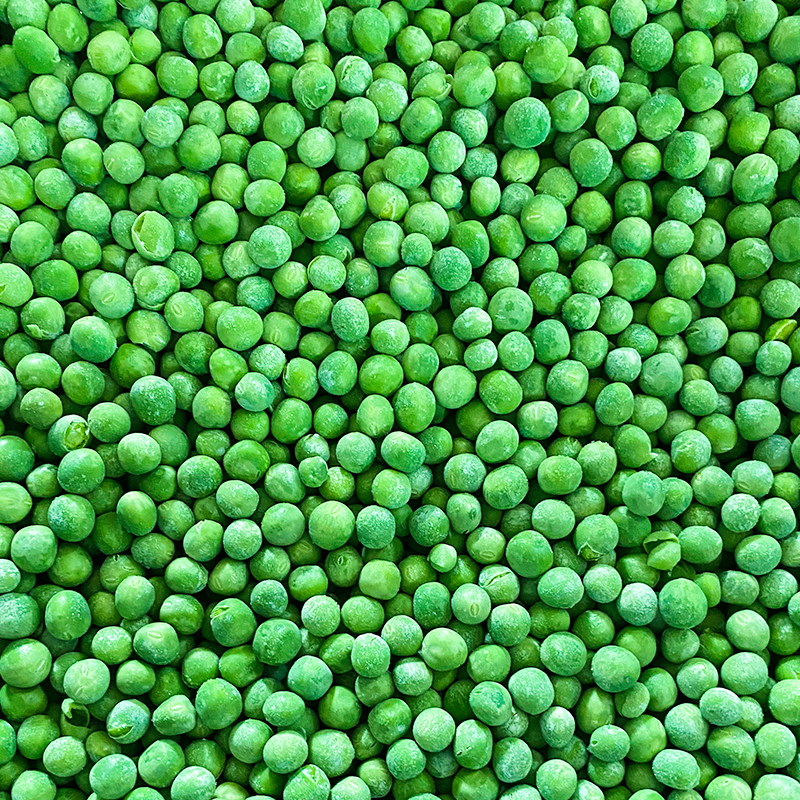
| Green peas | 3 to 5 minutes | Tender, bright green, slight pop | Dull olive color, mushy skin |
| Corn kernels | 3 to 5 minutes | Juicy, golden, firm bite | Shriveled, tough, pale yellow |
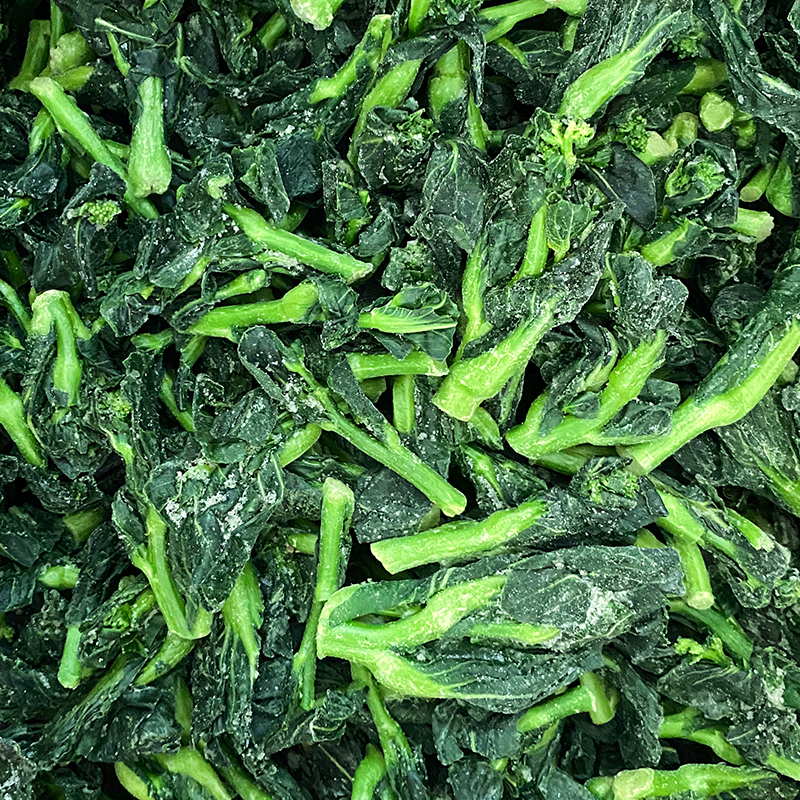
| Spinach (leaf) | 2 to 3 minutes | Wilted but still green | Dark gray-green, slimy |
| Diced bell pepper | 4 to 6 minutes | Soft with slight bite | Completely limp, color fades |
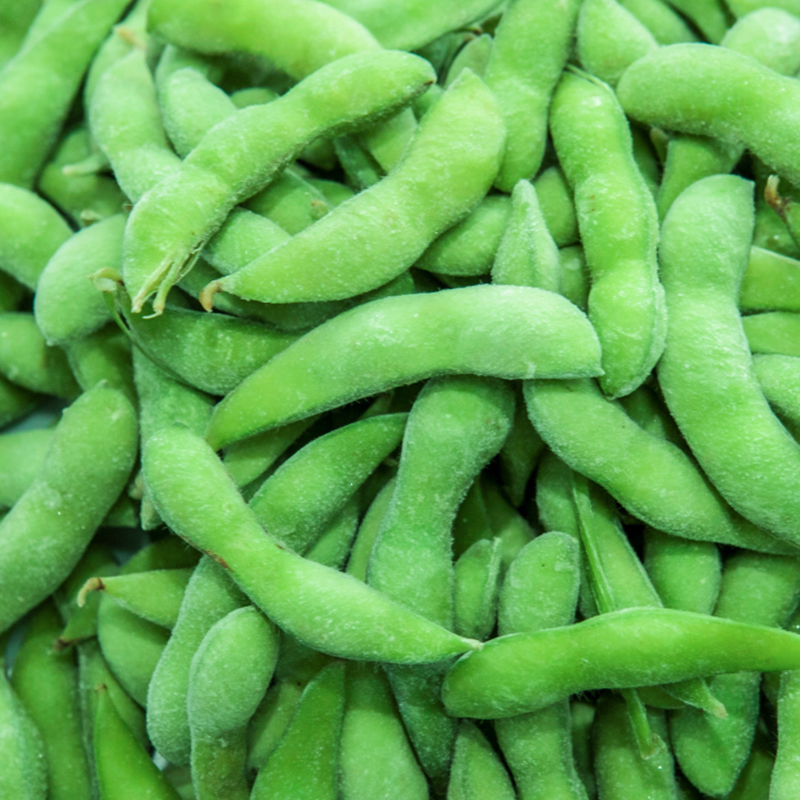
| Edamame (shelled) | 4 to 6 minutes | Tender, bright green, firm | Pale, mealy texture |
| Broccoli florets | 6 to 10 minutes | Tender-crisp, vivid green | Olive color, falling apart |
| Cauliflower florets | 8 to 12 minutes | Tender but holds shape | Disintegrates into broth |
| Green beans (cut) | 8 to 12 minutes | Tender with slight snap | Stringy, dull khaki color |
| Sliced carrots (small) | 8 to 12 minutes | Fork-tender, orange and firm | Mushy, loses shape |
| Mixed vegetable medley | 8 to 10 minutes | Each component tender | Peas mush before carrots cook |
| Butternut squash (cubed) | 12 to 18 minutes | Creamy, holds cube shape | Dissolves into broth |
| Brussels sprouts (whole) | 15 to 20 minutes | Tender throughout, slightly firm core | Strong sulfur smell, leaves fall off |
| Okra (whole or sliced) | 10 to 15 minutes | Tender, slight mucilage for thickening | Excessively slimy broth |
| Lima beans | 10 to 15 minutes | Creamy and tender throughout | Skin splits, mealy interior |
| Frozen potato pieces | 12 to 18 minutes | Tender, holds shape | Falls apart, thickens broth heavily |
Table: Recommended timing for adding common frozen vegetables to soup, with ideal texture goals and overcooking warning signs for each.
Frozen vs. Fresh vs. Canned Vegetables in Soup: Timing Comparison
Frozen, fresh, and canned vegetables all require different timing when added to soup because each type has undergone a different degree of pre-processing before it reaches your pot. Using the wrong timing for the wrong type is the most common source of vegetable texture problems in homemade soup.
| Vegetable Type | Pre-Processing | When to Add to Soup | Typical Cook Time in Soup | Texture Risk |
| Fresh raw vegetables | None — fully raw | Early; with base ingredients | 15 to 40 minutes | Low if added early enough |
| Frozen vegetables | Blanched before freezing | Last 5 to 15 minutes | 3 to 18 minutes | High if added too early |
| Canned vegetables | Fully cooked during canning | Last 2 to 5 minutes (heat through only) | 2 to 5 minutes | Very high — already fully cooked |
Table: Comparison of when to add frozen, fresh, and canned vegetables to soup and how the degree of pre-processing affects timing requirements.
Should You Thaw Frozen Vegetables Before Adding Them to Soup?
In most cases, you do not need to thaw frozen vegetables before adding them to soup — adding them directly from frozen is the standard and preferred approach. The heat of the simmering soup will thaw and cook them simultaneously, and adding them frozen actually helps prevent them from becoming overcooked since the thawing phase gives you a brief window of lower internal temperature before they begin absorbing heat fully.
However, there are two specific scenarios where partial thawing before adding is beneficial:
Scenario 1: Very Large or Dense Frozen Pieces
If you are adding very large frozen items — such as whole Brussels sprouts or large cubes of frozen butternut squash — to a soup that is only simmering gently rather than at a rolling boil, the exterior of the vegetable may cook and soften before the interior has fully thawed. In this case, thawing the vegetables for 15 to 20 minutes at room temperature before adding them to the soup helps ensure more even cooking throughout.
Scenario 2: Slow Cooker or Crockpot Soups
When cooking soup in a slow cooker, the low operating temperature — typically 170°F to 280°F (77°C to 138°C) on low and high settings respectively — means that the soup takes much longer to return to a full simmer after frozen vegetables are added. This extended warm-up time at low temperatures can leave frozen vegetables sitting in a bacterial growth temperature zone (40°F to 140°F / 4°C to 60°C) for longer than is ideal from a food safety perspective. For slow cooker soups, either thaw frozen vegetables before adding, or add them during the final 1 hour of cooking on high setting.
Timing Frozen Vegetables in Different Types of Soup
The type of soup you are making directly influences when and how to add frozen vegetables, because different soups have different base cooking times, temperature levels, and final texture goals.
Broth-Based Soups (Chicken Noodle, Minestrone, Vegetable)
Broth-based soups are the most forgiving for adding frozen vegetables. Because the broth maintains a steady simmer temperature, heat transfer to the vegetables is predictable. Follow the timing table above precisely — peas and corn in the last 5 minutes, broccoli and green beans 8 to 10 minutes before serving, and dense vegetables like squash 12 to 15 minutes before serving. If you are adding pasta or rice to the soup, add the frozen vegetables at the same time as or slightly after the starch begins cooking, so both finish simultaneously.
Cream-Based Soups (Cream of Broccoli, Potato Soup, Chowder)
Cream-based soups operate at a slightly lower temperature than broth-based soups because dairy proteins begin to curdle and separate if brought to a full boil. This lower temperature means that frozen vegetables added to a cream soup may need an additional 2 to 3 minutes compared to the same vegetable in a broth-based soup. For creamy soups where the vegetables will be blended, timing is less critical — you simply need the frozen vegetables to be fully soft before blending, which typically takes 15 to 20 minutes in a gentle cream simmer.
Slow Cooker Soups
For slow cooker soups, add most frozen vegetables in the last 30 to 60 minutes of cooking on the low setting, or the last 15 to 30 minutes on the high setting. Extremely delicate vegetables like frozen spinach or frozen peas should go in during the final 15 minutes on low or the final 10 minutes on high. Adding them at the beginning of an 8-hour slow cook will reduce them to an unrecognizable, mushy pulp with virtually no nutritional value remaining.
Pressure Cooker / Instant Pot Soups
For pressure cooker soups, frozen vegetables should almost always be added after pressure cooking is complete — during the sauté phase that follows the pressure release — rather than before. The intense heat and pressure inside a pressure cooker (typically 240°F to 250°F / 115°C to 121°C) will overcook delicate frozen vegetables in seconds. Dense frozen vegetables like cubed squash or large carrot chunks can tolerate brief pressure cooking — no more than 1 to 2 minutes under pressure — but smaller or more delicate vegetables should always be stirred in after the lid is removed and the cooker is returned to sauté mode.
How Adding Frozen Vegetables Affects Soup Broth Temperature
Adding frozen vegetables to a simmering soup temporarily drops the broth temperature, which affects the overall cooking time and the texture of other ingredients already in the pot.
The degree of temperature drop depends on three factors: the volume of frozen vegetables added relative to the volume of soup, the initial temperature of the soup, and the size of the frozen pieces. A small handful of frozen peas added to a large pot of vigorously simmering soup will cause a barely perceptible temperature change. But adding two full cups of large frozen vegetable pieces to a small pot of gently simmering soup can drop the temperature by 15°F to 30°F (8°C to 17°C), temporarily halting the simmer.
To minimize this effect, always bring your soup to a vigorous simmer or gentle boil immediately before adding frozen vegetables. This gives the pot thermal reserve to absorb the cold shock without dropping below the cooking threshold. After adding the vegetables, cover the pot briefly to help the temperature recover more quickly.
Nutritional Value of Frozen Vegetables in Soup
Contrary to common perception, frozen vegetables are nutritionally comparable — and in some cases superior — to fresh vegetables when it comes to their contribution to soup.
This is because commercially frozen vegetables are processed and frozen within hours of harvest, locking in their nutritional content at peak ripeness. Fresh vegetables, by contrast, often spend days or weeks in transit and storage before reaching your kitchen, during which time nutrient degradation occurs continuously. A 2017 study comparing fresh versus frozen vegetables found that frozen peas retained 10% more vitamin C than fresh peas that had been stored for three days in the refrigerator.
What does reduce the nutritional value of frozen vegetables in soup is the cooking time itself — not the fact that they were frozen. This is precisely why adding them at the right moment is so important: properly timed frozen vegetables in soup deliver more vitamins and minerals than improperly timed fresh ones.
Key nutrients in frozen vegetables and how cooking time affects them:
- Vitamin C: Highly heat-sensitive. Losses of 15% to 55% have been measured in vegetables cooked for extended periods. Add vitamin C-rich frozen vegetables (peas, broccoli, bell peppers) at the last possible moment.
- B vitamins (folate, B1, B6): Water-soluble and leach into the cooking broth over time. Since soup broth is consumed along with the vegetables, some of these vitamins are recaptured in the liquid. This makes soup an efficient preparation method for retaining B vitamins compared to boiling and discarding the water.
- Beta-carotene and lycopene: These fat-soluble antioxidants are actually enhanced by cooking — heat breaks down cell walls and makes them more bioavailable. Adding a small amount of olive oil or using a butter-enriched broth will further improve absorption of these compounds.
- Fiber: Not significantly affected by cooking time or temperature. Frozen vegetables retain their fiber content regardless of when they are added to soup.
Tips for Getting the Best Results with Frozen Vegetables in Soup
A few practical techniques separate a soup with perfectly textured frozen vegetables from one with mushy, flavorless additions.
- Add in stages if using a mixed bag: Most frozen vegetable medleys contain a mix of vegetables with different optimal cooking times. For best results, separate the medley by size before adding — put larger pieces in first, then add smaller and more delicate pieces closer to serving time. If the vegetables are too small to easily separate, aim for the timing that suits the smallest, most delicate component in the mix.
- Season after adding frozen vegetables: Frozen vegetables release additional water as they thaw and cook, which dilutes the broth slightly. Taste and adjust seasoning — particularly salt — after the frozen vegetables have been cooking for a few minutes, not before. This prevents over-salting.
- Do not overcrowd the pot: Adding too many frozen vegetables at once creates a significant temperature drop and can cause them to steam and release water unevenly. If using a large quantity of frozen vegetables, add them in two or three batches spaced 1 to 2 minutes apart, allowing the broth temperature to partially recover between additions.
- Break up any clumps before adding: Frozen vegetables that have been stored for a while often clump together. Break up any clumps before adding to the soup so that all pieces cook evenly. Unbroken clumps result in some pieces being overcooked on the outside while the center is still frozen.
- Use frozen vegetables within their best quality date: While frozen vegetables are safe to eat indefinitely when stored at 0°F (-18°C), their texture, color, and flavor quality decline over time. Vegetables stored longer than 12 to 18 months in a home freezer are more likely to become mushy during cooking even when added at the correct time, because extended freezer storage causes ice crystal damage to cell walls.
- Stir gently after adding: Use a gentle stirring motion after adding frozen vegetables to distribute them evenly through the broth without breaking up more delicate pieces like broccoli florets.
Quick Reference: When to Add Frozen Vegetables by Soup Type
The table below summarizes the timing guidelines for adding frozen vegetables across the most common soup-cooking methods, from stovetop to slow cooker to pressure cooker.
| Cooking Method | Delicate Vegetables (peas, corn, spinach) | Medium Vegetables (broccoli, green beans) | Dense Vegetables (squash, Brussels sprouts) |
| Stovetop broth soup | Last 3 to 5 min | Last 8 to 10 min | Last 12 to 18 min |
| Stovetop cream soup | Last 5 to 7 min | Last 10 to 14 min | Last 15 to 20 min |
| Slow cooker (low) | Last 15 to 20 min | Last 30 to 45 min | Last 45 to 60 min |
| Slow cooker (high) | Last 10 to 15 min | Last 20 to 30 min | Last 30 to 45 min |
| Pressure cooker / Instant Pot | After pressure release, saute 2 to 3 min | After pressure release, saute 4 to 6 min | 1 to 2 min under pressure or saute 8 to 10 min |
Table: Quick reference guide for when to add frozen vegetables to soup based on cooking method and vegetable density category.
Frequently Asked Questions
Q: Can you add frozen vegetables to soup from the beginning?
A: Adding frozen vegetables at the very beginning of a soup is not recommended for most vegetables, because they have already been blanched before freezing and will overcook long before the soup is ready. The only exceptions are very dense frozen vegetables added to a brief-cooking soup — for example, adding frozen cubed butternut squash to a soup that will only simmer for 20 to 25 minutes total. In slow cooker soups that cook for 6 to 8 hours, adding any frozen vegetable at the beginning will result in a mushy, textureless result by serving time.
Q: Do frozen vegetables need to be cooked before adding to soup?
A: No — frozen vegetables do not need to be pre-cooked before adding to soup. They should be added directly from frozen into the simmering soup at the appropriate time. Pre-cooking them separately before adding them to soup would effectively double-cook them, resulting in an overcooked, mushy texture. The exception is if you want to add a roasted or caramelized flavor by sauteing frozen vegetables briefly in a separate pan before adding them to the broth — this is a valid technique for adding depth of flavor, but it adds time and complexity.
Q: Why did my frozen vegetables turn mushy in soup?
A: Mushy frozen vegetables in soup are almost always the result of adding them too early or cooking them for too long. Because frozen vegetables are blanched before freezing, they only need a fraction of the time that raw vegetables require. If your frozen peas turned mushy, they were likely added 15 to 20 minutes before serving instead of 3 to 5. If your frozen broccoli fell apart, it may have gone in 20 minutes before serving instead of 8 to 10. Review the timing table in this article and adjust accordingly on your next batch.
Q: How do you add frozen spinach to soup?
A: Add frozen spinach to soup during the last 2 to 3 minutes of cooking. Spinach wilts and cooks extremely quickly — even from frozen, a handful of frozen spinach will be fully thawed and wilted within 2 minutes in a simmering broth. Break up any large frozen blocks of spinach with your hands before adding so that it incorporates evenly. If you add frozen spinach too early, it will turn dark gray-green and develop a slightly slimy texture from overcooking.
Q: When should you add frozen peas to soup?
A: Add frozen peas to soup during the last 3 to 5 minutes of cooking — or even as late as 1 to 2 minutes before serving if you prefer them with a bright color and a slight firmness. Frozen peas are one of the most time-sensitive frozen vegetables in soup because they are small, thin-skinned, and already fully blanched. A pea that sits in simmering broth for 10 minutes will become soft, dull-colored, and starchy-tasting. The goal is a pea that retains its vivid green color and provides a gentle pop when bitten.
Q: Can you add a frozen vegetable medley bag directly to soup?
A: Yes, you can add a frozen vegetable medley directly to soup, but the result will be a compromise in texture because the different vegetables in the bag have different optimal cooking times. A standard medley of carrots, peas, corn, and green beans, for example, has vegetables ranging from a 3-minute cooking time (peas) to a 10-minute cooking time (carrots). If you add the whole bag 10 minutes before serving, the carrots will be perfectly tender but the peas will be overcooked. For best results, add dense vegetables earlier and tip in the delicate vegetables in the final few minutes, or accept a slight textural compromise for the convenience of using the whole bag at once (adding it 7 to 8 minutes before serving is usually the best single-time compromise for a standard mixed medley).
Q: Are frozen vegetables as good as fresh in homemade soup?
A: For most soups, frozen vegetables are an excellent substitute for fresh vegetables and are nutritionally comparable or sometimes superior. The main difference is textural: frozen vegetables will generally not achieve the same level of firm crispness as properly cooked fresh vegetables, because the freezing and thawing process causes some cell wall breakdown regardless of cooking time. For soups where vegetable texture is a key part of the dish — such as a delicate vegetable minestrone — fresh vegetables may be preferred. For hearty soups, stews, and chowders, frozen vegetables are a highly practical and nutritionally sound choice that delivers excellent results when timed correctly.
Conclusion: Timing Is Everything
The answer to when to add frozen vegetables to soup comes down to one principle: later is almost always better. Because frozen vegetables arrive pre-blanched and partially cooked, every extra minute in a simmering pot moves them closer to mush and further from the tender, flavorful, nutritious vegetables you want in your bowl.
Follow the three-tier rule — 3 to 5 minutes for delicate vegetables, 8 to 12 minutes for medium-density vegetables, and 12 to 18 minutes for dense vegetables — and you will consistently achieve the right result. Adjust those timings by a few minutes upward for cream-based soups and slow cooker recipes, and remember that pressure cooker soups almost always require frozen vegetables to be added after pressure cooking, not before.
With the right timing, frozen vegetables in soup are a convenient, nutritious, and consistently high-quality ingredient that can make weeknight soup-making faster and easier without any compromise in the final dish.