

 English
 中文简体
中文简体 日本語
日本語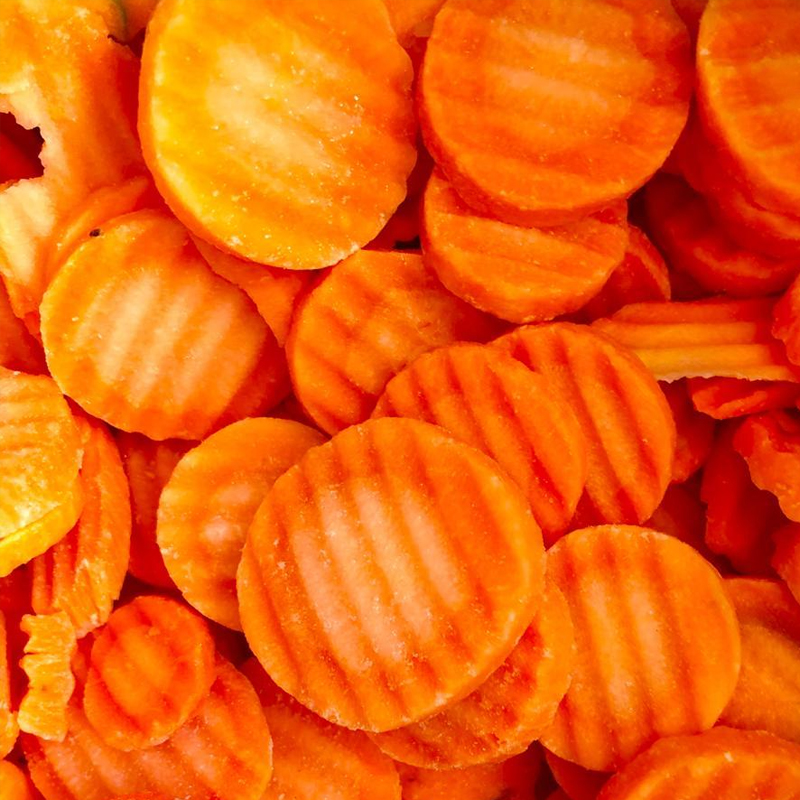
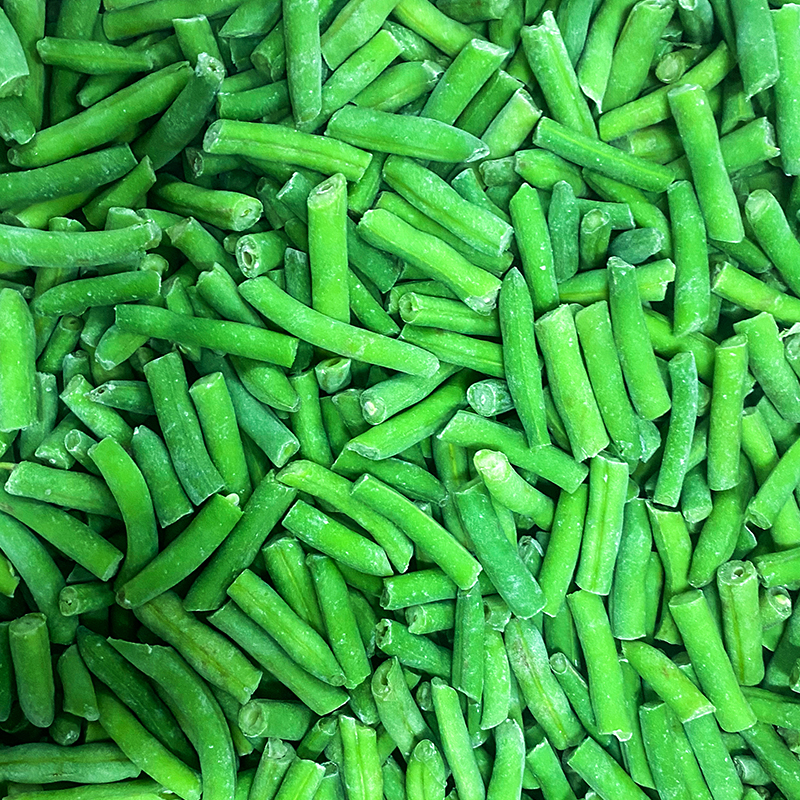
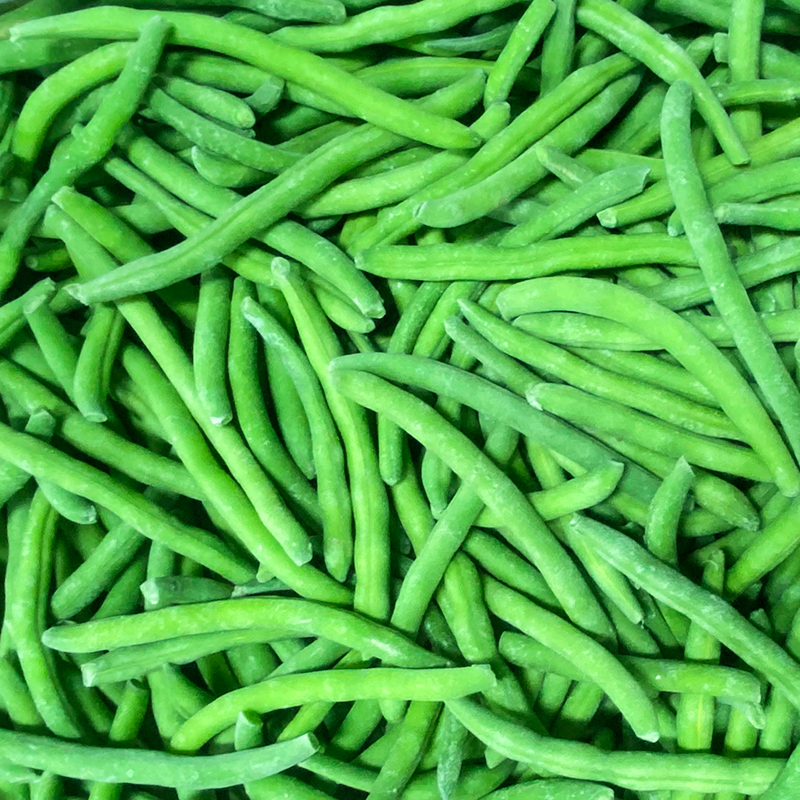
The short answer: in most side-by-side studies, frozen vegetables are nutritionally equal to — and sometimes even higher in certain vitamins than — fresh vegetables, especially when the "fresh" produce has already spent several days traveling and sitting in a refrigerator. The real difference between frozen vegetables vs fresh vegetables isn't nutrition alone; it's timing, storage, texture, and how you plan to cook them.
This guide breaks down what peer-reviewed research actually shows, compares cost and convenience, and gives practical rules for deciding when to reach for the freezer aisle and when fresh produce is worth the extra trip.
Content
- What the Research Says About Nutrient Content
- Why Frozen Vegetables Can Match or Beat Fresh
- When Fresh Vegetables Have the Advantage
- Cost, Waste, and Convenience
- Environmental Impact
- Cooking Methods That Preserve the Most Nutrients
- Frozen vs Fresh Vegetables: Side-by-Side Summary
- Practical Tips for Choosing Between Frozen and Fresh
- Frequently Asked Questions
- Bottom Line
What the Research Says About Nutrient Content
Frozen and fresh vegetables generally contain comparable levels of vitamins, minerals, and fiber; the freezing process itself causes minimal nutrient loss when vegetables are blanched and frozen quickly after harvest.
The UC Davis Study on Vitamin Retention
A widely cited 2014 study from the Food Science and Technology Lab at the University of California, Davis (published in the Journal of Agricultural and Food Chemistry) grew six fruits and vegetables — including broccoli, carrots, corn, green beans, peas, and spinach — under controlled conditions and compared fresh versus flash-frozen batches. The researchers found no consistent nutritional advantage for fresh produce, and frozen samples sometimes contained more nutrients than their fresh counterparts.
What Happens After Five Days in the Fridge
Fresh vegetables lose nutrients steadily once they're harvested, and that decline speeds up the longer they sit in transit or in your refrigerator. One comparison study found that after five days of home refrigeration, frozen vegetables had actually become more nutritious than the fresh produce that had been sitting in storage that whole time. This matters because most "fresh" supermarket vegetables have already traveled for days before reaching the shelf, and then sit for several more days before they're eaten.
Vitamin-by-Vitamin Differences
Not every nutrient behaves the same way during freezing. Broccoli that has been frozen was found to contain more riboflavin than fresh broccoli in at least one analysis. A separate review of twenty vegetables found a similar pattern: minerals and fiber stayed largely stable through blanching and freezing, while vitamin C, folic acid, and carotenoids were more sensitive to the process and showed modest declines.
Meanwhile, certain vitamins and antioxidants in fresh produce begin declining almost immediately after harvest, which is why nutrition researchers generally recommend eating fresh vegetables as soon as possible after purchase.
| Nutrient | Fresh Vegetables | Frozen Vegetables |
| Fiber | Stable, high at harvest | Stable, largely unaffected by freezing |
| Minerals | High if eaten quickly | Largely preserved through freezing |
| Vitamin C | Declines quickly during storage | Mild decline during blanching, then stable |
| Folate (B vitamins) | Declines with storage time | Negligible loss even after months frozen |
| Riboflavin (example: broccoli) | Baseline level | Can be higher than fresh |
Table 1. Approximate nutrient comparison between fresh and frozen vegetables, based on findings summarized by GoodRx, Healthline, and the UC Davis 2014 study.
Why Frozen Vegetables Can Match or Beat Fresh
Frozen vegetables are typically harvested at peak ripeness and frozen within hours, which locks in nutrients before they have a chance to degrade.
- Peak-ripeness harvesting: Vegetables destined for freezing don't need to survive a long shelf life, so they can be picked when nutrient levels are highest rather than picked early to withstand shipping.
- Flash-freezing within hours: Rapid freezing halts the enzymatic activity that breaks down vitamins, effectively pausing nutrient loss at a very high point.
- No transit decline: Fresh produce can spend days or weeks moving from farm to store to refrigerator, during which time it continues to lose nutritional value.
- Year-round access: Frozen vegetables let you eat produce that may be out of season or unavailable fresh in your region.
When Fresh Vegetables Have the Advantage
Fresh vegetables win on texture, flavor versatility, and ingredient simplicity when they are eaten within a day or two of purchase.
- Texture: Raw fresh vegetables hold a crispness that frozen vegetables typically lose after thawing, which matters for salads, slaws, and raw snacking.
- No added ingredients: Some frozen vegetable products contain added salt, preservatives, or sauces that reduce their overall nutritional quality, so reading the label matters.
- Immediate ripeness window: If you're buying directly from a local farm or garden and cooking the same day, fresh produce is at its nutritional peak and hard to beat.
- Preparation flexibility: Frozen vegetables generally need to be cooked before eating, which limits raw-preparation options compared with fresh produce.
Cost, Waste, and Convenience
Frozen vegetables generally cost less per serving, last far longer in storage, and generate less food waste than fresh vegetables.
| Factor | Fresh Vegetables | Frozen Vegetables |
| Shelf life | Days to about one week | Months in the freezer |
| Food waste risk | Higher, spoils quickly | Lower, portioned and long-lasting |
| Seasonal availability | Limited to growing season | Available year-round |
| Prep time | Washing, peeling, chopping needed | Pre-washed and pre-cut |
Table 2. Practical comparison of cost-related and convenience factors between fresh and frozen vegetables.
Environmental Impact
The environmental footprint of frozen versus fresh vegetables depends heavily on the specific vegetable rather than following a single universal rule.
One study found that frozen peas carried the lowest carbon footprint among the vegetables analyzed, while cauliflower stalks had the highest, showing that the "frozen vs fresh" environmental question varies by crop. Choosing frozen vegetables can also reduce food waste overall, though it typically comes with more plastic packaging than loose fresh produce.
Cooking Methods That Preserve the Most Nutrients
Steaming preserves more nutrients than boiling or frying for most vegetables, regardless of whether they started out fresh or frozen.
- Steaming: A research review of vegetable preparation methods concluded that steaming was generally the best method for retaining overall nutritional quality.
- Oven roasting or sautéing: For vegetables like onions, oven baking and sautéing produced the highest levels of flavonols, a beneficial type of polyphenol.
- Boiling: For peas specifically, boiling was found to best preserve folate levels, showing that the ideal method can vary by vegetable.
- Heating frozen vegetables directly: Thawing frozen vegetables before cooking isn't nutritionally necessary and can make them mushy; heating them directly from frozen works just as well and helps them keep their shape.
Frozen vs Fresh Vegetables: Side-by-Side Summary
| Category | Better Option |
| Overall nutrition (average case) | Roughly equal |
| Nutrition after 5+ days of storage | Frozen |
| Texture for raw eating | Fresh |
| Cost per serving | Frozen |
| Shelf life and reduced waste | Frozen |
| Ingredient simplicity | Fresh (check labels for frozen) |
Table 3. Quick-reference summary for choosing between frozen vegetables and fresh vegetables.
Practical Tips for Choosing Between Frozen and Fresh
The best approach for most households is combining both, using each where it performs best.
- Buy fresh vegetables in quantities you'll realistically eat within two to three days.
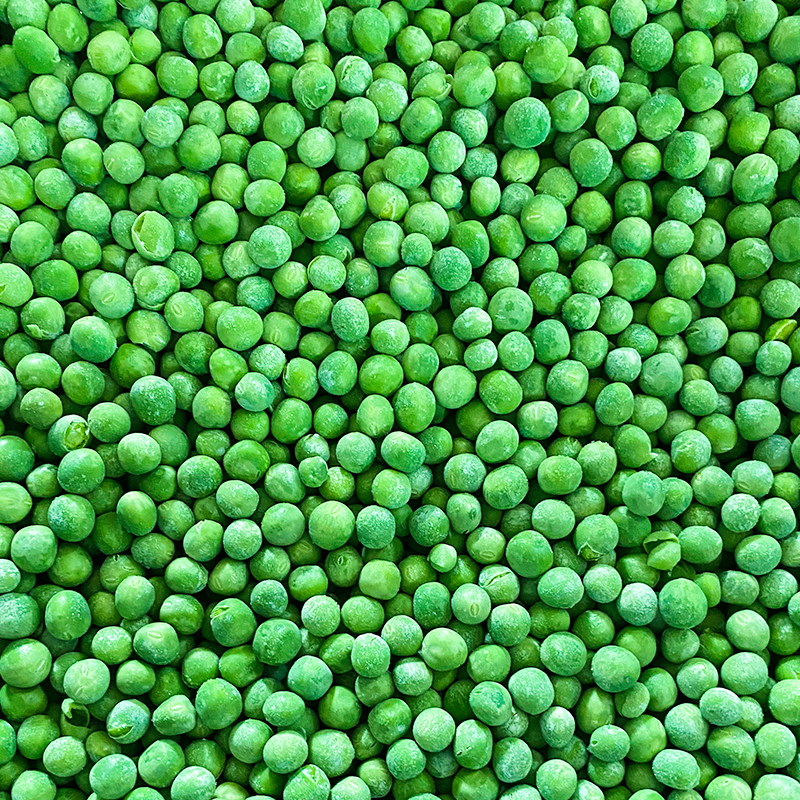
- Stock frozen vegetables for staples like peas, corn, spinach, and green beans that you use in cooked dishes.
- Check frozen vegetable labels and choose plain varieties without added sauces, salt, or preservatives.
- Use steaming or direct-from-frozen cooking to retain the most nutrients.
- Reserve fresh produce for salads and raw snacking, where texture matters most.
- Buy fresh vegetables that are in season locally, since they've traveled less and are closer to peak ripeness.
Frequently Asked Questions
Are frozen vegetables as healthy as fresh vegetables?
Yes, in most cases. Research generally shows that frozen produce is nutritionally similar to fresh produce, and when small nutrient decreases appear in frozen vegetables, they tend to be minor.
Do frozen vegetables lose nutrients over time in the freezer?
Very little. Studies tracking folate and other B vitamins found negligible differences between frozen and fresh vegetables even after several months of freezer storage.
Should I thaw frozen vegetables before cooking?
No, it isn't necessary. Thawing doesn't meaningfully change nutrient levels and can leave vegetables mushy, so cooking them straight from frozen is generally the better choice.
Which vegetables are best bought frozen instead of fresh?
Peas, corn, spinach, green beans, and broccoli are commonly recommended as frozen options, since they freeze well and are frequently used in cooked dishes rather than eaten raw.
Is it cheaper to buy frozen vegetables than fresh vegetables?
Generally yes. Frozen vegetables typically cost less per serving, last months instead of days, and reduce the chance of throwing away spoiled produce, which adds up to real savings over time.
Bottom Line
When comparing frozen vegetables vs fresh vegetables, neither option is universally superior. Fresh vegetables are ideal when eaten quickly and used raw, while frozen vegetables offer equal or better nutrition once storage time is factored in, along with lower cost, longer shelf life, and less food waste. The most practical strategy is to keep both in your kitchen and choose based on how soon you'll eat the vegetables and how you plan to prepare them.