

 English
 中文简体
中文简体 日本語
日本語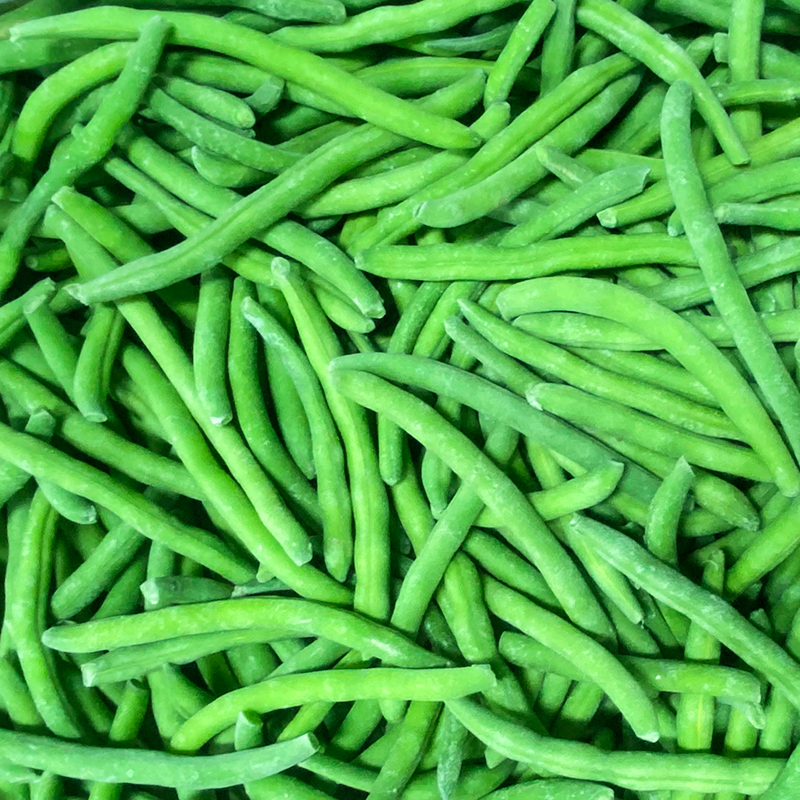
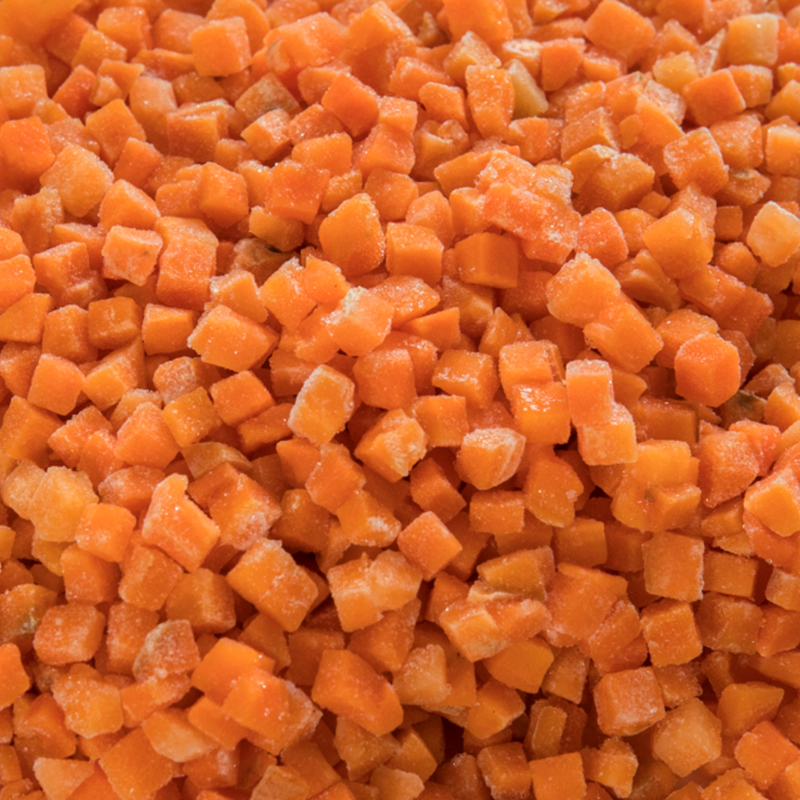
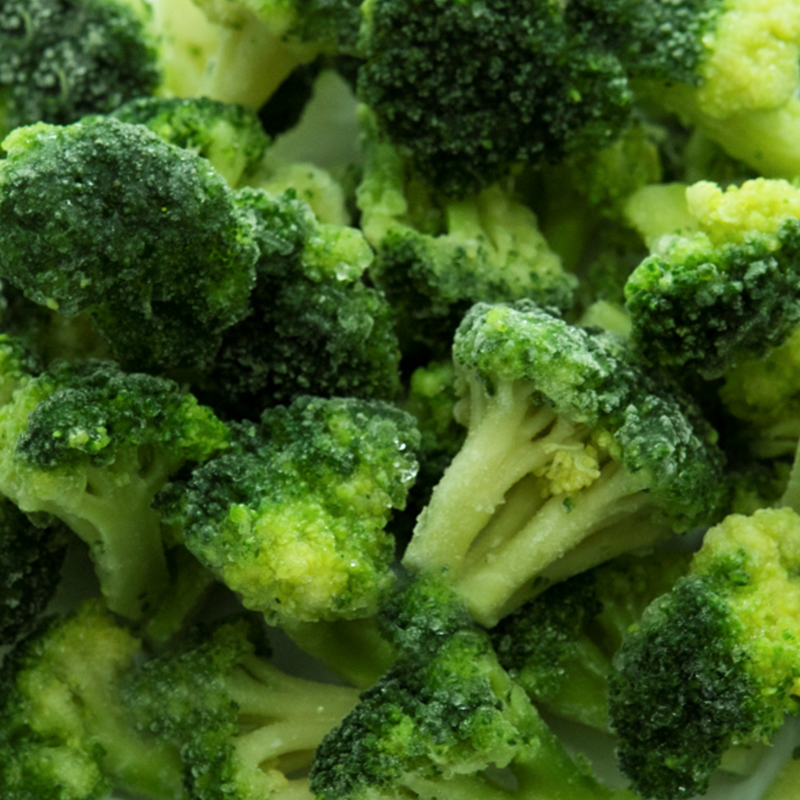
Frozen mixed vegetables are a smart, nutritious choice because they are picked at peak ripeness and flash-frozen within hours, which locks in vitamins and minerals at levels that are often equal to, and sometimes higher than, fresh vegetables that have spent days traveling and sitting in a refrigerator. A bag of frozen mixed vegetables, typically a blend of carrots, peas, corn, and green beans, delivers consistent quality, year-round availability, and a fraction of the prep work compared to fresh produce. For households trying to eat more vegetables without the cost, waste, or inconsistency of fresh produce, frozen mixed vegetables solve several problems at once.
Content
- What Exactly Are Frozen Mixed Vegetables?
- How Do Frozen Mixed Vegetables Compare to Fresh Nutritionally?
- Which Cooking Method Works Best for Frozen Mixed Vegetables?
- Cooking Methods Compared
- How Long Do Frozen Mixed Vegetables Last in the Freezer?
- What Are the Real Benefits of Choosing Frozen Mixed Vegetables?
- Frozen vs. Fresh vs. Canned: A Practical Comparison
- How to Get the Most Out of a Bag of Frozen Mixed Vegetables
- Frequently Asked Questions About Frozen Mixed Vegetables
- Q: Should I thaw frozen mixed vegetables before cooking?
- Q: Are frozen mixed vegetables actually healthy, or just convenient?
- Q: How should I store leftover cooked frozen mixed vegetables?
- Q: Why does freezing sometimes reduce beta-carotene levels?
- Q: Can frozen mixed vegetables be added directly to soups and stews without cooking them first?
- Q: What's the safest way to handle frozen mixed vegetables if there's a power outage?
- Summary
What Exactly Are Frozen Mixed Vegetables?
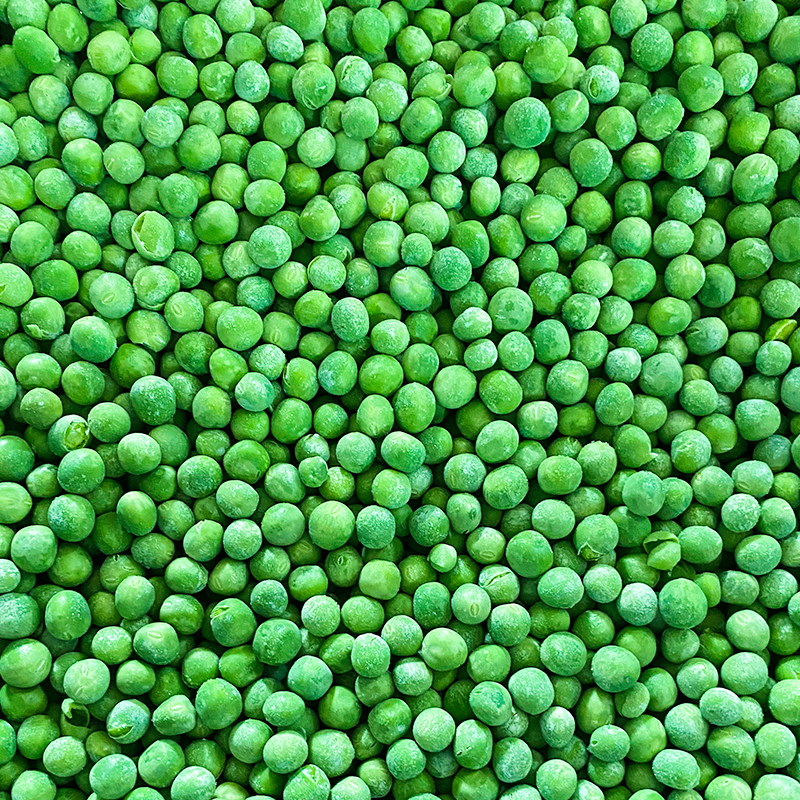
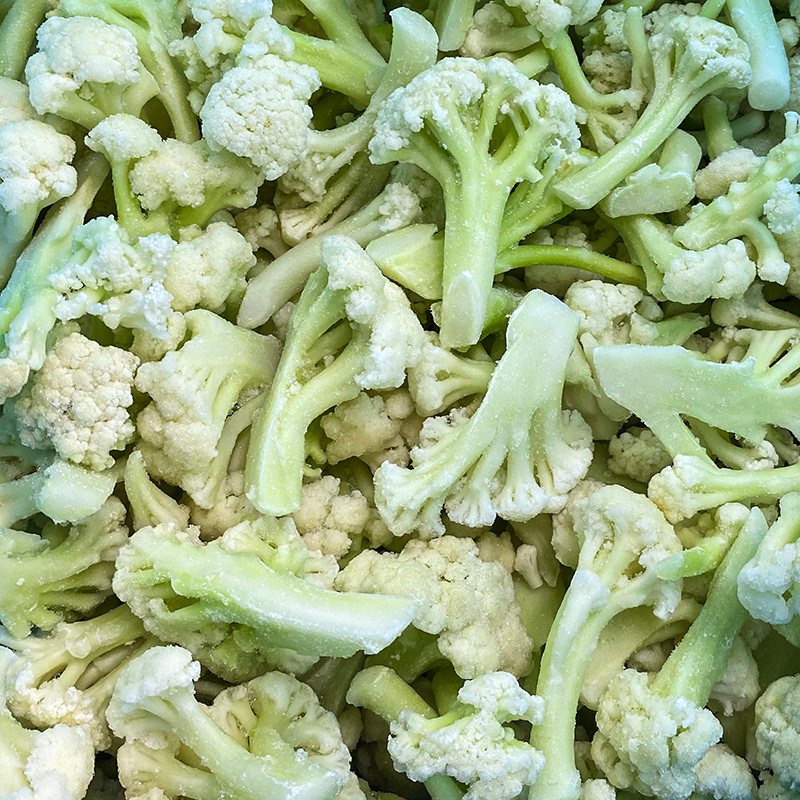
Frozen mixed vegetables are a combination of two or more vegetable types that have been harvested, washed, briefly blanched, and rapidly frozen together in a single package, with carrots, peas, corn, and green beans being the most common combination found on store shelves. Mixed vegetables come in a wide range of varieties, with the most common combinations often including blends of carrots, peas, and green beans, though many brands also add corn, lima beans, or diced potatoes to round out the mix.
The freezing process itself relies on a technique most commercial producers use, often called individual quick freezing, where vegetables pass through extremely cold air or liquid nitrogen tunnels within minutes of being processed. This matters because a faster freezing rate creates smaller ice crystals that are less likely to damage the vegetable's cell structure, while a slower freezing rate leads to larger ice crystals that can pierce through cell walls and degrade texture.
How Do Frozen Mixed Vegetables Compare to Fresh Nutritionally?
Frozen mixed vegetables retain nutrient levels that are nutritionally comparable to fresh vegetables, and in many documented cases actually exceed fresh produce that has been stored at home for several days. This finding consistently appears across multiple independent peer-reviewed studies, challenging the common assumption that fresh is always nutritionally superior.
A two-year study funded by the Frozen Food Foundation and conducted with composite samples purchased from six independent grocery stores compared fresh, frozen, and "fresh-stored" produce, the latter meant to mimic typical consumer storage patterns of five days of refrigeration. The study results revealed that the nutritional value of many frozen fruits and vegetables is generally equal to that of their fresh counterparts, and the nutritional value, specifically the amounts of vitamin A, vitamin C, and folate, of some frozen fruits and vegetables is greater than that of fresh-stored produce. In the majority of comparisons between fresh, frozen, and fresh-stored categories, the findings showed no significant differences in assessed vitamin contents, and in the cases where significant differences did appear, frozen produce outperformed fresh-stored produce more often than the reverse.
A separate body of research published in the Journal of Agricultural and Food Chemistry analyzed four vitamins, including ascorbic acid, riboflavin, and alpha-tocopherol, across several fruit and vegetable commodities to evaluate differences between fresh and frozen produce. Additional research focused specifically on frozen broccoli found that it contained more riboflavin than its fresh counterpart, directly contradicting the assumption that freezing always strips away nutritional value.
| Nutrient Category | Effect of Freezing | Comparison to Fresh |
| Macronutrients (carbs, protein, fat) | Generally unaffected | Essentially identical |
| Minerals and fiber | Remained generally stable after blanching and freezing | Comparable to fresh |
| Vitamin C and folate | More than 90% of original amounts retained | Often higher than fresh-stored produce |
| Riboflavin and vitamin E | Retained same or higher levels after 10 days storage comparison | Equal to or higher than fresh |
| Beta-carotene | The one nutrient that decreased significantly in frozen peas, carrots, and spinach | Slightly lower in some vegetables |
Table 1: Summary of how the freezing process affects different nutrient categories in vegetables, based on multiple peer-reviewed comparative studies.
Why Fresh Vegetables Often Lose the Nutritional Edge
Fresh vegetables lose nutrients over time due to exposure to air, light, and heat, and most fresh fruits and vegetables are picked before they're ripe to allow time for ripening during transportation, which also gives them less time to develop a full range of vitamins, minerals, and natural antioxidants. In the United States, fruits and vegetables may spend anywhere from three days to several weeks in transit before arriving at a distribution center, and consumers may then store perishable produce for up to five days or more at home based on typical bi-weekly grocery shopping habits. Frozen mixed vegetables skip nearly all of this decline, since the nutrient loss is effectively halted the moment the vegetable is frozen.
Which Cooking Method Works Best for Frozen Mixed Vegetables?
Sautéing or steaming frozen mixed vegetables directly from frozen, without thawing first, produces the best texture, since thawing beforehand typically results in soggy, waterlogged vegetables. Multiple cooking guides converge on this same core principle regardless of the specific recipe being prepared.
You don't need to thaw frozen vegetables before cooking; doing so will most likely result in soggy vegetables, since cooking them directly from frozen helps preserve their texture and prevents the unwanted softness that thawing can cause. This guidance applies broadly: do not boil or thaw mixed vegetables prior to cooking, as you will most likely end up with mushy results either way.
A Simple Stovetop Method
One widely recommended approach starts by heating a large skillet over medium heat and adding a tablespoon of butter or oil, then adding the frozen mixed vegetables directly and covering the pan to create steam. Cooking for roughly four to five minutes, or until the vegetables are cooked through and tender, produces a reliable result, after which seasonings or extra add-ins like parmesan cheese, lemon juice, or soy sauce can be stirred in to finish the dish.
Boosting Flavor with Broth
For a more flavorful side dish, boiling frozen mixed vegetables in chicken broth instead of plain water adds extra depth that boiling in water or steaming in the microwave simply won't provide. After draining the liquid, adding butter and fresh minced garlic coats the vegetables in a light sauce, transforming a basic frozen vegetable bag into a far more satisfying side.
Air Frying as an Alternative
Air frying frozen vegetables is a great way to create quick meals with less oil, and frozen vegetables can be placed directly in an air fryer or convection oven without thawing to use as a complement to roasted meats or as a standalone side dish.
Cooking Methods Compared
Each cooking method for frozen mixed vegetables offers a different balance of speed, flavor, and texture, so the right choice depends on what you're making and how much time you have.
| Cooking Method | Approximate Time | Texture Result | Best For |
| Stovetop sauté/steam | 4–5 minutes | Tender, slightly firm | Quick side dishes |
| Boiled in broth | 5–7 minutes | Soft, flavor-infused | Flavorful side dishes |
| Microwave steaming | 3–5 minutes | Soft, can be watery if overdone | Speed and convenience |
| Air frying | 8–12 minutes | Crisp edges, less moisture | Roasted-style texture, low oil |
| Added directly to soups/stews | No extra time (cooks with dish) | Tender, blends into dish | Soups, stews, casseroles |
Table 2: Comparison of common cooking methods for frozen mixed vegetables, including approximate cook time, resulting texture, and ideal use case.
How Long Do Frozen Mixed Vegetables Last in the Freezer?
Properly stored frozen mixed vegetables typically last 8 to 12 months in the freezer while maintaining good quality, provided the freezer stays at a consistent temperature of 0°F (-18°C) or lower. This figure is consistent across multiple food storage and appliance industry sources.
Properly prepared frozen vegetables can typically last up to 8 to 12 months in the freezer when stored securely in an airtight container, and how long they last depends partly on the specific vegetable type within the mix. Importantly, frozen vegetables don't technically "expire" if stored correctly; instead, their quality gradually declines, meaning vegetables kept past the recommended window may still be safe to eat, though texture and taste might be noticeably affected. Maintaining a consistent freezer temperature is crucial, since fluctuations can shorten shelf life by causing larger ice crystals to form inside the package.
Storage Best Practices
- Keep the freezer at 0°F or below: A steady temperature of 0°F (-18°C) ensures vegetables remain properly frozen and helps retain vitamin content, color, flavor, and texture over time.
- Avoid overloading the freezer: Overstuffing a freezer can restrict air circulation, which affects how efficiently new items freeze and can reduce overall storage performance.
- Use airtight packaging: Resealable bags or airtight containers help prevent freezer burn and keep vegetables fresher for longer once a bag has been opened.
- Label with the storage date: Writing the date on a container or bag makes it easier to track how long vegetables have been stored and use older packages first.
- Check for freezer burn before use: Look for freezer burn, an unusual smell, or noticeable texture changes; while still typically safe to eat, freezer-burned vegetables may not be suitable for dishes where texture matters.
What Are the Real Benefits of Choosing Frozen Mixed Vegetables?
Frozen mixed vegetables offer five clear practical advantages: lower cost, longer shelf life, no prep work, year-round availability, and reduced food waste, making them one of the most efficient ways to add vegetables to a diet.
- Budget-friendly: Frozen veggies are budget friendly, and a bag of frozen mixed vegetables can usually be purchased for just a few dollars, sometimes less, making them one of the most economical, readily available ways to add more vegetables to a diet.
- Longer shelf life: Frozen vegetables have a notably longer shelf life than fresh produce, remaining fresh in the freezer for up to six months or longer in many cases, which means far less risk of food spoiling unused in the refrigerator.
- Time-saving convenience: Frozen mixed vegetables are pre-cut, pre-washed, and ready to use, which eliminates the tedious prep work that fresh vegetables typically require before cooking.
- Minimizes food waste: Because users can take out exactly what's needed and keep the rest frozen for another meal, frozen mixed vegetables help save both money and resources compared to a fresh vegetable that spoils before it's fully used.
- Year-round availability: Frozen mixed vegetables are available regardless of season, removing the variability that comes with fresh produce being seasonal, hard to find, or inconsistent in quality depending on the time of year.
Frozen vs. Fresh vs. Canned: A Practical Comparison
Frozen vegetables generally strike the best overall balance between nutrition, convenience, and cost when compared against both fresh and canned alternatives, though each format has situational advantages.
| Factor | Frozen Mixed Vegetables | Fresh Vegetables | Canned Vegetables |
| Nutrient retention | High, minimal loss after blanching | Declines with storage time | Lower; high heat destroys more vitamins |
| Shelf life | 8–12 months | Days to roughly 2 weeks | 1–5 years unopened |
| Prep time | None, pre-washed and pre-cut | Washing and chopping required | None, ready to heat |
| Sodium content | Low if plain, no added sauce | Naturally low | Often higher due to brine/preservation |
| Texture for raw eating | Not suitable, must be cooked | Best option for raw consumption | Not suitable for raw eating |
| Cost per serving | Low | Variable, often higher | Low |
Table 3: Comparison of frozen, fresh, and canned mixed vegetables across nutrient retention, shelf life, preparation time, sodium content, and cost.
How to Get the Most Out of a Bag of Frozen Mixed Vegetables
Choosing plain frozen mixed vegetables without added sauces, and seasoning them generously after cooking, is the most effective way to maximize both flavor and nutritional value. Frozen vegetables can be a healthy choice, as they're often frozen at peak freshness, preserving nutritional content, but it's important to be sure to choose plain frozen vegetables without added sauces or excessive salt to maintain their health benefits.
For the most health benefits, choosing frozen vegetables without added sugar, salt, and sauces matters significantly, since many frozen vegetable products come without any additives or preservatives at all when purchased in their plain form. Once cooked, frozen mixed vegetables respond well to the same seasonings used on fresh vegetables, including garlic powder, onion powder, smoked paprika, curry powder, and fresh herbs like parsley, thyme, or dill, along with finishing touches such as a squeeze of lemon, a splash of soy sauce, or a drizzle of balsamic vinegar.
Frequently Asked Questions About Frozen Mixed Vegetables
Q: Should I thaw frozen mixed vegetables before cooking?
No. Cooking frozen mixed vegetables directly from frozen, without thawing first, gives the best texture. Thawing beforehand typically results in soggy, waterlogged vegetables, since the ice that has formed inside the cells melts and releases excess water before the vegetable has a chance to cook properly. The only common exceptions are recipes like casseroles, stir-fries, and fried rice, where thawing in the microwave or refrigerator beforehand is sometimes recommended for more even cooking.
Q: Are frozen mixed vegetables actually healthy, or just convenient?
They are genuinely healthy, not just convenient. Multiple peer-reviewed comparative studies have found that frozen vegetables maintain more than 90% of their original amounts of vitamin C, beta-carotene, and folate, with some retaining all of their nutrients. The vitamin content of frozen vegetables is similar to, and occasionally higher than, that of fresh vegetables, particularly when comparing frozen produce to fresh vegetables that have already spent several days in storage at home.
Q: How should I store leftover cooked frozen mixed vegetables?
Leftover cooked vegetables should be cooled first, then stored in an airtight container in the refrigerator for up to three to four days. While it is technically possible to refreeze cooked vegetables, this generally isn't recommended, since the texture won't be as pleasing the second time around after going through a second freeze-thaw cycle.
Q: Why does freezing sometimes reduce beta-carotene levels?
Beta-carotene appears to be more sensitive to the blanching and freezing process than other nutrients studied. Research specifically found that beta-carotene was the only nutrient that decreased significantly in frozen peas, carrots, and spinach, while vitamins C and E and riboflavin remained stable or even increased relative to fresh-stored produce over the same time period. This makes beta-carotene something of an exception rather than the rule when evaluating how freezing affects vegetable nutrition overall.
Q: Can frozen mixed vegetables be added directly to soups and stews without cooking them first?
Yes. Frozen corn, peas, or mixed vegetables can be added to soups, stews, and even smoothies without thawing them first, since the simmering liquid in these dishes will fully cook the vegetables as the dish itself cooks. This makes frozen mixed vegetables especially convenient for one-pot meals, where there's no need for a separate cooking step before combining ingredients.
Q: What's the safest way to handle frozen mixed vegetables if there's a power outage?
Frozen food may still be safe to use if ice crystals remain present in the package, even after a temporary power outage or a freezer door accidentally left ajar. If the freezer continued to keep the food cold despite the door being left open, the food should generally remain safe; however, if there is any uncertainty about whether food has fully thawed and refrozen, it's safer to discard it rather than risk foodborne illness.
Summary
Frozen mixed vegetables consistently prove themselves as a nutritionally sound, budget-friendly, and genuinely convenient way to add more vegetables to a diet. Multiple peer-reviewed studies confirm that the freezing process preserves the vast majority of vitamins and minerals, often outperforming fresh vegetables that have sat in storage for several days before being eaten. The keys to getting the best results are simple: cook directly from frozen rather than thawing first, choose plain varieties without added sauces or excessive sodium, store the freezer at a consistent 0°F or below, and use opened packages within roughly 8 to 12 months for the best quality.
Whether the goal is saving money, reducing food waste, or simply getting dinner on the table faster on a busy weeknight, a bag of frozen mixed vegetables remains one of the most practical tools in the kitchen, delivering real nutritional value without the unpredictability that often comes with fresh produce.