1. What Are IQF Broad Beans?
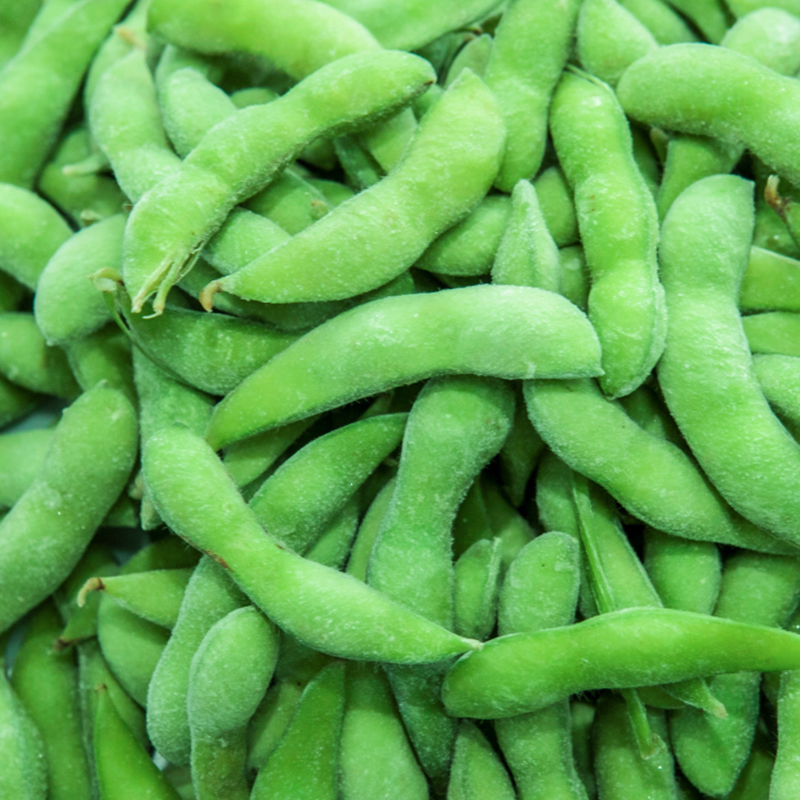
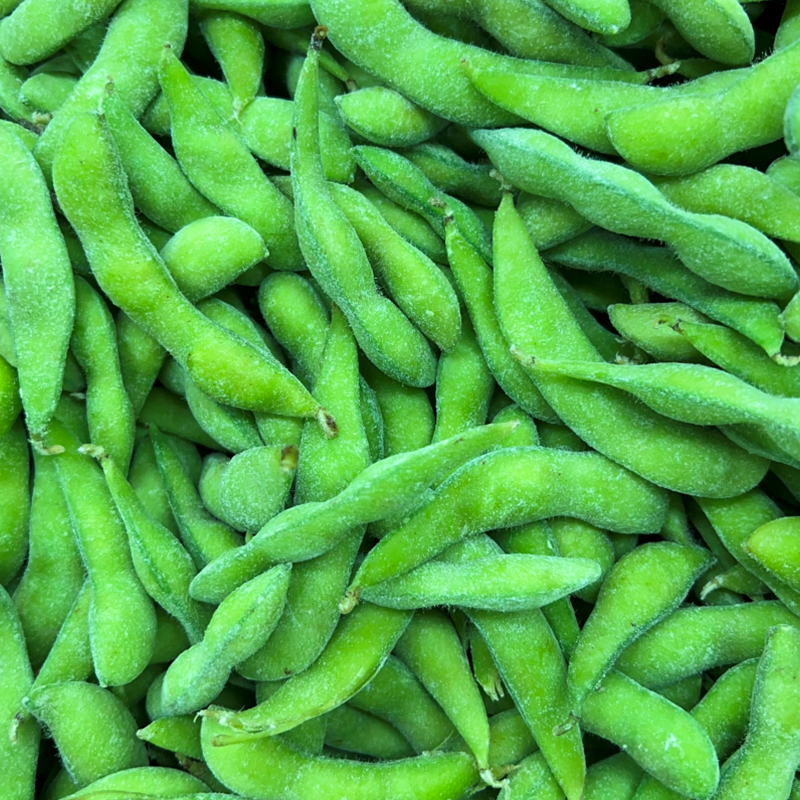
IQF Broad Beans refer to products made from fresh broad beans (Vicia faba) that undergo a series of standardized processing steps and are produced using Individual Quick Freezing (IQF) technology. Their name and substance imply specific industrial processes and quality characteristics.
Raw Material Selection and Preprocessing: The broad beans used for IQF Broad Beans are typically harvested at their peak maturity to ensure plump kernels and a soft, glutinous texture. Upon arrival at the factory, the raw materials undergo strict sorting, cleaning, and a crucial blanching process. Blanching involves short-term high-temperature heat treatment aimed at inactivating enzymes within the broad beans, such as peroxidase and polyphenol oxidase, which are primary causes of discoloration, off-flavors, and nutrient loss during storage. This step also eliminates most surface microorganisms, enhancing food safety.
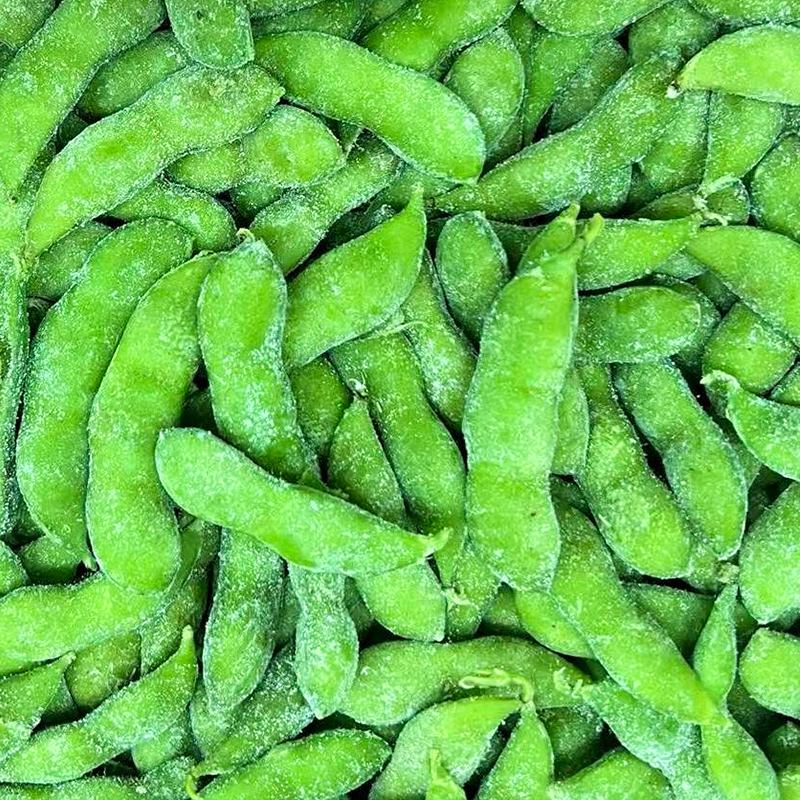
Core IQF Technology: The pre-processed broad beans are conveyed into an IQF freezing tunnel. Here, they are exposed to intense cold air currents between -35°C and -40°C, causing each bean to freeze individually and quickly through the maximum ice crystal formation zone. Unlike traditional slow freezing methods (block freezing), IQF technology promotes the formation of numerous tiny ice crystals from the water content, significantly reducing physical damage to the plant cell walls. This ensures the integrity of the cellular structure, allowing the product to largely retain the form, color, texture, and flavor of fresh broad beans upon thawing.
Final Product: Therefore, IQF Broad Beans are an industrial frozen agricultural product with well-preserved cellular structure, quality highly akin to fresh broad beans, and capable of long-term storage. Their large-scale production relies on advanced equipment and strict management systems. For instance, the fully automatic IQF vegetable production lines and the annual processing capacity of 8,000 tons of vegetables at Yuyao Gumancang Food Co., Ltd. form the foundation for ensuring product standardization and stable supply.
2. What Is the Correct Storage Method for IQF Broad Beans?
The preservation of quality for IQF products relies not only on the production process but also heavily on storage conditions during distribution and consumption. Incorrect storage is the primary cause of quality deterioration (e.g., freezer burn, ice crystal sublimation, oxidation).
Storage of Unopened Products: They should always be stored in a freezer compartment at -18°C or lower. It is essential to ensure stable freezer temperature and avoid frequent fluctuations. Temperature fluctuations cause ice crystals to repeatedly melt and refreeze, increasing in size and exacerbating cell damage. Products should not be placed in areas prone to temperature changes, such as the door shelves of the freezer.
Storage of Opened Products: Once the original packaging is opened, the primary task is to prevent freezer burn. Freezer burn occurs when food surfaces become dry, oxidized, and leathery due to ice crystal sublimation (the direct transition of solid ice to water vapor). The correct handling method is:
Prompt Sealing: Immediately transfer unused IQF Broad Beans to an airtight container, such as a food-grade resealable freezer bag or vacuum-sealed bag.
Remove Air: Using a vacuum sealer is the optimal choice. If using a freezer bag, squeeze out as much air as possible before sealing. Air is the main culprit behind oxidation and freezer burn.
Rapid Refreezing: After repackaging, quickly return the product to the stable -18°C freezer environment.
Follow the FIFO Principle: It is advisable to mark the opening date on the package and practice the "First In, First Out" principle to ensure the best eating quality. Although they can be stored for a long time at -18°C, it is recommended to consume opened products within 1-2 months.
3. Will the Nutritional Value of IQF Broad Beans Be Lost?
This is a core question concerning consumer choice. Based on food science research, the conclusion is: IQF Broad Beans retain a very high percentage of their nutritional value, and in some aspects, may even be superior to "fresh" vegetables that have undergone long-distance transportation and storage.
Comparison with "Fresh" Vegetables: So-called "fresh" vegetables often take days or even weeks from harvest, through transport and distribution, until finally purchased by consumers. During this time, even under refrigeration, respiration and enzymatic reactions continue, leading to the constant degradation of water-soluble vitamins (such as vitamin C, B vitamins) and certain phytochemicals. In contrast, the raw materials for IQF Broad Beans are blanched and frozen within hours of harvest, a process that effectively "pauses" these degradation reactions.
Impact of Blanching and Freezing: The blanching process does cause some loss of water-soluble nutrients (approximately 10-30% of vitamin C), but this is a necessary trade-off. It permanently inactivates the enzymes responsible for quality and nutrient decline. Subsequent IQF freezing greatly locks in the remaining nutrients. Research indicates that properly handled frozen fruits and vegetables can retain comparable, and sometimes higher, levels of certain nutrients compared to their fresh-stored counterparts (referencing studies from the USDA and related food science research).
Conclusion: Therefore, IQF Broad Beans are a reliable source of nutrients found in broad beans. Their protein, dietary fiber, minerals (such as iron, potassium), and most vitamins are well preserved. They represent an effective way for consumers to conveniently and consistently intake nutrients in their daily diet.
4. How Do IQF Broad Beans Differ from Traditionally Frozen Broad Beans?
There are fundamental differences between IQF technology and traditional freezing methods, leading to significant product variations.
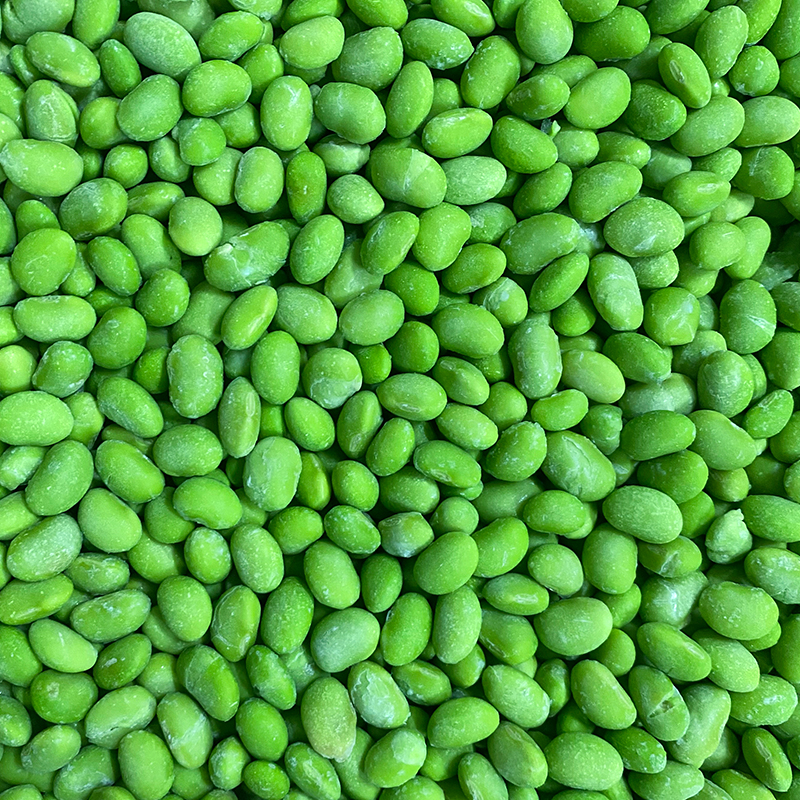
IQF Broad Beans (Individually Quick Frozen) undergo a process where each bean is frozen individually in a cold air stream, resulting in separate, loose grains. This method causes minimal cell damage due to the formation of tiny ice crystals, allowing the beans to retain their complete form and plumpness, closely resembling their fresh state. The texture and flavor remain well-preserved, and nutrient retention is higher because the intact cell structure minimizes juice loss. A key advantage is the high convenience; users can easily take any required portion without affecting the remaining stored beans, making them suitable for both household and food service use with great flexibility.
In contrast, Traditionally Frozen Broad Beans (Block Frozen) are frozen slowly in large quantities, causing the grains to cement together into a solid block of ice. This slow freezing forms large ice crystals that severely damage cell walls, leading to significant juice loss upon thawing. Consequently, the thawed beans tend to be soft, mushy, and collapsed, with poor shape retention and more pronounced flavor loss. Nutrient retention is relatively lower due to the extensive cell damage and subsequent loss of juices in the thawing water. Their usability is very low, as the entire block must be thawed, making portioning impossible. Repeated thawing and refreezing further destroy quality, limiting their suitability primarily to large-scale industrial processing as an ingredient rather than direct consumer or versatile culinary use.



 English
 中文简体
中文简体 日本語
日本語