1. What is IQF Green Beans Whole?
The "IQF" in IQF Green Beans Whole stands for "Individual Quick Freezing." This advanced freezing process is centered around the key words "fast" and "individual."
Unlike traditional batch freezing (where large quantities of product are piled together and slowly frozen), the IQF process requires carefully selected, cleaned, and blanched whole green beans to be evenly laid out on a low-temperature conveyor belt. Individual green beans are rapidly frozen in a harsh cold air environment at temperatures ranging from -30°C to -40°C. Due to their large surface area to volume ratio, heat is rapidly dissipated, allowing them to pass through the zone of maximum ice crystal formation in a very short time (typically within minutes).
The scientific significance of this process lies in the rapid cooling that causes countless tiny, uniform ice crystals to form both inside and outside the food's cells. These tiny ice crystals, like tiny needles, minimally damage the physical structure of plant cell walls and membranes. In contrast, slow freezing produces large, irregular ice crystals that pierce cell walls like sharp blades, causing a significant loss of cell juice during thawing. This is the fundamental reason why ordinary frozen vegetables tend to be soft and mushy, resulting in low quality.
For example, Yuyao Gumancang Food Co., Ltd. has introduced a fully automated IQF production line, a perfect example of this industrialized technology. This high level of automation ensures that every step, from pre-processing to freezing, is carried out under controlled hygiene and process standards. The ability to process thousands of tons of vegetables annually relies on precise temperature and time management, ensuring that each IQF whole green bean is individually and quickly frozen, perfectly locking in its harvested color, flavor, and nutrients.
2. How to Prevent IQF Whole Green Beans from Softening After Thawing?
Softening after thawing is a common problem faced by many frozen vegetable users, but its root cause lies not in the IQF technology itself but rather in improper subsequent handling. To avoid this problem, follow these key principles:
Avoid Pre-Thawing: This is the most important principle. The advantage of whole IQF green beans is that they are individually cooked and can be cooked directly without thawing. When dropped directly from frozen into a hot pot or boiling water, the outer ice crystals melt quickly, allowing heat to flow into the interior. This rapid process minimizes the time it takes for cell juices to leak out, thus maintaining a crisp texture. If thawed at room temperature for a long time, the water released by the slowly melting ice crystals will be reabsorbed by the cells, causing them to swell and rupture, ultimately becoming mushy and mushy.
Use the correct cooking method:
Stir-frying: This is the most recommended method. Heat a pan with oil and add the frozen green beans directly to the pan, stirring rapidly. The high temperature quickly triggers the Maillard reaction on the surface of the green beans, producing their aroma, while simultaneously rapidly cooking the interior and maintaining their crisp texture.
Steaming: Once the water boils, place the green beans in a steamer and use the high-temperature steam to quickly heat them. This method better preserves water-soluble vitamins.
Blanching: For salads, blanch the beans briefly (approximately 30-60 seconds) in boiling water. Immediately immerse them in ice water to stop the residual heat from cooking. This method preserves their vibrant color and crispness.
Controlling Cooking Time: Regardless of the cooking method, cooking time must be minimized. Green beans are pre-cooked (blanched) at the factory before freezing, making them essentially "cooked" semi-finished products. The primary purpose of cooking is to heat and season them, and overcooking will inevitably lead to softening.
3. Why do IQF Whole Green Beans maintain their crisp texture?
The preservation of their crisp texture is the result of a comprehensive study involving food science, thermodynamics, and materials science, primarily attributable to the following three factors:
Cellular structural integrity: As mentioned previously, the tiny ice crystals formed by IQF rapid freezing minimally damage the cell structure. The cell walls and membranes retain their original support and elasticity. After thawing and cooking, these intact cells remain hydrated and support each other, providing a crisp, firm texture when chewed.
Locked Water Molecules: Rapid freezing instantly locks the water inside the green beans in place, significantly reducing the possibility of water migration in and out of the cells. This means that soluble solids, vitamins, and flavor compounds are retained within the cells to a maximum extent, ensuring not only nutritional benefits but also a fresh flavor and mouthfeel.
Synergistic Effects of Pretreatment: Before freezing, green beans undergo a crucial blanching process. This involves briefly exposing them to boiling water or steam, followed by rapid cooling. This process has two core functions: First, it inactivates enzymes such as peroxidase and polyphenol oxidase, preventing them from continuing to react during frozen storage, which can lead to browning, flavor loss, and nutrient loss. Second, it releases gases from the vegetables and converts chlorophyll, resulting in a brighter, more stable green color. This process, combined with subsequent IQF freezing, provides a dual guarantee for the color and taste of the final product.
4. Can whole IQF green beans completely replace fresh green beans?
This is an objective question that requires multi-dimensional analysis, and the answer varies depending on the application scenario.
In terms of nutrition and flavor: Multiple studies have shown that the nutritional value, especially vitamin retention, of properly processed IQF vegetables (i.e., made from high-quality raw materials and processed quickly) can be equal to or even exceed that of "fresh" vegetables that have undergone long-distance transportation and days of storage. This is because they are processed within hours of picking, while "fresh" green beans from street vendors or supermarkets may have spent days in transit and on shelves, during which time nutrients are lost. In terms of flavor, IQF products can well restore the fresh sweetness of green beans. However, for foodies who pursue the ultimate "fresh" taste and unique "earthy" flavor, freshly picked and cooked green beans still hold an irreplaceable place.
In terms of convenience and availability: Whole IQF green beans offer overwhelming advantages. They are not restricted by season and are available year-round. They require no washing or sorting, minimizing cooking time. They also have a long shelf life, reducing food waste. It's an ideal choice for busy households, large cafeterias, and catering businesses, ensuring standardized, stable, and efficient production.
In terms of culinary suitability: For most dishes requiring heating, such as stews, stir-fries, and bakes (e.g., green bean pie), IQF whole green beans are a fully acceptable substitute, performing minimally differently from fresh green beans. However, in dishes centered around raw or lightly cooked green beans, such as some premium salads or as cold side dishes, the crisp, juicy texture of fresh green beans remains difficult to replicate with IQF products.
5. How can I assess the quality of IQF whole green beans by appearance?
Consumers can make a preliminary and effective assessment of their quality by observing the physical appearance of the product.
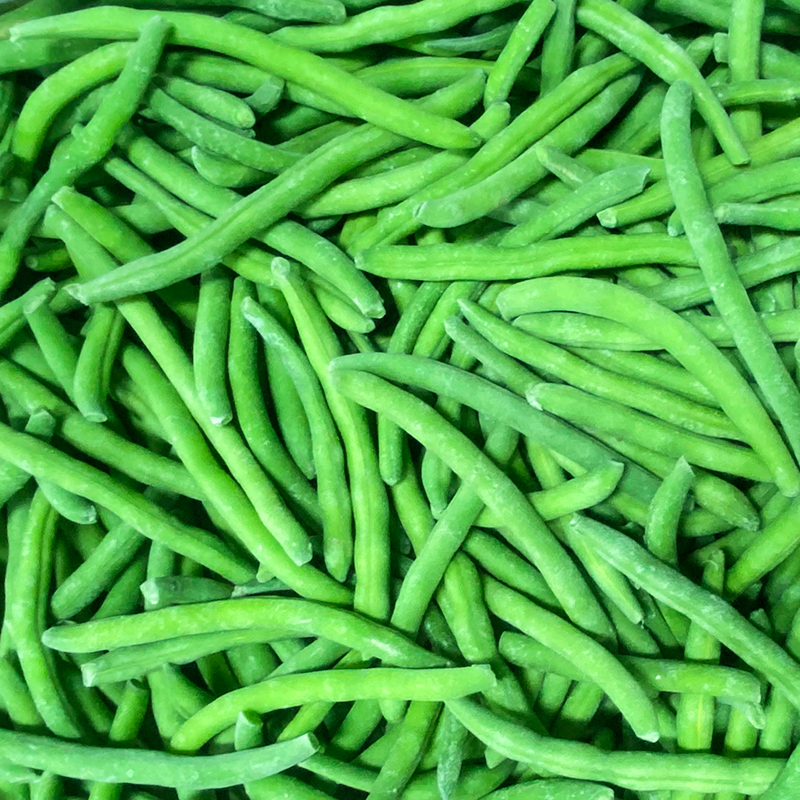
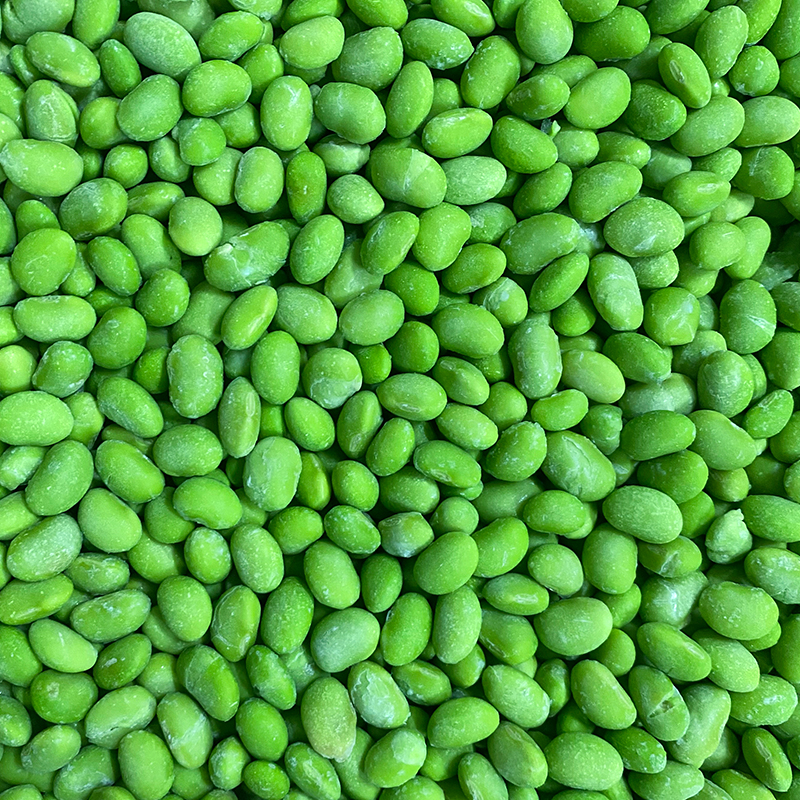
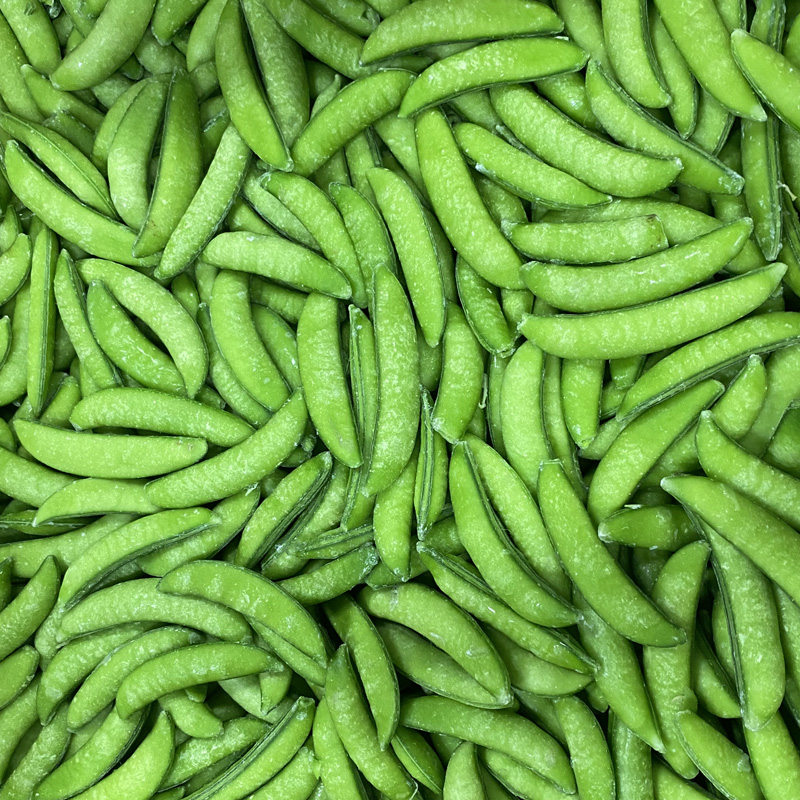
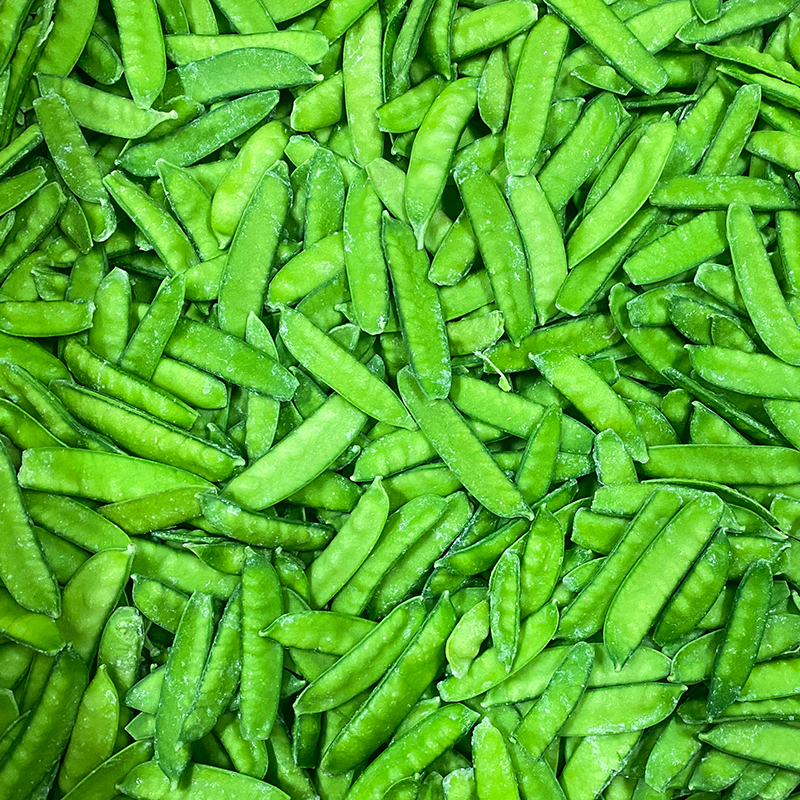
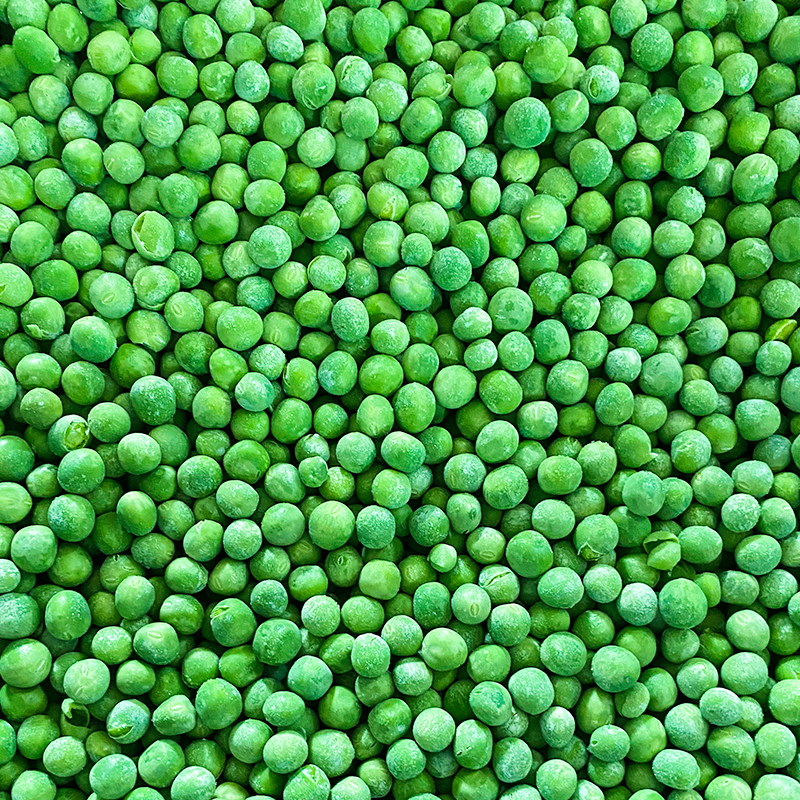
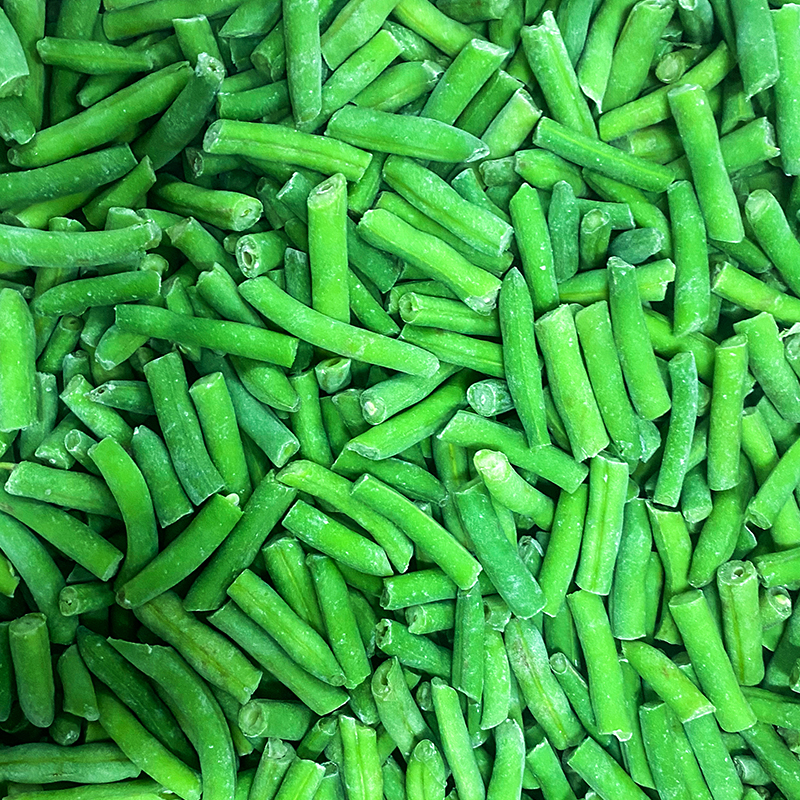
Particle separation: High-quality IQF whole green beans exhibit distinct, loose, and free-flowing particles, free of clumping or clumping. Severe clumping (commonly known as "frozen clumps") is often a sign of a slow freezing process or large fluctuations in storage temperature. This means the product may have undergone repeated freeze-thaw cycles, resulting in severe cell damage and a significant decrease in taste and quality.
Color: High-quality products should exhibit a uniform, bright, natural turquoise or emerald green color. Yellow, whitish, or varying shades of color may indicate that the raw material was harvested too old or not fresh, or that the blanching process was improperly controlled, with enzymatic browning not effectively suppressed.
Morphological Integrity: Observe the integrity of individual green beans. As much intact morphology as possible should be maintained, with minimal levels of broken beans, hulls, and impurities. Excessive debris not only indicates poor quality control but also indicates increased mechanical damage during processing.
Frost: The interior of the package should contain only a small number of very fine, dust-like ice crystals. If large ice flakes or heavy frost are visible, this is usually the result of water molecules sublimating and then condensing, indicating that the product has experienced temperature fluctuations during storage or transportation, which can negatively impact quality.



 English
 中文简体
中文简体 日本語
日本語