1. What is IQF Mukimame (Soybeans Kernel) and what are its benefits?
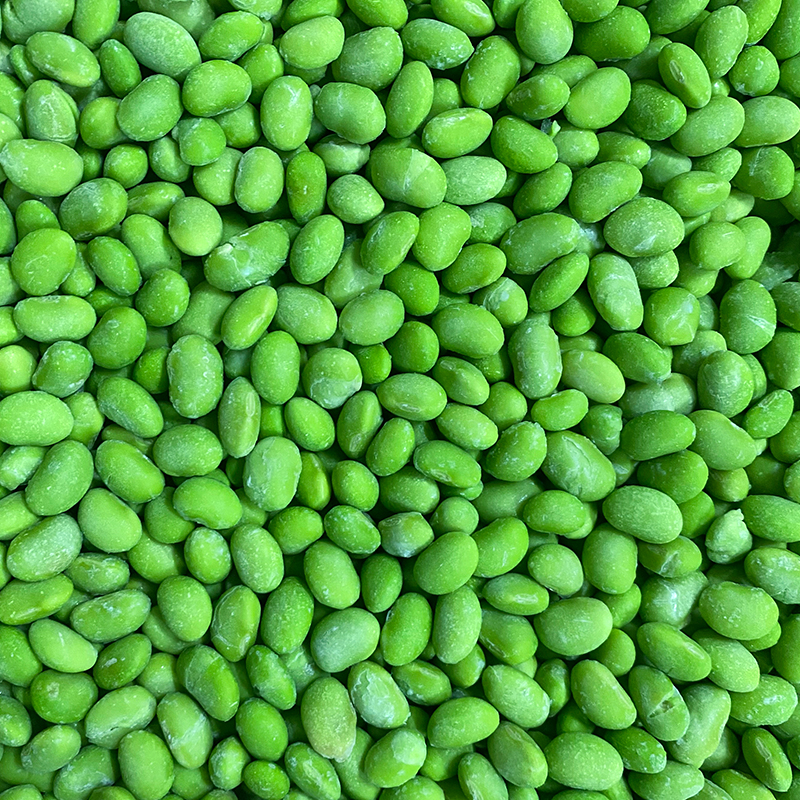
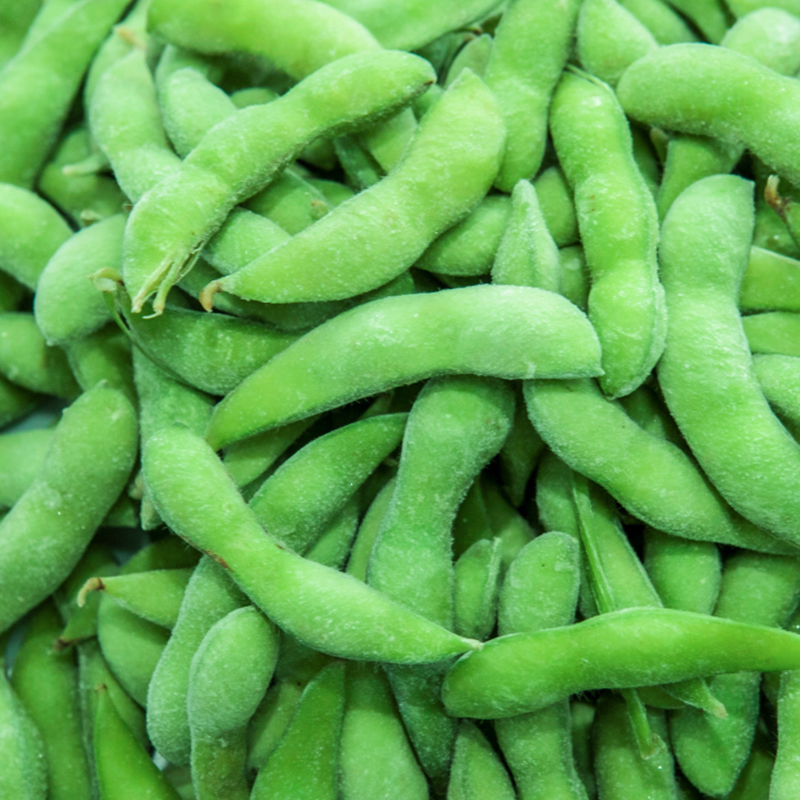
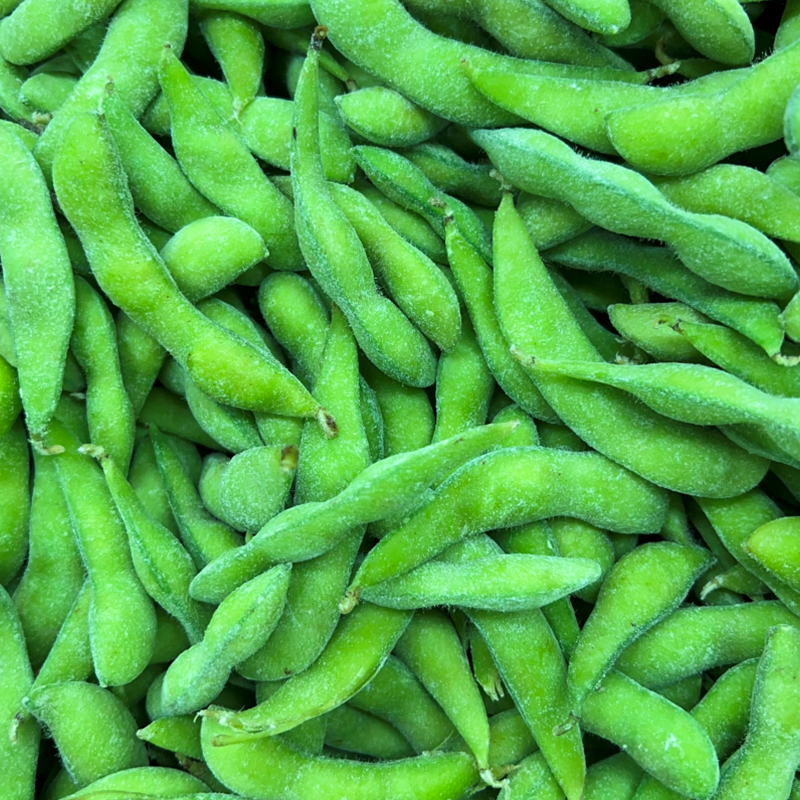
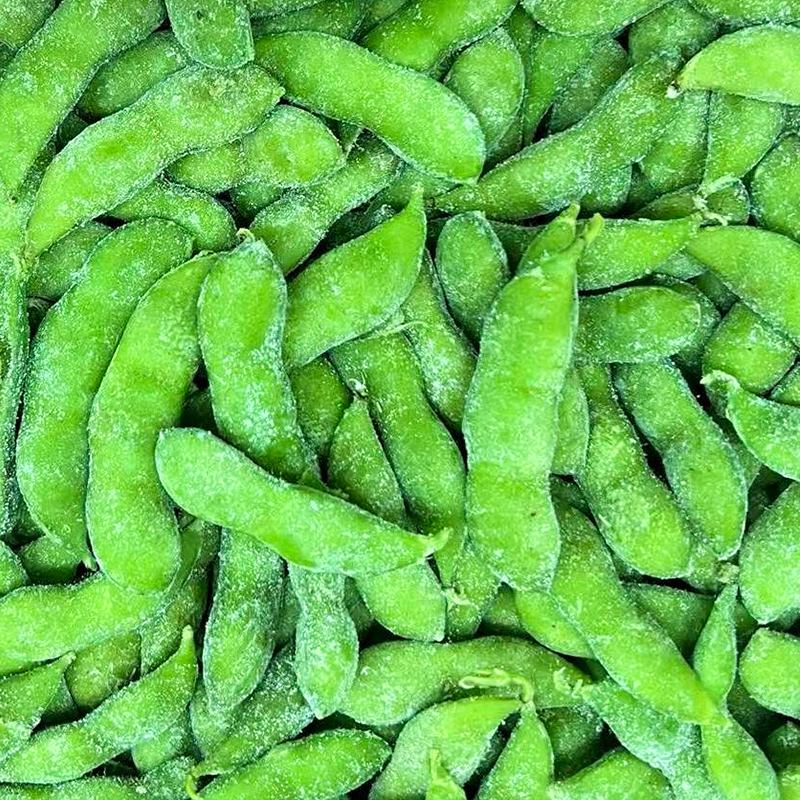
IQF Mukimame (Soybeans Kernel) refers to fresh edamame kernels that have been removed from their pods through an individual quick freezing (IQF) process. Mukimame specifically refers to de-podded, green soybean kernels, as distinguished from edamame, which retain their pods.
The core process, "Individual Quick Freezing (IQF)," is an advanced freezing technology. The process typically involves selecting high-quality edamame kernels with pods, mechanically de-podding, washing, blanching (de-greening), cooling, and then evenly laying them out in a freezing tunnel at -35°C to 40°C. The intense cold air freezes the kernels in an extremely short time (usually minutes). Due to the rapid freezing, tiny ice crystals form within the kernel cells, minimizing mechanical damage to the cell structure.
Based on the IQF process, this product offers the following significant advantages:
Excellent Quality Retention: Rapid freezing effectively preserves the fresh, tender texture, emerald green color, and inherent flavor of the edamame kernels at harvest. After thawing, they retain their intact shape and taste similar to fresh edamame kernels, avoiding the damage to cell walls caused by large ice crystals during slow freezing, which can lead to softness, browning, and flavor loss.
Highly Convenient to Eat: The product is already de-shelled, cleaned, and pre-cooked (blanched), eliminating the tedious pre-processing steps. Consumers no longer need to shell the beans and can proceed directly to thawing and cooking, significantly reducing meal preparation time and meeting the needs of modern, fast-paced lifestyles.
High Nutrient Retention: The brief blanching and rapid freezing process effectively inactivates enzyme activity and slows down degradation reactions, thereby better preserving the vitamins, protein, and minerals in the edamame kernels.
Flexible Storage and Usage: Because each bean is frozen individually, they do not clump together. This means consumers can easily remove as many edamame kernels as needed without having to thaw the entire bag and then quickly return the remaining product to the freezer, thus avoiding the negative impacts of repeated thawing and freezing on product quality.
For example, Yuyao Gumancang Food Co., Ltd., a company with large-scale production capabilities, has introduced a fully automated IQF fluidized bed production line designed precisely to achieve these advantages. The company's three fully automated IQF production lines (two for vegetables and one for aquatic products) ensure that products like edamame kernels are quickly processed and frozen to core temperature in an efficient, hygienic process, resulting in excellent quality consistency.
2. What is the difference between IQF Mukimame (Soybean Kernel) and regular edamame?
Understanding the differences between IQF edamame kernels and regular edamame can help consumers make more appropriate choices based on their needs.
Appearance and Processing Level:
IQF Mukimame: Pure, de-shelled seeds are ready-to-use ingredients.
Regular edamame: Usually refers to fresh or frozen edamame in the pod. Consumers need to boil and shell edamame before cooking, which involves a number of steps.
Preservation Methods and Shelf Life:
IQF edamame: Preserved using IQF freezing technology, it has a shelf life of 12 to 24 months under standard freezing conditions of -18°C, maintaining its quality over time.
Fresh edamame in the pod: As a fresh agricultural product, even under refrigeration, its shelf life is extremely short, typically only a few days. Respiration rapidly consumes nutrients, causing yellowing, aging, decreased sweetness, and a poorer taste.
Quality Consistency:
IQF edamame: Industrialized production ensures high consistency in size, maturity, and quality. The flavor, taste, and color of each batch are relatively consistent.
Regular fresh edamame: Its quality is significantly affected by season, origin, transportation, and storage conditions, and may vary from batch to batch.
Nutrient Locking:
IQF Mukimame: Processed and frozen shortly after harvest, they "lock in" their optimal nutritional state at the moment of freezing.
Regular fresh edamame: Nutrients naturally degrade over time from harvest to consumption. After long-distance transportation and days of storage, the content of sensitive nutrients, such as vitamins, can be significantly lost.
Uses:
IQF Mukimame: De-podded, it is ideal for use directly in stir-fries, stir-fries, salads, soups, hummus, baked goods, or as a side dish, offering a wider range of applications.
Edamame: They are primarily used as a snack after being boiled or steamed whole, and the beans are squeezed out of the pod.
3. What are the main nutrients in IQF Mukimame (Soybean Kernel)?
IQF edamame kernels are essentially a highly effective way to preserve the nutritional value of fresh edamame kernels, preserving their core nutrients. It is a highly nutrient-dense food, with key ingredients including:
High-Quality Plant Protein: Edamame is an excellent source of protein. Every 100 grams of edamame kernels contains approximately 11-13 grams of protein and contains all nine essential amino acids, making it a complete protein. This is particularly important for vegetarians or those looking to reduce their animal protein intake.
Dietary Fiber: Edamame is rich in dietary fiber, which helps promote bowel movements, maintain intestinal health, increase satiety, and positively impact blood sugar and weight management.
Vitamins: Edamame is rich in several vitamins, particularly vitamin K (essential for bone health and blood clotting), folate (important for cell growth and division, especially beneficial for pregnant women), vitamin C (an antioxidant that is partially retained after blanching and freezing), and B vitamins.
Minerals: Edamame is a good source of minerals, including iron (which helps prevent anemia), magnesium (involved in hundreds of biochemical reactions in the body), manganese (involved in bone formation and metabolic function), phosphorus (important for bone and tooth health), and potassium (which helps maintain fluid balance and normal blood pressure).
Isoflavones: As a soy product, edamame kernels naturally contain isoflavones, a type of phytoestrogen whose antioxidant properties are thought to have multiple potential health benefits.
Unsaturated Fatty Acids: Like other legumes, edamame contains healthy fats, primarily polyunsaturated and monounsaturated fats.
According to the U.S. Department of Agriculture (USDA), IQF processing has minimal impact on macronutrients (protein, fat, carbohydrates, and fiber), with minimal impact on minerals. Some heat-sensitive, water-soluble vitamins (such as vitamin C) are partially lost during blanching, but subsequent rapid freezing effectively prevents further degradation. Overall, nutrient retention is much higher than that of "fresh" edamame that has undergone long-term storage and transportation.
4. How should IQF Mukimame (Soybean Kernel) be stored to maintain freshness?
Proper storage methods are key to maintaining the consistent high quality of IQF products. Improper storage can cause freezer burn, which manifests as surface dehydration, discoloration, and the formation of ice crystals. While safe, this can severely impact taste and flavor.
Keep a constant low temperature: Products must always be stored in a freezer at -18°C (0°F) or colder. Temperature fluctuations are a serious threat to product quality, causing ice crystals to repeatedly melt and condense, becoming larger and damaging cell structure.
Sealed packaging: After purchase, if the original packaging has been opened or is not single-use packaging, transfer the product to a sealed freezer bag or airtight container. Expelling excess air from the bag before sealing it will effectively minimize exposure to air and prevent freezer burn and oxidation.
Avoid repeated thawing: Follow the "take as you go" principle. Each time you cook, use only the amount you need and immediately return the remaining portion to the freezer. Never thaw an entire bag of product at room temperature and then refreeze the unused portion. This repeated freezing and thawing process can severely damage product quality and pose potential microbiological risks.
Pay attention to the expiration date: Although IQF products have a long shelf life, it's recommended to consume them before the "best before" date marked on the packaging. Even after the expiration date, they may still be safe to eat if kept at a low temperature, but their peak flavor and texture will begin to decline. It's recommended to mark the purchase date on the packaging and practice "first-in, first-out" inventory management.
Appropriate stacking: Avoid excessive stacking in the freezer, ensure adequate circulation of cold air, and ensure that all areas reach the set temperature.
Modern cold storage facilities are essential for maintaining product quality until consumers reach their doorstep. For example, Yuyao Gumancang Food Co., Ltd. boasts a daily storage capacity of 10,000 tons and is equipped with a well-managed cold chain logistics system that maintains a constant low temperature, ensuring that products remain in a suitable frozen environment from factory to distribution.
5. What should I pay attention to when purchasing IQF Mukimame (Soybeans Kernel)?
When purchasing, observation and judgment can help you identify high-quality products.
Inspect the packaging: Choose products that are well-packed, undamaged, and free of frost or ice. Excessive ice chips or chunks inside the packaging may indicate that the product has been thawed and re-frozen, affecting its quality. Prefer packaging with a transparent window to allow direct inspection of the beans.
Inspect the beans: High-quality IQF edamame kernels should be a uniform emerald green, with relatively uniform size. Avoid products that are yellowish, whitish, or have numerous brown specks, as these may indicate stale ingredients or improper handling. The beans should be loose and separate, not clumped together into large, hard masses.
Read the label: Carefully examine the ingredient list. Ideally, the product should only contain "edamame" or "green soybeans," and may include salt at most. Avoid products with excessive preservatives, artificial colors, or flavorings. Also, check the country of origin, production date, and expiration date.
Choose reliable brands and sources: Purchase from reputable supermarkets, brands, or suppliers. Larger manufacturers, such as the aforementioned Yuyao Gumancang Food Co., Ltd., typically offer greater assurance of product safety and consistent quality due to their established customs-registered production bases (such as four vegetable and aquatic product bases), fully automated production lines (such as three IQF lines), and strict corporate quality management philosophies (e.g., "Health First, Customers Foremost").
Cold Chain Integrity: If purchasing in-store, ensure that the freezers are operating properly and display a temperature below -18°C. Products in the freezer should not be stacked excessively high, exceeding the load limit, and should not be softened or stuck together.



 English
 中文简体
中文简体 日本語
日本語