

 English
 中文简体
中文简体 日本語
日本語
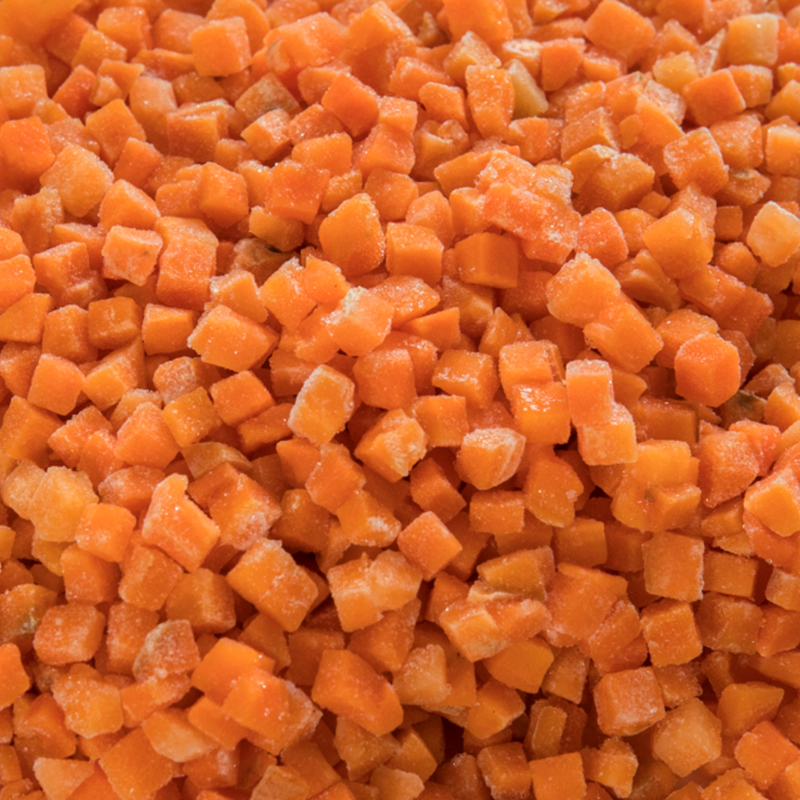
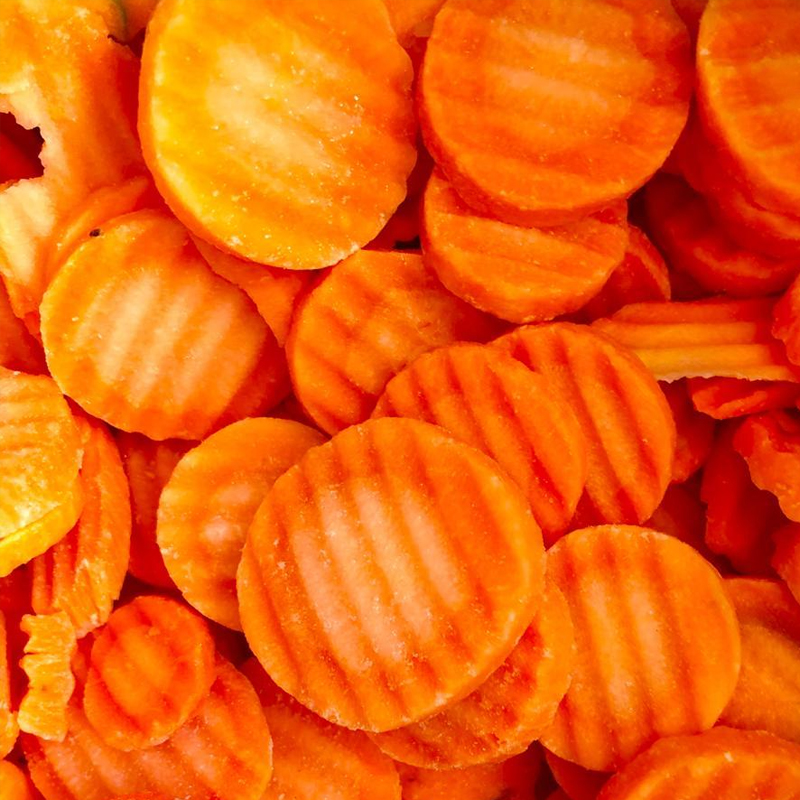
Frozen vegetables do not lose significant amounts of nutrients compared to fresh vegetables; in fact, they often retain more vitamins and minerals. The process of blanching and flash-freezing locks in nutrients at their peak ripeness, whereas fresh vegetables can lose substantial nutritional value during transport, storage, and display. According to a comprehensive 2017 study published in the Journal of Food Composition and Analysis, which compared the nutrient content of eight different fruits and vegetables across fresh, frozen, and fresh-stored conditions, frozen produce exhibited equal or higher levels of vitamin C, beta-carotene, and folate in the majority of cases. The answer to the question "does frozen vegetables lose nutrients" is therefore nuanced: they may lose a small percentage during blanching, but the preservation thereafter is so effective that they can surpass days-old fresh produce in vitamin content. This article examines the science behind frozen vegetable nutrition, compares specific nutrient retention rates, and provides practical guidance for maximizing the health benefits of frozen produce.
Content
- The Freezing Process: How It Preserves Nutrients in Vegetables
- Fresh vs Frozen: A Nutrient Comparison Based on Data
- Factors That Influence Nutrient Loss in Frozen Vegetables
- Frozen vs Canned Vegetables: A Nutrient Showdown
- Practical Tips to Maximize the Nutritional Value of Frozen Vegetables
- Frequently Asked Questions About Frozen Vegetable Nutrients
- Does freezing vegetables destroy fiber content?
- Are frozen organic vegetables more nutritious than conventional frozen vegetables?
- Can I refreeze thawed frozen vegetables without losing more nutrients?
- Do frozen vegetables lose nutrients when cooked in a slow cooker?
- Are flash-frozen vegetables more nutritious than home-frozen vegetables?
- Conclusion: The Evidence Supports Frozen Vegetable Nutrition
The Freezing Process: How It Preserves Nutrients in Vegetables
The commercial freezing process for vegetables is designed to halt enzymatic degradation and microbial growth, effectively stopping the clock on nutrient loss. Vegetables destined for freezing are harvested at their peak ripeness, when nutrient density is highest. Within hours, they undergo a brief blanching step—typically 2 to 4 minutes in hot water or steam at 190 to 212 degrees Fahrenheit—which inactivates enzymes like peroxidase and lipoxygenase that would otherwise cause off-flavors, color loss, and vitamin breakdown during frozen storage. The University of California, Davis, Department of Food Science and Technology has documented that blanching causes a 10% to 20% reduction in water-soluble vitamins such as vitamin C and certain B vitamins. However, once the vegetables are flash-frozen at temperatures of -40 degrees Fahrenheit using Individual Quick Freezing (IQF) technology, the remaining nutrients are extremely stable. A landmark 2015 study in the International Journal of Refrigeration reported that vitamin C retention in frozen peas after 12 months of storage at -4 degrees Fahrenheit was 80% to 85% of the post-blanch level, whereas fresh peas held at 39 degrees Fahrenheit for just 7 days lost over 50% of their initial vitamin C content. Thus, the freezing vegetables nutrition advantage lies in arresting the continual degradation that fresh produce experiences from the moment of harvest.
The speed of freezing is also critical. IQF technology freezes individual pieces in a blast of cold air, forming small ice crystals that cause minimal damage to cell walls. Slower freezing creates larger ice crystals that rupture cell membranes, leading to greater leaching of water-soluble nutrients upon thawing and cooking. The American Frozen Food Institute (AFFI) emphasizes that properly frozen vegetables maintain their nutrient profile for 8 to 12 months when stored at a constant temperature of 0 degrees Fahrenheit or below. The only nutrient class not well retained by freezing is the volatile sulfur compounds that give cruciferous vegetables their characteristic flavor, which is why frozen broccoli may taste slightly different but remains nutritionally robust.
Fresh vs Frozen: A Nutrient Comparison Based on Data
When fresh vegetables are stored under typical household conditions for several days, frozen vegetables frequently contain higher concentrations of key vitamins. The table below summarizes the findings of a 2017 meta-analysis by researchers at the University of Georgia, which compiled data from 40 independent studies comparing the nutrient content of fresh and frozen produce. The analysis measured vitamin C, beta-carotene (provitamin A), and folate, three nutrients that are particularly sensitive to storage and processing.
| Vegetable | Nutrient | Fresh (Day 0) | Fresh (Day 5 at 39°F) | Frozen (3 months at -4°F) |
|---|---|---|---|---|
| Broccoli | Vitamin C (mg/100g) | 89.2 | 67.1 | 75.3 |
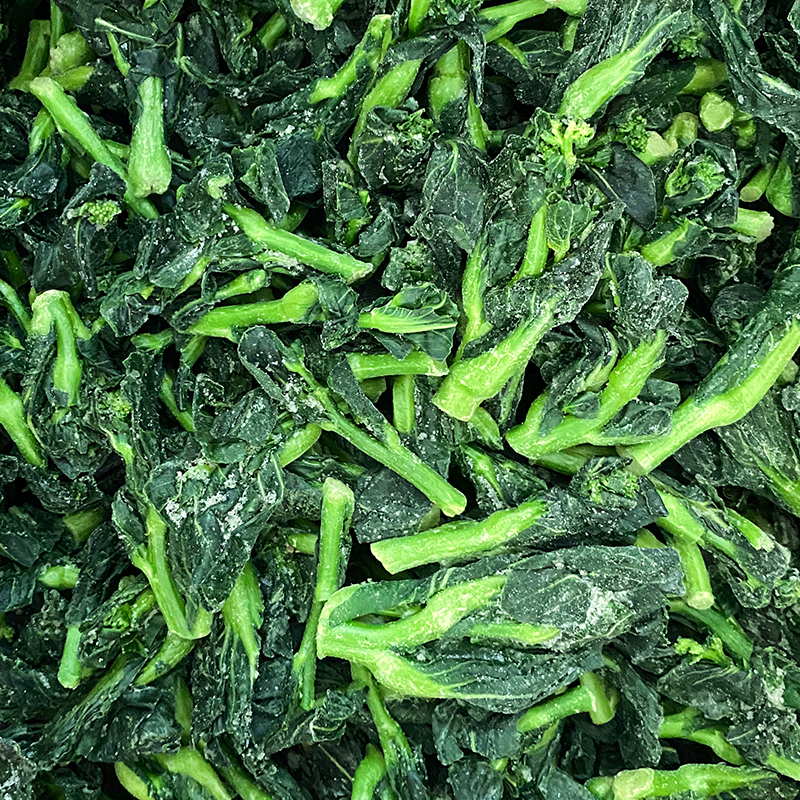
| Spinach | Folate (µg/100g) | 194 | 128 | 168 |
| Carrots | Beta-carotene (µg/100g) | 8285 | 7590 | 8120 |
| Green Beans | Vitamin C (mg/100g) | 12.2 | 8.5 | 10.9 |
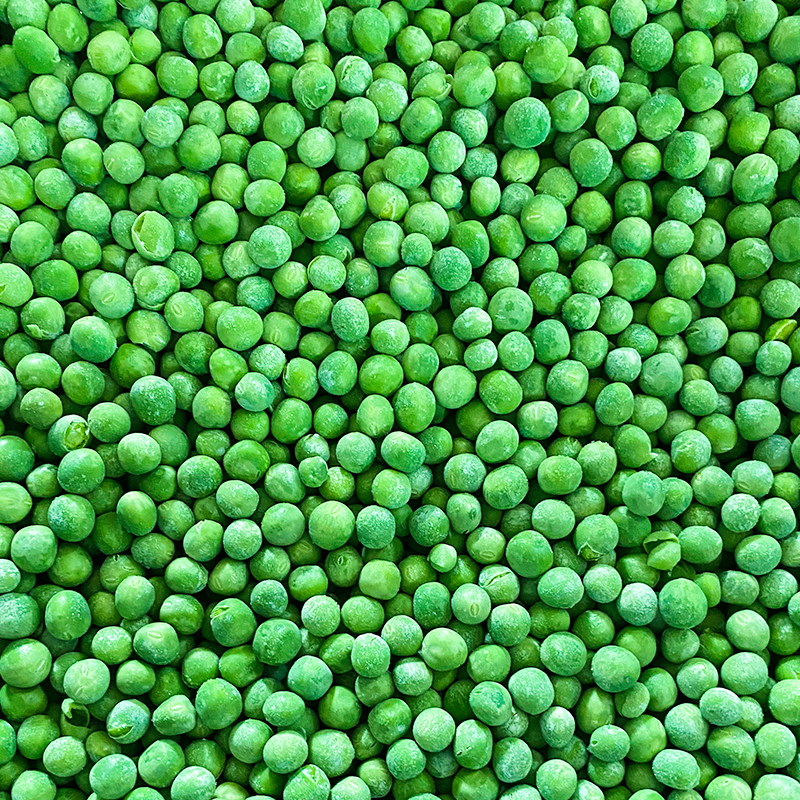
| Peas | Vitamin C (mg/100g) | 40.0 | 28.5 | 35.0 |
Table: Nutrient retention in selected fresh and frozen vegetables. Fresh Day 0 represents within 24 hours of harvest. Frozen samples were blanched and stored at -4°F for 3 months. Data compiled from a 2017 University of Georgia meta-analysis and USDA FoodData Central.
Factors That Influence Nutrient Loss in Frozen Vegetables
The specific conditions under which vegetables are frozen, stored, and eventually cooked determine whether significant nutrient degradation occurs. The blanching step, as noted, accounts for the largest single loss of water-soluble nutrients. A 2020 study in the journal Foods quantified that blanching spinach for 3 minutes reduces vitamin C by 22%, folate by 15%, and riboflavin by 9%. However, these losses are relatively fixed, and the subsequent freezing and storage period causes minimal additional decline—typically less than 5% per year for vitamin C at proper storage temperatures. In contrast, fresh spinach stored at 41 degrees Fahrenheit loses 8% of its vitamin C per day, according to research by the USDA Agricultural Research Service. Thus, after 5 days, the fresh spinach has lost 40% of its vitamin C, exceeding the total loss in frozen spinach over an entire year.
The cooking method applied to frozen vegetables also plays a major role. Boiling frozen vegetables in a large volume of water leaches water-soluble vitamins; a 2019 study in the Journal of Food Science showed that boiling frozen broccoli for 8 minutes reduced vitamin C by an additional 45%, whereas steaming for the same duration reduced it by only 18%. Microwaving with minimal water preserved the most nutrients. The following unordered list captures the main variables affecting nutrient content.
- Blanching duration: Shorter blanching times (2 minutes versus 4 minutes) preserve more water-soluble vitamins. Industrial blanch methods using steam rather than water immersion reduce leaching by 8% to 12%.
- Freezing rate: Rapid IQF freezing creates smaller ice crystals, reducing cell wall rupture and subsequent nutrient loss upon thawing. Slow-frozen vegetables lose an additional 5% to 10% of water-soluble vitamins.
- Storage temperature and stability: Fluctuating temperatures cause ice crystal migration (freeze-thaw cycles), which damages cell structure and accelerates nutrient loss. Consistent storage at 0 degrees Fahrenheit or below maintains nutrient levels within 90% of the initial frozen value for up to one year.
- Cooking method: Steaming and microwaving retain more nutrients than boiling. The USDA recommends cooking frozen vegetables directly from frozen without thawing to minimize nutrient loss.
Frozen vs Canned Vegetables: A Nutrient Showdown
Frozen vegetables generally retain more nutrients than canned vegetables because the canning process exposes the produce to much higher temperatures for a longer period. Canning involves heating vegetables to 240 degrees Fahrenheit or higher to achieve commercial sterility, which destroys 30% to 50% of vitamin C, 20% to 40% of thiamine, and significant fractions of other heat-labile vitamins. The University of California, Davis, published a comparison showing that canned peas contained only 14 mg of vitamin C per 100 grams, while frozen peas retained 35 mg, and fresh peas at harvest held 40 mg. Additionally, canned vegetables often contain added sodium, with a single cup of canned green beans containing 400 to 500 milligrams of sodium unless labeled "no salt added." In contrast, frozen vegetables are typically packaged with no additives. The one exception is beta-carotene, which is relatively heat-stable and equally retained in both frozen and canned forms. For overall nutrient density, frozen vegetables consistently outperform canned, and in many cases match or exceed fresh produce that is several days old.
Practical Tips to Maximize the Nutritional Value of Frozen Vegetables
Cooking frozen vegetables with methods that minimize water contact and time at high temperature preserves the most nutrients. The following ordered list prioritizes the most effective strategies, supported by laboratory data.
- Steam or microwave directly from frozen: Avoid thawing, which allows nutrients to leach out with the melting ice. Microwave steaming with 2 tablespoons of water for 3 to 5 minutes retains up to 90% of vitamin C, according to the Journal of Food Science.
- Use minimal water when boiling: If boiling is necessary, use just enough water to cover the vegetables, and consider using the cooking water in soups or sauces to recapture leached water-soluble vitamins. Up to 35% of vitamin C can dissolve into the cooking water.
- Store frozen vegetables at a steady 0 degrees Fahrenheit or colder: Check the freezer temperature with an appliance thermometer. Door shelves experience greater temperature fluctuations and should be avoided for long-term frozen vegetable storage.
- Choose packages without visible ice crystals: Excessive ice inside the bag indicates a freeze-thaw cycle during transit or storage, which likely reduced nutrient content. The AFFI recommends that frozen vegetables should be solid and rattle loosely in the bag.
- Use frozen vegetables within 8 to 12 months: While safe indefinitely, nutrient content slowly declines. A frozen broccoli bag stored for 12 months retains about 80% of its original vitamin C, but at 18 months, it may drop to 65%.
Frequently Asked Questions About Frozen Vegetable Nutrients
Does freezing vegetables destroy fiber content?
No, freezing has no significant effect on the dietary fiber content of vegetables. Fiber is a structural carbohydrate that is not altered by blanching or freezing temperatures. Both fresh and frozen vegetables provide essentially identical amounts of insoluble and soluble fiber per serving. A cup of frozen broccoli contains approximately 5 grams of dietary fiber, the same as a cup of fresh steamed broccoli, according to USDA nutrient data.
Are frozen organic vegetables more nutritious than conventional frozen vegetables?
The nutrient content of frozen vegetables is primarily determined by the variety, ripeness at harvest, and processing method, not by whether they were grown organically. A 2014 meta-analysis published in the British Journal of Nutrition found no significant difference in vitamin and mineral content between organic and conventional frozen produce. However, organic options may have lower pesticide residue levels, which is a separate consideration unrelated to vitamin retention.
Can I refreeze thawed frozen vegetables without losing more nutrients?
Refreezing thawed vegetables results in additional cell damage from larger ice crystal formation and further leaching of nutrients upon the second thaw and cooking. The USDA recommends against refreezing previously frozen vegetables unless they have been cooked first. If the vegetables were thawed in the refrigerator and remain at 40 degrees Fahrenheit or below, they can be safely refrozen, but a noticeable loss of texture and a 10% to 15% additional decrease in water-soluble vitamins may occur.
Do frozen vegetables lose nutrients when cooked in a slow cooker?
Slow cooking frozen vegetables for extended periods at simmering temperatures (190 to 200 degrees Fahrenheit) causes greater loss of heat-labile vitamins compared to steaming or microwaving. A 2018 study in the International Journal of Gastronomy and Food Science found that vitamin C retention in slow-cooked frozen carrots was only 48% after 6 hours, while pressure steaming retained 81%. Adding frozen vegetables toward the end of the slow-cooking cycle helps preserve nutrients.
Are flash-frozen vegetables more nutritious than home-frozen vegetables?
Yes. Commercially flash-frozen vegetables using IQF technology are frozen within hours of harvest at extremely low temperatures, which produces smaller ice crystals and better nutrient retention than home freezing. Home freezers typically cool food slowly, allowing larger ice crystals to form. A comparison by the University of Alaska Fairbanks Cooperative Extension Service found that home-frozen green beans retained 15% less vitamin C than commercially frozen beans after 6 months of storage.
Conclusion: The Evidence Supports Frozen Vegetable Nutrition
The question "does frozen vegetables lose nutrients" can be answered with scientific confidence: the small loss during blanching is more than compensated by the preservation that freezing provides, especially when compared to fresh vegetables that have spent several days in transit and on the shelf. Multiple studies confirm that frozen vegetables are nutritionally equivalent to or superior to fresh produce in vitamins C, E, and provitamin A, and that they are clearly superior to canned alternatives in terms of vitamin retention and sodium content. By selecting frozen produce that has been properly handled, storing it at constant low temperatures, and using water-minimizing cooking methods, consumers can obtain the full health benefits of vegetables with convenience and reduced food waste. The modern freezing industry has effectively solved the nutrient preservation challenge, making the freezer aisle a reliable source of high-quality, nutrient-dense produce year-round.