


 English
 中文简体
中文简体 日本語
日本語
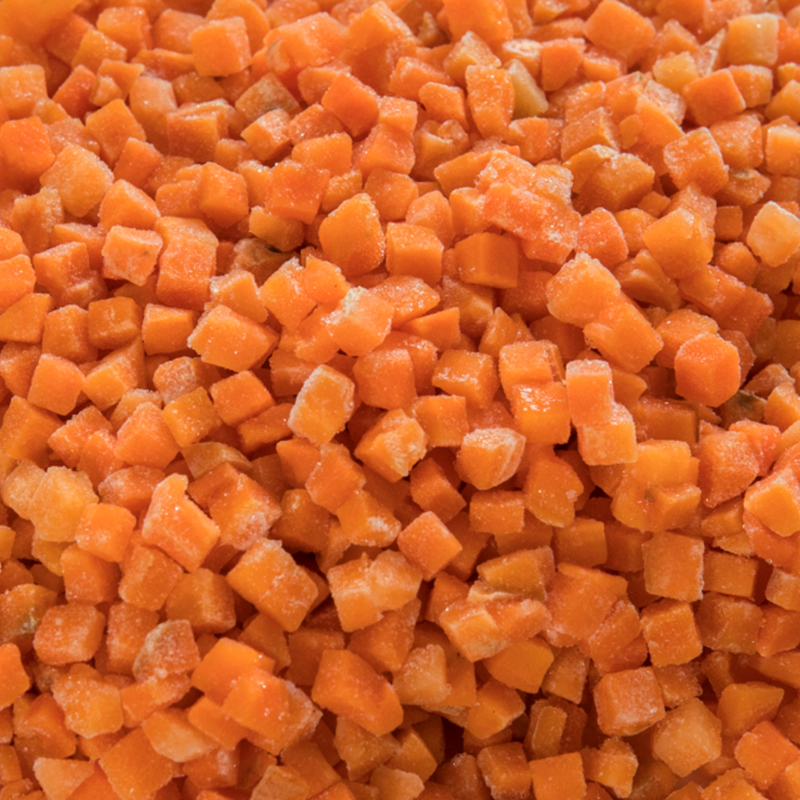
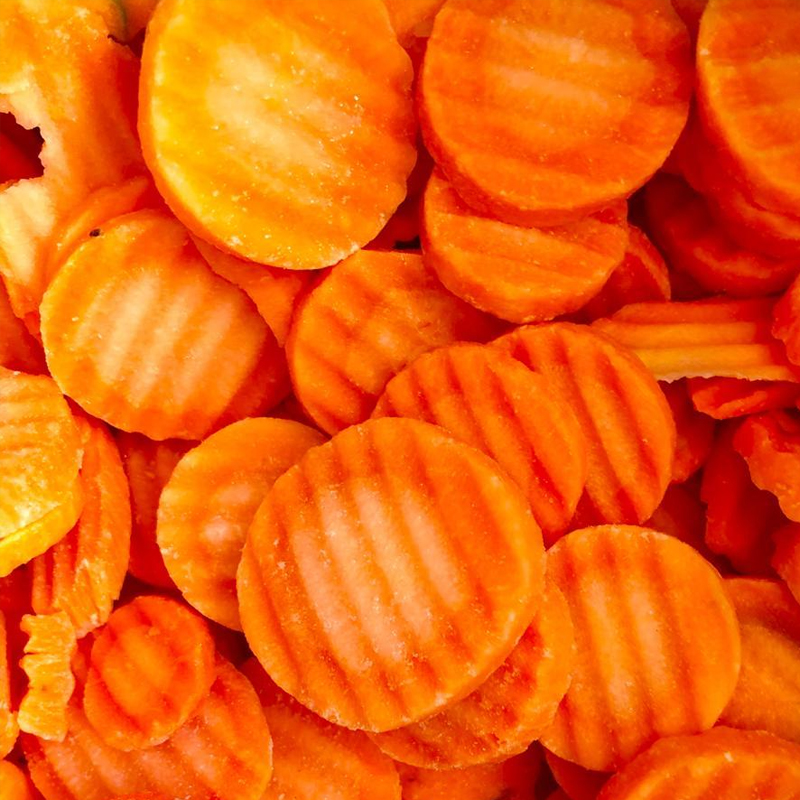
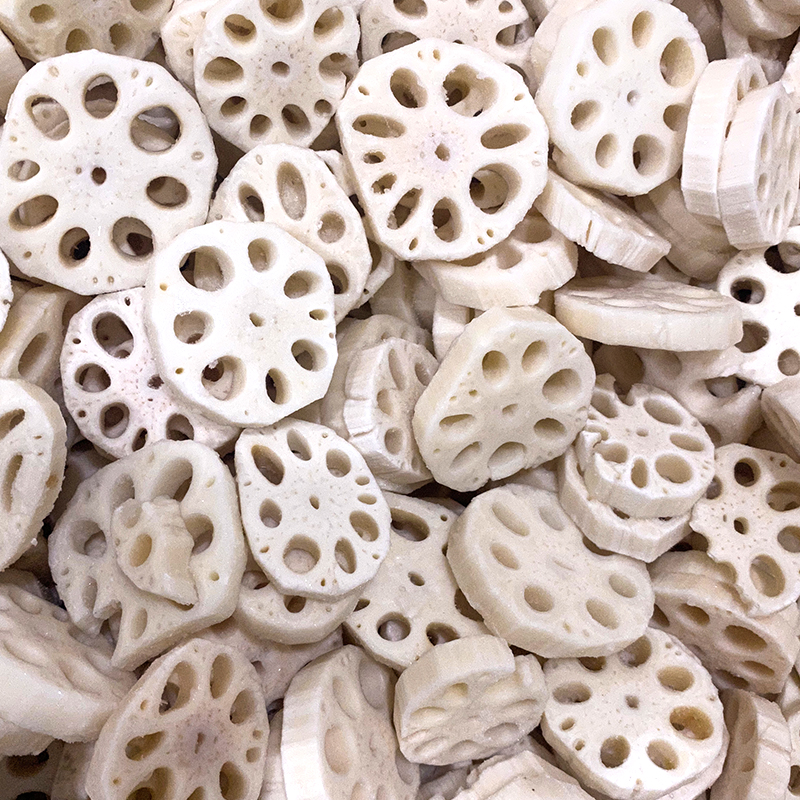
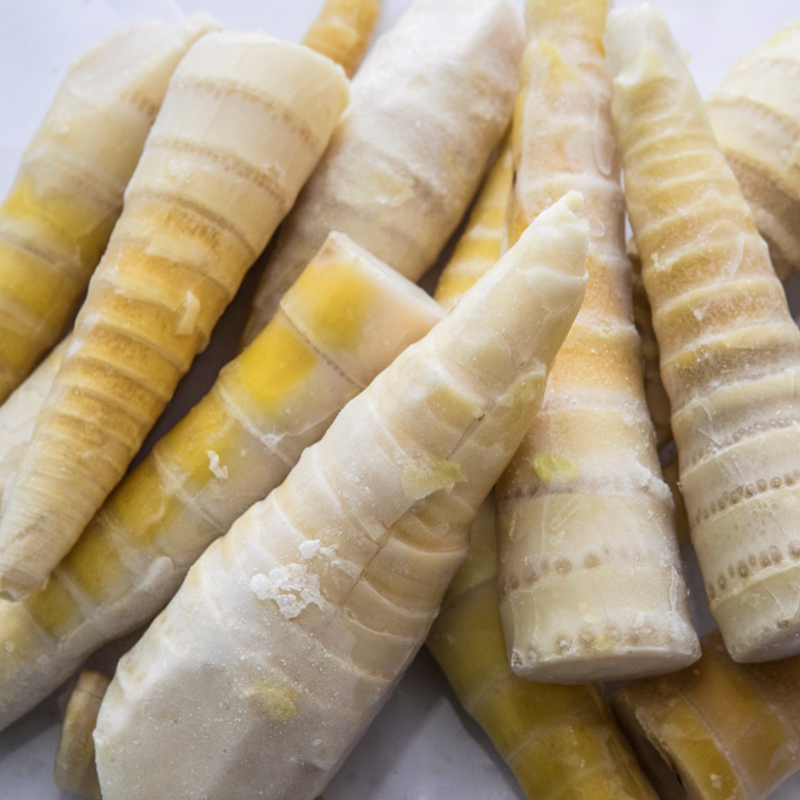

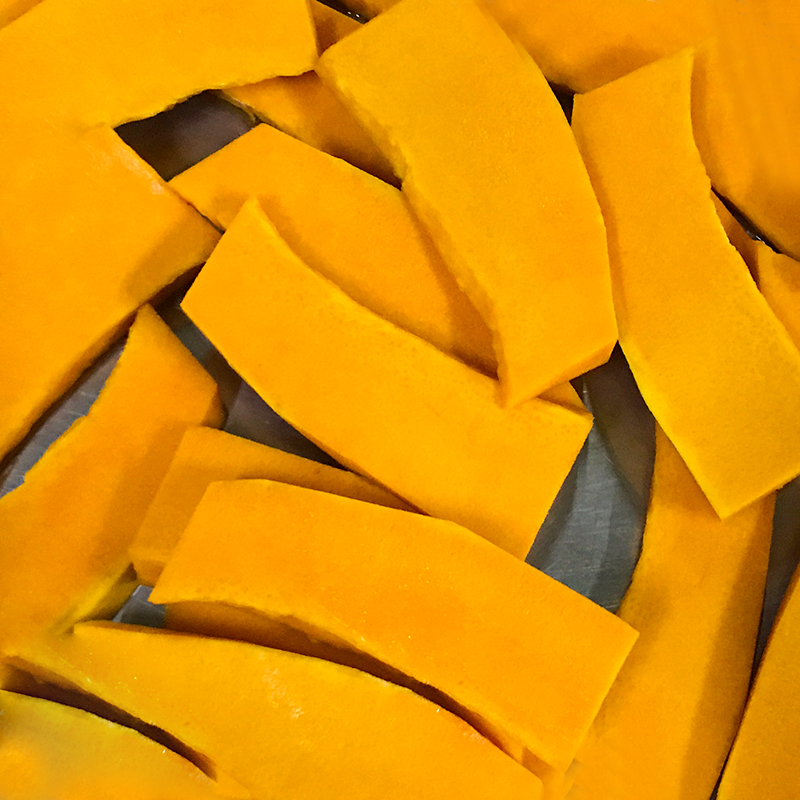
Frozen vegetables do not lose significant amounts of nutrients compared to fresh vegetables; in fact, they often retain...
READ MORE +
Our frozen vegetables undergo a rigorous selection process, ensuring that only the finest produce from pollution-free, fertile farmland is used. Grown naturally with minimal pesticides and fertilizers, our vegetables meet the standards of food safety and health right from the source.
We employ advanced quick-freezing technology to rapidly freeze freshly harvested vegetables at ultra-low temperatures. This process effectively preserves the vegetables' vitamins, minerals, and natural color while preventing ice crystal formation, maintaining their original taste, texture, and nutritional value.
Every step of our production process is subject to strict quality control and comprehensive food safety testing. We are committed to ensuring that each product not only complies with national standards but also meets rigorous international food safety requirements.
Frozen vegetables do not lose significant amounts of nutrients compared to fresh vegetables; in fact, they often retain...
READ MORE +The straightforward answer to how long do frozen vegetables last is that properly stored frozen vegetables remain safe ...
READ MORE +The short answer: in most side-by-side studies, frozen vegetables are nutritionally equal to — and sometimes even highe...
READ MORE +When comparing canned vs frozen vegetables, frozen generally retains more vitamins C and B due to flash-freezing at pea...
READ MORE +Frozen mixed vegetables are a smart, nutritious choice because they are picked at peak ripeness and flash-frozen within...
READ MORE +Frozen Vegetables Product Knowledge
1. What are Frozen Vegetables?
Frozen vegetables are frozen to below -18°C in a fraction of a second using Individually Quickly Freezing (IQF) technology, preserving their cellular structure and nutrients. Compared to conventional frozen vegetables, IQF prevents clumping and preserves the individual shape of each vegetable, resulting in a more authentic taste after thawing.
2. Core Advantages of Frozen Vegetables
Nutrient Preservation: Rapid freezing inhibits microbial and enzyme activity, reducing the loss of vitamins (such as vitamin C and B vitamins) and minerals.
Easy Storage: No need for washing or cutting, allowing for long-term storage (typically 12-24 months), reducing food waste.
Year-Round Availability: A stable supply of out-of-season vegetables (such as peas, corn, and carrots) is available, bypassing seasonal restrictions.
Safety and Hygiene: The production process includes multiple steps, including washing, blanching, cooling, and draining, and complies with food safety standards (such as HACCP and BRC).
3. Common Types and Uses of Frozen Vegetables
Yuyao Gumancang Food Co., Ltd.'s main products may include:
Leafy vegetables: spinach, broccoli, and asparagus (requires rapid pre-cooling to prevent yellowing).
Root vegetables: carrots, peas, and sweet corn kernels (highly sweet, suitable for baking or salads).
Beans: edamame and green beans (requires deveining to maintain crispness and tenderness).
Mixed vegetables: such as "mixed vegetable packs" (carrots, peas, and corn), widely used in fast food and convenience foods.
Applications:
Home cooking: hot pot, stir-fries, and stews (such as frozen peas and shrimp).
Food processing: frozen pizza toppings, canned goods, and pre-prepared meals (such as frozen fried rice side dishes).
Catering: standardized ingredient supply for chain restaurants and school/corporate cafeterias.
4. Frozen Vegetable Production Process (Using Yuyao Gumancang as an example)
Raw material inspection: testing for pesticide residues, freshness, and impurities. Pre-processing: Wash, peel, cut, and remove the core (e.g., shelling edamame).
Blanching: Briefly heat with hot water or steam (1-3 minutes) to inactivate enzyme activity and preserve color.
Cooling: Quickly cool with ice water to prevent overcooking.
IQF freezing: Quickly freeze vegetables at -30°C to -40°C in a fluidized bed freezer.
Metal detection and packaging: Remove foreign matter and package according to specifications (e.g., 250g/bag or 10kg/box).
Cold chain storage and transportation: Maintain temperature below -18°C throughout the entire process to avoid thawing and refreezing.
5. How to choose high-quality quick-frozen vegetables?
Appearance: Full, natural color (e.g., golden yellow for corn, emerald green for peas), free of lumps or ice crystals.
Packaging: Sealed tightly, free of damage or leaks, and marked with the production date and expiration date. Brand Reputation: Choose manufacturers that have achieved international certifications (such as BRC and ISO22000), such as Yuyao Gumancang Food Co., Ltd., whose products meet export standards.
6. Misconceptions about Frozen Vegetables
Myth 1: Frozen vegetables are less nutritious than fresh vegetables.
Fact: Frozen vegetables are frozen immediately after harvesting, resulting in less nutrient loss than "fresh" vegetables that undergo prolonged transportation.
Myth 2: Thawing vegetables requires refreezing.
Fact: Cooking should be done as soon as possible after thawing; repeated freezing can lead to a poor taste and bacterial growth.
Myth 3: Frozen vegetables contain preservatives.
Fact: Freezing technology itself inhibits bacteria, eliminating the need for preservatives.
7. Yuyao Gumancang's Differentiated Advantages
Origin Advantages: Located in the Ningshao Plain of Zhejiang Province, the warm and humid climate is ideal for vegetable cultivation, ensuring high freshness of raw materials.
Capacity and Equipment: Three fully automated IQF production lines process 8,000 tons of vegetables annually, supporting large-scale customized production. Cold Chain Logistics: 10,000 tons of daily storage capacity, supported by Ningbo Port and Xiaoshan Airport, enables rapid export to global markets.
Quality Control: Full traceability from cultivation base to finished product, aligning with our "Health First, Customer First" philosophy.
This is the strength we are about to show,
to understand our factory.
No.11 Zhengtong Road, Nanxinan Village, Xiao Cao'e Town, Yuyao City, Zhejiang Province, China.
+86-13588535486
+86-0574-62107885
+86-0574-62107885
