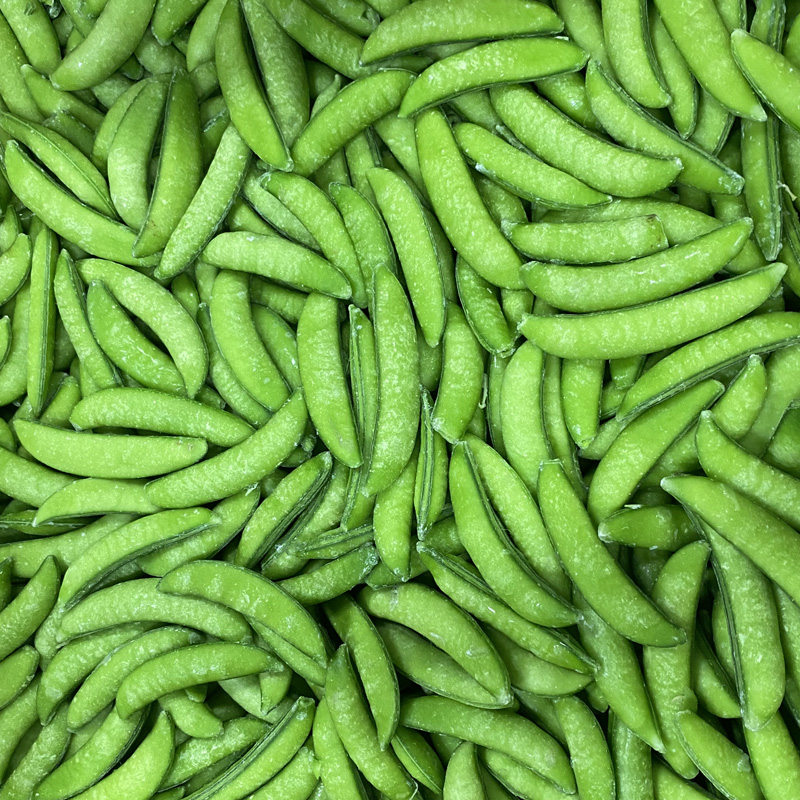
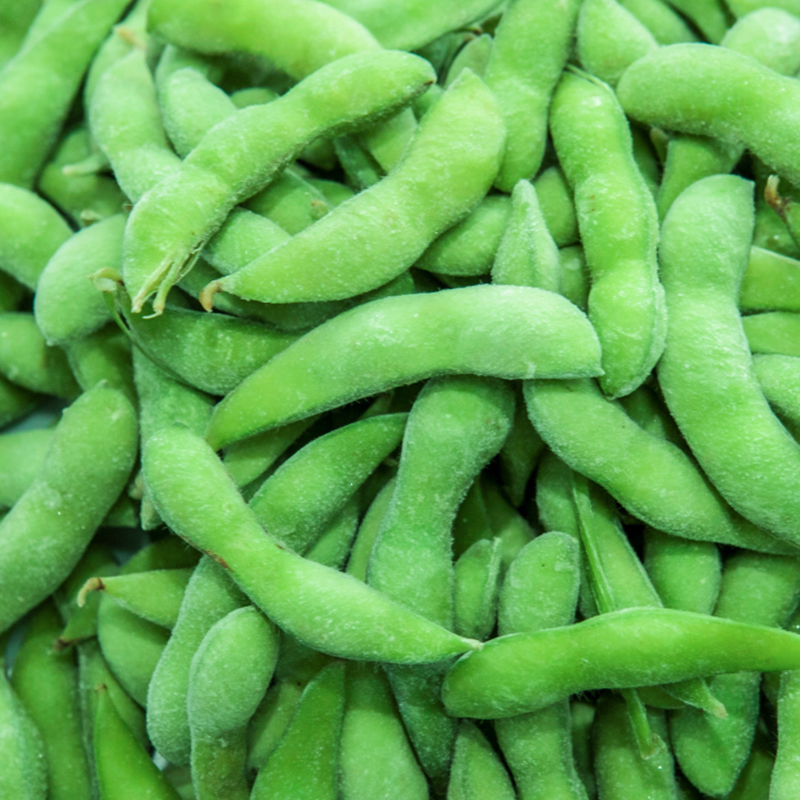
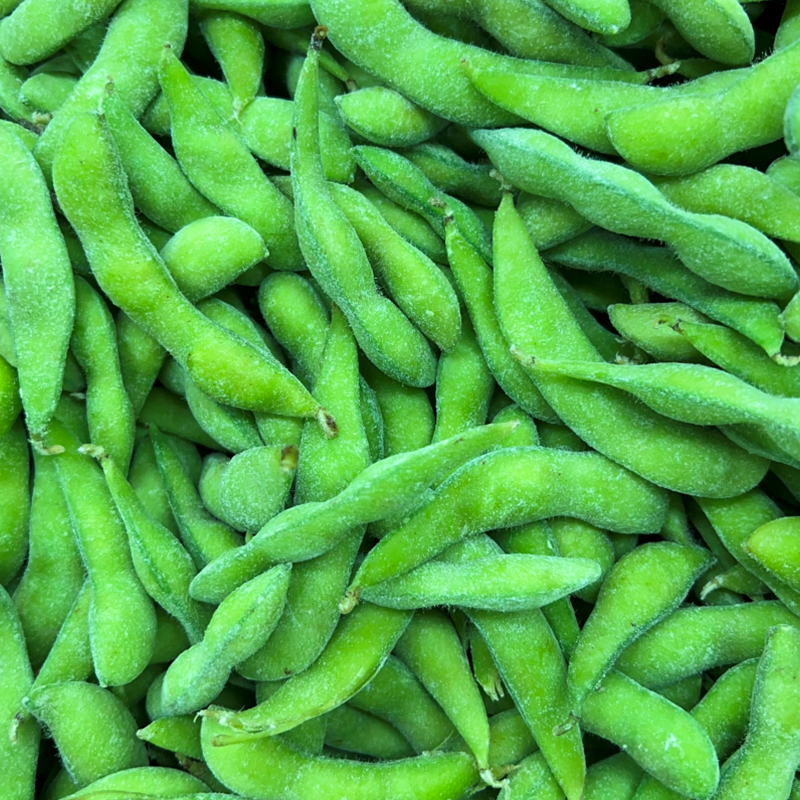
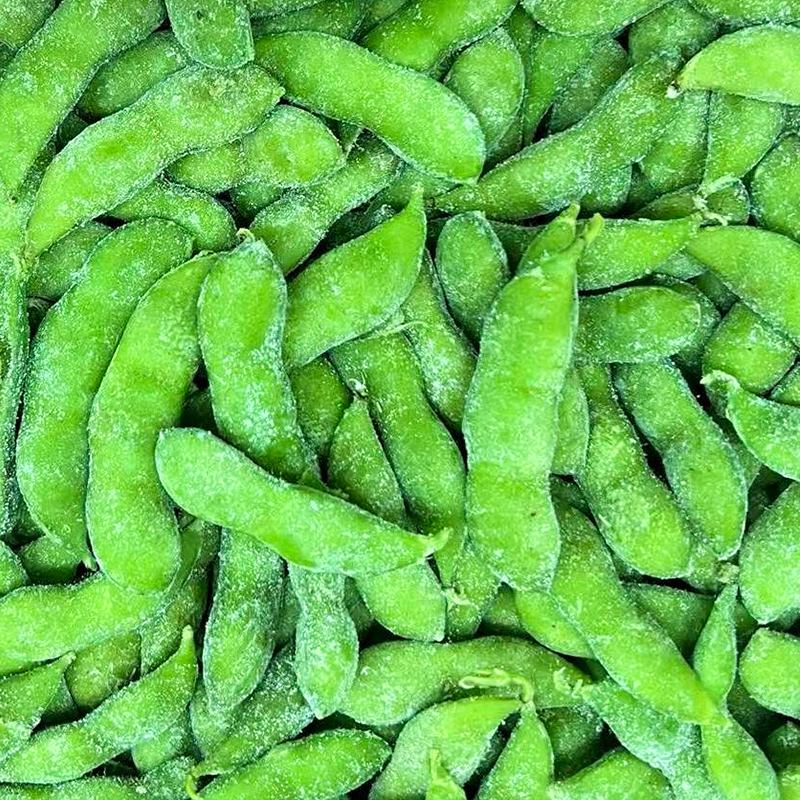
1. What are IQF Sugar Snap Peas?
IQF Sugar Snap Peas, commonly translated as "Individually Quickly Frozen Sugar Snap Peas," is a vegetable product that utilizes a specialized freezing technology. To understand it, we need to break it down into two core components: Sugar Snap Peas and IQF.
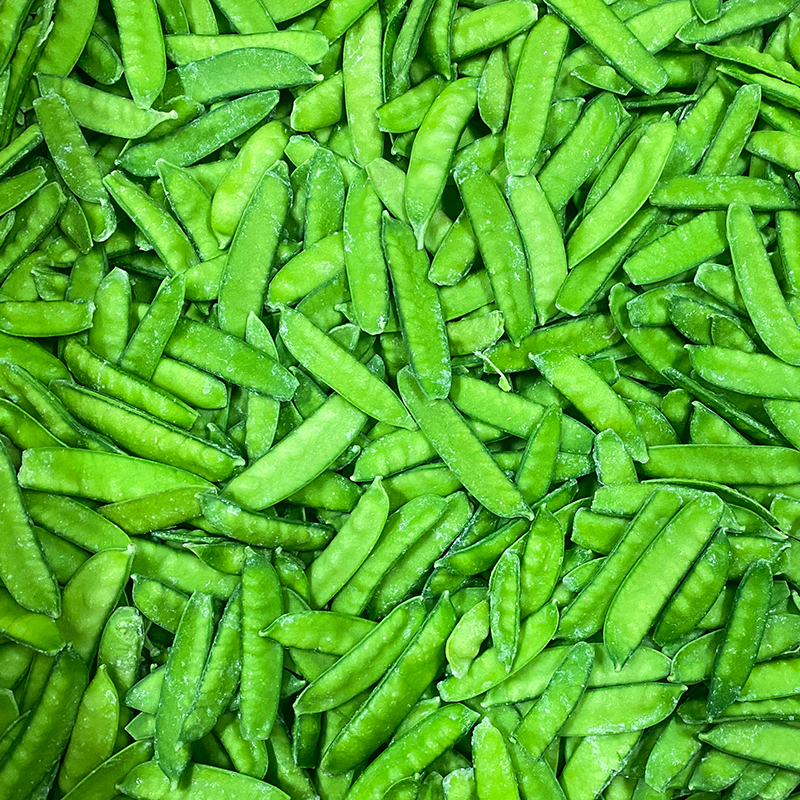
Sugar Snap Peas (Sugar Snap Peas) are a variety of field pea (Pisum sativum). Unlike common snow peas and garden peas, which are edible only after pod removal, they feature thick, crisp, tender, and sweet pods, and plump, full-bodied beans. Both the pods and the beans are edible, offering a crisp texture and rich bean flavor.
IQF (Individual Quick Freezing) is a key food processing technology. The process is rigorous and efficient. For example, at a professional food company like Yuyao Gumancang Food Co., Ltd., their fully automated IQF production line typically includes the following steps:
Pretreatment and Cleaning: After harvest, fresh honey beans are rigorously screened to remove impurities, diseased pods, and pests. They then undergo multiple cleaning steps to ensure cleanliness.
Blanching: This is a crucial step. The beans are blanched briefly in hot, high-temperature water to inhibit enzyme activity. If these enzymes are not removed, they will slowly work even in the frozen state, causing deterioration in the color, flavor, and texture of the vegetables. The blanching process requires precise control of time and temperature to achieve the optimal balance between sterilization and preserving nutrients and flavor.
Cooling: After blanching, the beans are immediately placed in cold water or air for rapid cooling, terminating the thermal process and preventing overcooking.
Individual Quick Freezing (IQF): This is the core step. After cooling, the pods are evenly spread in a low-temperature, high-speed freezing tunnel (IQF) or spiral freezer at -30°C to -40°C. Strong cold air is rapidly passed through the pods, forcing them through the "zone of maximum ice crystal formation" within a short period of time (usually a few minutes). This causes moisture inside and outside the pods to instantly condense into tiny, uniform ice crystals.
Packaging and Refrigeration: The frozen pods are separated to prevent them from clinging to each other. They are then weighed and packaged at low temperatures and immediately transferred to cold storage at -18°C or below. For example, Yuyao Gumancang Food Co., Ltd. boasts a daily storage capacity of 10,000 tons, ensuring consistent product quality throughout the cold chain.
The greatest advantage of IQF technology is that the tiny ice crystals barely pierce the plant's cell walls. Therefore, when IQF Sugar Snap Peas are thawed or cooked, minimal intracellular juice is lost, preserving their plump shape, crisp texture, and sweet flavor to the fullest extent possible.
2. What's the difference between IQF Sugar Snap Peas and conventional frozen peas?
Although both are ultimately frozen, IQF Sugar Snap Peas differ fundamentally from traditional block-frozen peas, primarily in the freezing method, finished product appearance, and quality experience.
Freezing Principle and Efficiency:
IQF (Individual Quick Freezing): As mentioned above, rapid freezing is achieved using high-velocity, low-temperature airflow, resulting in extremely efficient heat exchange.
Conventional Freezing: Large quantities of vegetables are typically placed in a stationary cold storage or plate freezer for slow freezing. Heat transfer is slow, and the freezing process is lengthy.
Finished Product Appearance:
IQF Products: Pods are individually packaged and loosely distributed within the packaging. Users can easily take the desired portion without thawing the entire product.
Conventional Frozen Products: During the slow freezing process, the outer portion of the pod freezes first, while moisture gradually seeps out and freezes together with adjacent pods, ultimately forming a solid block of ice. These pods must be broken or thawed whole before use.
Ice Crystals and Quality Impact:
IQF: Rapid freezing forms tiny ice crystals, minimizing damage to the cell structure and preserving cell integrity.
Conventional freezing: Slow freezing forms large, needle-like ice crystals, which can severely puncture cell walls. This results in a significant loss of juice (including vitamins, minerals, and flavor) after thawing, causing the product to become soft and collapsed, significantly reducing its taste and nutritional value.
Convenience and Waste:
IQF: Provides great flexibility, reducing unnecessary thawing and waste.
Conventional freezing: Whole pieces must be handled, resulting in waste and inconvenience.
Thus, IQF Sugar Snap Peas are not simply "frozen vegetables"; rather, they utilize advanced technology to lock in the "freshness" of the ingredients, resulting in a far superior quality compared to traditional block-frozen products.
3. How can I freeze IQF Sugar Snap Peas at home?
While the high-speed, low-temperature production of an industrial-grade IQF production line can't be fully replicated at home, by simulating its core steps, you can produce a homemade "IQF" version of honey beans that's far superior to directly frozen ones.
Tools Required: Refrigerator (preferably with a quick-freeze function), baking sheet, baking paper or silicone mat, large pot, and basin of ice water.
Instructions:
Selection and Cleaning: Select fresh, plump, unblemished, tender green honey beans. Discard old and damaged pods. Rinse thoroughly with clean water.
Trimming (Optional): Hand-tear the veins from the ends of the pods to improve the final texture.
Blanching: Add a small amount of salt to a large pot of boiling water. Add the honey beans in batches, keeping the water constantly boiling. Blanching time is critical, typically 60-90 seconds, until the pods develop a vibrant color. Avoid over-blanching.
Ice Bath Cooling: Immediately remove the pods with a slotted spoon and quickly plunge them into the prepared ice-water mixture to cool completely as quickly as possible. This step is crucial for stopping residual heat cooking and maintaining a crisp, tender texture. Ensure the pods are completely chilled, then remove and pat dry with paper towels to remove any excess moisture. The drier the surface, the less likely they will clump after freezing.
Pre-freezing (a key step in simulating IQF): Spread the dried pods in a single layer on a baking sheet lined with parchment paper, ensuring they do not overlap or touch each other. Place the entire baking sheet in the freezer (preferably with the quick freeze setting) and freeze for 1-2 hours, until each pod is completely frozen.
Store in a sealed container: Once the pods are individually frozen, remove them from the baking sheet and quickly place them in freezer-safe bags or vacuum-sealed bags. Remove any air from the bag and seal tightly. Label with the date and return to the freezer for storage.
This "pre-freezing" step effectively prevents the pods from freezing in the bag, simulating the IQF effect as closely as possible and making them easier to access later.
4. Can IQF Sugar Snap Peas be re-frozen after thawing?
Refreezing thawed IQF Sugar Snap Peas is strongly discouraged.
The reasons are based on two key considerations:
Severe Quality Deterioration: The initial thawing process melts tiny ice crystals. If re-frozen, the slow freezing process at home causes this moisture to form larger ice crystals, causing devastating secondary damage to the plant cells. Upon re-thawing, the product will completely lose its crisp texture and become mushy, losing all its juiciness and flavor.
Food Safety Risk: Freezing does not kill all microorganisms; it only inhibits their activity. During the thawing process, as the temperature rises, especially after prolonged thawing at room temperature, microorganisms begin to multiply rapidly. Refreezing will halt their growth but will not reduce the number of bacteria already present. Repeated freeze-thaw cycles significantly increase the risk of microbial contamination exceeding recommended limits, potentially leading to foodborne illness.
Therefore, the best practice is to consume as needed, cook, and consume immediately after thawing. If excessive thawing occurs, the peas should be cooked, refrigerated, and consumed within 1-2 days, but should not be re-frozen.
5. How can I tell the quality of IQF Sugar Snap Peas when purchasing them commercially?
When purchasing commercially, the quality of IQF Sugar Snap Peas can be determined by observing several sensory and packaging indicators.
Packaging and Labeling:
Packaging Integrity: Check that the packaging bag is intact, free of holes and frost. A damaged bag can cause freezer burn.
Content Appearance: Gently squeeze the bag; the peas should feel loose and separate. If large, hard lumps form inside the bag, the product may have been partially thawed and re-frozen during transportation or storage, impairing its quality.
Ice Crystals and Frost: A few fine frost flakes inside the bag are normal. However, the presence of large, coarse ice crystals or thick frost can also indicate temperature fluctuations.
Product Appearance (if the packaging is transparent and partially visible):
Color: High-quality IQF honey beans should be a uniform, bright emerald green. Avoid products that are whitish, yellow, or dull, as this indicates poor quality of the ingredients or improper blanching.
Appearance: The pods should be intact and plump, without visible cracks, shrinkage, or shrivelling.
Brand and Supply Chain:
Choose reputable suppliers with advanced production capabilities and strict quality control. For example, companies like Yuyao Gumancang Food Co., Ltd., which boast large-scale automated production lines and extensive warehousing capacity, often demonstrate their "people-oriented, scientific management, health first, and customer-centric" philosophy through rigorous control of the production process, ensuring product safety and consistency from the source. Understanding the manufacturer's production qualifications (such as the customs registration base mentioned above) is also a factor in assessing quality.



 English
 中文简体
中文简体 日本語
日本語