1. What is IQF Salted Edamame and its Benefits?
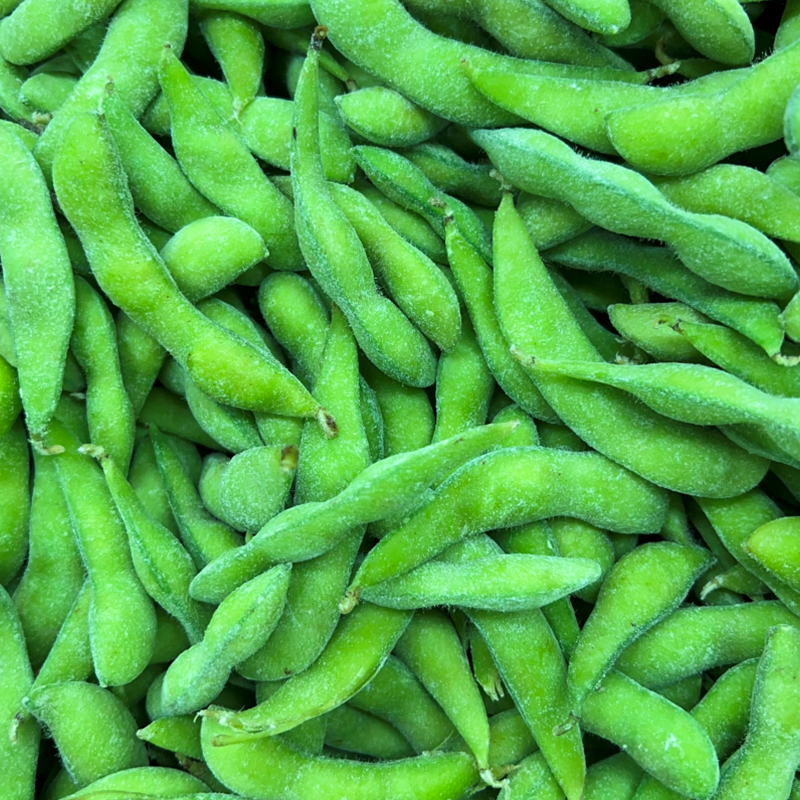
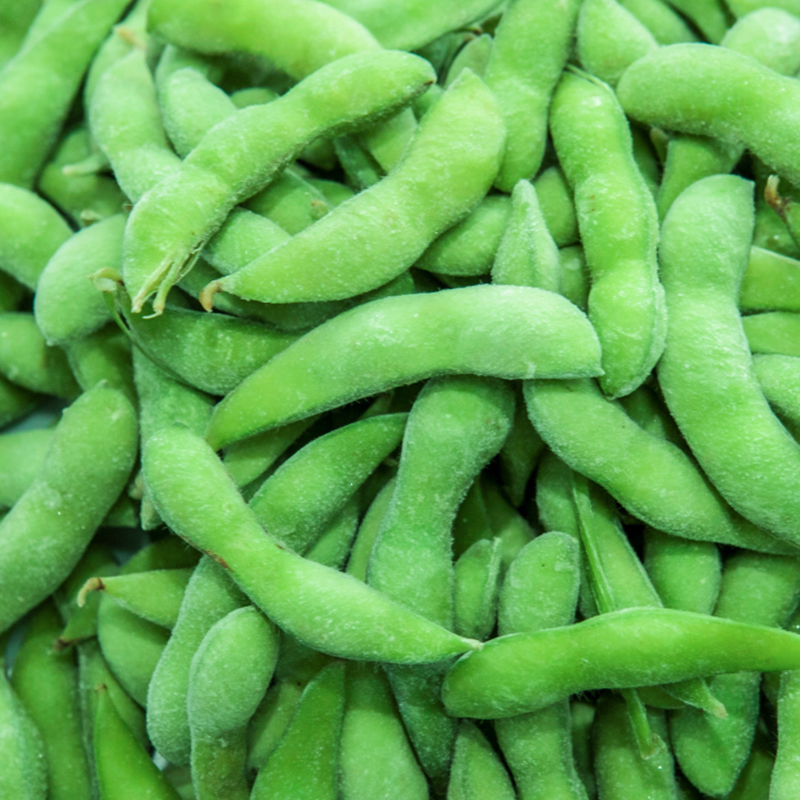
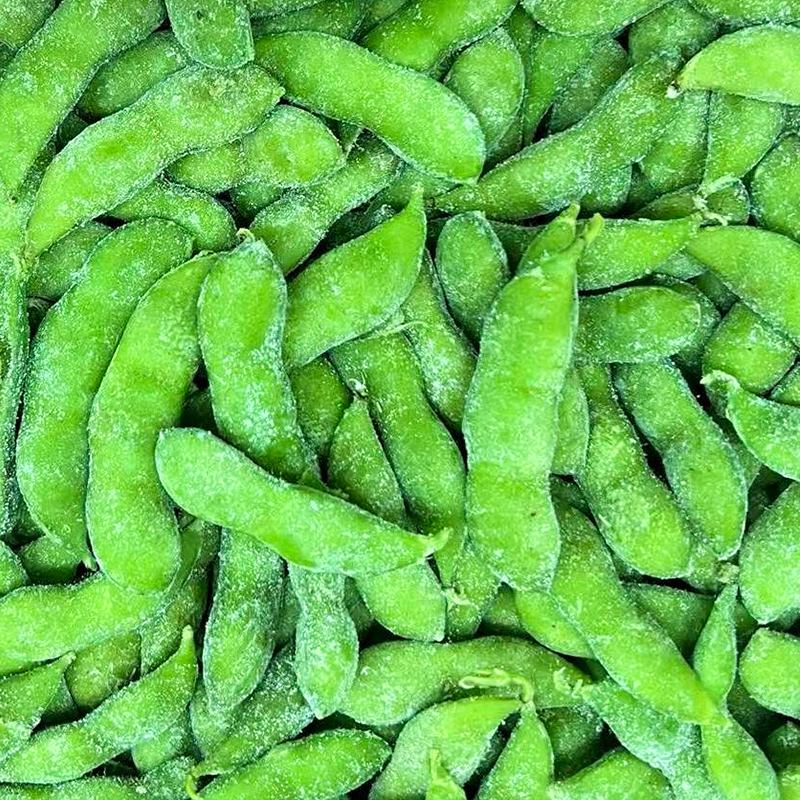
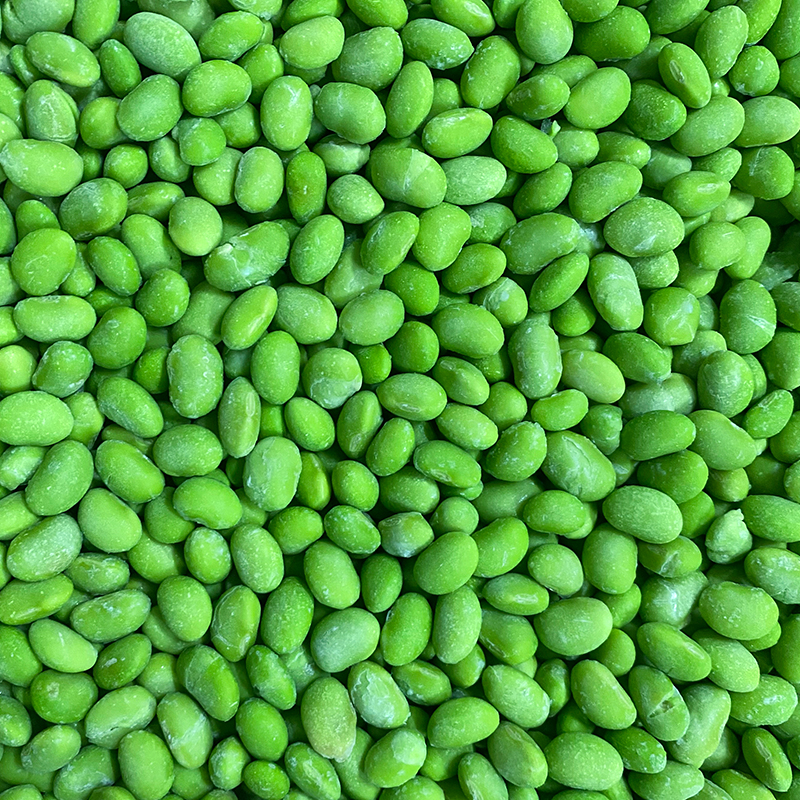
IQF Salted Edamame is a pre-cooked, seasoned, and Individual Quick Freezing (IQF) edamame. Edamame, or immature soybeans (Glycine max), are harvested while the pods are still green. After being washed, steamed, and seasoned with salt, they are frozen using IQF. IQF is an advanced freezing method that rapidly freezes food at extremely low temperatures, freezing each pod individually to prevent clumping and preserve the integrity and quality of the pods.
The advantages of IQF Salted Edamame are primarily reflected in the following aspects:
Nutritional Value Preservation: IQF technology quickly locks in the edamame's nutrients, such as protein, dietary fiber, vitamin C, and isoflavones, reducing nutrient loss associated with slow freezing.
Flavor and Taste: Rapid freezing effectively preserves the edamame's green appearance and crisp texture. The pre-added salt enhances its natural flavor, resulting in a taste similar to fresh edamame after thawing.
Convenience: As a pre-seasoned product, IQF Salted Edamame requires no additional seasoning, simplifying the cooking process and making it suitable for our fast-paced lives.
Food Safety: The IQF process inhibits microbial activity, reducing the risk of foodborne illness, while the precooking step ensures the edible quality of the beans.
For example, Yuyao Gumancang Food Co., Ltd. has introduced three fully automated IQF production lines (one for aquatic products and two for vegetables), with an annual processing capacity of 8,000 tons of vegetables and 6,000 tons of seafood, and a daily storage capacity of 10,000 tons. Its production adheres to the business philosophy of "people-oriented, scientific management, health first, and customer first," ensuring quality and safety control throughout the production process of IQF Salted Edamame.
2. How to properly thaw IQF Salted Edamame?
Proper thawing is critical to maintaining the quality of IQF Salted Edamame. Improper thawing can lead to softening, loss of nutrients, or microbial growth. The following are scientifically recommended thawing methods:
Refrigerated Thawing: Move the product from the freezer to the refrigerator (0-4°C) and let it rest for 4-6 hours. This temperature-controlled method minimizes quality changes and is suitable for planned meal preparation.
Cold Water Thawing: If time is tight, immerse the unopened package in cold water (less than 21°C), changing the water every 30 minutes. Thawing takes approximately 1-2 hours. Avoid using warm or hot water to prevent overheating of the surface and loss of texture.
Direct Cooking: For dishes that require heating, such as stir-fries or soups, cook directly from frozen. IQF technology separates the pods for easy immediate use, but requires a longer heating time to ensure the core temperature reaches the target.
Microwave Thawing: Use the defrost function of your microwave oven, heating briefly at low power, and checking frequently to avoid partial heating. This method requires caution to avoid overheating.
After thawing, it is recommended to consume as soon as possible and avoid refreezing to prevent quality degradation. All methods require a clean thawing environment that meets food safety standards.
3. What is the shelf life of IQF Salted Edamame?
The shelf life of IQF Salted Edamame depends on freezing conditions, packaging integrity, and production process. Under standard freezing conditions (-18°C or below), unopened product typically has a shelf life of 18-24 months. This shelf life is based on the following factors:
Temperature stability: Continuous temperatures below -18°C effectively inhibit enzyme activity and microbial growth, extending shelf life. Temperature fluctuations can cause ice crystal formation, disrupting cell structure and affecting quality.
Packaging quality: Vacuum or modified atmosphere packaging prevents freezer burn and oxidation, preserving product color and flavor. Damaged packaging will shorten shelf life.
Production process: Advanced production lines, such as Yuyao Gumancang Food Co., Ltd.'s fully automated IQF production line, use strict quality control to reduce the initial microbial load, thereby extending shelf life.
After opening, the product should be resealed and consumed as soon as possible, preferably within one month to ensure optimal quality. Companies are required to mark the expiration date on the packaging. Consumers should follow the instructions and regularly check the performance of their freezing equipment.
4. How can IQF Salted Edamame be paired with other ingredients?
Due to its salty, savory flavor and rich nutritional value, IQF Salted Edamame can be flexibly paired with a variety of ingredients and used in different cuisines. The following are objective pairing suggestions based on the protein and fiber properties of edamame:
Asian Cuisine: In Japanese cuisine, it can be used as an appetizer or side dish with sushi or rice. In Chinese cooking, it can be used in stir-fries (such as with chicken or shrimp) or added to noodle soups to enhance the taste and nutritional value.
Western Applications: In salads, combine with leafy greens, cherry tomatoes, and grains (such as quinoa) to provide plant-based protein. Use it as a pizza or pasta topping to add saltiness and texture contrast.
Snacks and Treats: Thaw directly for a healthy snack or mix with nuts and seeds to make a trail mix. It can also be incorporated into dips (such as edamame dip with avocado).
Fusion Creativity: Combine with roasted vegetables, meat, or tofu in bowls (such as Buddha bowls) for a balanced meal, or use as an alternative to fried foods to reduce fat intake.
When pairing, consider the salt balance and avoid over-seasoning. IQF technology ensures that the pods separate easily, making them easier to measure and use, improving cooking efficiency.
5. How to Choose High-Quality IQF Salted Edamame?
Selecting high-quality IQF Salted Edamame requires objective criteria, including appearance, packaging, labeling, and production information. The following is a scientifically rigorous selection guide:
Appearance Inspection: High-quality pods should be bright green, free of yellowing or black spots, indicating that the freezing process effectively preserved chlorophyll. Intact, well-separated pods, free of clumping or ice crystals, indicate successful IQF technology implementation.
Packaging Integrity: Choose products with intact, airtight packaging. Vacuum or sealed packaging prevents oxidation and contamination. The packaging should be clearly labeled with the production date, expiration date, and storage conditions.
Ingredients and Certifications: Check the label to ensure the ingredients are simple (e.g., just edamame, salt, and water) and free of unnecessary additives. Prioritize products with food safety certifications (e.g., HACCP, ISO). For example, Yuyao Gumancang Food Co., Ltd. maintains a production base registered with national customs, ensuring compliance with hygiene standards.
Company Information: Consider the company's production scale and technology, such as annual processing capacity and storage facilities (e.g., 10,000 tons per day). These data indirectly reflect the company's quality control capabilities. A company's philosophy (e.g., "scientific management") can be an indicator of its commitment to quality.
Purchasing Sources: Purchase from reliable retailers or branded channels to avoid products with inadequate temperature control. Cold chain integrity is crucial; verify that the product is frozen upon purchase.



 English
 中文简体
中文简体 日本語
日本語