

 English
 中文简体
中文简体 日本語
日本語
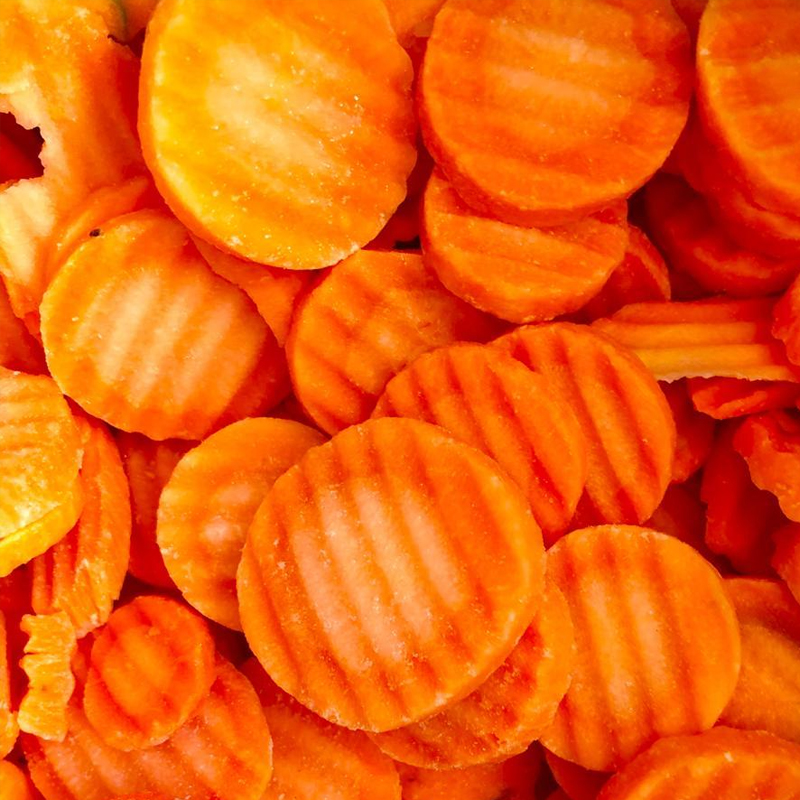
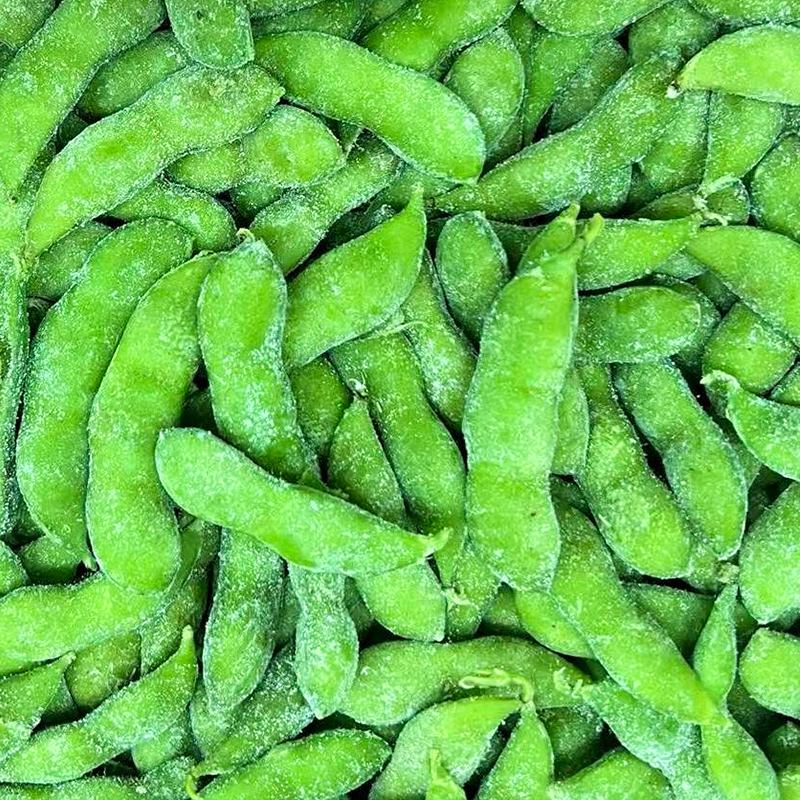
To cook frozen vegetables in a microwave, place them in a microwave-safe bowl, add 1 to 2 tablespoons of water, cover with a microwave-safe lid or damp paper towel, and heat on high for 3 to 5 minutes — stirring halfway through. Most frozen vegetables cook fully in under 5 minutes using this steam method, making the microwave one of the fastest and most nutrient-preserving cooking methods available. No thawing is required. This guide covers exact timings for every common vegetable type, container choices, seasoning tips, and the most common mistakes to avoid for perfectly cooked results every time.
Content
- Why the Microwave Is One of the Best Ways to Cook Frozen Vegetables
- Step-by-Step: The Basic Method for Microwaving Frozen Vegetables
- Microwave Cooking Times for Common Frozen Vegetables
- Best Containers for Microwaving Frozen Vegetables
- How to Season Microwaved Frozen Vegetables for the Best Flavor
- Microwave vs. Other Cooking Methods for Frozen Vegetables: A Full Comparison
- Common Mistakes When Microwaving Frozen Vegetables — and How to Avoid Them
- Cooking Frozen Vegetables from Bag to Bowl: Package Instructions vs. Manual Method
- Frequently Asked Questions About Cooking Frozen Vegetables in the Microwave
- Q: Do I need to thaw frozen vegetables before microwaving them?
- Q: Can I microwave frozen vegetables without adding any water?
- Q: Is it safe to microwave frozen vegetables in the plastic bag they come in?
- Q: Why do my microwaved frozen vegetables come out soggy?
- Q: How do I microwave a large batch of frozen vegetables evenly?
- Q: Can I add butter or oil before microwaving frozen vegetables?
- Q: How do I know when microwaved frozen vegetables are done?
- Q: Can I microwave frozen vegetables and then refrigerate and reheat them later?
- Final Summary: How to Cook Frozen Vegetables in a Microwave Perfectly Every Time
Why the Microwave Is One of the Best Ways to Cook Frozen Vegetables
Microwaving frozen vegetables is not just convenient — it is one of the most nutritionally efficient cooking methods you can use. Because the cooking time is so short and minimal water is involved, fewer water-soluble vitamins are lost compared to boiling.
Research published in food science journals has shown that boiling vegetables can destroy up to 50% of vitamin C and a significant portion of B vitamins through leaching into the cooking water. Microwaving with just a small amount of added water retains up to 90% of heat-sensitive nutrients in many vegetables, outperforming boiling, steaming over a pot, and even some roasting methods in nutrient preservation per cooking minute.
Frozen vegetables are also flash-frozen within hours of harvest, locking in peak nutritional content. In many cases, frozen broccoli, peas, and spinach contain equal or greater levels of vitamins and minerals than fresh produce that has been transported and stored for several days. Cooking them in the microwave preserves that nutritional advantage.
Step-by-Step: The Basic Method for Microwaving Frozen Vegetables
This simple five-step method works for virtually all types of frozen vegetables and produces consistently tender, evenly cooked results.
- Step 1 — Choose a microwave-safe container: Use a glass or ceramic bowl with a diameter large enough to spread the vegetables in a relatively even layer. A shallow, wide bowl cooks more evenly than a tall, narrow one because microwaves penetrate food from the outside in — a thinner layer means more uniform heat distribution.
- Step 2 — Add water: Add 1 to 2 tablespoons of water per cup of frozen vegetables. The water creates steam inside the covered container, which is what actually cooks the vegetables evenly and prevents them from drying out. Do not add too much water — more than 3 tablespoons per cup will cause boiling rather than steaming, which leaches nutrients and makes vegetables waterlogged.
- Step 3 — Cover the container: Cover tightly with a microwave-safe lid, a microwave-safe plate placed on top, or a damp paper towel. The cover traps steam inside, cooking the vegetables thoroughly. Never use plastic wrap that is not microwave-rated, and never cover with aluminum foil.
- Step 4 — Microwave on high: Cook on full power (typically 1,000 watts) for the time appropriate to your vegetable type (see timing chart below). For microwaves below 800 watts, add 1 to 2 minutes to the recommended time.
- Step 5 — Stir halfway and check doneness: At the halfway point, carefully remove the cover (steam is hot — lift the far edge first), stir or toss the vegetables, re-cover, and continue cooking. Check doneness by piercing the thickest piece with a fork — it should be tender with slight resistance. Do not overcook; most vegetables go from perfectly done to mushy within 60 seconds.
Microwave Cooking Times for Common Frozen Vegetables
Cooking times vary significantly between vegetable types based on density, water content, and piece size — using the right time for each vegetable is the single most important factor in achieving the correct texture. The following chart is based on a 1,000-watt microwave using 1 cup (approximately 150g) of frozen vegetables with 1 to 2 tablespoons of water in a covered container.
| Frozen Vegetable | Microwave Time (1 cup) | Target Texture | Notes |
|---|---|---|---|
| Peas | 2 to 3 minutes | Tender, bright green | Very fast; watch closely |
| Corn (kernels) | 3 to 4 minutes | Juicy, slightly firm | No extra water needed |
| Spinach | 3 to 4 minutes | Wilted, tender | Drain excess water after cooking |
| Edamame (shelled) | 3 to 4 minutes | Tender, slightly firm | Add a pinch of salt after |
| Green Beans | 4 to 5 minutes | Tender-crisp | Stir at 2-minute mark |
| Broccoli florets | 4 to 5 minutes | Tender-crisp, bright green | Do not overcook; turns yellow |
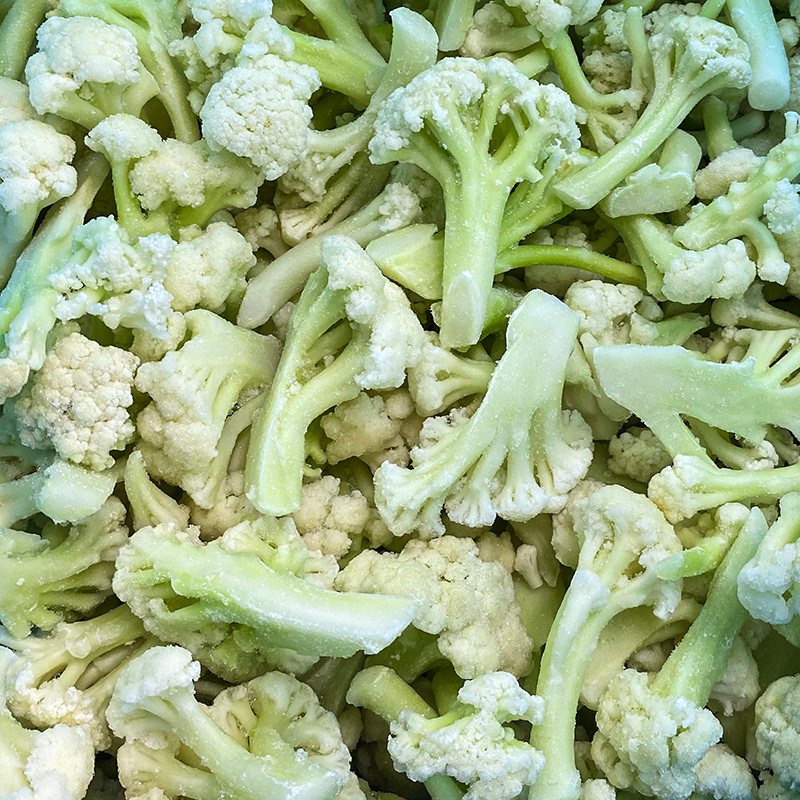
| Cauliflower florets | 4 to 6 minutes | Tender with slight bite | Larger pieces may need 6 min |
| Mixed vegetables | 4 to 6 minutes | Uniformly tender | Stir at halfway point |
| Brussels sprouts | 5 to 7 minutes | Tender throughout | Halve large sprouts before cooking |
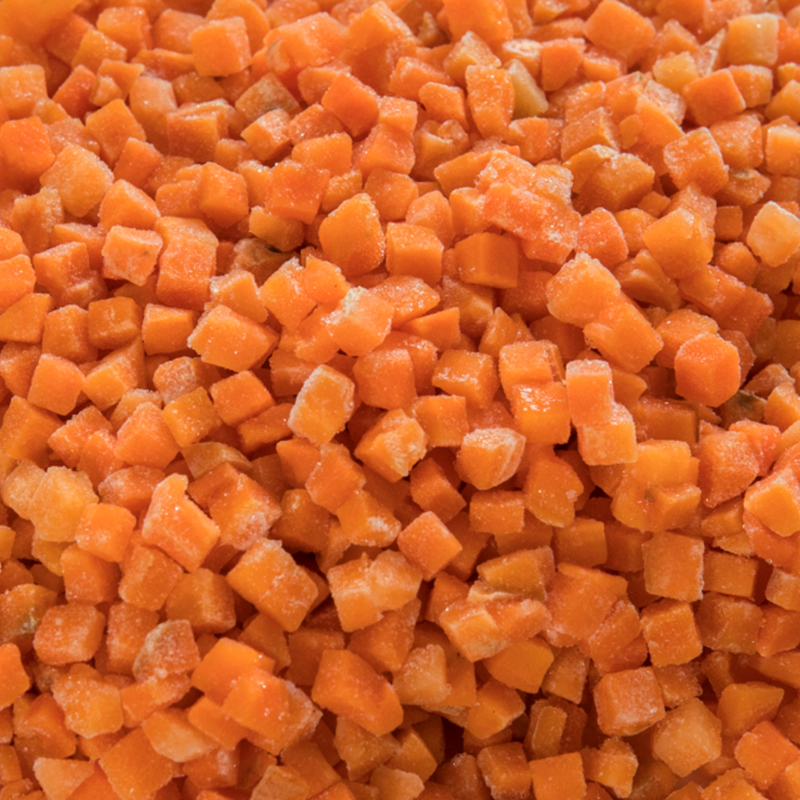
| Carrots (sliced) | 5 to 7 minutes | Tender, not mushy | Dense; use 2 tbsp water |
| Butternut squash (cubed) | 6 to 8 minutes | Fork-tender | Stir once; add butter after |
| Artichoke hearts | 6 to 8 minutes | Tender, slightly firm center | Check at 6 min; very dense |
Table 1: Microwave cooking times and target textures for common frozen vegetables at 1,000 watts using 1 cup portions.
Important: All times are for a 1,000-watt microwave. If your microwave is rated at 700–800 watts, add 1 to 2 minutes. If it is rated at 1,200 watts or above, reduce time by 30 to 60 seconds and check earlier to avoid overcooking.
Best Containers for Microwaving Frozen Vegetables
The container you use has a direct impact on cooking evenness, safety, and ease — not all microwave-safe containers perform equally for steaming vegetables.
| Container Type | Safety Rating | Heat Distribution | Recommended |
|---|---|---|---|
| Glass bowl with glass lid | Excellent | Excellent | Best choice |
| Ceramic bowl with plate cover | Excellent | Very good | Highly recommended |
| Microwave-safe plastic container | Good (if labeled safe) | Good | Acceptable |
| Damp paper towel wrap | Safe | Moderate | Good for small portions |
| Microwave steamer basket | Excellent | Excellent | Best for frequent use |
| Non-microwave-rated plastic | Unsafe | N/A | Never use |
| Metal containers or foil | Unsafe | N/A | Never use |
Table 2: Microwave container types rated for safety, heat distribution, and suitability for cooking frozen vegetables.
A dedicated microwave steamer — a two-part container with a perforated inner basket that holds vegetables above a water reservoir — is the most consistent tool for microwaving frozen vegetables if you do this frequently. It produces steam from below, cooks vegetables evenly without waterlogging, and eliminates the guesswork of how much water to add.
How to Season Microwaved Frozen Vegetables for the Best Flavor
Seasoning after cooking — not before — is the key to great-tasting microwaved vegetables, because seasonings applied before microwaving can inhibit steam and produce uneven results.
The most effective flavor approach is to cook the vegetables plain with just water, then toss them immediately after cooking while they are still hot with your chosen seasonings. The residual heat helps fats and spices coat and penetrate the vegetables.
Simple Seasoning Ideas by Vegetable Type
- Broccoli and cauliflower: Toss with olive oil, lemon juice, garlic powder, and a pinch of red pepper flakes. For a richer flavor, add a tablespoon of grated Parmesan immediately after cooking.
- Peas and corn: A small knob of butter (about 1 teaspoon), sea salt, and fresh cracked black pepper is all you need. For a more elevated result, add a squeeze of fresh lime and a pinch of cumin.
- Green beans: Toss with sesame oil, a dash of soy sauce, and toasted sesame seeds for an Asian-inspired side dish ready in under 6 minutes total.
- Spinach: After draining excess water, toss with olive oil, minced garlic (or garlic powder), and a squeeze of lemon. A pinch of nutmeg complements spinach particularly well.
- Carrots and squash: Butter, a pinch of cinnamon or cumin, and a drizzle of honey create a sweet-savory profile that complements the natural sweetness of these vegetables.
- Mixed vegetables: Italian seasoning, olive oil, garlic salt, and a squeeze of lemon creates a versatile all-purpose seasoning that works with virtually any combination.
Microwave vs. Other Cooking Methods for Frozen Vegetables: A Full Comparison
Microwaving frozen vegetables consistently wins on speed and nutrient retention, though other methods offer textural or flavor advantages in specific situations. Here is how each method compares:
| Cooking Method | Average Time | Nutrient Retention | Texture Result | Best For |
|---|---|---|---|---|
| Microwave | 3 to 7 minutes | Up to 90% | Tender-crisp to soft | Speed, nutrition, daily use |
| Stovetop steaming | 8 to 15 minutes | 75 to 85% | Tender-crisp | Consistent texture, large batches |
| Boiling | 5 to 10 minutes | 50 to 65% | Soft, sometimes waterlogged | Soups, purees, mashing |
| Roasting (oven) | 20 to 35 minutes | 65 to 80% | Caramelized, crispy edges | Flavor development, meal prep |
| Air fryer | 10 to 18 minutes | 70 to 80% | Crispy, slightly charred | Crispy texture, snacking |
| Sauteing (stovetop) | 8 to 12 minutes | 65 to 75% | Lightly browned, tender | Flavor, stir-fry applications |
Table 3: Comparison of cooking methods for frozen vegetables across time, nutrient retention, texture, and best-use scenarios.
The takeaway is clear: use the microwave for speed and nutrition on weeknights; use the oven or air fryer when texture and caramelized flavor matter most, such as when serving as a featured side dish. For soups and purees, boiling is fine since the liquid is consumed.
Common Mistakes When Microwaving Frozen Vegetables — and How to Avoid Them
Most unsatisfying results from microwaved frozen vegetables come from a small set of easily avoidable errors — overcooking, too much water, and skipping the cover are the three most common.
- Not covering the container: Without a cover, steam escapes and the vegetables heat unevenly — the outer pieces cook while the center remains partially frozen. Always cover. This single step makes the biggest difference in cooking evenness.
- Adding too much water: More than 3 tablespoons of water per cup of vegetables causes boiling rather than steaming, resulting in waterlogged, nutrient-depleted vegetables. Use 1 to 2 tablespoons only.
- Overcooking: The most common mistake. Microwave cooking continues briefly after the microwave stops due to residual heat. Remove vegetables at the lower end of the recommended time range, let them sit covered for 1 minute, then check. You can always add 30 seconds; you cannot undo mush.
- Cooking directly in the frozen bag: Many frozen vegetable bags are not safe for microwave use — check for an explicit "microwave-safe" label before doing this. Bags without this label may leach chemicals when heated or create uneven steam pressure inside the sealed bag.
- Not stirring halfway through: The outer vegetables receive more microwave energy than those in the center. Stirring at the halfway point redistributes heat and ensures every piece cooks evenly to the same doneness.
- Mixing vegetables with very different cooking times: Combining carrots (5 to 7 minutes) with peas (2 to 3 minutes) in a single bowl will result in overcooked peas or undercooked carrots. Cook dense, longer-cooking vegetables separately, or add quick-cooking vegetables halfway through the cooking time of slower ones.
- Opening the cover immediately: The steam inside a covered bowl after microwaving is extremely hot and concentrated. Always lift the far edge of the cover away from you to let steam escape before fully removing it, to avoid burns.
Cooking Frozen Vegetables from Bag to Bowl: Package Instructions vs. Manual Method
Package microwave instructions are a useful starting point but are often calibrated to produce soft rather than tender-crisp results — reduce the stated time by 20 to 30% for better texture.
Frozen vegetable packaging instructions are written to ensure the product is fully cooked for a wide range of microwave wattages, which means they tend to err on the high side. A package that says "microwave for 6 minutes" in a 1,000-watt microwave may be fully done at 4 minutes if you prefer vegetables with some texture remaining.
Some bags are explicitly labeled as "steam in bag" and are made from microwave-safe, vented film specifically designed for in-bag cooking. These are safe and convenient for single-use portions and produce reliable results. However, for environmental and economic reasons — and for more control over portion size and seasoning — transferring vegetables to a reusable glass or ceramic container is generally the better long-term habit.
Frequently Asked Questions About Cooking Frozen Vegetables in the Microwave
Q: Do I need to thaw frozen vegetables before microwaving them?
No — you should cook frozen vegetables directly from frozen. Thawing before microwaving makes them more likely to become waterlogged and mushy during cooking, because thawed vegetables release water as they heat. Cooking straight from frozen produces better texture and reduces total preparation time.
Q: Can I microwave frozen vegetables without adding any water?
For most frozen vegetables, yes — but results are less consistent. Frozen vegetables contain ice crystals from the freezing process that melt during microwaving and provide some steam. However, for dense vegetables like carrots, Brussels sprouts, and cauliflower, adding 1 to 2 tablespoons of water significantly improves evenness and prevents dry spots. Leafy vegetables like spinach and delicate ones like peas can usually be microwaved without added water.
Q: Is it safe to microwave frozen vegetables in the plastic bag they come in?
Only if the bag is explicitly labeled as microwave-safe or "steam in bag." Standard frozen food bags — the ones without any microwave-safe labeling — are not designed for microwave use and may melt, release plastic particles into the food, or build up dangerous steam pressure if the bag is sealed. When in doubt, transfer to a microwave-safe container.
Q: Why do my microwaved frozen vegetables come out soggy?
Sogginess is almost always caused by one of three things: too much water added before cooking, overcooking, or thawing the vegetables before microwaving. Use no more than 1 to 2 tablespoons of water, cook at the lower end of the recommended time range, and always cook from frozen. Draining any accumulated water immediately after cooking also helps — letting vegetables sit in residual water continues to soften them.
Q: How do I microwave a large batch of frozen vegetables evenly?
For portions larger than 2 cups, spread vegetables in a single layer in a wide, shallow dish rather than piling them deep in a narrow bowl. Add an extra tablespoon of water per additional cup. Stir every 2 minutes rather than just once. For very large batches (4 or more cups), consider splitting into two containers and cooking in sequence, or use the stovetop steaming method which handles large quantities more evenly.
Q: Can I add butter or oil before microwaving frozen vegetables?
It is better to add fat after cooking rather than before. Butter and oil do not contribute to steaming and can cause uneven heating — oil in particular can reach very high temperatures in a microwave, potentially creating hot spots that scorch some vegetables while others remain undercooked. Add your butter, olive oil, or sauce after microwaving for better flavor distribution and more consistent cooking results.
Q: How do I know when microwaved frozen vegetables are done?
Pierce the thickest piece with a fork or sharp knife. For tender-crisp vegetables (broccoli, green beans, carrots), there should be slight resistance — the fork goes in but with a small push. For fully tender vegetables (spinach, peas, squash), the fork should slide in without resistance. Color is also a good indicator — green vegetables like broccoli and peas should be bright, vivid green; if they turn olive or dull yellow-green, they are overcooked.
Q: Can I microwave frozen vegetables and then refrigerate and reheat them later?
Yes. Cook, season, and cool the vegetables completely within 2 hours of cooking, then store in an airtight container in the refrigerator for up to 3 days. When reheating, add a splash of water, cover, and microwave on 70% power for 1 to 2 minutes rather than full power, which will reheat without further softening the texture. Avoid refreezing cooked vegetables — the texture degrades significantly on a second freeze-thaw cycle.
Final Summary: How to Cook Frozen Vegetables in a Microwave Perfectly Every Time
The formula for perfectly microwaved frozen vegetables is simple: the right container, just enough water, a tight cover, the correct time for your vegetable type, a stir at the halfway point, and seasoning after cooking.
Use a wide, shallow glass or ceramic bowl. Add 1 to 2 tablespoons of water per cup of vegetables. Cover tightly. Cook at full power for 3 to 7 minutes depending on the vegetable. Stir halfway. Check doneness with a fork. Season immediately after cooking while hot. Drain any excess water promptly.
With these fundamentals in place, microwaved frozen vegetables can be a nutritious, fast, and genuinely delicious part of any meal — ready in under 10 minutes from freezer to table with minimal cleanup and maximum nutritional value preserved.