

 English
 中文简体
中文简体 日本語
日本語
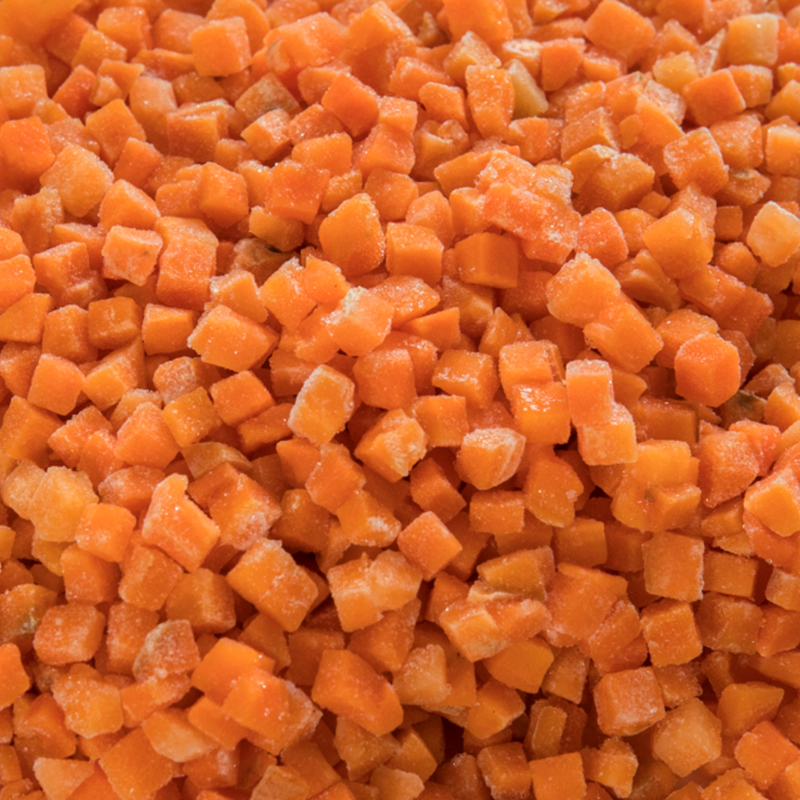
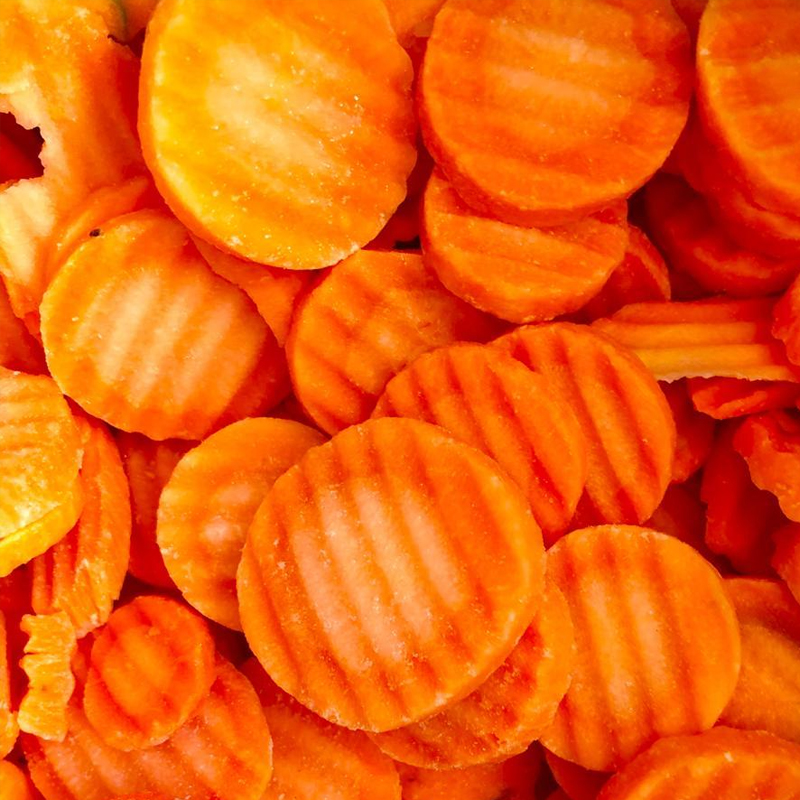
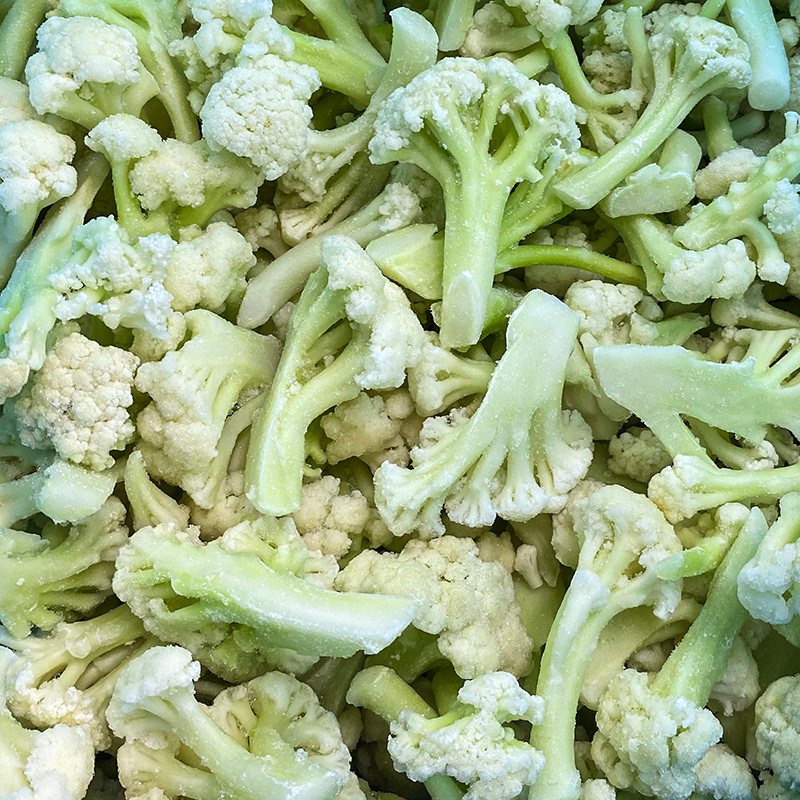
Add frozen vegetables to a crock pot during the last 30 to 60 minutes of cooking on the Low setting, or the last 15 to 30 minutes on High — not at the beginning. Because frozen vegetables are already partially cooked during the blanching process before freezing, they require far less time than raw meat or root vegetables. Adding them too early results in a mushy, waterlogged texture and loss of color, nutrients, and flavor. The exact timing depends on the vegetable type, crock pot model, and the dish being prepared.
This guide breaks down the precise timing for every common frozen vegetable, explains why timing matters so much in slow cooker cooking, and provides a full comparison table so you can plan any crock pot meal with confidence.
Content
- Why Timing Matters When Adding Frozen Vegetables to a Crock Pot
- When to Add Frozen Vegetables to Crock Pot: Timing by Vegetable Type
- The Exception: Which Frozen Vegetables Can Go In at the Start?
- Frozen vs. Fresh vs. Canned Vegetables in a Crock Pot: Which Works Best?
- How to Adjust Your Crock Pot Recipe to Include Frozen Vegetables Successfully
- Frozen Vegetable Timing for Specific Popular Crock Pot Dishes
- Food Safety: Is It Safe to Add Frozen Vegetables Directly to a Crock Pot?
- Frequently Asked Questions About Adding Frozen Vegetables to a Crock Pot
- Q: Can I add frozen vegetables to crock pot at the beginning if I am using the Warm setting?
- Q: What happens if I accidentally added frozen vegetables to the crock pot too early?
- Q: Do I need to adjust cook time when using frozen vegetables instead of fresh?
- Q: Are nutrients preserved in frozen vegetables added late to a crock pot?
- Q: Can I add a frozen vegetable medley to a crock pot if the vegetables are different sizes?
- Q: Can I use frozen vegetables in a crock pot recipe that calls for only 2 to 3 hours on High?
- Q: Should I season frozen vegetables before adding them to the crock pot?
- Summary: The Golden Rules for Adding Frozen Vegetables to a Crock Pot
Why Timing Matters When Adding Frozen Vegetables to a Crock Pot
The slow cooker environment is fundamentally different from stovetop or oven cooking, and that difference makes vegetable timing critical to the success of any dish.
Frozen Vegetables Are Already Partially Cooked
Commercially frozen vegetables are blanched before freezing — briefly immersed in boiling water or exposed to steam for 1 to 5 minutes to deactivate enzymes that cause spoilage. This blanching process partially cooks the vegetable cell walls. When you place a blanched-frozen vegetable into a slow cooker that has been running for 6 hours, you are effectively cooking an already-softened product for additional hours, collapsing its cell structure entirely. The result is a grey, mushy vegetable that has also released excess water into your sauce or broth, diluting flavors and altering the dish's consistency.
Low and Slow Heat Breaks Down Vegetables Faster Than Expected
A crock pot on the Low setting maintains an internal temperature of approximately 82 to 93 degrees Celsius (180 to 200 degrees Fahrenheit). On the High setting, this rises to roughly 149 to 177 degrees Celsius (300 to 350 degrees Fahrenheit). While these temperatures are lower than boiling or roasting, the extended exposure time means that soft vegetables — peas, corn, spinach, green beans — will be fully cooked in under 30 minutes even from frozen. Leaving them in for 4 to 8 hours disintegrates them completely.
Excess Moisture Release Affects the Whole Dish
A 500-gram bag of frozen mixed vegetables can release between 50 and 120 milliliters of water as it thaws and cooks. Added at the start of a 6 to 8 hour cook, this extra liquid significantly thins soups, stews, and casseroles. Added in the final 30 to 60 minutes, much of this liquid is absorbed into the dish or evaporated under the residual heat, preserving the consistency of the sauce or broth.
When to Add Frozen Vegetables to Crock Pot: Timing by Vegetable Type
Different vegetables have different cell structures and water contents, which means optimal addition timing varies significantly. The table below provides specific timing guidance for the most common frozen vegetables used in slow cooker recipes.
| Frozen Vegetable | Add on Low (before end) | Add on High (before end) | Texture Risk if Added Too Early |
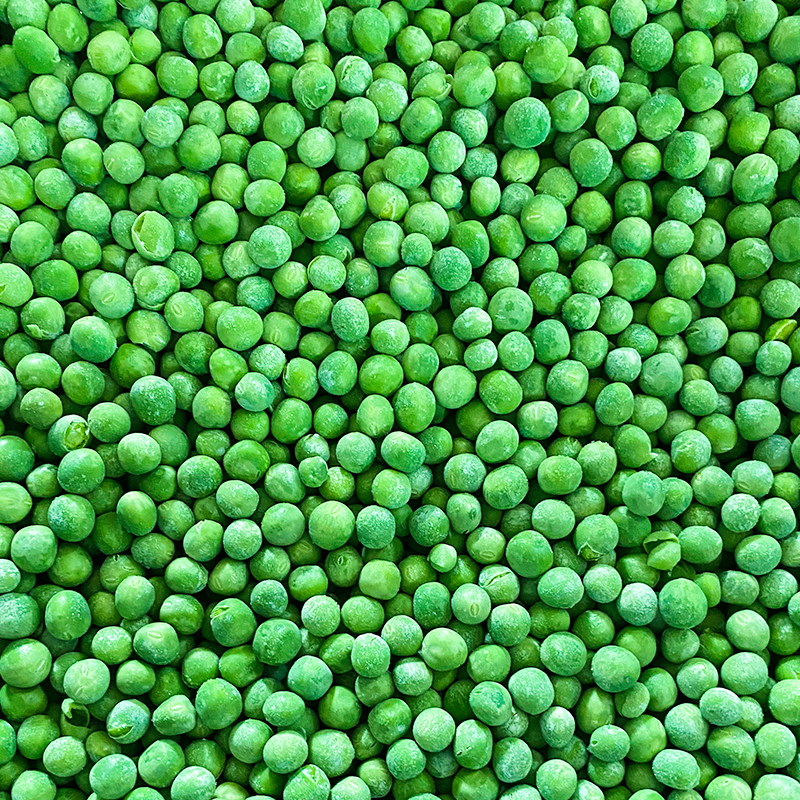
| Green Peas | Last 15 to 20 minutes | Last 10 to 15 minutes | Mushy, grey, disintegrated |
| Corn Kernels | Last 30 minutes | Last 15 to 20 minutes | Tough, rubbery skin, flavor loss |
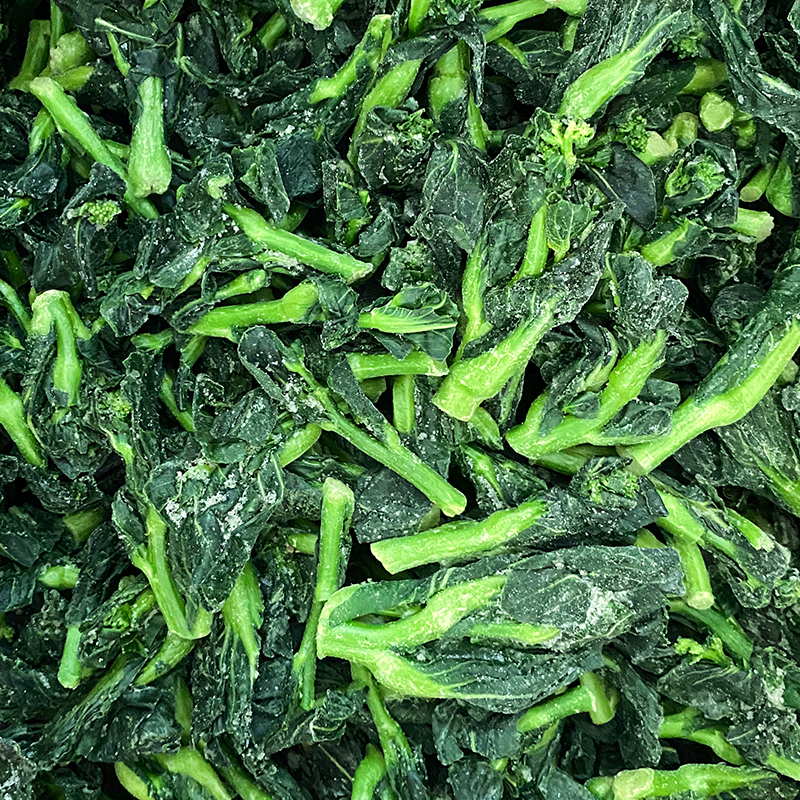
| Spinach or Kale | Last 10 to 15 minutes | Last 5 to 10 minutes | Slimy, dark, bitter |
| Green Beans | Last 45 to 60 minutes | Last 20 to 30 minutes | Stringy, very soft, colorless |
| Broccoli Florets | Last 30 to 45 minutes | Last 15 to 20 minutes | Falls apart, turns yellow-grey |
| Cauliflower Florets | Last 45 to 60 minutes | Last 20 to 30 minutes | Mushy, watery, bland |
| Carrots (sliced) | Last 60 to 90 minutes | Last 30 to 45 minutes | Overly soft but holds shape better than most |
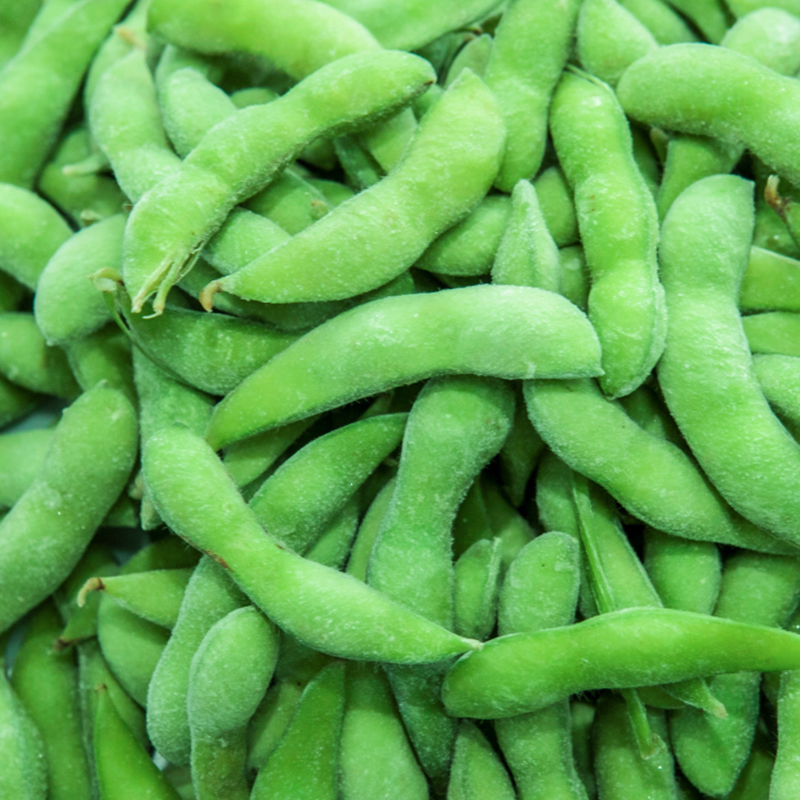
| Edamame | Last 30 to 45 minutes | Last 20 to 25 minutes | Grainy texture, skin peels off |
| Mixed Stir-Fry Blend | Last 30 to 45 minutes | Last 15 to 20 minutes | Uneven texture, softest pieces disintegrate |
| Lima Beans | Last 60 minutes | Last 30 to 40 minutes | Mealy, skin separates from bean |
| Butternut Squash (cubed) | Last 90 to 120 minutes | Last 45 to 60 minutes | Purees into sauce (can be intentional) |
| Asparagus Pieces | Last 20 to 30 minutes | Last 10 to 15 minutes | Stringy, grey, strong sulfur smell |
Table 1: Optimal addition timing for common frozen vegetables in a crock pot on Low and High settings, with texture risks from premature addition
The Exception: Which Frozen Vegetables Can Go In at the Start?
A small category of dense, starchy frozen vegetables can tolerate the full cook time in a crock pot without turning mushy — and in some cases actually benefit from it.
Root Vegetables: The Early-Addition Exception
Frozen root vegetables — including diced potatoes, sweet potato cubes, parsnip chunks, and turnip pieces — can be added at the beginning of a 6 to 8 hour Low cook because their high starch content and dense cell structure resist rapid softening. A frozen diced potato requires 4 to 5 hours on Low to reach fork-tender texture, compared to 30 minutes for frozen peas. However, even potatoes become waterlogged and fall apart beyond the 8-hour mark, so they should only go in at the start for standard cook times, not extended overnight sessions.
Intentional Breakdown: When Mush Is the Goal
For dishes where a smooth, integrated texture is desired — such as a thick vegetable soup, a lentil dal, or a creamy tomato-based sauce — adding frozen butternut squash, frozen spinach, or frozen zucchini at the start is not only acceptable but preferred. These vegetables will break down entirely over 6 to 8 hours and thicken the base of the dish, functioning more like a flavoring and thickening agent than a distinct vegetable component. In this application, there is no such thing as over-cooking them.
Frozen vs. Fresh vs. Canned Vegetables in a Crock Pot: Which Works Best?
Choosing between frozen, fresh, and canned vegetables for slow cooker recipes involves trade-offs in texture, nutrition, convenience, and timing. Understanding these differences helps you make the best choice for each dish.
| Factor | Frozen Vegetables | Fresh Vegetables | Canned Vegetables |
| Nutrient Retention | High (flash-frozen at peak) | Variable (depends on freshness) | Moderate (heat processed) |
| Texture After Long Cook | Soft to mushy if added early | Best texture, holds shape longest | Very soft, disintegrates quickly |
| Timing Flexibility | Moderate (last 30 to 60 min) | Best (can add at start for most) | Poor (last 15 to 20 min only) |
| Moisture Added to Dish | Moderate (ice crystals melt) | Low to moderate | High (packed in liquid) |
| Convenience | Excellent (no prep needed) | Moderate (requires washing, cutting) | Good (drain and add) |
| Cost | Low to moderate | Variable (seasonal) | Low |
| Best Use Case | Quick weeknight meals, batch cooking | Stews, braises, long-cook meals | Pantry-based soups, last-minute additions |
Table 2: Comparison of frozen, fresh, and canned vegetables across seven criteria relevant to slow cooker cooking
The key takeaway: fresh vegetables are the most forgiving in terms of timing, canned vegetables need to go in last, and frozen vegetables sit in the middle — convenient and nutritious, but requiring careful attention to when they are added.
How to Adjust Your Crock Pot Recipe to Include Frozen Vegetables Successfully
Adding frozen vegetables correctly requires a few deliberate adjustments to your standard slow cooker routine beyond simply watching the clock.
Reduce Liquid by 10 to 15 Percent
Because frozen vegetables release water as they thaw and cook, reduce the broth, water, or sauce called for in your recipe by approximately 10 to 15 percent if you plan to add a standard 400 to 500-gram bag of frozen vegetables. For a recipe calling for 500 milliliters of chicken broth, reduce to 425 to 450 milliliters. This prevents a watery final dish without sacrificing moisture during the main cook time.
Do Not Thaw Before Adding — Add from Frozen
There is no need to thaw frozen vegetables before adding them to the crock pot. Adding them directly from frozen is safe and actually preferred — they enter the hot liquid already below cooking temperature, which gently brings them up to temperature and helps preserve some texture. Thawing first makes them cook even faster and increases the risk of overcooking in the final window. The only exception is large frozen vegetable pieces such as whole corn on the cob sections, which may benefit from partial thawing to ensure even heating.
Stir Gently After Adding Frozen Vegetables
When you add frozen vegetables to the crock pot in the final cooking window, give the contents a gentle stir to submerge the vegetables in the hot liquid. Frozen vegetables sitting on the surface without contact with the hot cooking liquid will take significantly longer to reach the correct temperature and texture. Submerging them ensures even, rapid heating within the final timing window.
Keep the Lid On After Adding
Every time you lift the crock pot lid, internal temperature drops by approximately 10 to 15 degrees Celsius, adding an estimated 15 to 20 minutes to the required cook time. After adding frozen vegetables and stirring them in, replace the lid immediately and resist the urge to check them too frequently. Set a timer for the minimum recommended window and check only at that point to preserve the heat that is cooking the vegetables.
Season After Adding Vegetables, Not Before
Frozen vegetables can slightly dilute seasoning levels as they release water. Add a final seasoning adjustment — salt, pepper, herbs — after the vegetables have been in the crock pot for at least 15 minutes and you have had a chance to taste the dish. This prevents over-seasoning the base and allows you to compensate for any dilution from the vegetable moisture.
Frozen Vegetable Timing for Specific Popular Crock Pot Dishes
Applying general timing rules to specific recipes makes the guidance more practical. Here is how to handle frozen vegetables in five of the most common crock pot meals.
Crock Pot Chicken Stew (8 hours on Low)
Start with chicken thighs, diced potatoes (fresh or frozen root veg), onion, and broth. At the 7-hour mark, add frozen peas, frozen corn, and frozen green beans. These will be perfectly tender by the time the chicken is ready to serve at the 8-hour mark, retaining their color and a slight bite. Adding them at the start would leave them grey and formless.
Crock Pot Vegetable Soup (6 hours on Low)
Build the soup base with canned tomatoes, onions, garlic, celery, and broth from the start. At the 5-hour mark, add a frozen mixed vegetable blend. At the 5.5-hour mark, add frozen spinach. The result is a layered soup where each vegetable reaches its optimal texture at the same time the dish is ready to serve at hour 6.
Crock Pot Beef Stew (8 hours on Low)
Beef chuck, fresh carrots, and fresh potatoes can all go in at the beginning due to their density. Add frozen peas at the 7.5-hour mark — just 30 minutes before serving. This is the classic beef stew error: recipes that instruct adding all vegetables at the start produce mushy, colorless peas that have spent 8 hours dissolving into the gravy.
Crock Pot Chili (6 to 8 hours on Low)
Frozen corn is a popular chili addition. Add it at the last 30 minutes on Low or last 20 minutes on High. Corn added at the start of a chili cook loses its natural sweetness and develops a rubbery, tough outer skin. Added late, it provides a pleasant pop of sweetness and textural contrast against the soft beans and meat.
Crock Pot Chicken and Broccoli (4 hours on High)
For this faster-cooking recipe, add frozen broccoli florets at the 3.5-hour mark — 30 minutes before the end. On the High setting, broccoli goes from frozen to tender in 20 to 30 minutes. Adding it even 1 hour early results in broccoli that has yellowed and collapsed into the sauce rather than sitting as distinct florets.
Food Safety: Is It Safe to Add Frozen Vegetables Directly to a Crock Pot?
Adding frozen vegetables directly to a crock pot is safe under the right conditions — specifically, when the slow cooker is already at operating temperature and the vegetables are submerged in hot liquid.
The primary food safety concern with slow cookers is the temperature danger zone: 4 to 60 degrees Celsius (40 to 140 degrees Fahrenheit), in which bacteria multiply rapidly. When frozen vegetables are added to a crock pot that has been running on Low for several hours, the internal liquid temperature is already well above 82 degrees Celsius. The frozen vegetables reach safe temperatures within minutes of submersion. The danger arises only if frozen vegetables are placed in a cold crock pot that has not yet come up to temperature — this extends the time spent in the danger zone and should be avoided.
Never add frozen vegetables to a crock pot that has just been turned on alongside raw meat, as the combination of frozen vegetables, cold meat, and a crock pot starting from room temperature dramatically slows the rise to safe cooking temperatures. Always ensure the slow cooker has reached operating temperature before any late vegetable additions are made.
Frequently Asked Questions About Adding Frozen Vegetables to a Crock Pot
Q: Can I add frozen vegetables to crock pot at the beginning if I am using the Warm setting?
A: No. The Warm setting on most crock pots maintains a temperature of only 62 to 74 degrees Celsius (145 to 165 degrees Fahrenheit). Frozen vegetables added on Warm will spend an extended period thawing in the danger zone before reaching safe temperatures, and the low heat will not properly cook them. Only add frozen vegetables on Low or High settings when the unit is already fully preheated.
Q: What happens if I accidentally added frozen vegetables to the crock pot too early?
A: If you realize you added them too early, remove them with a slotted spoon within the first 30 to 45 minutes and set them aside — they will still have reasonable texture at that stage. If the dish has been cooking for several hours with the vegetables already in it, there is no recovery for texture, but the flavor contribution will still be present. In this case, leaning into the mushiness by blending part of the dish into a thick sauce or puree can salvage the meal.
Q: Do I need to adjust cook time when using frozen vegetables instead of fresh?
A: The overall recipe cook time for the main proteins and root vegetables stays the same. What changes is when you add the vegetables — not how long the total cook runs. Add frozen vegetables 30 to 60 minutes before the end of whatever time the recipe specifies, rather than at the start as a fresh-vegetable recipe might instruct.
Q: Are nutrients preserved in frozen vegetables added late to a crock pot?
A: Yes, better than if added at the start. Frozen vegetables flash-frozen at peak ripeness retain up to 90 percent of their original vitamins and minerals before cooking. The primary nutrient losses in slow cooking come from prolonged heat exposure, which leaches water-soluble vitamins such as B vitamins and vitamin C into the cooking liquid. Adding frozen vegetables in the final 30 to 60 minutes limits this loss, and since the cooking liquid is typically consumed as part of the dish (in soups and stews), even leached nutrients are mostly retained in the meal.
Q: Can I add a frozen vegetable medley to a crock pot if the vegetables are different sizes?
A: Yes, but be aware that the softest or smallest vegetables in the blend — typically peas or corn — will be ready well before the largest pieces such as carrot chunks or green bean sections. Add the medley at the timing recommended for its most delicate component. If you want more textural variation and precision, purchase individual frozen vegetables rather than a blend, adding them in stages based on each vegetable's required time.
Q: Can I use frozen vegetables in a crock pot recipe that calls for only 2 to 3 hours on High?
A: Yes. For a 2 to 3 hour High cook, add frozen delicate vegetables such as peas or spinach in the final 10 to 15 minutes, and sturdier ones like broccoli or green beans in the final 20 to 30 minutes. Short-cook crock pot recipes require even more precise timing because the total window is narrow — there is less margin between undercooked and overcooked than in an 8-hour Low recipe.
Q: Should I season frozen vegetables before adding them to the crock pot?
A: No — do not pre-season frozen vegetables before adding them, as they will absorb the dish's existing flavors as they cook. Instead, taste the dish after the vegetables have been in for 15 to 20 minutes and adjust salt, herbs, and spices at that point. Pre-seasoning adds an unnecessary step and can result in uneven seasoning distribution once everything is combined.
Summary: The Golden Rules for Adding Frozen Vegetables to a Crock Pot
Following a few clear principles will produce well-textured, flavorful results every time you use frozen vegetables in a slow cooker:
- Add delicate frozen vegetables (peas, spinach, corn) in the last 15 to 30 minutes on Low, or the last 10 to 15 minutes on High.
- Add medium-density frozen vegetables (broccoli, green beans, cauliflower) in the last 30 to 60 minutes on Low, or 15 to 30 minutes on High.
- Add starchy frozen vegetables (carrots, squash, potatoes) in the last 60 to 90 minutes on Low, or they can go in at the start for standard cook times.
- Do not thaw before adding — add directly from frozen for better texture control.
- Reduce liquid in the recipe by 10 to 15 percent to compensate for moisture released by the vegetables.
- Keep the lid on after adding vegetables to maintain temperature and stay within the timing window.
- Taste and re-season after the vegetables have cooked in to account for any flavor dilution from released moisture.
Mastering when to add frozen vegetables to a crock pot transforms slow cooker meals from convenience food into genuinely well-cooked dishes where every component reaches the table at its best. The difference between a stew with bright, tender peas and one with grey, mushy ones comes down to nothing more than knowing when to open the lid and add them — and now you do.