

 English
 中文简体
中文简体 日本語
日本語
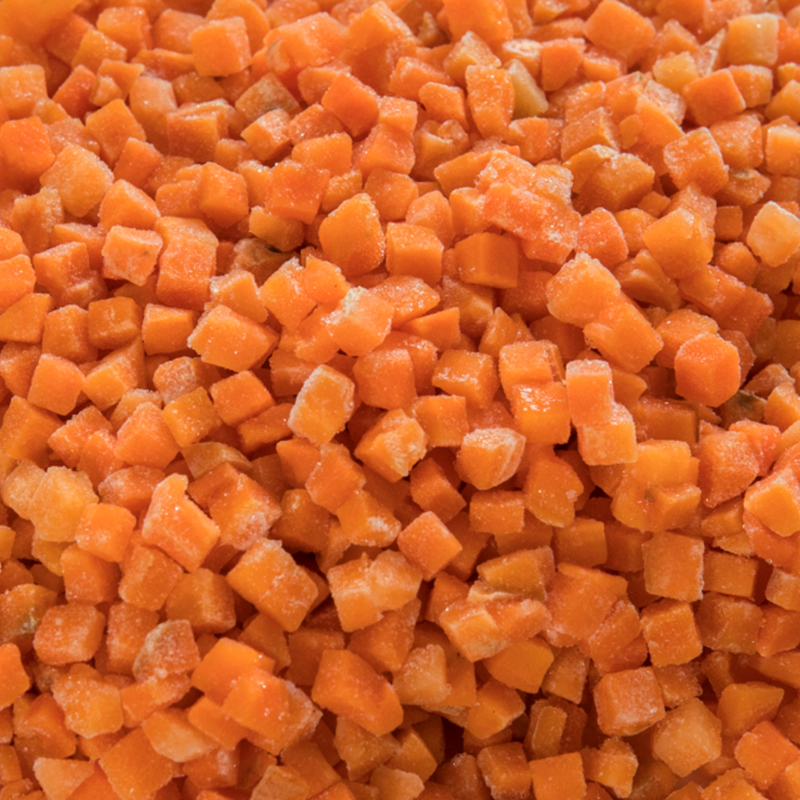
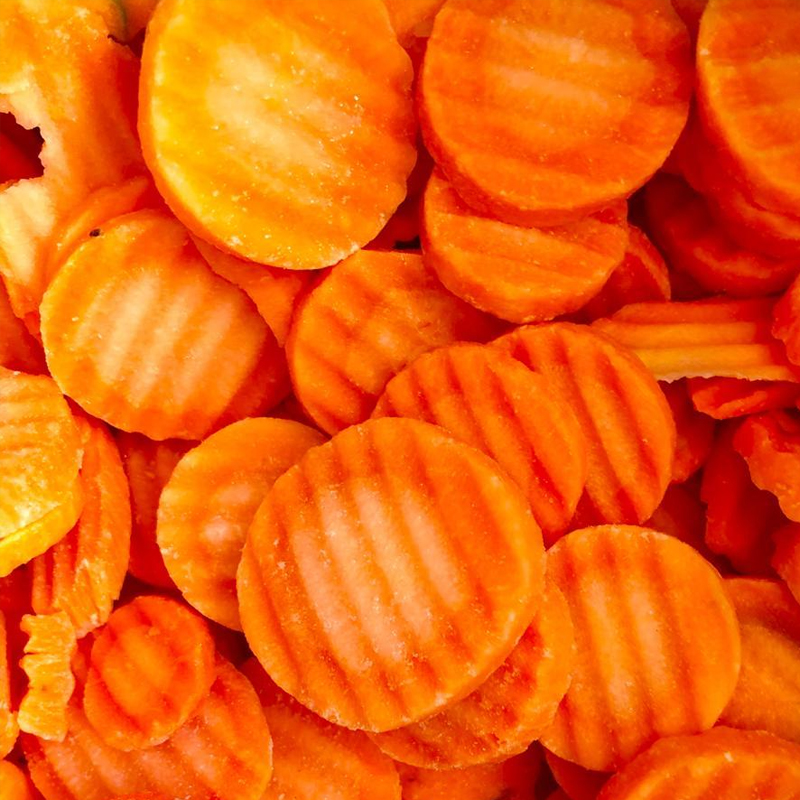
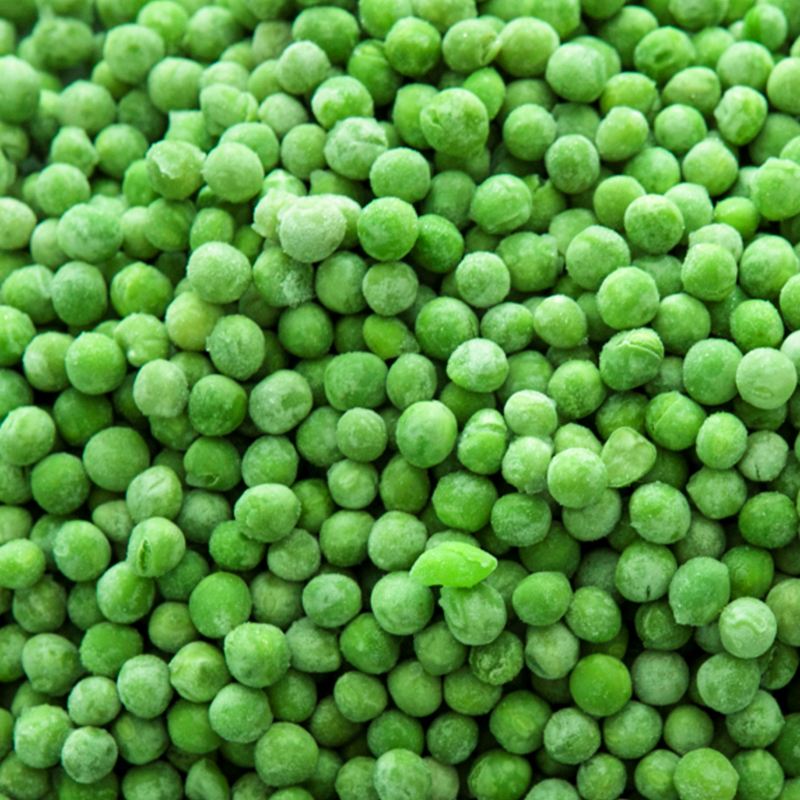
Yes, you can absolutely saute frozen vegetables -- and when done correctly, the result is tender, flavorful, and nearly indistinguishable from sauteed fresh vegetables. The key is to use a wide, very hot pan with enough space to prevent steaming, add the frozen vegetables without thawing, and cook over high heat while stirring frequently until the released moisture evaporates and the vegetables begin to brown. The entire process takes 8 to 12 minutes depending on the vegetable type and the size of the batch. The most common mistake -- overcrowding a cold pan -- turns a saute into a steam, producing limp, waterlogged vegetables with no browning or caramelization.
This guide explains exactly how to saute frozen vegetables properly, covers the best vegetables for this technique, compares frozen versus fresh, and answers every common question about cooking frozen vegetables on the stovetop.
Content
- Why Sauteing Frozen Vegetables Works -- and What Goes Wrong When It Does Not
- How to Saute Frozen Vegetables: Step-by-Step Method
- Which Frozen Vegetables Saute Best? A Complete Guide by Vegetable Type
- Frozen vs. Fresh Vegetables for Sauteing: Which Actually Wins?
- Flavor Boosters: How to Make Sauteed Frozen Vegetables Taste Great
- Common Mistakes When Sauteing Frozen Vegetables -- and How to Fix Them
- FAQ: Can You Saute Frozen Vegetables?
- The Bottom Line: Sauteing Frozen Vegetables Is Easy Once You Know the Rules
Why Sauteing Frozen Vegetables Works -- and What Goes Wrong When It Does Not
Sauteing frozen vegetables works because the intense dry heat of a very hot pan rapidly evaporates the surface moisture released by thawing ice crystals, allowing the vegetables to transition from steaming to browning in a single pan without any pre-thawing step.
The science behind successful frozen vegetable sauteing comes down to the Maillard reaction -- the same browning process that gives seared meat, toasted bread, and roasted vegetables their deep, complex flavor. This reaction only occurs when the food surface temperature reaches approximately 280 to 330 degrees F (140 to 165 degrees C) and when free surface moisture has evaporated. Frozen vegetables start at 0 degrees F (-18 degrees C) and release significant water as they thaw in the pan. The challenge is evaporating this water quickly before the vegetables become overcooked.
The two conditions that cause frozen vegetable sauteing to fail:
- Overcrowding the pan: When too many frozen vegetables are added to a pan at once, the pan temperature drops dramatically and cannot recover fast enough. The vegetables release water faster than it can evaporate, creating a pool of liquid at the bottom of the pan. This converts the cooking method from sauteing (dry heat) to steaming (moist heat) -- and steamed frozen vegetables become soft and waterlogged with no browning at all. The rule: never fill a pan more than a single layer deep with frozen vegetables.
- Starting with a cold or too-low-heat pan: If the pan is not hot enough before the vegetables are added, the temperature drop from the frozen vegetables brings the pan below the evaporation threshold. Use a pan preheated over medium-high to high heat for at least 2 minutes before adding oil and vegetables.
How to Saute Frozen Vegetables: Step-by-Step Method
Follow these six steps every time you saute frozen vegetables and you will consistently achieve tender, lightly caramelized results with good flavor and texture rather than the soggy, flavorless outcome most home cooks experience when they use the wrong technique.
Step 1: Choose the Right Pan
Use the widest pan available -- a 12-inch stainless steel skillet, carbon steel pan, or cast iron pan works best. Wide pans maximize surface area relative to vegetable volume, which accelerates moisture evaporation. Avoid non-stick pans for this technique if possible -- non-stick coatings degrade at the high temperatures needed for browning, and non-stick surfaces do not brown food as effectively as bare metal. If a non-stick pan is all you have, use medium-high heat rather than high heat and accept slightly less browning.
Step 2: Preheat the Pan Thoroughly
Place the dry pan over medium-high to high heat for 2 to 3 minutes before adding anything. The pan is ready when a drop of water flicked onto the surface immediately vaporizes and skitters across the surface (the Leidenfrost effect) rather than sitting and boiling. This water test is a reliable indicator that the surface is above 212 degrees F (100 degrees C) and approaching the ideal sauteing temperature.
Step 3: Add Oil with a High Smoke Point
Add 1 to 2 tablespoons of oil with a high smoke point -- avocado oil (smoke point 520 degrees F / 271 degrees C), refined coconut oil, or vegetable oil are all appropriate. Olive oil works but its lower smoke point (375 to 405 degrees F / 190 to 207 degrees C) means it will smoke at the temperatures needed for effective browning of frozen vegetables. Swirl the pan to coat the base evenly and heat the oil for an additional 30 seconds before adding the vegetables.
Step 4: Add Frozen Vegetables Directly from the Freezer
Add the frozen vegetables directly -- do not thaw them first. Thawing before sauteing creates a limp, pre-softened texture that overcooks before browning can occur. Add enough vegetables to cover the pan in a single layer. For a standard 12-inch pan, this is approximately 2 to 3 cups (about 8 to 10 oz / 225 to 280g) of frozen vegetables. If you need to cook more, do it in two batches rather than crowding the pan.
Step 5: Cook Over High Heat, Stirring Frequently
The first 3 to 4 minutes after adding frozen vegetables involves the thawing and water-release phase -- you will hear significant sizzling and may see steam. Do not reduce the heat during this phase. Stir every 30 to 45 seconds to expose different vegetable surfaces to the hot pan. After approximately 4 minutes, the released water will have evaporated, the sizzling will change from a steamy sound to a dry, sharp sizzle, and the vegetables will begin to brown. Once browning begins, reduce stirring frequency to every 60 to 90 seconds to allow each contact surface to develop color before being turned.
Step 6: Season and Finish
Season with salt and pepper only after the vegetables have started to brown -- adding salt earlier draws out additional moisture from the vegetables and can extend the steaming phase. Add aromatics (minced garlic, fresh ginger, shallots) in the last 60 to 90 seconds of cooking to prevent burning. Finish with a squeeze of lemon juice, a splash of soy sauce, or a drizzle of sesame oil off heat for added depth. Total cook time from frozen: 8 to 12 minutes depending on vegetable type and size.
Which Frozen Vegetables Saute Best? A Complete Guide by Vegetable Type
Not all frozen vegetables respond equally to sauteing -- some develop excellent browning and hold their texture, while others remain best suited to boiling or steaming even from frozen -- and knowing which category your vegetable falls into saves time and disappointment.
| Frozen Vegetable | Saute Suitability | Cook Time (from frozen) | Heat Level | Tips for Best Results |
| Broccoli florets | Excellent | 8--10 min | High | Press flat for browning; finish with garlic |
| Bell pepper strips | Excellent | 6--8 min | High | Do not stir too early -- let them char slightly |
| Zucchini / courgette | Very good | 6--8 min | High | High water content -- small batches only |
| Green beans | Very good | 8--10 min | Medium-High | Blanched when frozen -- avoid overcooking |
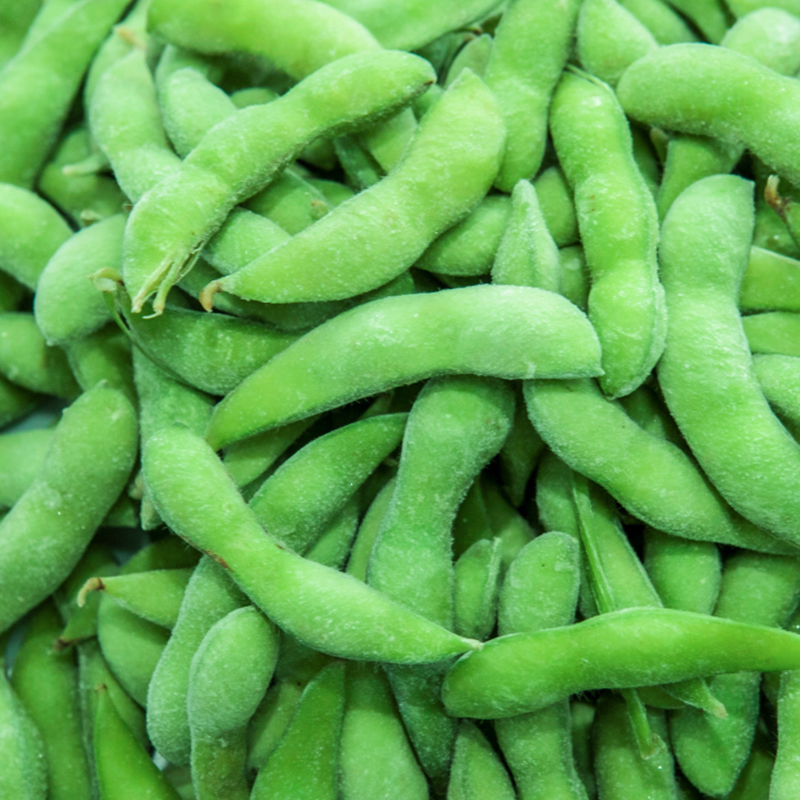
| Edamame (shelled) | Very good | 5--7 min | High | Develops a pleasant charred exterior |
| Corn kernels | Excellent | 5--7 min | High | Develops sweet char quickly; watch carefully |
| Cauliflower florets | Good | 10--12 min | High | Takes longer; cover for first 3 min to steam-start |
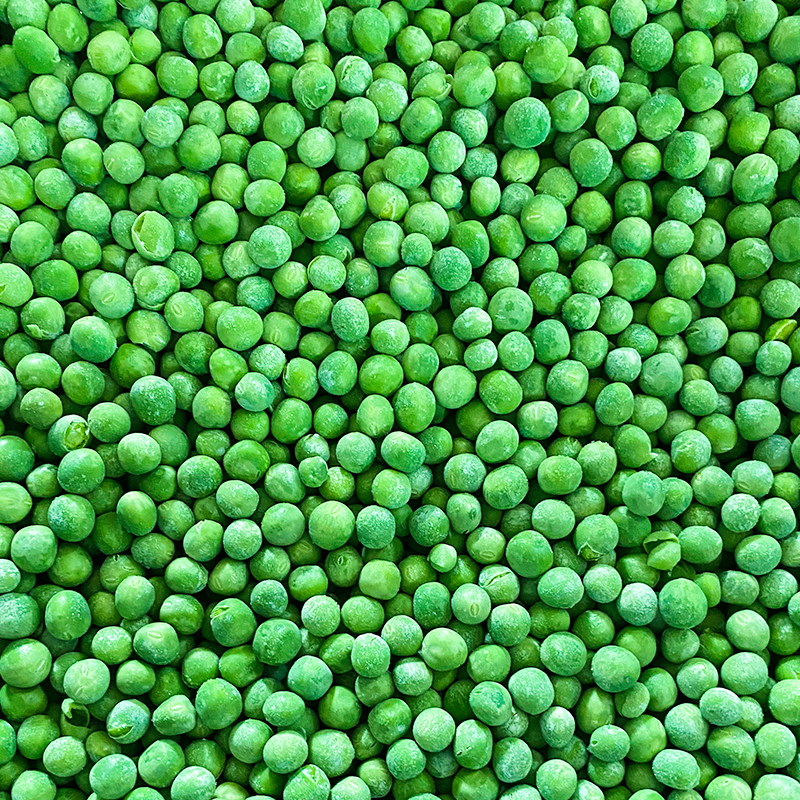
| Peas | Fair | 3--4 min | Medium | Pre-cooked when frozen; add at the very end only |
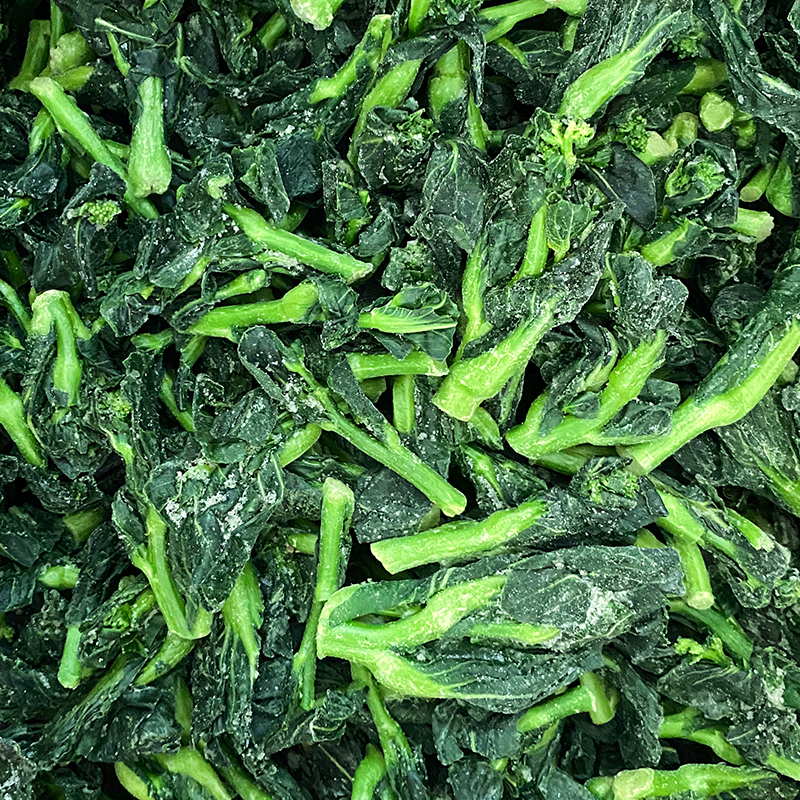
| Spinach / leafy greens | Poor | 2--3 min | Medium | Too much water release; better wilted than sauteed |
| Mixed stir-fry blend | Excellent | 8--10 min | High | Designed for this cooking method; ideal starting point |
Table 1: Saute suitability, cook time, heat level, and technique tips for common frozen vegetables when cooking directly from frozen in a hot skillet.
Frozen vs. Fresh Vegetables for Sauteing: Which Actually Wins?
Frozen vegetables are nutritionally comparable -- and in many cases superior -- to fresh vegetables for sauteing because they are blanched and frozen within hours of harvest, locking in nutrients at peak ripeness, while "fresh" supermarket vegetables may have been in transit for 5 to 14 days before purchase.
A 2017 study published in the Journal of Food Composition and Analysis found that frozen vegetables retained comparable or higher levels of certain key nutrients (including vitamin C, beta-carotene, and folate) compared to refrigerated fresh vegetables purchased from supermarkets. The difference is not meaningful for most nutrients when cooking methods are equivalent.
| Factor | Frozen Vegetables | Fresh Vegetables | Verdict |
| Nutritional value | Comparable to fresh; sometimes higher | Declines in transit (5--14 days) | Frozen often wins |
| Texture after sauteing | Slightly softer (pre-blanched) | Firmer, more variety | Fresh wins for firmness |
| Cost | Typically 30--50% less per serving | Higher; seasonal price variation | Frozen wins |
| Convenience | Pre-washed, pre-cut, always available | Requires washing, trimming, cutting | Frozen wins |
| Shelf life | 8--12 months in freezer | 3--7 days in refrigerator | Frozen wins decisively |
| Flavor | Slightly milder; no fresh garden flavor | More complex when truly fresh | Fresh wins (barely) |
| Variety available | Year-round, seasonal produce included | Limited by season and region | Frozen wins |
| Food waste | Minimal -- use only what you need | Higher -- partial use leads to waste | Frozen wins |
Table 2: Comparison of frozen versus fresh vegetables across eight factors relevant to sauteing and everyday cooking decisions.
Flavor Boosters: How to Make Sauteed Frozen Vegetables Taste Great
The neutral, slightly muted flavor of frozen vegetables compared to truly fresh ones is easily overcome with a few well-chosen aromatics and finishing elements -- and the browning achieved through proper high-heat sauteing adds more flavor complexity than any seasoning alone.
Aromatics to Add at the End (Last 60--90 Seconds)
- Minced garlic (2 to 4 cloves): The classic pairing for almost all sauteed vegetables. Add in the final 60 to 90 seconds to prevent burning. Garlic burns quickly at high heat and turns bitter if added at the start.
- Fresh ginger (1 teaspoon, grated): Ideal for Asian-inspired vegetable dishes. Pairs particularly well with edamame, broccoli, and mixed stir-fry blends.
- Red pepper flakes (1/4 to 1/2 teaspoon): Adds heat without moisture. Can be added at any point in the cooking process.
- Shallots (1 to 2, thinly sliced): More delicate than onion; add in the last 2 minutes for a mild, sweet savory note.
Finishing Sauces and Liquids (Add Off Heat or in the Final 30 Seconds)
- Soy sauce (1 to 2 tablespoons): Adds umami depth instantly. Add a small amount and let it reduce for 20 to 30 seconds -- the high heat caramelizes the sugars and intensifies the flavor.
- Lemon juice or zest: A squeeze of fresh lemon juice immediately after cooking brightens all vegetable flavors significantly. The acid lifts and balances the browned, slightly bitter notes from caramelization.
- Sesame oil (1 teaspoon): Always add off heat -- sesame oil's flavor compounds are volatile and dissipate quickly at high temperature. Drizzle over finished vegetables for a deep, nutty finish.
- Balsamic vinegar (1 tablespoon): Excellent with bell peppers and broccoli. The sugar content caramelizes beautifully in the hot pan, creating a glaze effect in the final 30 seconds of cooking.
Toppings and Garnishes (After Plating)
- Toasted sesame seeds, pine nuts, or slivered almonds: Add crunch and nuttiness to contrast the soft vegetable texture.
- Grated parmesan or nutritional yeast: Adds savory depth and a slight saltiness without overwhelming the vegetable flavor.
- Fresh herbs (parsley, basil, cilantro): Added just before serving, fresh herbs restore the "green" brightness that frozen vegetables lack compared to freshly picked produce.
Common Mistakes When Sauteing Frozen Vegetables -- and How to Fix Them
The most preventable mistakes when sauteing frozen vegetables all relate to the same underlying problem: too much moisture and not enough heat -- and every one of them is easily corrected once you understand the cause.
- Mistake: Thawing before sauteing. Pre-thawed vegetables are already water-saturated and partially softened before they even hit the pan, resulting in a mushy texture with no ability to hold their shape through the sauteing process. Fix: always add vegetables directly from the freezer to a very hot pan -- the rapid heat shock achieves better texture than pre-thawing.
- Mistake: Using too much oil. Excess oil at high heat prevents browning by creating a frying environment where the vegetables float in oil rather than making direct contact with the pan surface. Fix: use just enough oil to coat the pan surface -- 1 to 2 tablespoons for a 12-inch pan is sufficient. The vegetables should make direct pan contact, not swim in oil.
- Mistake: Adding seasoning salt too early. Salt draws moisture out of vegetables through osmosis. Adding salt at the beginning of sauteing increases the moisture load in the pan and delays the transition from steaming to browning by several minutes. Fix: season with salt only after browning has begun, approximately 5 to 6 minutes into cooking.
- Mistake: Stirring too constantly. Continuous stirring prevents any single vegetable surface from staying in contact with the hot pan long enough to develop browning. Fix: once the initial steaming phase has passed (approximately 4 minutes), reduce stirring to every 60 to 90 seconds and let the vegetables sit undisturbed between stirs.
- Mistake: Cooking from cold at medium-low heat. Medium-low heat is appropriate for delicate eggs and fish -- it is completely wrong for sauteing frozen vegetables, which need aggressive heat to drive off moisture quickly. Fix: use medium-high to high heat throughout the cooking process and preheat the pan for at least 2 full minutes before adding any food.
FAQ: Can You Saute Frozen Vegetables?
Q: Do I need to thaw frozen vegetables before sauteing?
A: No -- cooking frozen vegetables directly from frozen produces better results than thawing first. Thawing causes pre-softening and water saturation that leads to a mushy texture after cooking. Adding vegetables straight from the freezer to a very hot pan causes rapid surface contact with the hot metal, which gives the outer layer a chance to sear before the entire vegetable piece softens through. The brief steaming phase from the released ice water is actually completed faster in a hot pan than in a slow thaw, resulting in vegetables that are tender throughout but have a firm exterior with browning.
Q: Why are my sauteed frozen vegetables always watery and soggy?
A: The cause is almost certainly one of two things: overcrowding the pan, or insufficient heat. When too many frozen vegetables are added at once, the pan temperature drops and cannot recover. The released moisture from thawing cannot evaporate quickly enough and pools at the bottom of the pan, steaming the vegetables rather than sauteing them. The solution is simple: cook in smaller batches (no more than a single layer), use the largest pan available, and ensure the pan is genuinely hot (not just warm) before the vegetables are added.
Q: Is it safe to saute vegetables that were frozen and then partially thawed?
A: Yes, it is safe to cook partially thawed vegetables as long as they have been kept at a safe temperature throughout (below 40 degrees F / 4 degrees C in the refrigerator, not left at room temperature for more than 2 hours). Vegetables that have thawed at room temperature for more than 2 hours should be cooked immediately and not refrozen. Note that partially thawed vegetables will release more water initially than fully frozen ones -- compensate by using even higher heat and smaller batches.
Q: Can you saute frozen vegetables and then add them to pasta or rice?
A: Absolutely -- sauteed frozen vegetables are an excellent, quick addition to pasta, rice, grain bowls, and stir-fries. For pasta dishes, saute the vegetables first in the pan, set them aside, cook any proteins if needed, then combine everything with the cooked pasta and a small amount of pasta water or sauce. This sequence ensures the vegetables are properly sauteed (not steamed by the pasta's moisture) and maintains their texture through the final combination step. For rice bowls, sauteed frozen vegetables added at serving time maintain their texture better than vegetables cooked directly in the rice.
Q: Are sauteed frozen vegetables healthy?
A: Yes -- sauteed frozen vegetables are a highly nutritious food choice. Sauteing with a small amount of oil is actually beneficial compared to boiling because many fat-soluble vitamins (A, D, E, K) and antioxidants such as carotenoids require dietary fat for absorption. A 2015 study in the Journal of Food Science found that cooking vegetables in oil increased the bioavailability of carotenoids including beta-carotene and lycopene by 4 to 13 times compared to boiling in water. The blanching process used before freezing does cause some loss of water-soluble vitamins (primarily vitamin C and some B vitamins), but the overall nutritional profile of frozen vegetables remains excellent, making them one of the most cost-effective and nutritious ingredients available.
Q: What oil should I use to saute frozen vegetables?
Use an oil with a smoke point above 400 degrees F (204 degrees C) for best results. Top choices include: avocado oil (smoke point 520 degrees F -- the best all-purpose high-heat option), refined coconut oil (450 degrees F), grapeseed oil (420 degrees F), and refined sunflower oil (450 degrees F). Regular (non-extra-virgin) olive oil is acceptable with a smoke point of approximately 375 to 405 degrees F but will produce some smoking at very high heat. Extra-virgin olive oil is not recommended for high-heat sauteing of frozen vegetables due to its lower smoke point of 325 to 375 degrees F -- it is better used as a finishing drizzle after cooking.
The Bottom Line: Sauteing Frozen Vegetables Is Easy Once You Know the Rules
You can absolutely saute frozen vegetables -- and the results are genuinely delicious when you follow the three non-negotiable rules: hot pan, single layer, no thawing.
The technique is faster than most people expect -- 8 to 12 minutes from frozen to a finished, flavorful side dish -- and the cost, convenience, nutritional value, and versatility of frozen vegetables make them one of the most underutilized ingredients in home cooking. The stigma around frozen vegetables as inferior to fresh is largely outdated: for most cooking applications, properly handled frozen vegetables are nutritionally comparable, significantly more convenient, far less wasteful, and a fraction of the cost.
Master the basic saute technique -- hot pan, high-smoke-point oil, single-layer batches, no premature salting, minimum stirring during the browning phase -- and you have a foundation for hundreds of quick, healthy meals built around frozen vegetables throughout the week.
The next time someone asks "can you saute frozen vegetables?" -- the answer is confidently yes, and now you know exactly how to do it right.