

 English
 中文简体
中文简体 日本語
日本語
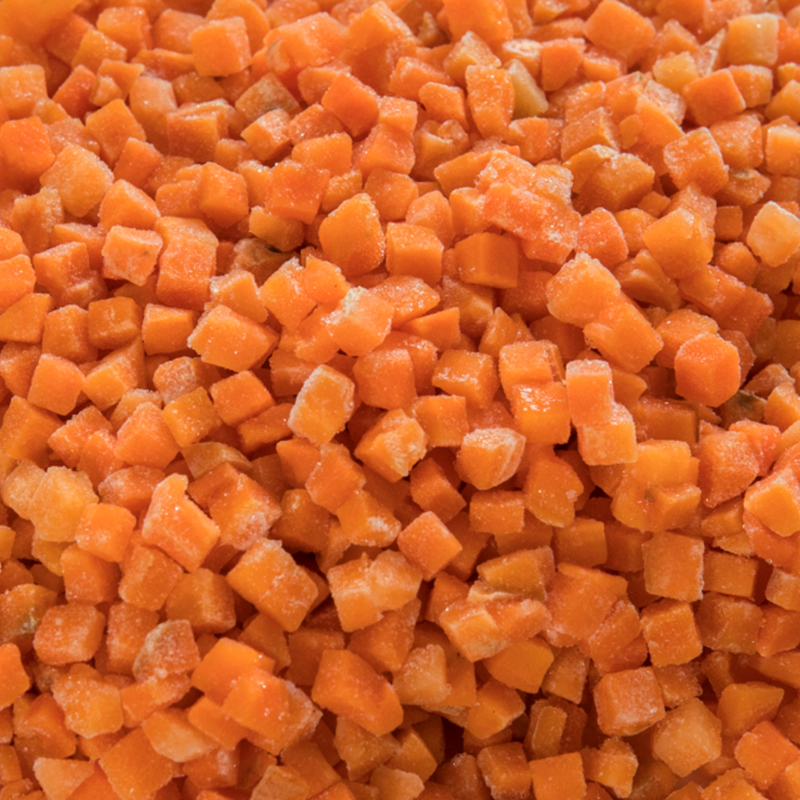
Yes, dogs can eat frozen vegetables — and many frozen veggies are not only safe but genuinely beneficial for your dog's health. However, not all vegetables are created equal, and a few can be toxic to dogs. Knowing which frozen vegetables dogs can eat, how to serve them, and how much to give is essential for every responsible pet owner.
This guide covers everything you need to know about feeding frozen vegetables to dogs: the safest options, vegetables to avoid, nutritional benefits, portion sizes, and expert-backed tips to make frozen veggies a healthy part of your dog's diet.
Content
- Are Frozen Vegetables Good for Dogs?
- Safe Frozen Vegetables Dogs Can Eat
- Frozen Vegetable Comparison Chart
- Frozen Vegetables Dogs Should Never Eat
- How to Serve Frozen Vegetables to Dogs
- Portion Size Guide by Dog Size
- Fresh vs. Frozen Vegetables for Dogs: Which Is Better?
- Signs Your Dog Has Eaten Something Harmful
- Frequently Asked Questions (FAQ)
- Final Thoughts: Can Dogs Eat Frozen Vegetables?
Are Frozen Vegetables Good for Dogs?
Frozen vegetables are a healthy, low-calorie snack option for most dogs. Freezing preserves the majority of nutrients found in fresh vegetables. In fact, frozen vegetables are often picked at peak ripeness and flash-frozen within hours, which can make them nutritionally comparable — or even superior — to "fresh" produce that has spent days in transit.
Key benefits of frozen vegetables for dogs include:
- High fiber content that supports healthy digestion
- Low calories — ideal for overweight dogs or dogs on a calorie-restricted diet
- Rich in vitamins and minerals such as Vitamin A, C, K, and potassium
- Natural antioxidants that may support immune health
- A satisfying crunch that many dogs enjoy, especially during teething
According to veterinary nutrition guidelines, treats and snacks (including vegetables) should make up no more than 10% of a dog's daily caloric intake. For a 30-pound dog eating roughly 800 calories per day, that means up to 80 calories can come from treats — and most vegetables contain fewer than 10 calories per serving.
Safe Frozen Vegetables Dogs Can Eat
The following frozen vegetables are generally safe for dogs when served plain and in moderation. Always check labels to ensure no salt, garlic, onion, or seasoning has been added — many frozen vegetable mixes contain added ingredients that are harmful to dogs.
1. Frozen Carrots
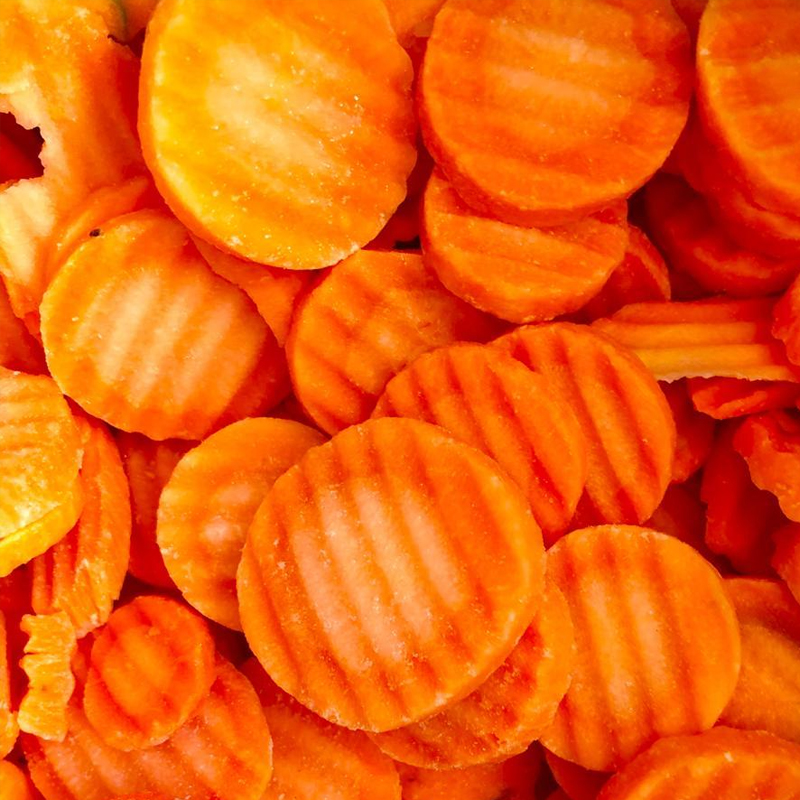
Frozen carrots are one of the best vegetable snacks you can give your dog. They are rich in beta-carotene (which converts to Vitamin A), low in calories, and most dogs love their naturally sweet flavor. A frozen carrot stick can also serve as a soothing chew for puppies going through teething. One medium carrot contains approximately 25 calories and 2 grams of fiber, making it an ideal guilt-free treat.
2. Frozen Green Beans
Frozen green beans are widely recommended by veterinarians as a healthy low-calorie snack for dogs. Some vets even recommend the "Green Bean Diet" — replacing a portion of a dog's regular kibble with green beans — to help obese dogs lose weight gradually. A cup of frozen green beans contains only about 31 calories and provides iron, calcium, and Vitamins B6, A, C, and K.
3. Frozen Peas
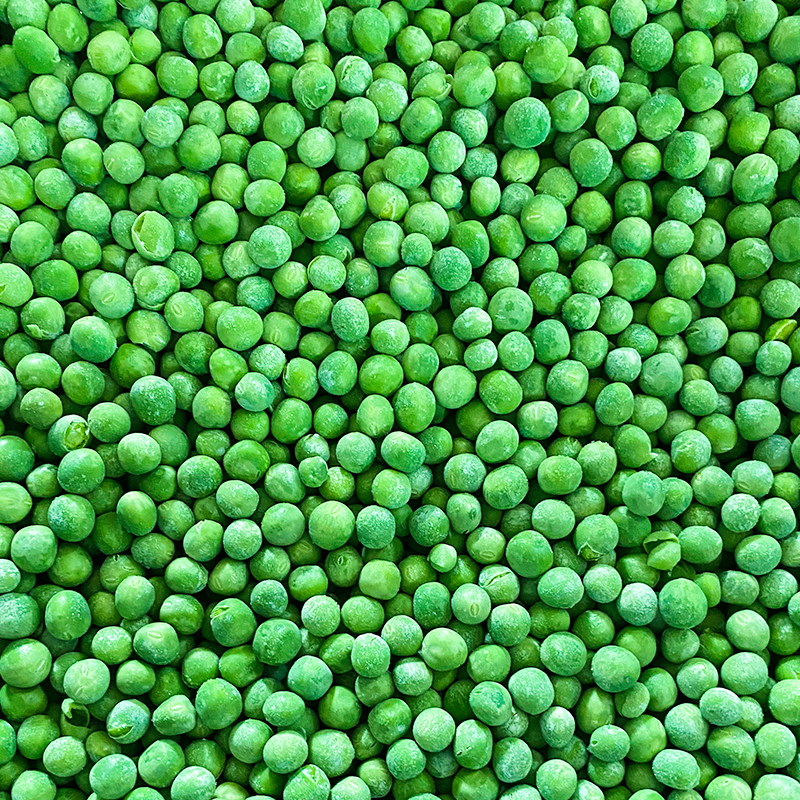
Frozen peas are safe for dogs and contain a useful blend of protein, fiber, and vitamins. They are particularly rich in Vitamins A, K, and B, as well as minerals like iron and zinc. Avoid canned peas (which are often high in sodium) and stick to plain frozen peas. Note: dogs with kidney issues should avoid peas as they contain purines, which can contribute to kidney stress.
4. Frozen Broccoli
Frozen broccoli is safe for dogs in small amounts, but the florets should be given sparingly. Broccoli florets contain isothiocyanates — compounds that can cause mild to moderate gastric irritation in dogs if consumed in large quantities. As a general rule, broccoli should comprise no more than 10% of a dog's meal. The stems are actually safer than the florets and can be a crunchy, fiber-rich snack.
5. Frozen Sweet Potato
Frozen sweet potato is a nutrient-dense treat that many dogs enjoy. It's packed with dietary fiber, Vitamin A, Vitamin C, and potassium. Sweet potatoes are best served cooked and cooled (not raw), so look for pre-cooked frozen sweet potato or steam frozen pieces before serving. Due to their higher calorie content — roughly 103 calories per medium potato — they should be offered in moderation.
6. Frozen Zucchini
Frozen zucchini is extremely low in calories and safe for dogs of all sizes. With only about 17 calories per cup, zucchini is one of the most diet-friendly vegetables you can give your dog. It contains useful amounts of Vitamin C, potassium, and folate. Many dogs enjoy it frozen as a crunchy summer treat.
7. Frozen Spinach
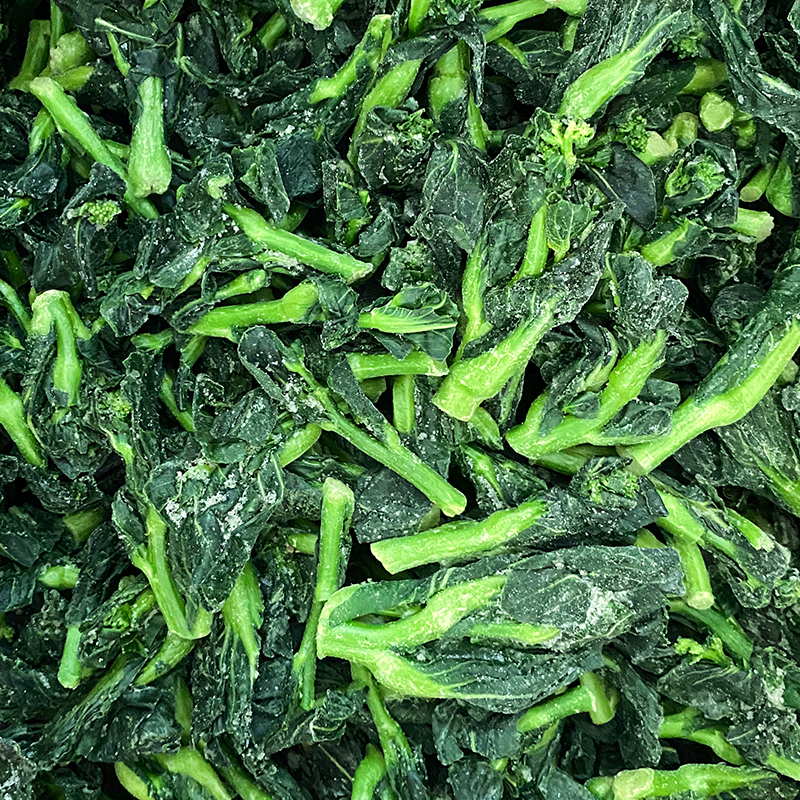
Frozen spinach is safe for most dogs but should be given only occasionally due to its oxalic acid content. Oxalic acid can interfere with calcium absorption and may contribute to kidney or bladder stones with excessive consumption. Small amounts of plain frozen spinach provide iron, magnesium, and Vitamins A, B6, and K.
Frozen Vegetable Comparison Chart
The table below compares popular frozen vegetables for dogs based on nutritional value, safety level, and recommended serving size.
| Vegetable | Calories (per cup) | Safety Level | Key Nutrients | Recommended Serving |
| Carrots | 52 | High | Beta-carotene, Vitamin A, Fiber | 1–3 sticks per day |
| Green Beans | 31 | High | Vitamins A, C, K, Iron | Small handful per day |
| Peas | 62 | High | Protein, Zinc, Vitamins A, K | 1–2 tablespoons per day |
| Broccoli | 31 | Moderate | Vitamin C, K, Calcium | Small florets only, 2–3x/week |
| Sweet Potato | 103 | High | Vitamin A, C, Potassium, Fiber | 1–2 tbsp, cooked & cooled |
| Zucchini | 17 | High | Vitamin C, Potassium, Folate | Several pieces per day |
| Spinach | 41 | Moderate | Iron, Magnesium, Vitamins A, K | Occasional only, small amounts |
Table 1: Nutritional comparison and safety ratings of common frozen vegetables for dogs. Calorie counts are approximate per raw cup.
Frozen Vegetables Dogs Should Never Eat
Some vegetables are toxic to dogs and must never be given — fresh or frozen. The following are the most dangerous:
| Vegetable | Why It's Dangerous | Symptoms of Toxicity |
| Onions | Contains thiosulphates that destroy red blood cells | Anemia, lethargy, pale gums, vomiting |
| Garlic | 5x more toxic than onions to dogs; damages RBCs | Weakness, vomiting, elevated heart rate |
| Leeks | Same allium family toxicity as onions | Anemia, gastrointestinal distress |
| Chives | Toxic allium, even in small amounts | Drooling, nausea, diarrhea |
| Wild Mushrooms | Some wild varieties contain deadly toxins | Liver failure, seizures, death |
| Rhubarb | Contains oxalic acid crystals; causes kidney failure | Tremors, drooling, kidney problems |
Table 2: Vegetables that are toxic to dogs and must be avoided entirely, whether fresh or frozen.
Important: Many frozen vegetable mixes — especially stir-fry blends — contain onions, garlic, or chives. Always read ingredient labels carefully before sharing any frozen vegetable mix with your dog. When in doubt, choose plain single-vegetable frozen products.
How to Serve Frozen Vegetables to Dogs
The safest way to serve frozen vegetables to dogs is plain, unseasoned, and in appropriately sized pieces. Here are the most important preparation tips:
Serve Them Frozen or Thawed
Most dogs can eat vegetables directly from the freezer, and many enjoy the cooling sensation — especially in hot weather. However, for small dogs or puppies, thawing the vegetables first reduces the risk of choking or dental discomfort.
Cut to Appropriate Size
Always cut frozen vegetables into bite-sized pieces appropriate for your dog's size. For small breeds, chop into pieces no larger than ½ inch. Large breeds can handle bigger chunks, but whole frozen vegetables like large carrots should still be monitored during chewing to prevent choking.
Avoid Seasoning, Salt, and Sauces
Never add butter, oil, salt, garlic, or any seasoning. Even small amounts of salt can cause sodium toxicity in dogs. A dog's kidney processes sodium much less efficiently than a human's — as little as 1.5 grams of salt per kilogram of body weight can be toxic to dogs.
Introduce New Vegetables Slowly
When introducing a new vegetable, start with a very small amount and monitor for any signs of digestive upset — gas, diarrhea, vomiting, or unusual lethargy. Wait 24–48 hours before offering it again or increasing the portion.
Creative Ways to Serve Frozen Vegetables
- Mix into kibble: Stir a small handful of thawed peas or green beans into your dog's regular food for added nutrition
- Frozen treat: Blend safe vegetables with water or plain unsweetened broth and freeze in ice cube trays
- Stuffed toy: Mix thawed sweet potato with plain pumpkin and stuff into a rubber chew toy, then freeze
- Training reward: Use small frozen carrot pieces or peas as low-calorie training treats
Portion Size Guide by Dog Size
The right amount of frozen vegetables depends on your dog's weight and daily caloric needs. Use the table below as a general reference:
| Dog Size | Weight Range | Daily Calorie Allowance | Max Veggie Treat Calories | Example Serving |
| Extra Small | Under 10 lbs | ~200–300 cal | 20–30 cal | 3–5 frozen peas or 1 small carrot coin |
| Small | 10–25 lbs | ~400–600 cal | 40–60 cal | 1 tbsp green beans or a few carrot sticks |
| Medium | 25–50 lbs | ~600–900 cal | 60–90 cal | 2–3 tbsp mixed frozen veggies |
| Large | 50–90 lbs | ~900–1300 cal | 90–130 cal | ¼ cup frozen green beans or carrots |
| Giant | 90+ lbs | ~1300–1800 cal | 130–180 cal | Up to ½ cup plain frozen vegetables |
Table 3: Recommended daily vegetable treat allowance based on dog size and estimated caloric needs. The 10% treat rule is applied across all categories.
Fresh vs. Frozen Vegetables for Dogs: Which Is Better?
Both fresh and frozen vegetables are nutritious for dogs, and frozen often wins on convenience and cost. Here is a side-by-side comparison:
| Factor | Fresh Vegetables | Frozen Vegetables |
| Nutrient Retention | Can degrade during transport & storage | Locked in at peak ripeness via flash-freezing |
| Shelf Life | 3–7 days in fridge | 12–18 months in freezer |
| Cost | Higher, especially off-season | Generally cheaper and more consistent |
| Convenience | Requires shopping and prep | Ready to use anytime |
| Texture | Firm and crisp | Can be softer when thawed; crunchy when frozen |
| Additive Risk | Low (whole vegetables) | Check label — some mixes have added salt/seasoning |
Table 4: Fresh vs. frozen vegetables for dogs — a practical comparison across key factors.
Signs Your Dog Has Eaten Something Harmful
If your dog has accidentally consumed a toxic vegetable, seek veterinary attention immediately. Common signs of food-related toxicity in dogs include:
- Vomiting or diarrhea within 30 minutes to 6 hours of eating
- Pale or yellowish gums (sign of anemia from allium toxicity)
- Excessive drooling or foaming at the mouth
- Sudden lethargy or weakness
- Loss of appetite or refusal to drink water
- Tremors or seizures (especially with rhubarb or wild mushroom ingestion)
- Rapid breathing or elevated heart rate
If you observe any of these symptoms, contact your veterinarian or an emergency animal poison control hotline right away. Do not wait to see if symptoms resolve on their own.
Frequently Asked Questions (FAQ)
Can puppies eat frozen vegetables?
Yes, puppies can eat frozen vegetables, but they should be thawed first to avoid choking and dental discomfort. Offer only very small, soft pieces. Frozen carrot sticks are a popular and safe option for teething puppies to chew on — they soothe sore gums without the calories of commercial teething treats.
Can dogs eat frozen mixed vegetables?
It depends on the ingredients. Some frozen mixed vegetable blends are safe (e.g., peas, carrots, and green beans together), while others — particularly stir-fry or Asian-style blends — often contain onions, garlic, or leeks, which are toxic to dogs. Always check the label and choose plain, unseasoned frozen vegetables.
Can dogs eat frozen broccoli florets?
Yes, in small amounts. Broccoli florets are safe for dogs but should not exceed 10% of daily food intake, as they contain compounds that can irritate the digestive tract in larger quantities. Broccoli stems are actually a safer and less irritating choice.
Are frozen peas safe for dogs with kidney disease?
Peas are generally safe, but dogs with kidney disease or a history of kidney stones should avoid them. Peas are high in purines, which break down into uric acid and can worsen kidney conditions. Always consult your veterinarian before changing the diet of a dog with a medical condition.
Do frozen vegetables need to be cooked before giving to dogs?
Most frozen vegetables can be given raw (straight from the freezer) or thawed without cooking. However, sweet potatoes and certain starchy vegetables are easier to digest when cooked. If cooking, steam or boil without any seasoning, oil, or butter.
How often can I give my dog frozen vegetables?
Low-risk vegetables like green beans, carrots, and zucchini can be offered daily as part of the 10% treat rule. Moderate-risk vegetables like broccoli and spinach should only be offered 2–3 times per week and in smaller amounts to avoid accumulative side effects.
Final Thoughts: Can Dogs Eat Frozen Vegetables?
The answer is a clear yes — dogs can and should enjoy frozen vegetables as part of a balanced diet. They are a nutritious, affordable, and convenient way to add variety and health benefits to your dog's diet. The keys to success are choosing safe vegetables, avoiding toxic ones, serving them plain without seasoning, and keeping portions within the 10% daily calorie guideline.
When in doubt, start with the safest options — frozen carrots, green beans, and peas — and expand from there based on your dog's preferences and tolerance. If your dog has any medical conditions such as kidney disease, diabetes, or food allergies, consult your veterinarian before introducing new foods.
With a little knowledge and the right choices, frozen vegetables can be a wonderful addition to your dog's snack routine — healthy, refreshing, and enjoyable for both of you.