

 English
 中文简体
中文简体 日本語
日本語
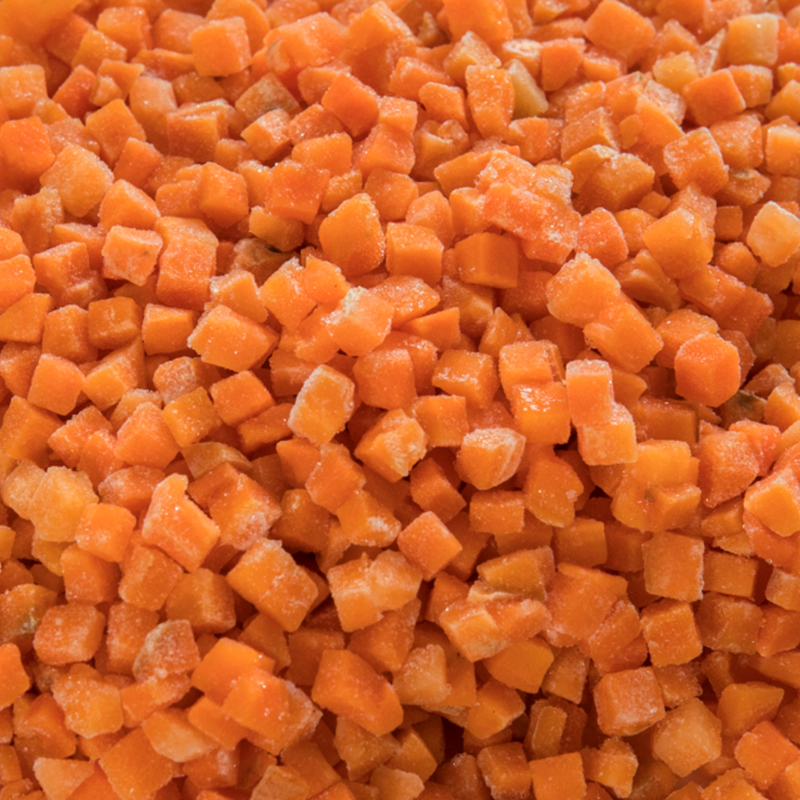
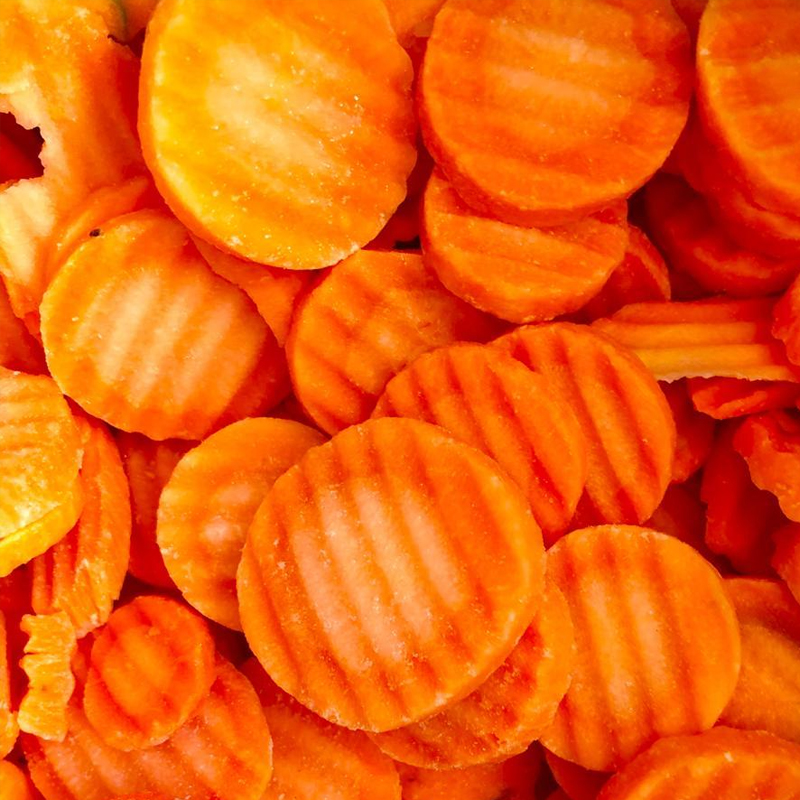
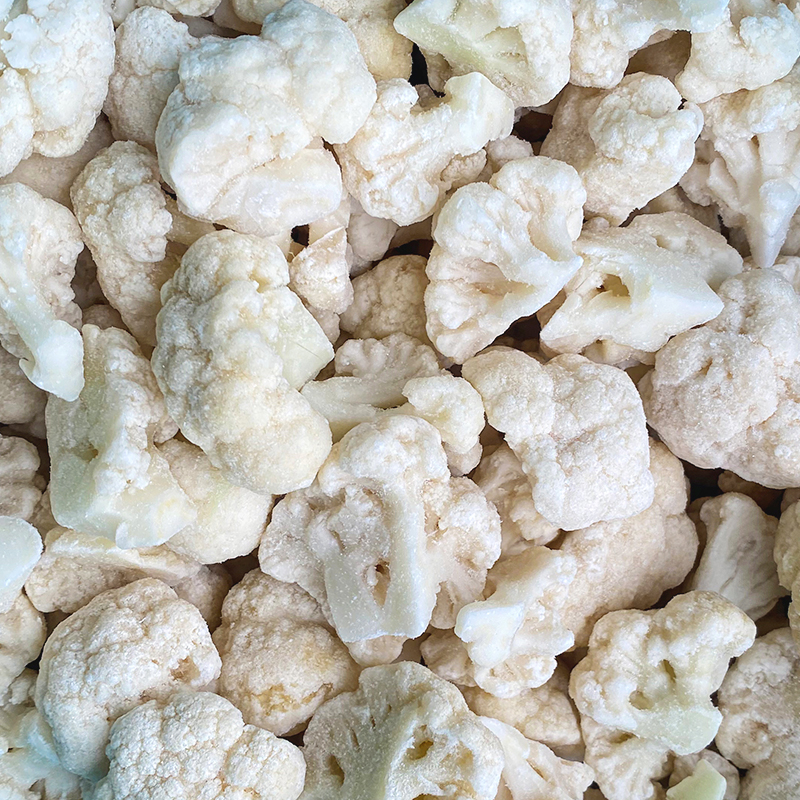
To cook frozen vegetables in the oven, spread them in a single layer on a baking sheet, toss with oil and seasoning, and roast at 425°F (220°C) for 20–35 minutes — without thawing first. The high heat is the key: it drives off excess moisture rapidly and creates the caramelized, slightly crispy edges that make oven-roasted vegetables genuinely delicious. This guide covers everything you need to know, from temperature and timing to which vegetables work best, common mistakes to avoid, and a full comparison of cooking methods.
Content
- Why the Oven Is the Best Way to Cook Frozen Vegetables
- Step-by-Step: How to Cook Frozen Vegetables in the Oven
- Oven Temperature and Cooking Time Guide for Frozen Vegetables
- Seasoning Ideas for Oven-Roasted Frozen Vegetables
- 7 Common Mistakes When Cooking Frozen Vegetables in the Oven (and How to Fix Them)
- Cooking Method Comparison: Oven vs. Microwave vs. Stovetop vs. Air Fryer
- Pro Tips for Getting the Crispiest Oven-Roasted Frozen Vegetables
- Frequently Asked Questions: Cooking Frozen Vegetables in the Oven
- Q: Should I thaw frozen vegetables before putting them in the oven?
- Q: What is the best temperature to roast frozen vegetables?
- Q: Why do my oven-roasted frozen vegetables come out soggy?
- Q: Do frozen vegetables take longer to cook in the oven than fresh?
- Q: Can I cook different frozen vegetables together on the same pan?
- Q: What oil is best for roasting frozen vegetables in the oven?
- Q: Are oven-roasted frozen vegetables healthy?
- Q: Can I meal prep oven-roasted frozen vegetables?
- Summary: The Key Rules for Perfect Oven-Roasted Frozen Vegetables
Why the Oven Is the Best Way to Cook Frozen Vegetables
Roasting frozen vegetables in the oven produces far superior results compared to steaming or microwaving because high, dry heat evaporates surface moisture and triggers the Maillard reaction — the chemical process responsible for browning and deep, savory flavor. A microwave steams vegetables in their own water, resulting in a soft, sometimes mushy texture with no color or caramelization. A stovetop pan, while effective, requires constant attention and limited batch sizes. The oven, by contrast, handles large quantities hands-free and delivers consistent, restaurant-quality results with minimal effort.
Studies on vegetable cooking methods consistently show that dry-heat roasting preserves more fat-soluble nutrients (such as beta-carotene and vitamins A, D, E, and K) than boiling or steaming, since those methods leach water-soluble compounds into cooking liquid that's then discarded. Roasting also makes certain antioxidants — like lycopene in tomatoes and beta-carotene in carrots — more bioavailable by breaking down tough cell walls.
Step-by-Step: How to Cook Frozen Vegetables in the Oven
Follow these steps precisely and you'll get crispy, well-seasoned oven-roasted frozen vegetables every single time.
Step 1: Preheat Your Oven to 425°F (220°C)
Temperature is the single most important variable — use at least 400°F, with 425°F being the sweet spot for most frozen vegetables. Lower temperatures (350°F or below) allow moisture to steam the vegetables before the surface can brown, resulting in softness rather than crispness. Preheat the oven fully before the pan goes in; putting food into a cold oven extends cooking time unpredictably.
Step 2: Do NOT Thaw the Vegetables
Cook frozen vegetables straight from the freezer — thawing causes them to release water all at once, flooding the pan and steaming rather than roasting the vegetables. The gradual thawing that happens in a hot oven actually works in your favor: the exterior dries and begins to caramelize while the interior thaws and cooks through simultaneously.
Step 3: Use a Rimmed Baking Sheet and Space Them Out
Spread vegetables in a single layer with space between pieces — crowding is the most common reason oven-roasted vegetables turn out soggy. When vegetables are piled on top of each other, the steam they release has nowhere to go and the vegetables effectively poach in their own moisture. Use two baking sheets if necessary rather than crowding one. A heavy-duty rimmed baking sheet (not a glass dish) conducts heat more efficiently and promotes better browning.
Step 4: Toss with Oil and Season Well
Coat every piece lightly but thoroughly with a high-smoke-point oil before seasoning. Use approximately 1–2 tablespoons of oil per pound of vegetables. Too little oil and the vegetables dry out and stick; too much and they become greasy. Avocado oil (smoke point ~520°F) or refined olive oil are ideal choices for 425°F roasting. Season generously with salt and pepper at minimum — under-salting is the second most common mistake after overcrowding.
Step 5: Roast, Then Flip Once
Flip the vegetables once, halfway through cooking, to ensure even browning on both sides. Use a wide spatula and work quickly so the oven temperature doesn't drop significantly. Resist opening the oven door repeatedly — each opening drops the temperature by 25–50°F and extends cooking time.
Step 6: Finish and Serve
Add any final seasonings or garnishes immediately after the vegetables come out of the oven, while they're still hot. Fresh herbs, lemon zest, grated cheese, balsamic glaze, or a drizzle of flavored oil all absorb beautifully into hot vegetables. Serve promptly — roasted vegetables lose their crispness within 15–20 minutes as residual steam softens the surface.
Oven Temperature and Cooking Time Guide for Frozen Vegetables
Different vegetables have different densities and water contents, requiring different roasting times. The table below provides a precise reference for cooking the most common frozen vegetables in the oven at 425°F.
| Frozen Vegetable | Oven Temp | Total Cook Time | Flip At | Target Result |
|---|---|---|---|---|
| Broccoli florets | 425°F / 220°C | 20–25 min | 12 min | Crispy tips, tender stem |
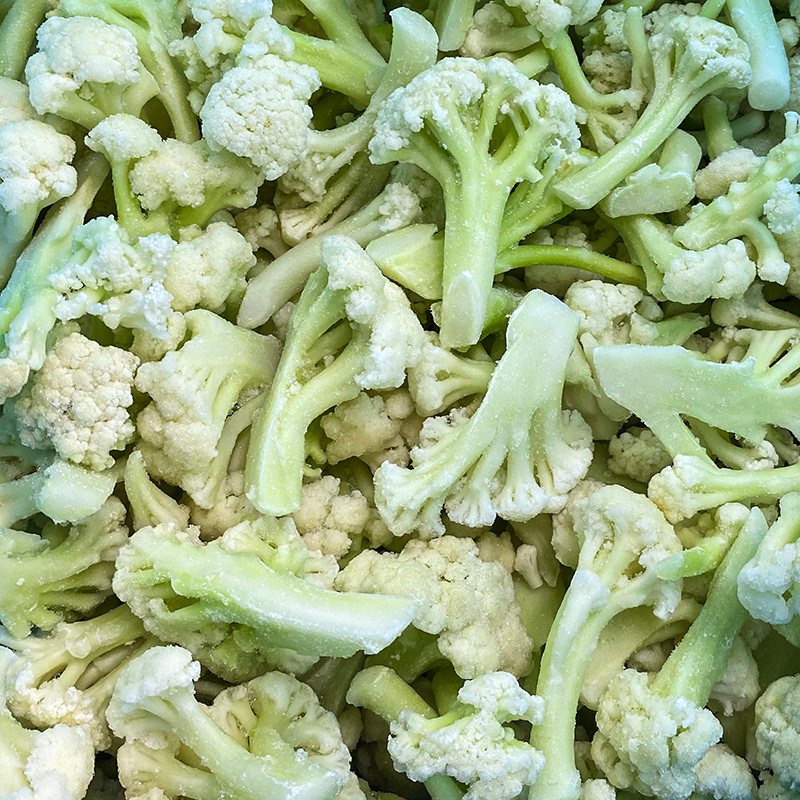
| Cauliflower florets | 425°F / 220°C | 25–30 min | 15 min | Golden brown edges |
| Brussels sprouts (halved) | 425°F / 220°C | 25–35 min | 15 min | Crispy outer leaves, soft center |
| Green beans | 425°F / 220°C | 18–22 min | 10 min | Slightly blistered, tender-crisp |
| Asparagus spears | 425°F / 220°C | 15–20 min | 10 min | Tips slightly crisp, stalks tender |
| Corn kernels | 425°F / 220°C | 20–25 min | 12 min | Lightly charred, sweet |
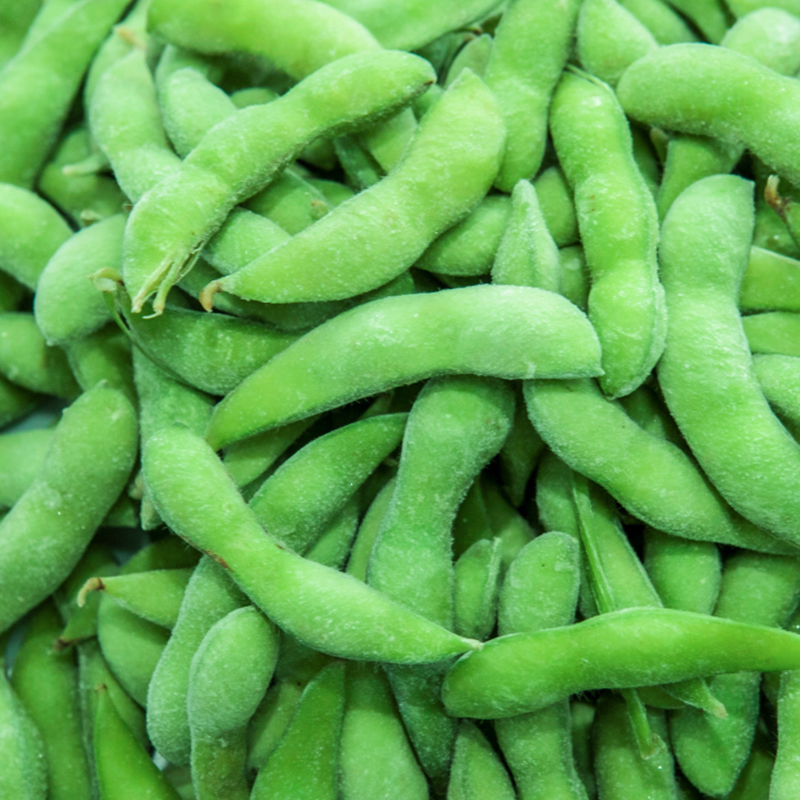
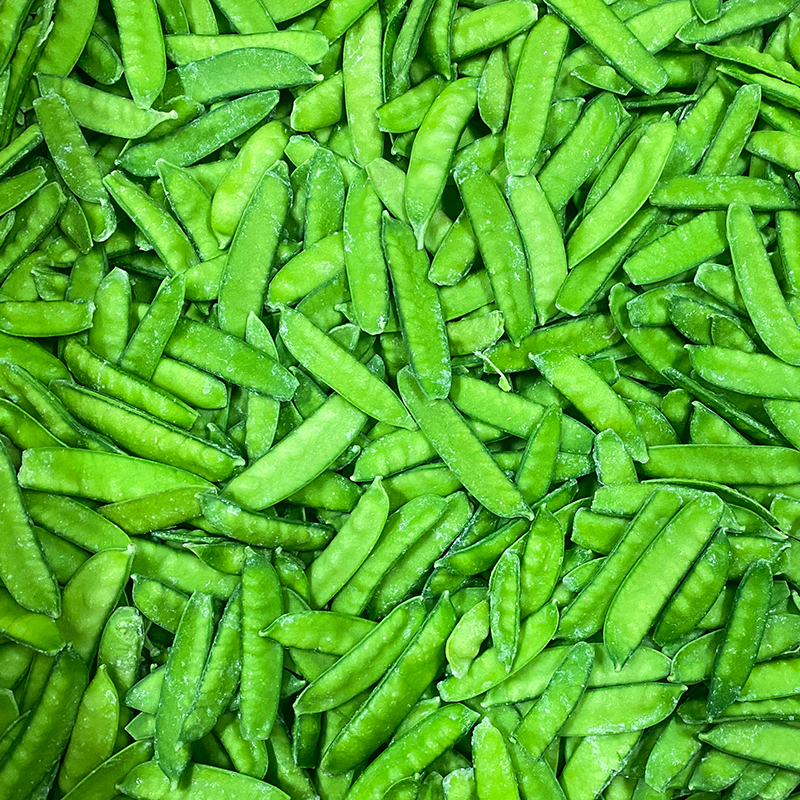
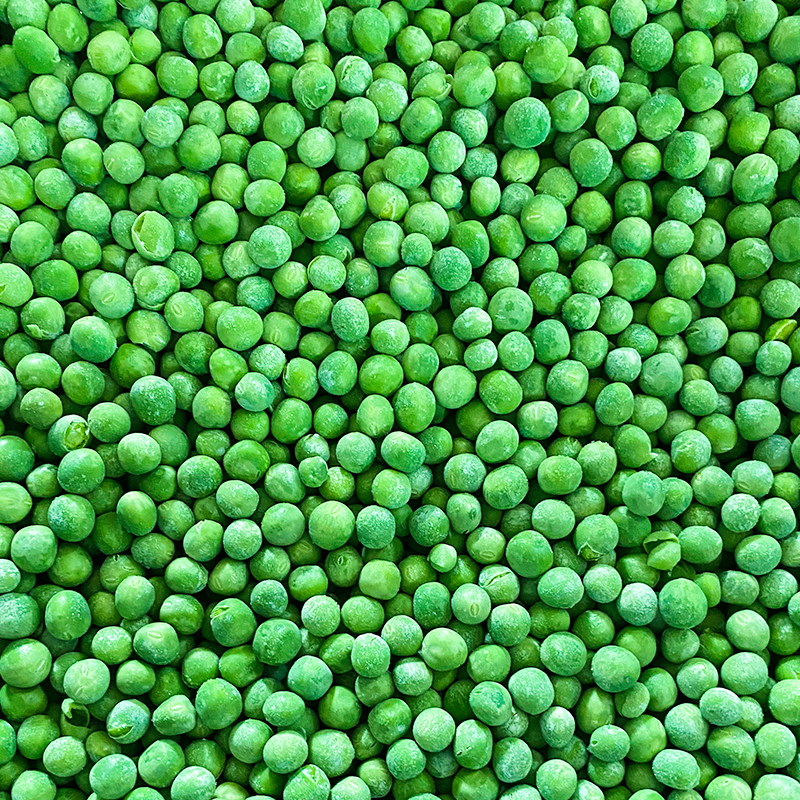
| Peas (edamame / sugar snap) | 400°F / 200°C | 12–18 min | 8 min | Lightly blistered skin |
| Sliced bell peppers | 425°F / 220°C | 20–28 min | 12 min | Softened with caramelized edges |
| Zucchini / summer squash | 425°F / 220°C | 18–24 min | 10 min | Golden, slightly firm |
| Butternut squash / root veg | 425°F / 220°C | 30–40 min | 18 min | Deeply caramelized, fork-tender |
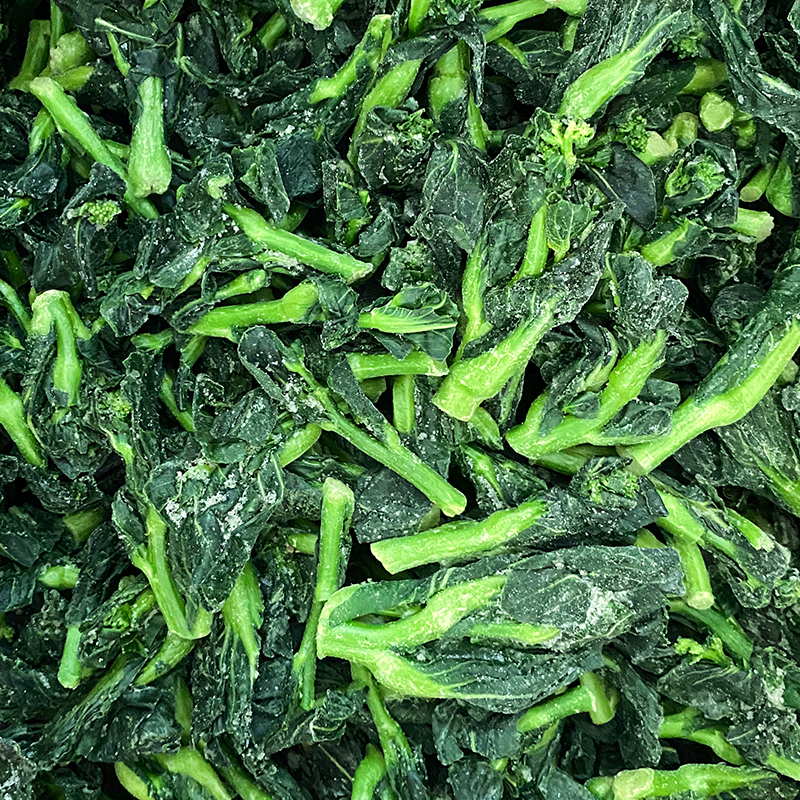
| Spinach / leafy greens | 400°F / 200°C | 10–14 min | 7 min | Wilted with crispy edges |
Caption: Recommended oven temperatures and roasting times for common frozen vegetables. Times assume a single layer on a preheated rimmed baking sheet at 425°F (220°C), without thawing. Adjust by ±5 minutes based on your specific oven and desired texture.
Seasoning Ideas for Oven-Roasted Frozen Vegetables
The right seasoning transforms roasted frozen vegetables from a side dish into the most satisfying part of the meal. Salt and a neutral or flavored oil are the non-negotiable foundation — everything else is customizable.
Classic Herb and Garlic
This combination works with virtually every frozen vegetable. Toss with olive oil, minced garlic (or garlic powder), dried rosemary or thyme, salt, and cracked black pepper. Add fresh parsley or lemon zest after roasting for brightness. Excellent with broccoli, cauliflower, green beans, and Brussels sprouts.
Smoky Paprika and Cumin
This warm spice blend pairs especially well with corn, peppers, and zucchini. Combine smoked paprika, ground cumin, garlic powder, onion powder, salt, and a pinch of cayenne with oil. Finish with a squeeze of lime juice and chopped cilantro.
Parmesan and Italian Herbs
Adding grated Parmesan in the last 5 minutes of roasting creates a savory, slightly crispy crust. Toss vegetables with olive oil, Italian seasoning, garlic powder, and salt first. Sprinkle generously with finely grated Parmesan 5 minutes before the timer goes off. Works brilliantly with broccoli, asparagus, and cauliflower.
Honey Sriracha Glaze
Sweet and spicy glazes work best applied halfway through cooking, not before. Roast vegetables plain with oil and salt for the first 15 minutes, then toss with a mixture of honey, sriracha, soy sauce, and sesame oil for the remaining time. The sugars caramelize without burning. Best with Brussels sprouts, broccoli, and green beans.
Za'atar and Lemon
Middle Eastern-inspired seasoning adds herbaceous complexity with minimal effort. Toss with olive oil, za'atar spice blend, salt, and a little lemon zest. Finish with fresh lemon juice straight from the oven. Excellent with cauliflower, zucchini, and asparagus.
7 Common Mistakes When Cooking Frozen Vegetables in the Oven (and How to Fix Them)
Most disappointing results with oven-roasted frozen vegetables come down to a handful of predictable, easily avoidable errors.
| # | Mistake | What Goes Wrong | The Fix |
|---|---|---|---|
| 1 | Thawing before roasting | Vegetables release all moisture at once, steaming instead of roasting | Always roast from frozen |
| 2 | Overcrowding the pan | Steam cannot escape; vegetables become soggy and pale | Use two pans; single layer only |
| 3 | Oven temperature too low | Vegetables steam before surface can brown or caramelize | Use at least 400°F; ideal is 425°F |
| 4 | Not enough oil | Vegetables dry out, stick to pan, and char unevenly | 1–2 tbsp oil per pound of vegetables |
| 5 | Under-seasoning | Bland, flat flavor despite good texture | Season before AND after roasting |
| 6 | Using a glass or ceramic dish | Retains moisture, promotes steaming not roasting | Always use a heavy metal rimmed baking sheet |
| 7 | Skipping the flip | One side browns well; bottom side steams against pan | Flip once at the halfway mark |
Caption: The seven most common mistakes when roasting frozen vegetables in the oven, with practical corrections for each. Avoiding just the first two — thawing and overcrowding — will dramatically improve your results.
Cooking Method Comparison: Oven vs. Microwave vs. Stovetop vs. Air Fryer
The oven delivers the best overall results for most frozen vegetables, though each method has specific strengths depending on your situation.
| Method | Cook Time | Texture | Flavor | Best For | Drawbacks |
|---|---|---|---|---|---|
| Oven (roasting) | 20–40 min | ⭐⭐⭐⭐⭐ Crispy exterior, tender interior | ⭐⭐⭐⭐⭐ Deep, caramelized, complex | Large batches, meal prep, best quality | Slowest method; requires preheating |
| Air Fryer | 12–20 min | ⭐⭐⭐⭐½ Very crispy | ⭐⭐⭐⭐ Excellent browning | Small portions, speed | Limited capacity; small batches only |
| Stovetop (sauté) | 10–18 min | ⭐⭐⭐ Tender, some browning possible | ⭐⭐⭐ Good with attention | Quick weeknight cooking | Requires constant attention; limited browning |
| Microwave (steam) | 4–8 min | ⭐⭐ Soft, sometimes mushy | ⭐⭐ Bland, watery | Maximum speed, convenience | No browning; poor texture for most uses |
| Boiling / Steaming | 5–10 min | ⭐⭐ Soft, no texture contrast | ⭐ Watery; loses flavor to liquid | Soups, purees, baby food | Nutrient loss; poor standalone texture |
Caption: Side-by-side comparison of cooking methods for frozen vegetables across key criteria. The oven remains the best overall method for flavor and texture; air fryer excels for speed with small quantities.
Pro Tips for Getting the Crispiest Oven-Roasted Frozen Vegetables
These professional techniques push your oven-roasted frozen vegetables from good to exceptional.
- Use the convection setting if your oven has one. Convection roasting circulates hot air around the food, which accelerates moisture evaporation and promotes even, faster browning. Reduce temperature by 25°F (to 400°F) and check 5 minutes earlier than standard timing.
- Preheat the baking sheet in the oven. Placing frozen vegetables on a hot pan creates an instant sear on the bottom surface, dramatically improving browning. Use oven mitts carefully — the pan will be very hot.
- Pat dense vegetables dry if any surface ice is present. While you shouldn't thaw vegetables, a quick pat with a kitchen towel to remove visible ice crystals on very frosty packages helps reduce excess surface moisture.
- Don't mix cooking-time incompatible vegetables on the same pan. Asparagus (15 min) and butternut squash (35 min) should never share a pan. Group vegetables by similar roasting times, or add faster-cooking ones partway through.
- Line the pan with parchment for easier cleanup, but NOT for maximum crispness. A bare, lightly oiled metal pan produces crisper bottoms than parchment. For everyday cooking, parchment is a reasonable trade-off; for maximum crispiness, use bare metal.
- Broil for the final 2–3 minutes. Switching to the broiler for the last 2–3 minutes adds a char and crispness to the surface that no standard roasting temperature can match. Watch constantly — broiling can go from perfect to burned in under a minute.
Frequently Asked Questions: Cooking Frozen Vegetables in the Oven
Q: Should I thaw frozen vegetables before putting them in the oven?
No — roast frozen vegetables straight from the freezer without thawing. Thawing causes them to release a large amount of water all at once, which floods the baking sheet and causes the vegetables to steam rather than roast. Cooking from frozen allows moisture to dissipate gradually during roasting, giving the surface time to dry out and brown properly.
Q: What is the best temperature to roast frozen vegetables?
425°F (220°C) is the optimal temperature for most frozen vegetables. This temperature is hot enough to rapidly evaporate surface moisture and trigger caramelization while being low enough not to burn the exteriors before the centers cook through. For very small or delicate vegetables (peas, leafy greens), drop to 400°F. For larger, denser vegetables (root vegetables, squash), 425°F is appropriate throughout.
Q: Why do my oven-roasted frozen vegetables come out soggy?
Sogginess is almost always caused by overcrowding, too-low temperature, or thawing before cooking. When vegetables are crowded on the pan, steam cannot escape and the vegetables effectively poach. Make sure every piece has clear space around it. If you have a large quantity, use two baking sheets. Also check that your oven is genuinely reaching the target temperature — many home ovens run 25–50°F cooler than the set temperature.
Q: Do frozen vegetables take longer to cook in the oven than fresh?
Yes — frozen vegetables typically take 5–10 minutes longer than fresh equivalents, because the oven must first thaw them before browning can occur. Fresh broccoli might roast perfectly in 18 minutes; frozen broccoli at the same temperature typically needs 22–25 minutes. Account for this in your meal timing.
Q: Can I cook different frozen vegetables together on the same pan?
Yes, but only if they have similar cooking times. Broccoli (22 min) and cauliflower (28 min) can share a pan with reasonable results, since you can simply remove the broccoli 6 minutes early. However, pairing asparagus (15 min) with butternut squash (35 min) on the same pan will either undercook the squash or burn the asparagus. Refer to the timing table above and group accordingly.
Q: What oil is best for roasting frozen vegetables in the oven?
Choose a high-smoke-point oil suited to your target flavor profile. For neutral flavor, use refined avocado oil (smoke point ~520°F) or refined coconut oil. For a mild Mediterranean taste, use refined olive oil (not extra-virgin, which smoke-points around 375°F). Extra-virgin olive oil is acceptable at 425°F for short roasting times but will impart some bitterness if used too long at high heat.
Q: Are oven-roasted frozen vegetables healthy?
Yes — roasted frozen vegetables are nutritionally comparable to, and in some ways superior to, fresh-cooked vegetables. Frozen vegetables are blanched and flash-frozen within hours of harvest, which locks in nutrients at peak ripeness. Studies have found that frozen broccoli, peas, and corn often contain equal or higher levels of vitamins C and B than their "fresh" supermarket equivalents, which may have spent days in transit and storage. Roasting in a small amount of healthy oil also boosts absorption of fat-soluble vitamins and carotenoids.
Q: Can I meal prep oven-roasted frozen vegetables?
Yes — oven-roasted frozen vegetables keep well in the refrigerator for 3–5 days and reheat effectively. For meal prep, roast a large batch on two sheet pans simultaneously. Store in an airtight container. Reheat in a 375°F oven for 8–12 minutes (not the microwave, which will make them soggy) to partially restore crispness. They're excellent in grain bowls, wraps, omelets, pasta, and soups throughout the week.
Summary: The Key Rules for Perfect Oven-Roasted Frozen Vegetables
Cooking frozen vegetables in the oven is one of the most practical, nutritious, and delicious techniques in everyday cooking — but only when done correctly. Following these core principles consistently will give you excellent results every time:
- Temperature: 425°F (220°C) for most vegetables; never below 400°F
- No thawing: Always cook directly from frozen
- Single layer: Never crowd the pan; use two pans when necessary
- Oil: 1–2 tablespoons per pound, high smoke point
- Season boldly: Before roasting and again right after
- Flip once: At the halfway point, for even browning on both sides
- Serve promptly: Crispness fades within 15–20 minutes
Master these fundamentals and you'll find yourself reaching for frozen vegetables not as a convenience compromise, but as a deliberate, preferred choice — one that delivers consistent, flavorful results with minimal preparation and cleanup.