

 English
 中文简体
中文简体 日本語
日本語
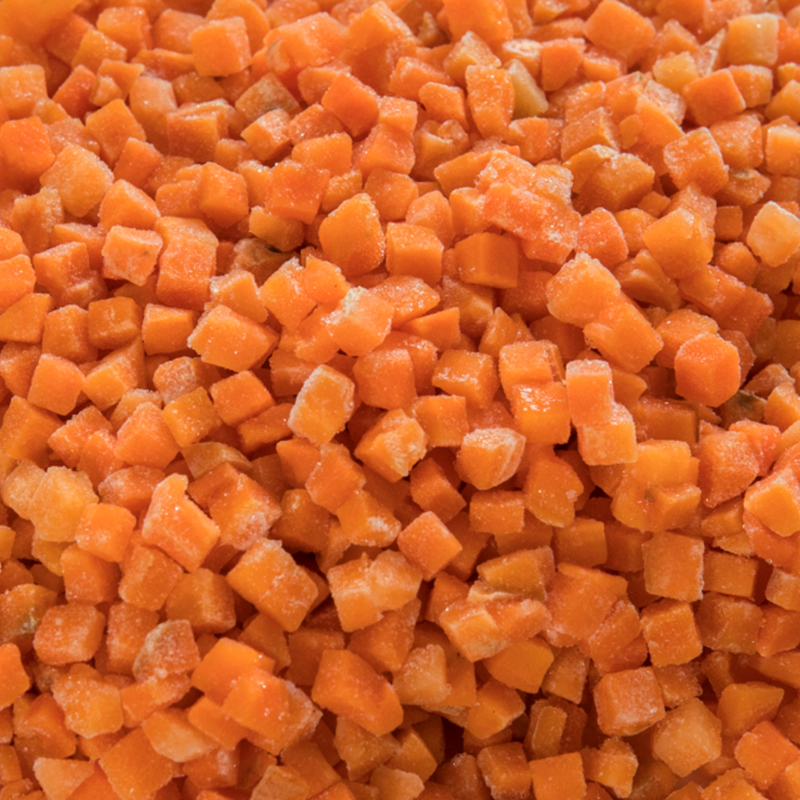
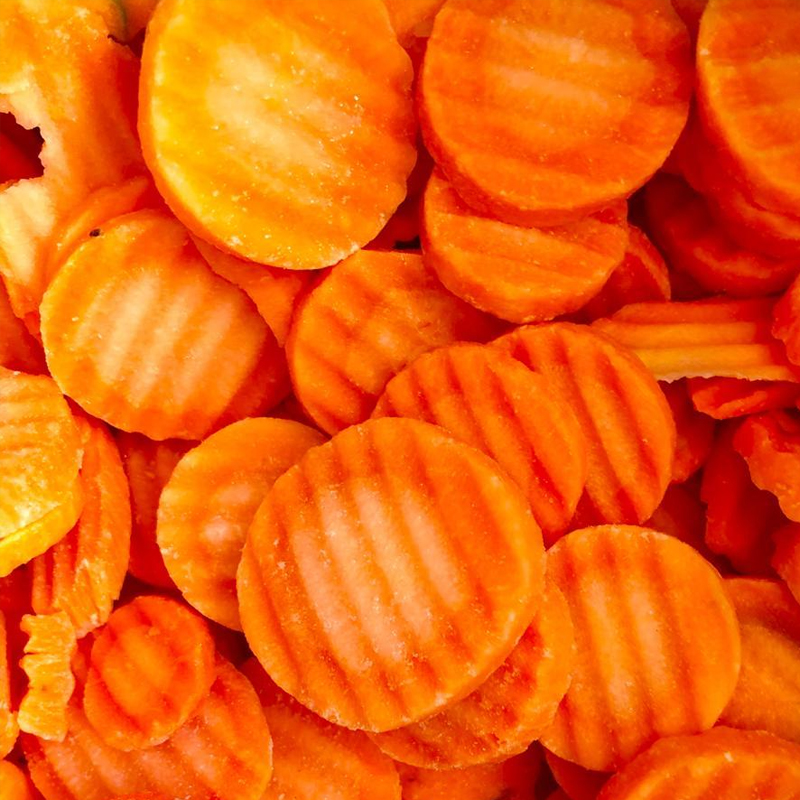
You can cook vegetables directly from frozen without thawing — and in most cases, you should. The best methods are roasting, stir-frying, steaming, and boiling, each producing different textures and flavors. The key is using high heat, avoiding overcrowding, and adjusting cooking times by 2–5 minutes longer than fresh equivalents.
Cooking vegetables from frozen is one of the most practical skills in everyday cooking. Frozen vegetables are picked and flash-frozen at peak ripeness, meaning their nutritional content is often comparable to — and sometimes higher than — fresh vegetables that have been sitting in transit or on store shelves for days. Yet many cooks end up with a watery, mushy result that puts them off frozen vegetables entirely.
The difference between limp, waterlogged frozen vegetables and crisp, flavorful ones comes down entirely to method. This guide covers every technique for cooking frozen vegetables — roasting, sautéing, steaming, boiling, microwaving, and air frying — with specific temperatures, times, and tips for the most common vegetables, so you always get the best possible result.
Content
- Frozen vs. Fresh Vegetables: Is There a Nutritional Difference?
- The Golden Rules for Cooking Frozen Vegetables Well
- How to Roast Frozen Vegetables: The Best Method for Flavor
- How to Stir-Fry or Sauté Frozen Vegetables
- How to Steam Frozen Vegetables
- How to Boil Frozen Vegetables Without Making Them Mushy
- How to Microwave Frozen Vegetables
- How to Cook Frozen Vegetables in an Air Fryer
- Cooking Method Comparison: Which Is Best for Frozen Vegetables?
- Frozen Vegetable Cooking Times by Type
- Common Mistakes When Cooking Frozen Vegetables — and How to Avoid Them
- How to Season Frozen Vegetables for Maximum Flavor
- Frequently Asked Questions About Cooking Frozen Vegetables
- Conclusion: Cooking Frozen Vegetables Well Is All About Method
Frozen vs. Fresh Vegetables: Is There a Nutritional Difference?
Frozen vegetables are nutritionally equal to or better than many fresh vegetables sold in supermarkets — a fact backed by extensive food science research that surprises many home cooks.
Flash-freezing — the industrial process used to freeze most commercial vegetables — involves blanching vegetables briefly in hot water or steam to deactivate enzymes that cause spoilage, then rapidly freezing them at temperatures as low as –40°F (–40°C). This process locks in vitamins, minerals, and antioxidants at the point of peak ripeness.
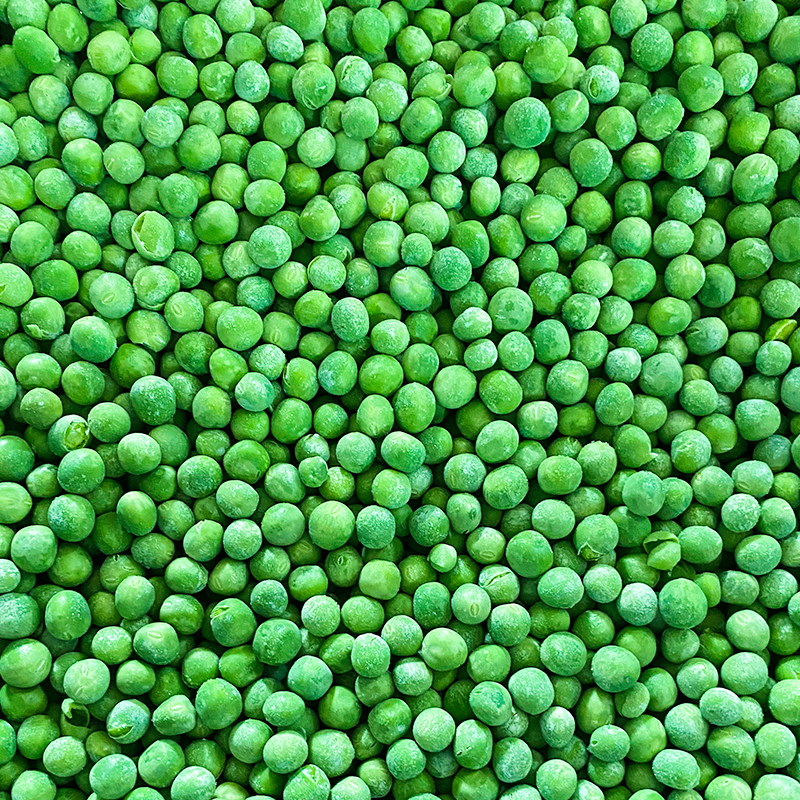
Studies published in food science journals have found that frozen peas retain up to 60% more vitamin C than fresh peas stored at room temperature for several days, and that frozen spinach maintains comparable folate and iron levels to freshly harvested spinach. Fresh vegetables lose nutrients progressively from the moment they are harvested — through transport, storage, and time on the shelf.
The practical conclusion: cooking vegetables from frozen is not a nutritional compromise. It is a smart, convenient choice — provided you use the right cooking method.
The Golden Rules for Cooking Frozen Vegetables Well
The most important rules for cooking frozen vegetables are: cook from frozen (do not thaw first), use high heat for dry methods, avoid overcrowding, and season after cooking.
- Cook from frozen — do not thaw: Thawing frozen vegetables releases their cellular moisture before cooking begins, making them wet and prone to steaming instead of browning. Going straight from freezer to pan or oven gives dramatically better results for most methods.
- Use high heat for roasting and stir-frying: High heat (400°F/200°C or above for roasting; screaming-hot pan for stir-fry) drives off surface moisture quickly and creates browning and caramelization. Low heat simply steams the vegetables in their own thawing water.
- Do not overcrowd the pan or tray: Overcrowding traps steam between vegetables and prevents browning. Every piece needs space around it. Use two baking sheets rather than crowding one, or cook in batches in a pan.
- Pat dry when possible: If any surface frost is visible on the vegetables before cooking, blot them quickly with a paper towel. Less surface moisture = better browning.
- Season after the initial cooking phase: Salt draws moisture out of vegetables. For roasting or sautéing, add salt partway through cooking or at the end — not at the start — to avoid creating extra liquid in the pan.
- Add 2–5 minutes to fresh cooking times: Frozen vegetables need slightly longer to cook than fresh because the heat must first overcome the temperature differential. Adjust accordingly and test for doneness a minute or two before the expected time.
How to Roast Frozen Vegetables: The Best Method for Flavor
Roasting is the best method for cooking most frozen vegetables — it produces caramelized, slightly crispy edges and concentrated flavor that no other technique can match.
The process is straightforward:
- Preheat your oven to 425°F (220°C) — this is the minimum effective temperature. A cooler oven will steam the vegetables instead of roasting them.
- Place the frozen vegetables directly onto a rimmed baking sheet lined with parchment paper. Do not use a glass or ceramic dish, as these retain moisture.
- Toss with 1–2 tablespoons of olive oil or avocado oil per pound of vegetables. The oil must coat each piece — this is what enables browning.
- Spread in a single layer with space between each piece. Use two sheets if necessary.
- Roast for 20–30 minutes, flipping once halfway through. Most vegetables are done when the edges are golden and slightly crispy.
- Season with salt, pepper, and any aromatics (garlic powder, smoked paprika, lemon zest) after removing from the oven.
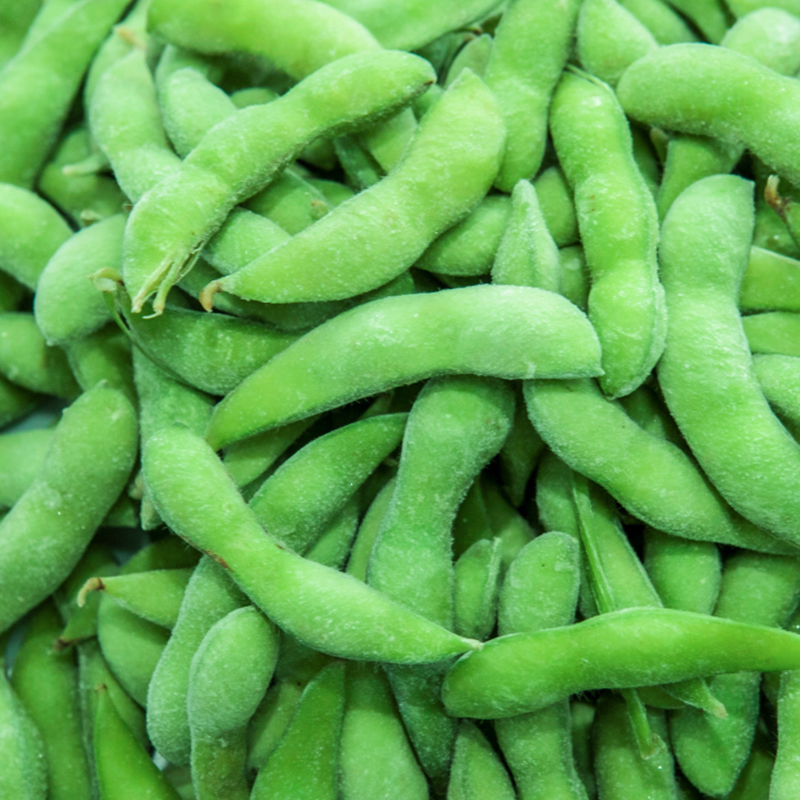
Best vegetables for roasting from frozen: broccoli, cauliflower, Brussels sprouts, green beans, edamame, corn, butternut squash, and mixed vegetable blends.
How to Stir-Fry or Sauté Frozen Vegetables
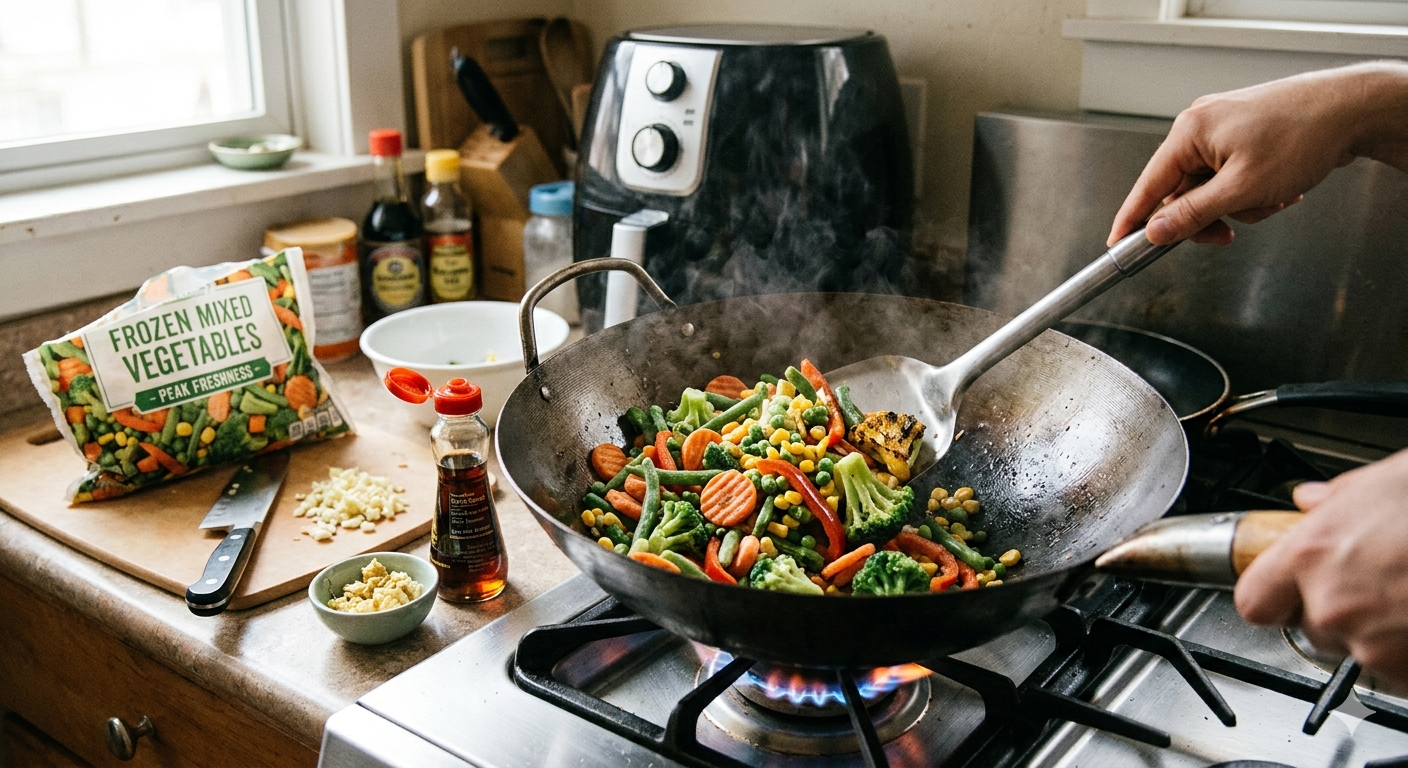
Stir-frying frozen vegetables over very high heat in a hot wok or skillet is the fastest way to cook them with good texture — the key is a screaming-hot pan and small batches.
- Heat a wok or large heavy skillet over high heat until the pan is very hot — a drop of water should evaporate instantly on contact.
- Add 1–2 tablespoons of a high-smoke-point oil (vegetable, peanut, or avocado oil). Heat until the oil shimmers.
- Add frozen vegetables in a single layer — no more than half the pan's capacity. Overcrowding drops the pan temperature immediately and causes steaming rather than frying.
- Do not stir for the first 2 minutes — allow a sear to develop on the contact surface before tossing.
- Toss and cook for a further 3–5 minutes until tender but still with some bite. Total time: approximately 5–8 minutes depending on the vegetable size.
- Add sauces, garlic, ginger, or soy sauce in the last 60–90 seconds of cooking.
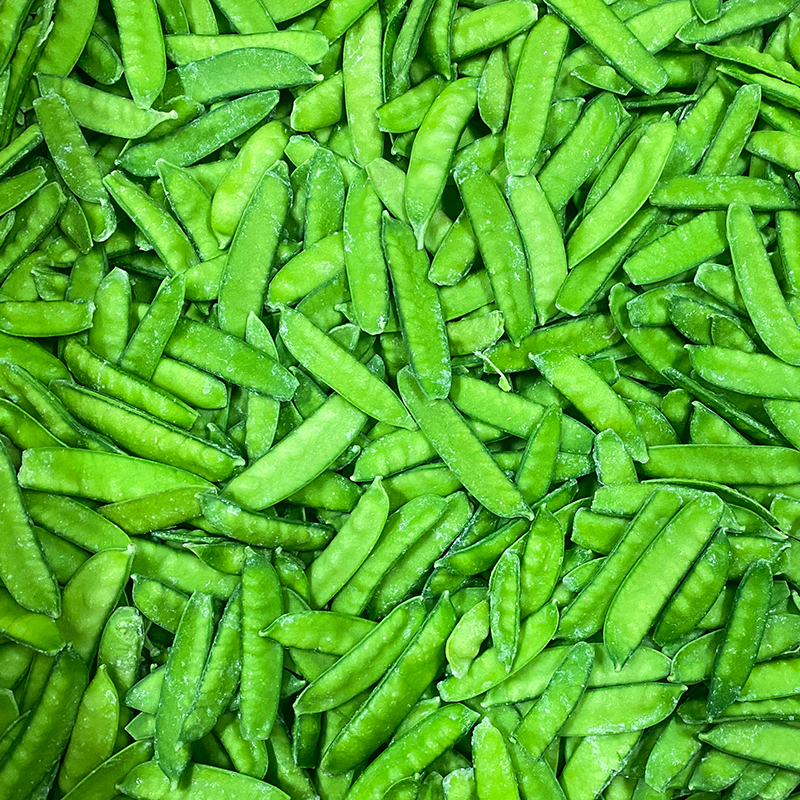
Best vegetables for stir-frying from frozen: snap peas, edamame, corn, peas, sliced peppers, Asian stir-fry mixes, broccoli florets, and green beans.
How to Steam Frozen Vegetables
Steaming is the best method for preserving the natural flavor and nutrients of frozen vegetables — it is ideal when you want a clean, simple result without added fat.
Steaming works by surrounding vegetables with moist heat rather than submerging them in water, which helps prevent the nutrient leaching that occurs with boiling. Research suggests that steaming retains approximately 90% of water-soluble vitamins such as vitamin C and folate, compared to approximately 60–70% when boiling.
- Bring 1–2 inches of water to a boil in a pot fitted with a steamer basket or insert.
- Add frozen vegetables directly to the steamer basket — no need to thaw.
- Cover tightly and steam for 3–6 minutes depending on vegetable density. Leafy greens and peas need only 3 minutes; broccoli and carrots need 5–6 minutes.
- Test with a fork — the vegetables should be tender but not soft. Remove immediately to prevent overcooking from residual steam.
- Season immediately after removing from the steamer, while still hot, so seasonings adhere well.
Best vegetables for steaming from frozen: broccoli, cauliflower, peas, green beans, spinach, mixed vegetables, artichoke hearts, and edamame.
How to Boil Frozen Vegetables Without Making Them Mushy
Boiling frozen vegetables works well but requires a short cooking time and immediate draining to avoid the mushy, waterlogged texture that gives frozen vegetables a bad reputation.
- Bring a large pot of salted water to a rolling boil before adding vegetables. Starting in cold water leads to uneven cooking and nutrient loss.
- Add frozen vegetables directly. The water will momentarily stop boiling — wait for it to return to a boil before starting the timer.
- Cook for 2–4 minutes only — most frozen vegetables are partially cooked during the blanching step before freezing, so they require far less time in boiling water than raw fresh vegetables.
- Drain immediately and do not leave vegetables sitting in hot water, which continues to cook them. For maximum texture retention, transfer directly to a colander.
- Optionally, toss the drained vegetables in butter or olive oil with seasoning immediately after draining while still hot.
Best vegetables for boiling from frozen: peas, corn, green beans, spinach, kale, broad beans, and mixed vegetable blends intended for side dishes.
How to Microwave Frozen Vegetables
Microwaving is the fastest and most convenient method for cooking frozen vegetables — it effectively steams them in their own moisture and retains nutrients well, though it cannot produce browning.
- Place frozen vegetables in a microwave-safe bowl or dish. Add 2–3 tablespoons of water for dense vegetables (broccoli, carrots); no added water is needed for peas, corn, or spinach.
- Cover with a microwave-safe lid or damp paper towel — this traps steam and ensures even cooking.
- Microwave on high power for 3–5 minutes for most vegetables. Stir or shake halfway through to distribute heat evenly.
- Let stand covered for 1 minute after cooking — residual steam continues cooking during this rest period.
- Drain any excess water, season, and serve immediately.
Many frozen vegetables now come in steam-in-bag packaging specifically designed for microwave cooking. These bags are designed to vent steam safely and provide excellent results with zero cleanup — simply follow the package instructions, which typically call for 4–6 minutes on high.
How to Cook Frozen Vegetables in an Air Fryer
The air fryer produces results closer to roasting than any other quick method — it delivers crispy edges and good texture in about half the time of oven roasting.
- Preheat air fryer to 390–400°F (200°C).
- Toss frozen vegetables with 1 tablespoon of oil — less than oven roasting because the circulating hot air is more efficient.
- Place in the air fryer basket in a single layer. Cook in batches if necessary — overcrowding defeats the purpose of air frying.
- Cook for 10–15 minutes, shaking the basket once or twice during cooking for even browning.
- Season after cooking for best texture.
Best vegetables for air frying from frozen: broccoli, cauliflower, Brussels sprouts, green beans, zucchini slices, and corn — anything that benefits from a slightly crispy exterior.
Cooking Method Comparison: Which Is Best for Frozen Vegetables?
Every method for cooking frozen vegetables has trade-offs in texture, flavor, time, and nutritional retention. The table below gives you a direct comparison.
| Method | Time | Texture | Flavor | Nutrient Retention | Best For |
| Roasting | 20–30 min | Crispy edges, tender inside | Excellent | High | Broccoli, cauliflower, Brussels sprouts |
| Air Frying | 10–15 min | Crispy, light | Excellent | High | Broccoli, green beans, corn |
| Stir-Frying | 5–8 min | Tender, slight char | Very Good | High | Stir-fry mixes, snap peas, peppers |
| Steaming | 3–6 min | Tender, clean | Good | Very High (~90%) | Peas, spinach, artichoke hearts |
| Microwaving | 3–5 min | Soft, tender | Good | High | Quick sides, peas, corn, mixed veg |
| Boiling | 2–4 min | Soft (easy to overcook) | Fair | Moderate (~60–70%) | Peas, green beans, corn, kale |
Table 1: Comparison of cooking methods for frozen vegetables by time, texture, flavor quality, and estimated nutrient retention.
Frozen Vegetable Cooking Times by Type
Different frozen vegetables require different cooking times — density, moisture content, and piece size all affect how quickly they cook through.
| Vegetable | Roast (425°F) | Stir-Fry | Steam | Boil | Microwave |
| Peas | 15–18 min | 3–4 min | 2–3 min | 2 min | 2–3 min |
| Broccoli florets | 22–28 min | 6–8 min | 5–6 min | 3–4 min | 4–5 min |
| Cauliflower | 25–30 min | 7–9 min | 5–7 min | 3–4 min | 4–6 min |
| Green beans | 20–25 min | 5–7 min | 4–5 min | 3–4 min | 3–4 min |
| Corn kernels | 18–22 min | 4–5 min | 3–4 min | 2–3 min | 2–3 min |
| Spinach / kale | 12–15 min | 3–4 min | 2–3 min | 1–2 min | 2–3 min |
| Brussels sprouts | 25–30 min | 8–10 min | 6–8 min | 4–5 min | 5–6 min |
| Butternut squash | 25–35 min | 8–10 min | 6–8 min | 4–5 min | 5–7 min |
Table 2: Approximate cooking times for common frozen vegetables by cooking method. Times are guidelines — always test for doneness.
Common Mistakes When Cooking Frozen Vegetables — and How to Avoid Them
The most common reason frozen vegetables turn out mushy and flavorless is thawing before cooking, overcrowding the pan, and cooking at too low a temperature.
| Mistake | Why It's a Problem | The Fix |
| Thawing before cooking | Releases excess moisture; causes steaming not browning | Cook directly from frozen |
| Overcrowding the pan / tray | Traps steam; prevents browning; uneven cooking | Single layer with space; cook in batches |
| Oven too cool (below 400°F) | Moisture cannot evaporate fast enough; soggy result | Use 425°F (220°C) minimum for roasting |
| Salting at the start | Draws out moisture; wets pan; slows browning | Season halfway through or after cooking |
| Boiling too long | Vegetables are pre-blanched; extra time = mush | 2–4 minutes maximum; drain immediately |
| Using a cold pan for stir-fry | Moisture steams vegetables instead of searing them | Heat pan fully before adding oil and vegetables |
Table 3: Common mistakes when cooking frozen vegetables, why they occur, and practical fixes for each.
How to Season Frozen Vegetables for Maximum Flavor
Properly seasoned frozen vegetables taste just as good as fresh — the key is layering flavors after the initial cooking phase rather than adding everything at the start.
- Classic roasted: Olive oil, garlic powder, smoked paprika, salt, and a squeeze of lemon juice after roasting
- Asian stir-fry: Soy sauce, sesame oil, fresh ginger, garlic, and a pinch of chili flakes — added in the last 90 seconds of cooking
- Mediterranean: Olive oil, dried oregano, red pepper flakes, and crumbled feta after cooking
- Buttery herb: A tablespoon of butter, fresh or dried thyme, garlic, and a pinch of nutmeg — excellent for steamed or boiled vegetables
- Spicy: Chili powder, cumin, lime juice, and a drizzle of hot sauce — works particularly well with corn, broccoli, and green beans
- Parmesan finish: Grate Parmesan over roasted or air-fried vegetables straight from the oven for a savory, umami crust
Frequently Asked Questions About Cooking Frozen Vegetables
Q: Should you thaw frozen vegetables before cooking?
No — for almost all cooking methods, you should cook frozen vegetables directly from frozen. Thawing releases cellular water before cooking begins, which leads to a wet, steamed texture rather than the browning and caramelization that makes vegetables flavorful. The only exception is if you need to chop or slice frozen vegetables before cooking, in which case a brief partial thaw makes cutting easier.
Q: Are frozen vegetables as healthy as fresh?
Yes — frozen vegetables are nutritionally comparable to fresh, and in some cases superior. Flash-freezing locks in nutrients at peak ripeness. Fresh vegetables lose vitamins progressively during transport and storage. Studies have shown frozen peas retain significantly more vitamin C than fresh peas stored for several days at room temperature. For everyday cooking, frozen vegetables are an excellent nutritional choice.
Q: Why do my frozen vegetables always turn out soggy?
Soggy frozen vegetables are almost always caused by one of three mistakes: thawing before cooking, overcrowding the pan, or using heat that is too low. All three result in steam building up around the vegetables instead of moisture evaporating quickly. Use a very hot oven (425°F+), give each piece space, cook from frozen, and pat off any visible surface ice before cooking.
Q: Can you cook frozen vegetables in a pan without oil?
Yes, but results will be different. Cooking frozen vegetables in a non-stick pan with a splash of water or vegetable broth produces a steamed effect rather than browning. This is a legitimate lower-fat method and works well for spinach, peas, and corn. For roasted or stir-fried texture, some form of fat is necessary to facilitate browning and prevent sticking.
Q: Can you refreeze vegetables after cooking them from frozen?
You can safely refreeze cooked vegetables that were previously frozen, provided they were handled hygienically and not left at room temperature for more than 2 hours. However, each freeze-thaw-cook cycle degrades texture and some nutritional content. Refrozen cooked vegetables are best used in soups, stews, or dishes where soft texture is acceptable rather than as standalone side dishes.
Q: What is the best frozen vegetable for roasting?
Broccoli, cauliflower, and Brussels sprouts are the best frozen vegetables for roasting because their relatively dense structure holds up well to high oven heat and develops excellent caramelized flavor. Peas and corn are too small to roast effectively — they are better steamed or microwaved. Green beans and butternut squash are also very good candidates for oven roasting from frozen.
Conclusion: Cooking Frozen Vegetables Well Is All About Method
Cooking vegetables from frozen is genuinely one of the most efficient and nutritionally sound choices in everyday cooking — but the method matters enormously. The difference between a soggy, flavorless pile of frozen broccoli and a plate of golden, caramelized florets is simply heat, space, and timing.
For the best flavor and texture, roasting at 425°F or air frying are your top choices. For speed and nutrient retention, steaming or microwaving do an excellent job. For weeknight stir-fries, a screaming-hot wok delivers results in under 10 minutes. And for the simplest side dish, a brief boil followed by immediate draining and a pat of butter is all you need.
Keep your freezer stocked, match the vegetable to the method, follow the golden rules — cook from frozen, use high heat, don't crowd the pan — and you will never struggle with frozen vegetables again.