

 English
 中文简体
中文简体 日本語
日本語
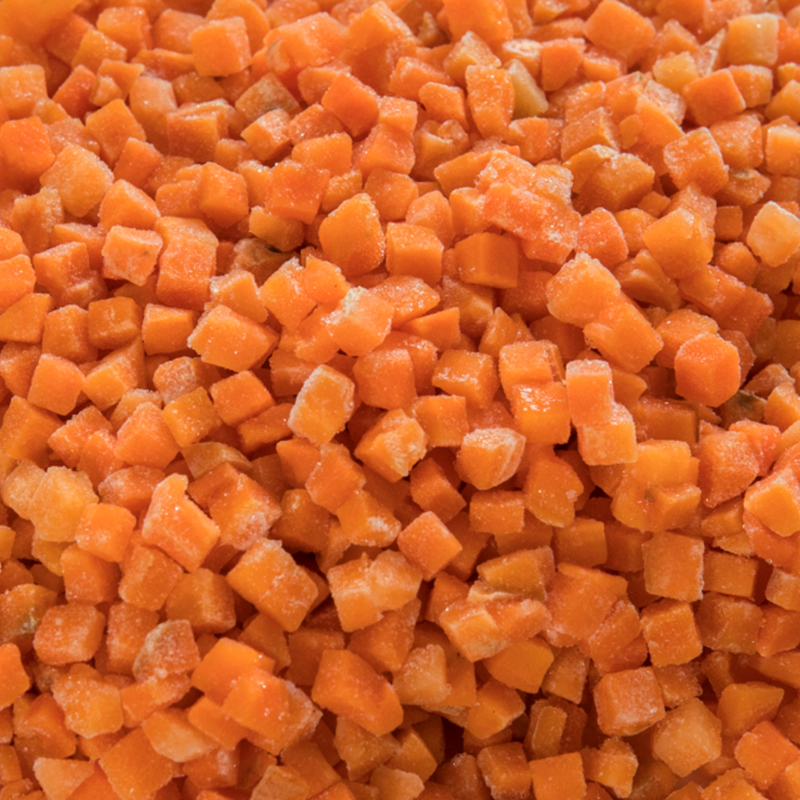
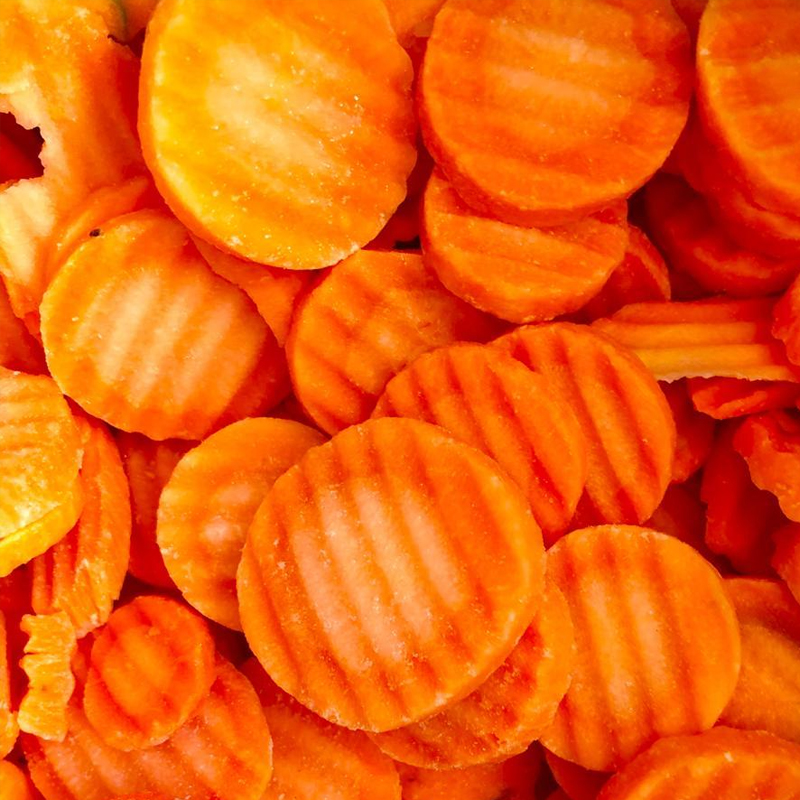
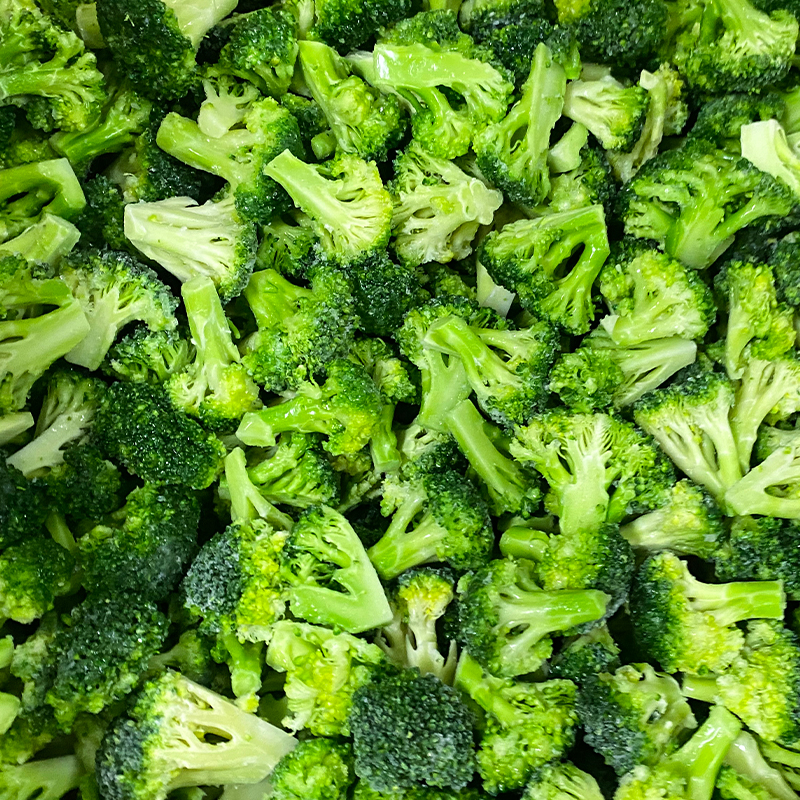
Quick Answer: The main differences between fresh and IQF cauliflower lie in shelf life, convenience, nutritional retention, texture, and cost. Fresh cauliflower offers superior taste when used immediately, while IQF (Individually Quick Frozen) cauliflower locks in nutrients at peak ripeness and delivers year-round convenience with minimal waste.
Whether you're a home cook, food manufacturer, or foodservice professional, choosing between fresh cauliflower and IQF cauliflower can significantly impact your cooking results, budget, and nutrition intake. This guide breaks down every major difference so you can make the most informed decision.
Content
- What Is IQF Cauliflower?
- Head-to-Head Comparison: Fresh vs IQF Cauliflower
- Nutritional Differences: Which Is Healthier?
- Texture and Taste: What's the Real Difference?
- Shelf Life and Storage
- Cost Comparison
- Best Applications for Each Type
- Environmental and Sustainability Considerations
- Frequently Asked Questions (FAQ)
- Conclusion: Which Should You Choose?
What Is IQF Cauliflower?
IQF stands for Individually Quick Frozen. Unlike bulk freezing, IQF technology freezes each cauliflower floret separately at ultra-low temperatures (typically around -35°C / -31°F) within minutes of harvest. This rapid freezing process forms tiny ice crystals that preserve the cell structure, color, flavor, and nutrients of the vegetable.
IQF cauliflower is widely used in food processing, retail packaging, restaurant kitchens, and home cooking precisely because it retains quality over a long storage period without the use of preservatives.
Head-to-Head Comparison: Fresh vs IQF Cauliflower
The table below summarizes the key differences at a glance:
Nutritional Differences: Which Is Healthier?
Many people assume fresh vegetables are always more nutritious than frozen ones — but the science often tells a different story when it comes to IQF cauliflower.
Fresh Cauliflower Nutrition
Freshly harvested cauliflower is packed with Vitamin C, Vitamin K, folate, fiber, and antioxidants. However, these nutrients — especially Vitamin C — begin degrading immediately after harvest due to light, heat, and oxidation. By the time fresh cauliflower reaches your grocery store and then your plate, it may have lost a measurable portion of its original nutrient content.
IQF Cauliflower Nutrition
IQF cauliflower is frozen within hours of harvest, effectively pausing nutrient degradation. Studies have shown that frozen vegetables can retain equal or even higher levels of certain vitamins compared to fresh produce that has been transported and stored for days. The IQF method is specifically advantageous because each floret freezes individually, reducing the formation of large ice crystals that can damage cell walls and leach nutrients.
Key Takeaway: For peak nutritional value, IQF cauliflower often rivals or surpasses fresh cauliflower that has been stored for several days. If you're consuming fresh cauliflower on the day of purchase, fresh wins marginally. Otherwise, IQF is the smart nutritional choice.
Texture and Taste: What's the Real Difference?
Texture is one of the most notable differences between fresh and IQF cauliflower, and it depends heavily on how you plan to use it.
Fresh Cauliflower Texture
- Firm, dense, and crunchy when raw
- Ideal for raw crudités, salads, and refined plating
- Holds shape well when lightly cooked
- Mild, slightly sweet and nutty flavor at peak freshness
IQF Cauliflower Texture
- Slightly softer upon thawing due to the freezing process
- Performs excellently in soups, stews, stir-fries, and roasting
- Retains shape better than bulk-frozen cauliflower
- Flavor is consistent and does not vary with season
For cooked applications — steaming, roasting, blending into cauliflower rice or mash — IQF cauliflower is virtually indistinguishable from fresh in terms of taste and mouthfeel.
Shelf Life and Storage
One of the most practical advantages of IQF cauliflower is its dramatically extended shelf life.
Fresh Cauliflower
- Refrigerator: 5–7 days
- Must be used quickly
- Yellowing = quality loss
- High risk of spoilage
IQF Cauliflower
- Freezer: 12–24 months
- Use portion by portion
- No yellowing or spoilage
- Minimal food waste
Cost Comparison
The price of fresh cauliflower is heavily influenced by seasonality, geography, and weather conditions. Prices can spike dramatically during off-seasons or supply chain disruptions. In contrast, IQF cauliflower is processed and stored in bulk, which means pricing remains relatively stable throughout the year.
When you factor in food waste, the cost advantage of IQF becomes even more apparent. With fresh cauliflower, any unused portion that goes bad before use represents lost money. With IQF cauliflower, you take exactly what you need and return the rest to the freezer.
For foodservice businesses and food manufacturers, IQF cauliflower also eliminates the labor costs associated with trimming, washing, and portioning fresh heads.
Best Applications for Each Type
When to Choose Fresh Cauliflower
- Raw salads and crudité platters
- Fine dining presentations requiring visual appeal
- Recipes needing a very firm crunch (e.g., cauliflower steaks)
- Fermentation and pickling projects
- Same-day cooking from a farmers' market purchase
When to Choose IQF Cauliflower
- Soups, stews, and curries
- Cauliflower rice and cauliflower mash
- Roasted side dishes and casseroles
- Meal prepping and batch cooking
- Food manufacturing and commercial processing
- Quick weeknight dinners (no prep required)
- Smoothies and purees
Environmental and Sustainability Considerations
Sustainability is increasingly important for both consumers and businesses. Here's how the two options compare:
- Food waste: IQF cauliflower dramatically reduces spoilage-related waste. Only the required amount is used, and the rest stays frozen.
- Transport emissions: Fresh cauliflower requires faster, often temperature-controlled transport to reach consumers. IQF can be shipped in larger, consolidated loads.
- Processing waste: IQF facilities process cauliflower in bulk, often using byproducts (e.g., leaves, stems) for other purposes, reducing overall agricultural waste.
- Energy use: IQF freezing requires energy-intensive cold storage, but this is offset by fewer frequent deliveries and reduced spoilage losses.
Frequently Asked Questions (FAQ)
Conclusion: Which Should You Choose?
Both fresh and IQF cauliflower have a place in modern kitchens and food production. The right choice depends on your specific needs:
- If you need visual appeal, raw applications, or same-day freshness — choose fresh cauliflower.
- If you prioritize convenience, nutritional stability, long shelf life, consistent pricing, and reduced waste — IQF cauliflower is the clear winner.
For food manufacturers, meal kit companies, and high-volume kitchens, IQF cauliflower is often the preferred choice due to its uniformity, year-round availability, and ease of integration into production lines.