

 English
 中文简体
中文简体 日本語
日本語
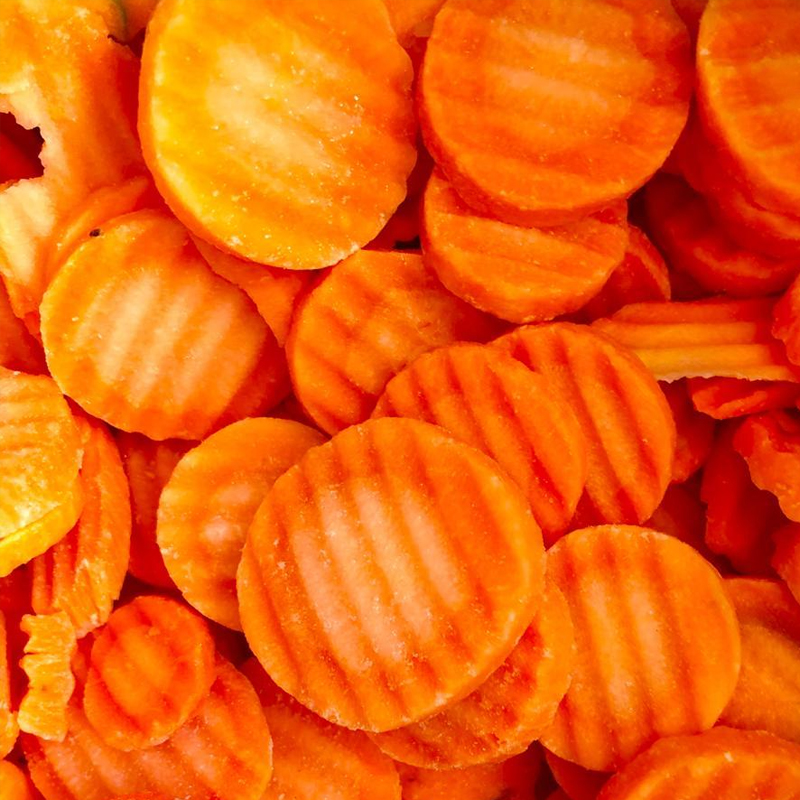
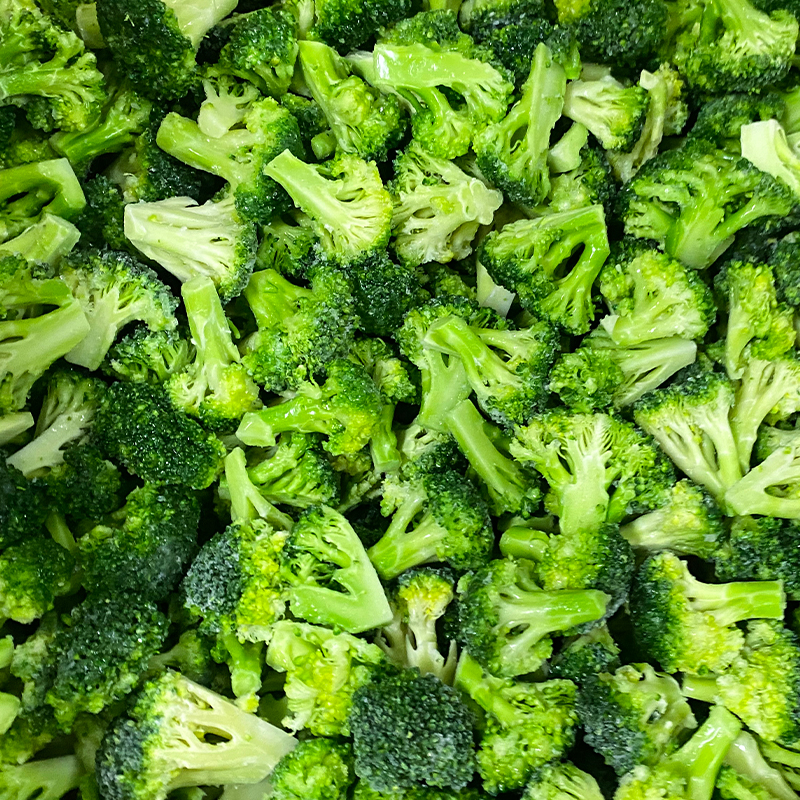
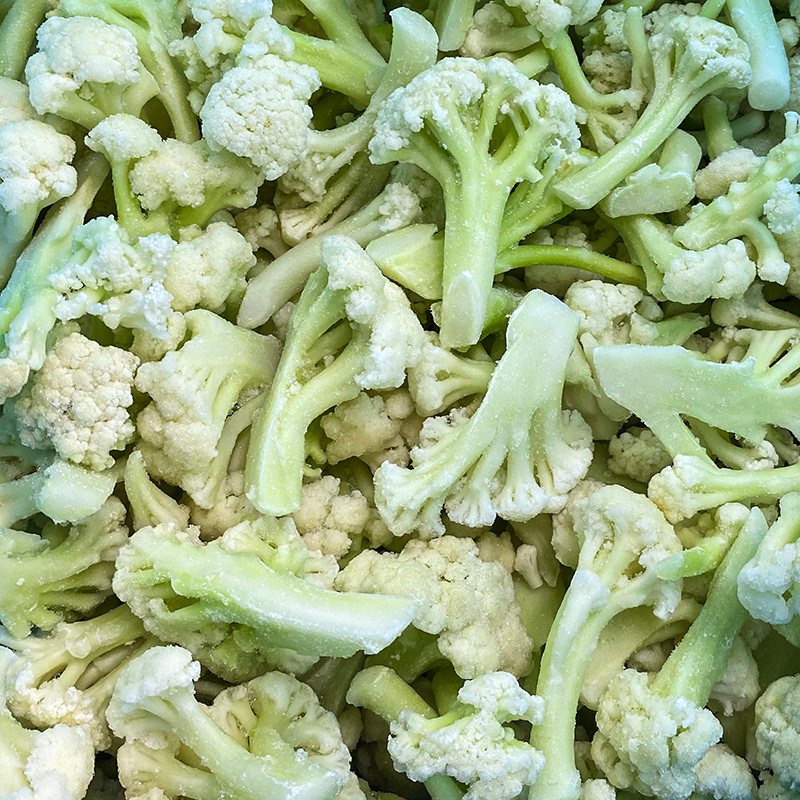
As global demand for convenient, nutritious vegetables grows, IQF cauliflower has emerged as one of the most popular frozen vegetables on the market. Whether you are a food manufacturer, a home cook, or a health-conscious shopper, understanding how IQF cauliflower is made, how long it stays safe, and whether it retains its nutritional value over time is essential knowledge.
This comprehensive guide explores everything you need to know about IQF cauliflower — from the freezing technology behind it to storage best practices, nutritional comparisons, and honest answers to the most frequently asked questions.
Content
- What Is IQF Cauliflower?
- Is IQF Cauliflower Safe for Long-Term Storage?
- Nutritional Profile of IQF Cauliflower
- IQF Cauliflower vs. Fresh vs. Conventional Frozen: A Direct Comparison
- Health Benefits of Including IQF Cauliflower in Your Diet
- Proper Storage Tips to Maximize Quality
- Industrial and Commercial Uses of IQF Cauliflower
- Frequently Asked Questions About IQF Cauliflower
- Final Verdict
What Is IQF Cauliflower?
IQF stands for Individually Quick Frozen — a specialized food preservation technology in which each piece of cauliflower is frozen separately and rapidly at extremely low temperatures, typically between −30°C and −40°C (−22°F to −40°F), rather than being frozen in a block.
The key distinction of IQF cauliflower compared to conventional block-frozen vegetables is that the rapid, individual freezing process minimizes the formation of large ice crystals inside the cell walls of the cauliflower florets. Large ice crystals damage cellular structure, leading to mushy texture and nutrient loss upon thawing. The IQF method avoids this problem.
How the IQF Process Works
The production of IQF cauliflower follows a strict sequence to ensure food safety and quality:
- Harvesting: Fresh cauliflower heads are harvested at peak ripeness to maximize nutritional density.
- Trimming & Cutting: The cauliflower is trimmed, cut into uniform florets, and inspected for quality.
- Blanching: Florets are briefly blanched in hot water or steam to deactivate enzymes that cause color and flavor degradation.
- Cooling: Immediately chilled in cold water to stop the cooking process.
- IQF Freezing: Passed through a tunnel freezer or fluidized bed freezer where each floret is frozen individually within minutes.
- Packaging: Sealed in airtight, food-grade packaging to prevent freezer burn and contamination.
Is IQF Cauliflower Safe for Long-Term Storage?
The short answer is yes — IQF cauliflower is considered safe for long-term storage when handled and stored correctly. The freezing process itself does not use any preservatives, artificial additives, or chemical agents. At temperatures at or below −18°C (0°F), microbial growth is effectively halted, making frozen cauliflower microbiologically safe indefinitely as long as the cold chain is unbroken.
However, food safety and food quality are two different considerations. While IQF cauliflower remains safe beyond its "best by" date, its texture, flavor, and nutrient content may gradually decline after the recommended storage period.
Recommended Storage Timeframes
Below are general guidelines for how long IQF cauliflower retains optimal quality under continuous frozen storage at −18°C (0°F):
| Storage Condition | Recommended Duration | Quality Outcome |
| Home freezer (−18°C / 0°F) | 12–18 months | Best flavor, texture, and nutrition |
| Commercial cold storage (−25°C) | 18–24 months | Excellent for food service and retail |
| Repeated freeze-thaw cycles | Not recommended | Significant quality and safety degradation |
| Opened package (resealed) | 1–3 months | Monitor for freezer burn |
Nutritional Profile of IQF Cauliflower
One of the most compelling reasons consumers and food professionals choose IQF cauliflower is its ability to retain nutrients. Because IQF cauliflower is processed and frozen within hours of harvest, it often locks in more vitamins and minerals than fresh cauliflower that has traveled long distances or sat in storage for days.
Key Nutrients in IQF Cauliflower (per 100g)
| Nutrient | Amount | Health Benefit |
| Vitamin C | ~46 mg | Immune support, antioxidant protection |
| Vitamin K | ~15.5 µg | Bone health, blood clotting |
| Folate (B9) | ~57 µg | Cell growth, prenatal health |
| Dietary Fiber | ~2 g | Digestive health, satiety |
| Potassium | ~299 mg | Heart health, blood pressure regulation |
| Choline | ~44 mg | Brain function, liver health |
| Calories | ~25 kcal | Low-calorie, diet-friendly |
IQF Cauliflower vs. Fresh vs. Conventional Frozen: A Direct Comparison
Understanding how IQF cauliflower compares to other forms helps buyers and consumers make informed decisions:
| Factor | IQF Cauliflower | Fresh Cauliflower | Conventional Block-Frozen |
| Nutrient Retention | Excellent | Good (when very fresh) | Moderate |
| Shelf Life | 12–24 months (frozen) | 1–2 weeks (refrigerated) | 6–12 months (frozen) |
| Texture After Thaw | Firm, close to fresh | Crisp and natural | Often soft/mushy |
| Food Waste | Very Low | Higher (perishable) | Low |
| Convenience | Pre-cut, ready to cook | Requires prep | Pre-cut, but clumped |
| Preservatives Used | None | None | None (but may clump) |
| Year-Round Availability | Yes | Seasonal variation | Yes |
Health Benefits of Including IQF Cauliflower in Your Diet
IQF cauliflower is not just a convenient option — it is genuinely a powerhouse vegetable with a wide range of health benefits:
1. Rich in Antioxidants
Cauliflower contains glucosinolates and isothiocyanates — powerful compounds that may reduce oxidative stress and lower the risk of chronic disease. The IQF process preserves these compounds far better than cooking from fresh.
2. Supports Digestive Health
IQF cauliflower is a good source of dietary fiber, which promotes healthy gut bacteria, prevents constipation, and supports overall digestive well-being.
3. Ideal for Low-Carb and Keto Diets
With just 5g of carbohydrates per 100g serving, IQF cauliflower has become a staple in ketogenic and low-carb diets. It is used as a substitute for rice, mashed potatoes, and pizza crusts.
4. Anti-Inflammatory Properties
The vitamin C, vitamin K, and polyphenols found in IQF cauliflower contribute to reducing systemic inflammation — a key driver in conditions such as heart disease, diabetes, and arthritis.
5. High in Choline
Choline is an essential nutrient often lacking in modern diets. IQF cauliflower is one of the few plant-based sources of choline, which is critical for brain development, nerve function, and liver health.
Proper Storage Tips to Maximize Quality
To get the most out of your IQF cauliflower, follow these best practices:
- Maintain a constant temperature of −18°C (0°F) or below. Fluctuations accelerate quality loss and can promote ice crystal formation.
- Keep the original packaging sealed until ready to use. Once opened, transfer unused portions into a resealable freezer bag with excess air removed.
- Never refreeze thawed cauliflower. Once thawed, cook it promptly within 24 hours and do not return it to the freezer.
- Store away from strong-smelling foods — cauliflower can absorb odors even through sealed packaging over extended periods.
- Label and date your packages to rotate stock effectively and avoid using product beyond the recommended period.
- Cook from frozen when possible to minimize textural degradation and preserve nutrients that leach into thaw water.
Industrial and Commercial Uses of IQF Cauliflower
Beyond the consumer market, IQF cauliflower plays a significant role across a wide range of commercial applications:
- Food Service & Restaurants: Pre-portioned IQF cauliflower saves prep time and reduces kitchen waste in high-volume cooking environments.
- Ready Meal Manufacturing: Used as a primary ingredient in frozen meals, soups, stews, and vegetable blends.
- Baby Food Production: The clean, additive-free profile of IQF cauliflower makes it ideal for baby and toddler food brands.
- Health & Wellness Brands: Used in cauliflower rice, cauliflower pizza bases, and low-carb product lines.
- Retail Frozen Vegetable Lines: Major supermarket own-brand and branded frozen vegetable products rely heavily on IQF technology.
Frequently Asked Questions About IQF Cauliflower
Q: Does IQF cauliflower contain any preservatives or additives?
No. Properly produced IQF cauliflower contains only cauliflower — no added salt, sugar, preservatives, or artificial ingredients. The freezing process itself acts as the sole preservation mechanism. Always check labels on flavored or seasoned varieties.
Q: Can IQF cauliflower go bad in the freezer?
Frozen food stored below −18°C does not go "bad" in a microbial sense. However, IQF cauliflower can suffer from freezer burn, off-flavors, and texture degradation if stored too long, opened and poorly resealed, or subjected to temperature fluctuations. Watch for discoloration, excessive ice crystals, or an off smell.
Q: Is IQF cauliflower as nutritious as fresh?
In many cases, yes — and sometimes more so. Because IQF cauliflower is frozen within hours of harvest, it preserves vitamins and phytochemicals that may degrade during the transportation and storage of fresh produce. Studies have shown that frozen vegetables often match or exceed fresh vegetables in vitamin content.
Q: What is the best way to cook IQF cauliflower?
IQF cauliflower can be roasted, steamed, stir-fried, boiled, or microwaved directly from frozen. Roasting at 200–220°C (400–425°F) produces the best flavor and texture. Avoid boiling if possible, as water-soluble nutrients like vitamin C and folate can leach into the cooking water.
Q: How can I tell if my IQF cauliflower has gone bad?
Signs that IQF cauliflower quality has declined include: yellow or brown discoloration, mushy texture after minimal thawing, sour or unpleasant odor, heavy frost coating (freezer burn), or a gray/translucent appearance. If in doubt, discard it.
Q: Is IQF cauliflower safe for babies and young children?
Yes. IQF cauliflower without additives is a safe, nutritious option for babies from around 6 months as part of weaning. Ensure it is thoroughly cooked and appropriately textured for the child's age. Always choose unseasoned, additive-free varieties.
Q: Why is IQF cauliflower more expensive than conventional frozen cauliflower?
The IQF process requires specialized high-capacity tunnel or fluidized bed freezers, more precise quality control, and more sophisticated packaging. This infrastructure investment is reflected in a slightly higher price point. However, the superior texture, individual portioning, and nutrient retention typically justify the cost premium for most buyers.
Final Verdict
IQF cauliflower is one of the safest, most nutritious, and most versatile frozen vegetables available today. When stored correctly at consistent freezing temperatures, it remains safe and retains excellent nutritional quality for up to 18–24 months. The absence of preservatives, the superior texture compared to block-frozen alternatives, and its year-round availability make IQF cauliflower an outstanding choice for health-conscious consumers, food manufacturers, and culinary professionals alike.
Whether you are building a leaner diet, stocking a commercial kitchen, or sourcing ingredients for a food production line, IQF cauliflower delivers consistent quality, long-term safety, and impressive nutritional value that fresh and conventionally frozen alternatives simply cannot match over extended storage periods.