

 English
 中文简体
中文简体 日本語
日本語
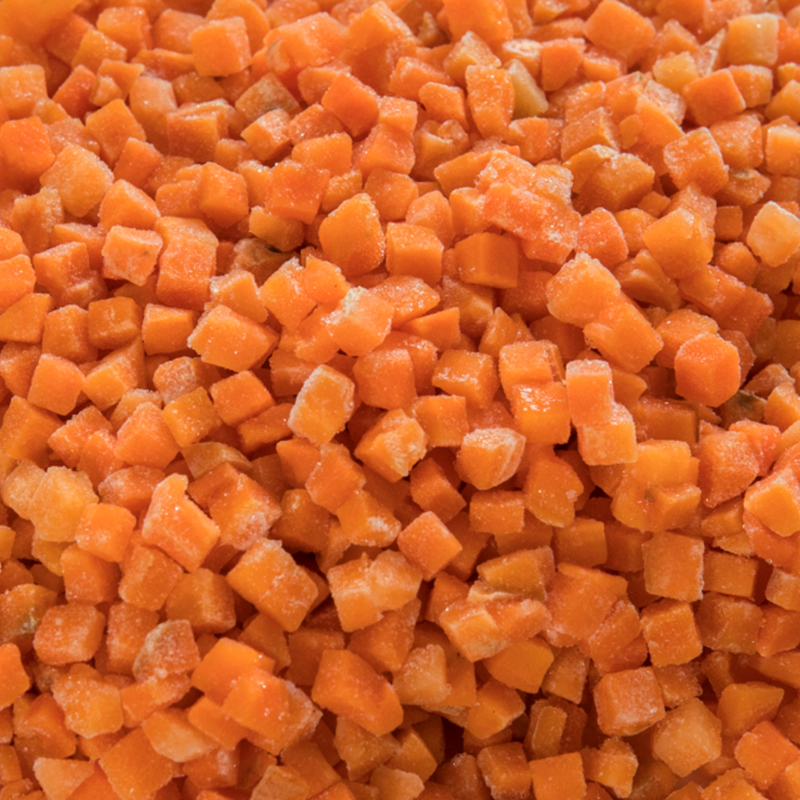
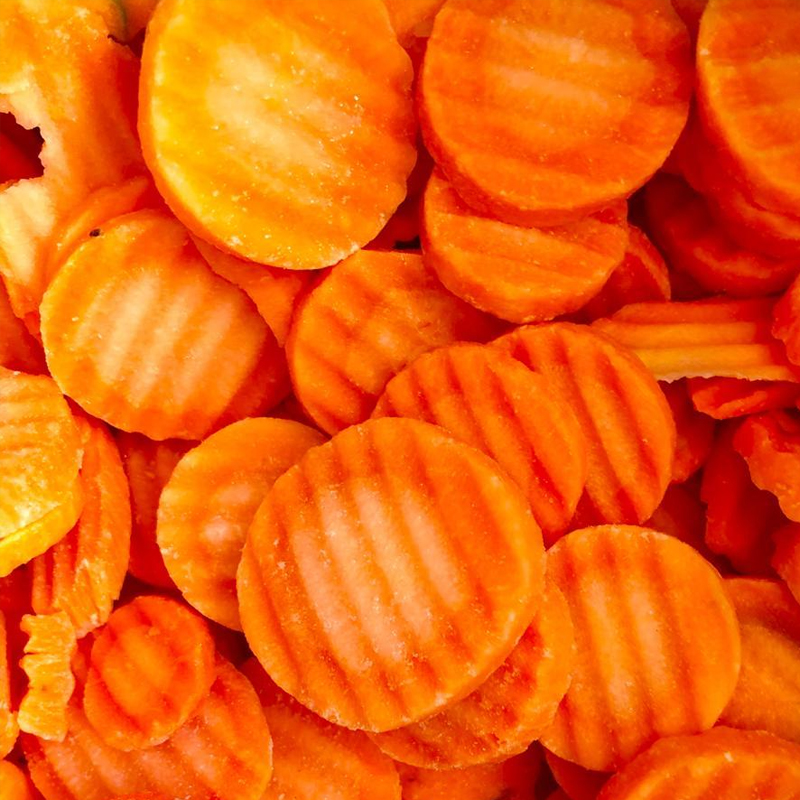
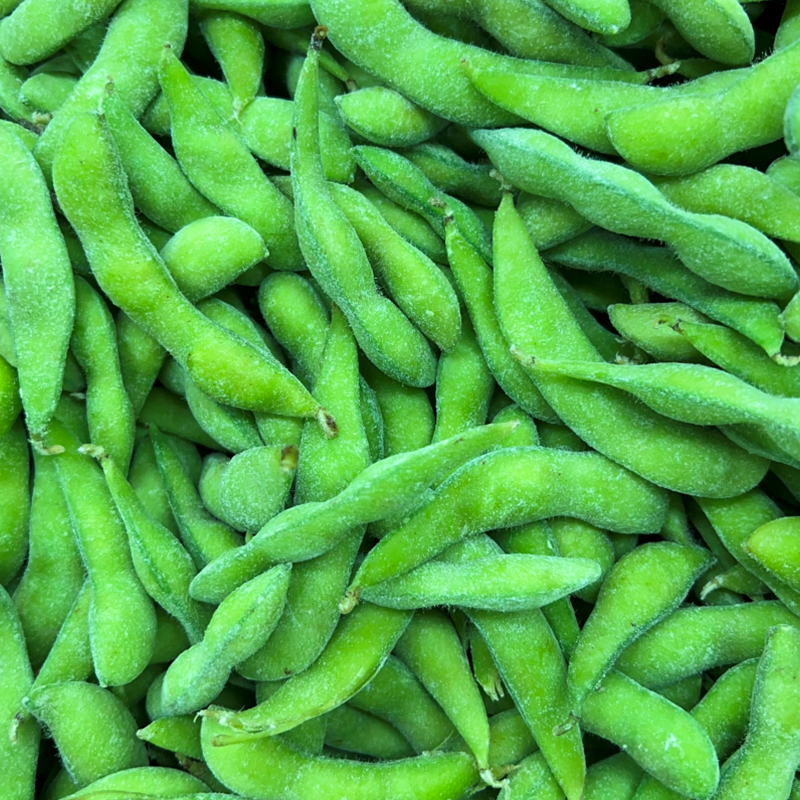
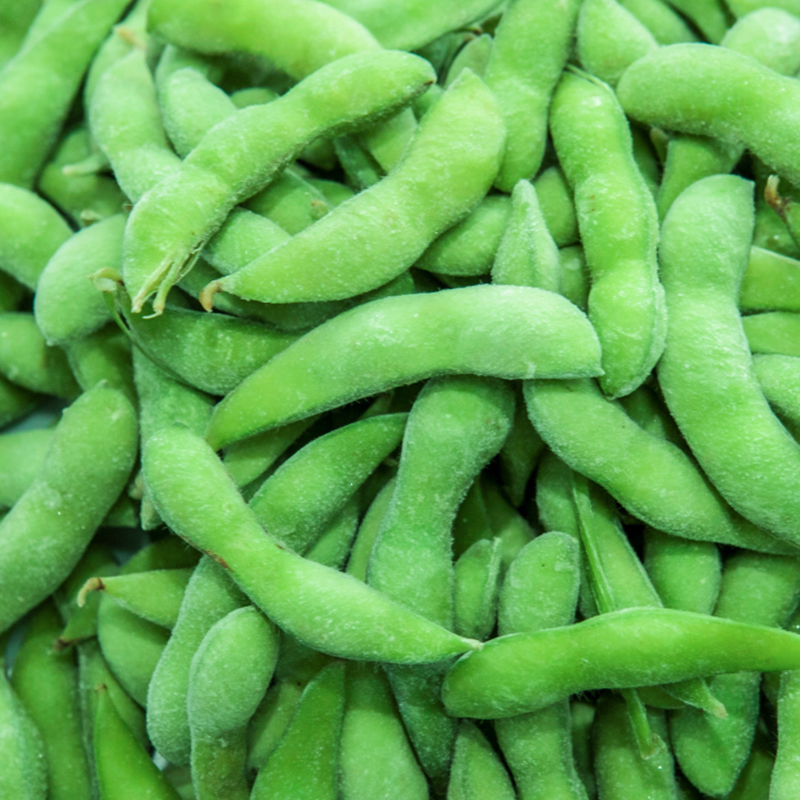
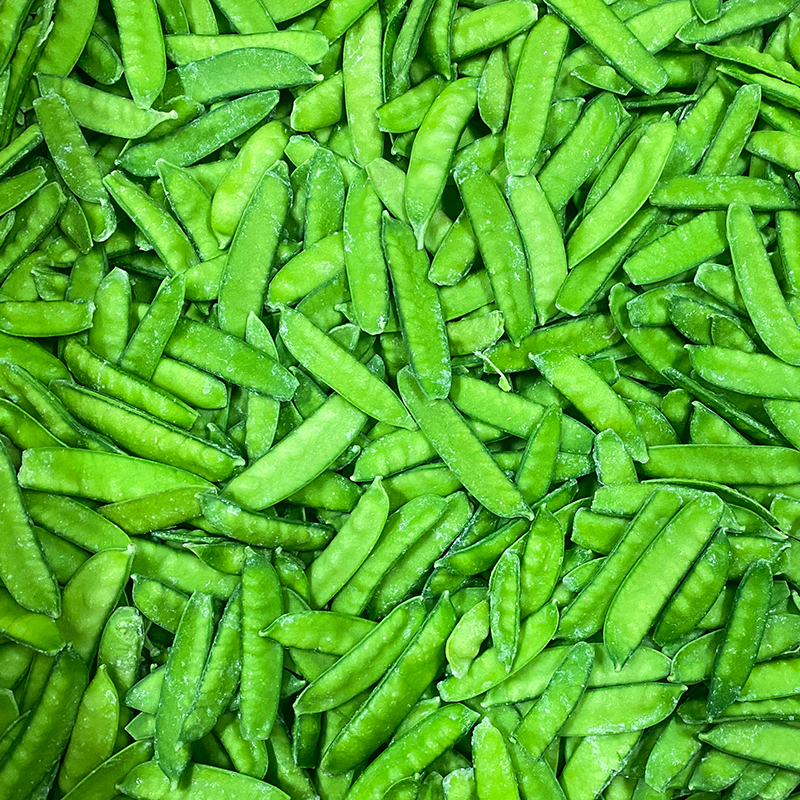
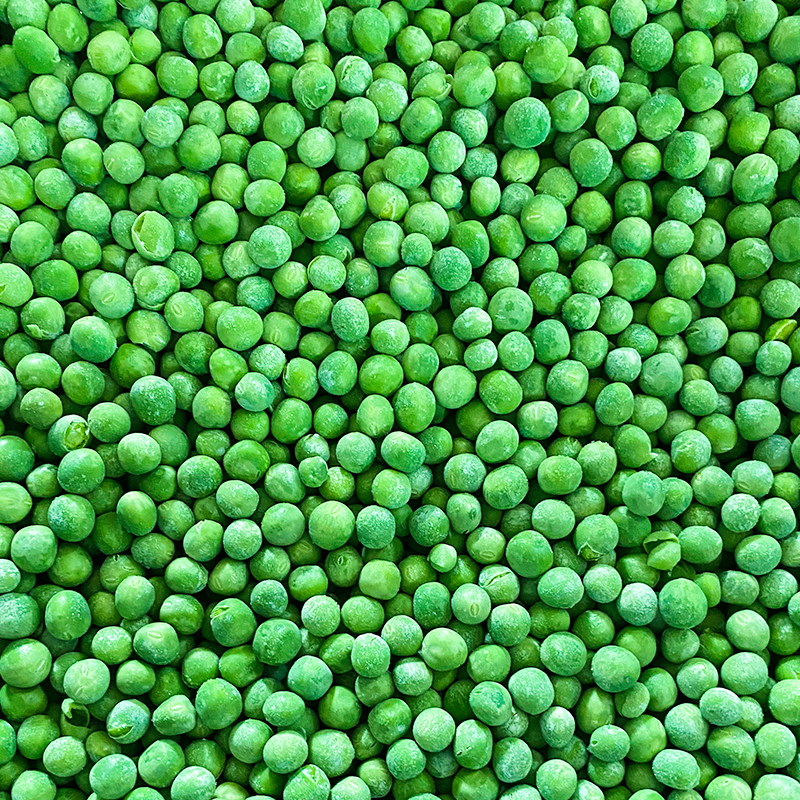
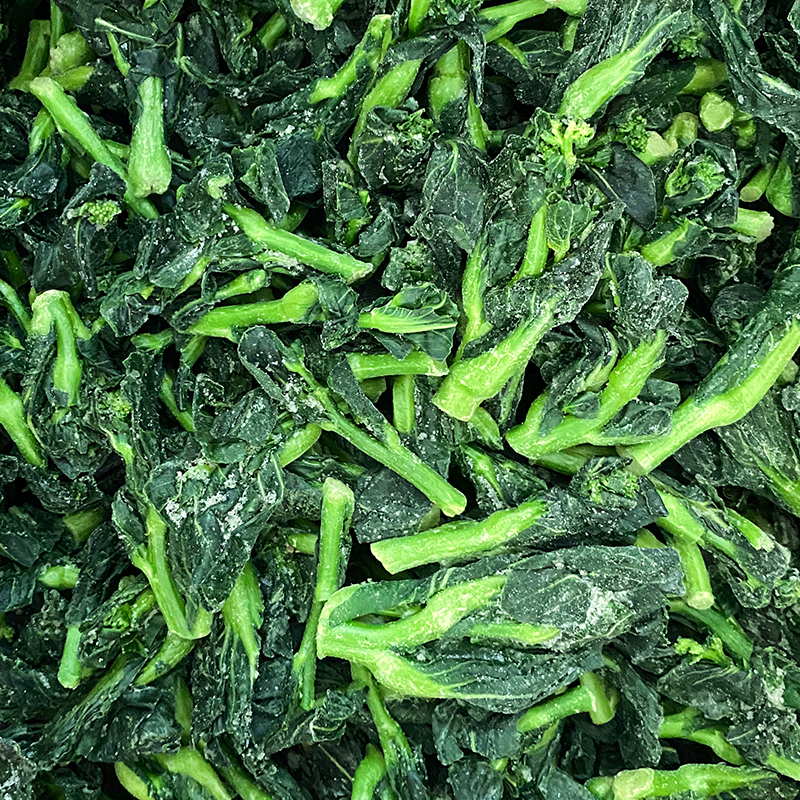
Frozen vegetables are a staple in many kitchens due to their convenience, long shelf life, and nutritional value. However, a frequent challenge is their tendency to become soggy during cooking, which can affect texture and flavor.
Content
Concept: Why Do Frozen Vegetables Become Soggy?
Frozen vegetables are typically blanched before freezing to preserve color, flavor, and nutrients. This process involves brief heating and rapid cooling, which deactivates enzymes that cause spoilage. However, during freezing, ice crystals form within the vegetable cells. When cooked improperly, these crystals melt, releasing excess water that leads to a soft, mushy texture. The key to avoiding sogginess lies in methods that minimize water absorption and promote rapid evaporation, such as using high heat or dry cooking techniques.
Types of Frozen Vegetables and Cooking Methods
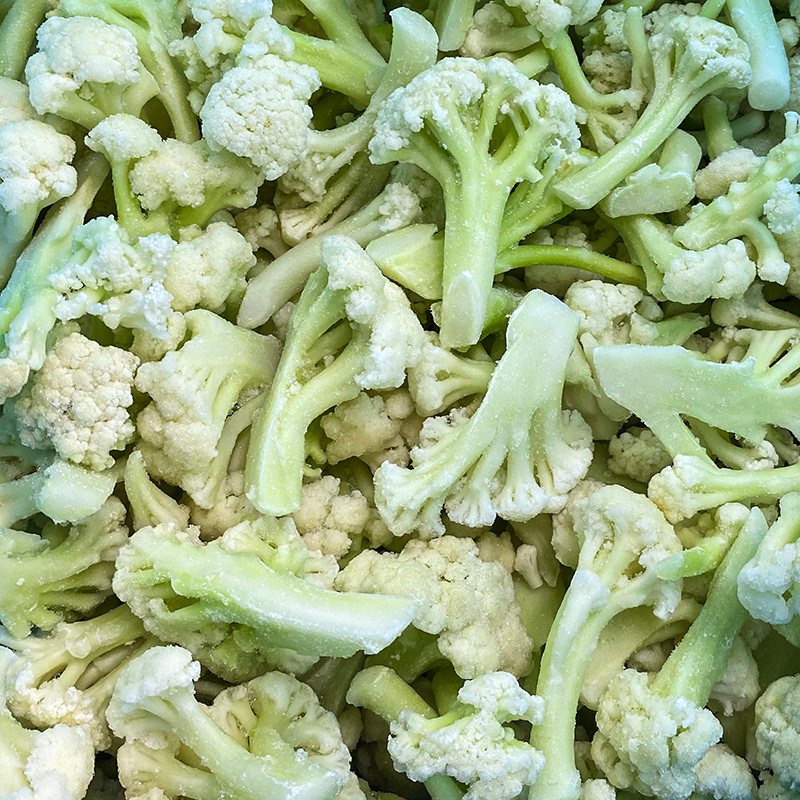
Frozen vegetables come in various forms, including leafy greens (e.g., spinach), cruciferous varieties (e.g., broccoli), and root vegetables (e.g., carrots). Each type may respond differently to cooking methods due to variations in water content and structure. Common cooking techniques include:
-
Steaming: Uses indirect heat and moisture, which can retain nutrients but requires careful timing to prevent waterlogging.
-
Sautéing or Stir-frying: Involves high heat in a pan with minimal oil, allowing quick evaporation of moisture.
-
Roasting: Utilizes dry, high heat in an oven to caramelize surfaces and reduce internal water content.
-
Microwaving: Employs electromagnetic waves to heat quickly, though it can create steam if not managed properly.
Application: Practical Steps for Soggy-Free Cooking
To cook frozen vegetables without sogginess, follow these general principles, adjusting based on the vegetable type:
-
Avoid Thawing: Cook frozen vegetables directly from frozen to prevent excess water release. Thawing can lead to cell breakdown and sogginess.
-
Use High Heat: Methods like sautéing or roasting at temperatures above 400°F (200°C) help evaporate moisture quickly.
-
Minimize Liquid: When steaming or boiling, use minimal water and cook for short durations (typically 3-5 minutes). For microwaving, cover with a vented lid to allow steam escape.
-
Spread Evenly: In roasting or sautéing, spread frozen vegetables in a single layer to ensure uniform heat distribution and prevent steaming.
-
Pat Dry if Needed: After cooking, lightly pat vegetables with a paper towel to remove any surface moisture.
For example, roasting frozen broccoli involves preheating an oven to 425°F (220°C), tossing the frozen florets with a small amount of oil, and baking for 15-20 minutes until edges are crisp. Similarly, stir-frying frozen peas requires a hot pan with oil, constant stirring for 5-7 minutes, and adding seasonings at the end.
Comparison of Cooking Methods
Different methods vary in effectiveness for preventing sogginess, nutrient retention, and time efficiency:
-
Steaming: Preserves water-soluble vitamins like vitamin C but may result in softer texture if overcooked. It is efficient for delicate vegetables like spinach.
-
Sautéing/Stir-frying: Offers quick cooking (5-10 minutes) with crisp-tender results, though it may require more attention to avoid burning. Nutrient loss is minimal due to short exposure to heat.
-
Roasting: Produces a caramelized, firm texture but takes longer (15-25 minutes). It retains most nutrients, though some heat-sensitive vitamins may degrade.
-
Microwaving: Fast (2-5 minutes) and convenient, but without proper venting, it can trap steam and lead to sogginess. Nutrient retention is generally high if cooked with minimal water.
Studies, such as those published in the Journal of Food Science, indicate that dry-heat methods like roasting and sautéing better maintain vegetable firmness by reducing water activity, while moist-heat methods require precise control to avoid texture degradation.
Frequently Asked Questions (FAQ)
Q: Should frozen vegetables be thawed before cooking?
A: No, thawing is not recommended as it can release excess water and contribute to sogginess. Cooking from frozen helps maintain texture.
Q: Which cooking method is most effective for retaining nutrients?
A: Steaming and microwaving are often cited for high nutrient retention due to shorter cooking times and minimal water contact. However, all methods can preserve nutrients if not overcooked.
Q: Can frozen vegetables be used in recipes that call for fresh ones?
A: Yes, but adjustments may be needed, such as reducing added liquid or increasing cooking time slightly, to account for moisture content.
Q: Why do some frozen vegetables become soggier than others?
A: Vegetables with higher water content, like zucchini or spinach, are more prone to sogginess. Choosing appropriate methods, such as sautéing for leafy greens, can mitigate this.
Q: Is it safe to cook frozen vegetables without blanching them first?
A: Frozen vegetables are typically pre-blanched during processing, making them safe to cook directly. Always follow package instructions for specific guidelines.
Cooking frozen vegetables without sogginess relies on techniques that manage moisture and heat effectively. Methods like roasting, sautéing, and controlled steaming can yield crisp, flavorful results while preserving nutritional quality. By understanding the properties of frozen vegetables and applying these evidence-based approaches, consumers can enhance their meals without compromising texture or taste. For best outcomes, refer to package instructions and experiment with different methods to suit individual preferences.