

 English
 中文简体
中文简体 日本語
日本語
Household food waste is a significant global issue, with studies indicating that approximately one-third of all food produced for human consumption is lost or wasted annually. This not only strains household budgets but also contributes to environmental challenges such as greenhouse gas emissions. One practical solution gaining attention is the use of frozen vegetables.
Content
Introduction to Frozen Vegetables and Food Waste Reduction
Frozen vegetables are vegetables that have been harvested, cleaned, blanched, and frozen rapidly to preserve their quality. The freezing process inhibits the growth of microorganisms and enzymatic activity, which are primary causes of spoilage in fresh produce. By extending the shelf life of vegetables, frozen options help households minimize waste that typically occurs from perishable items. According to the Food and Agriculture Organization of the United Nations, reducing food waste at the consumer level is crucial for sustainability, and frozen vegetables offer a reliable method to achieve this.
Types of Frozen Vegetables
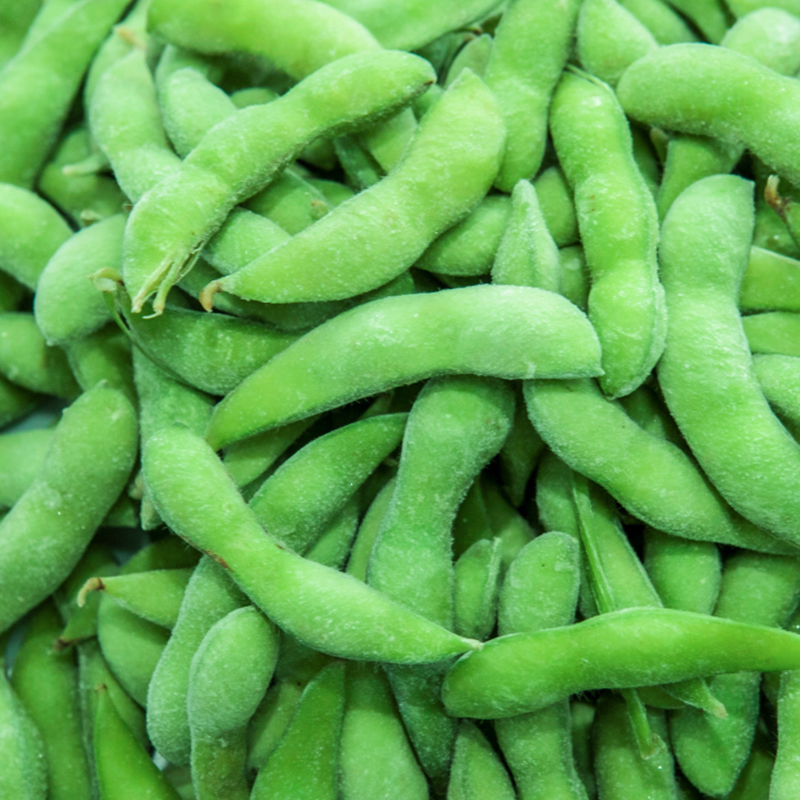
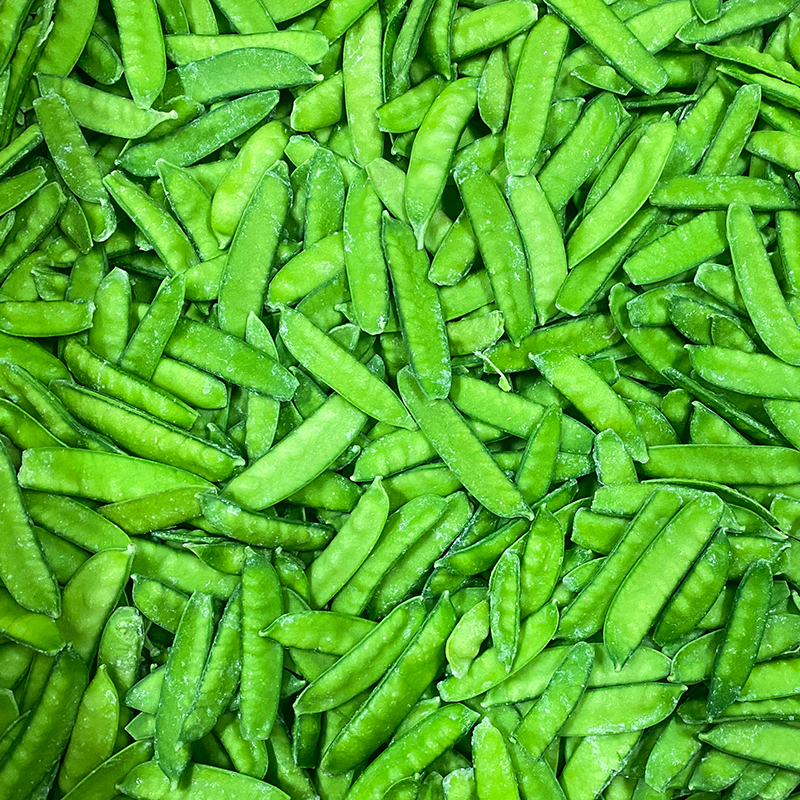
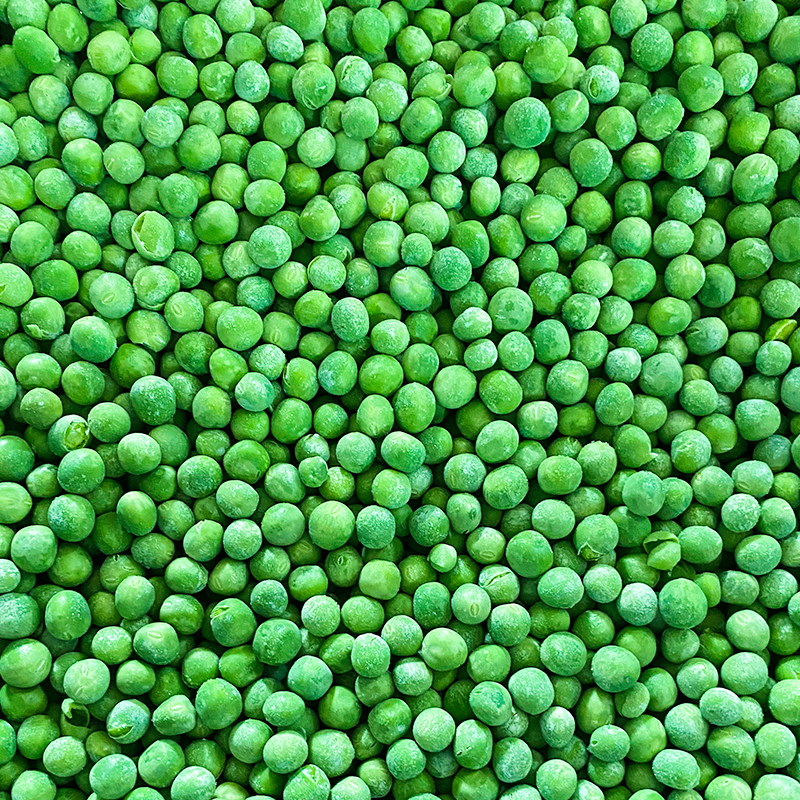
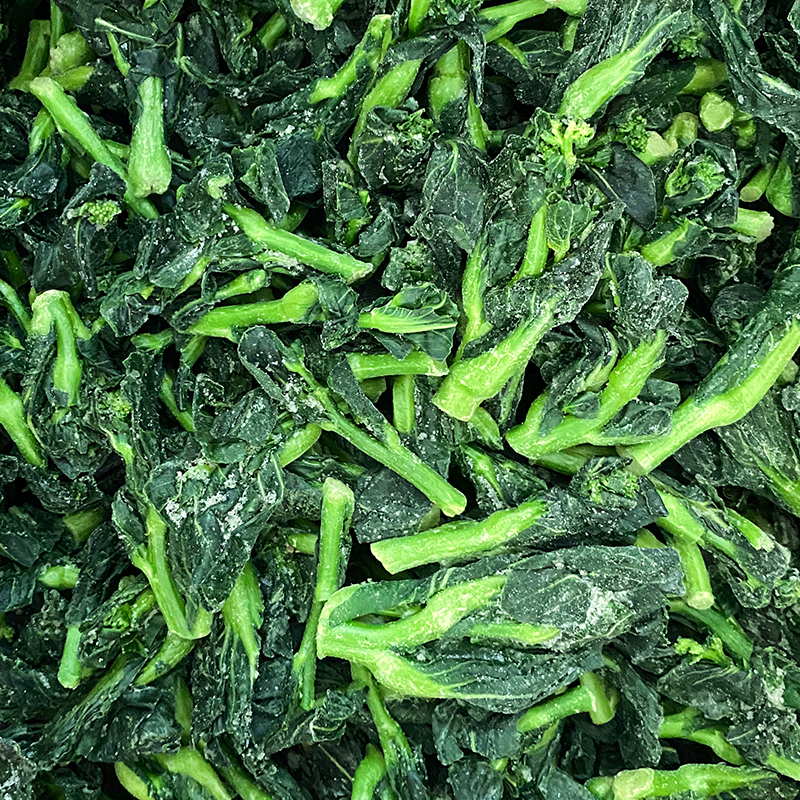
A wide variety of frozen vegetables are available, each with distinct characteristics that make them suitable for different culinary uses. Common types include:
-
Leafy greens: Such as spinach and kale, which are often frozen to retain nutrients and reduce bulk.
-
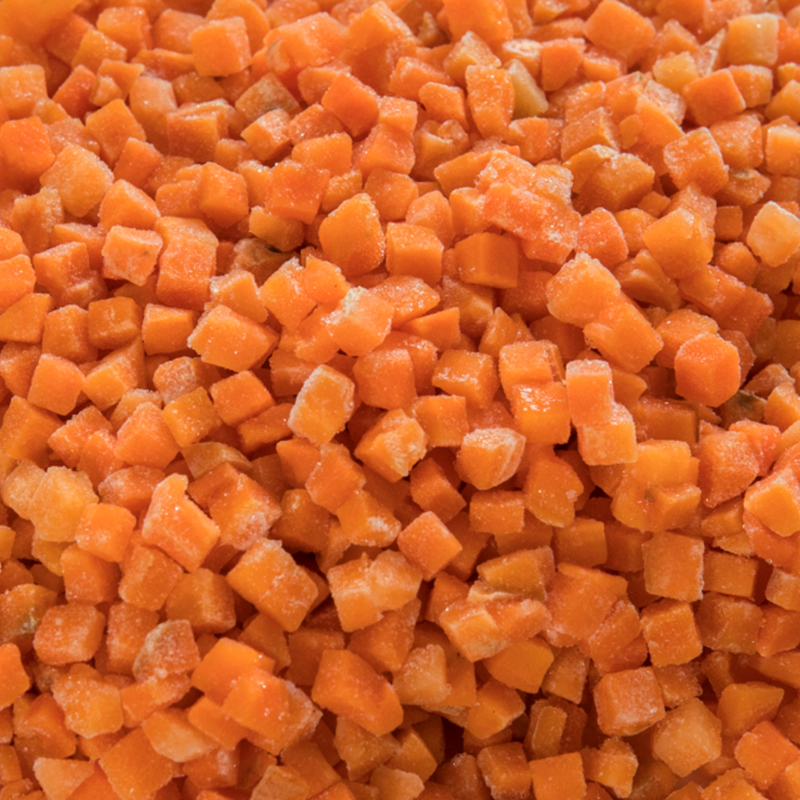
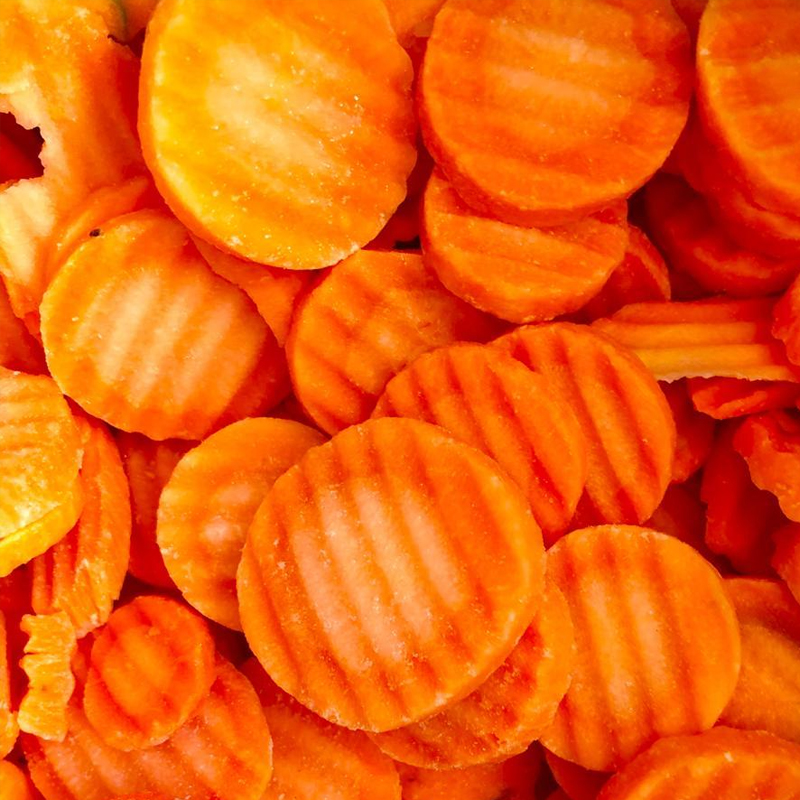
Root vegetables: Like carrots and peas, which maintain texture and flavor after freezing.
-
Mixed blends: Combinations such as corn, peas, and green beans, designed for convenience in meals like stir-fries and soups.
-
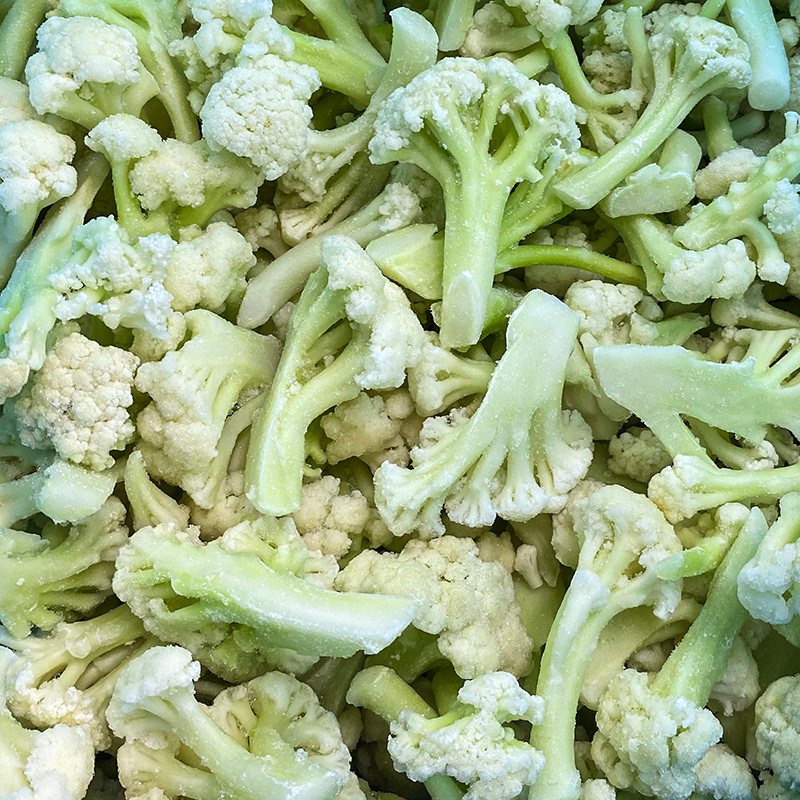
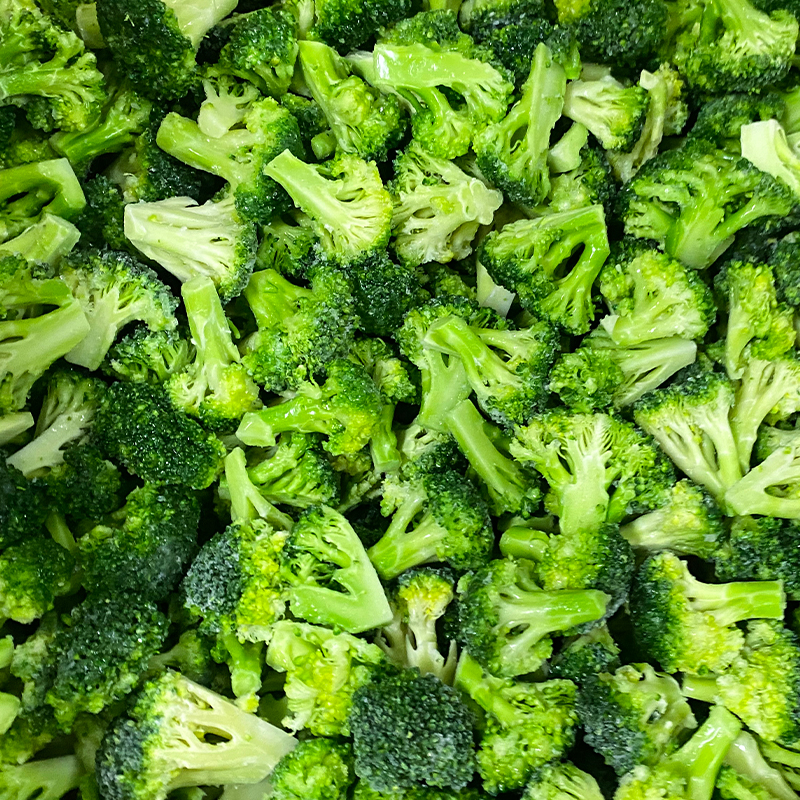
Cruciferous vegetables: Including broccoli and cauliflower, which are blanched before freezing to preserve color and nutrients.
These categories are processed using industrial freezing techniques that lock in freshness, allowing for long-term storage without significant quality loss. It is important to note that the nutritional content of frozen vegetables is generally comparable to their fresh counterparts when handled correctly.
Applications in Reducing Household Food Waste
The use of frozen vegetables can directly address food waste in several ways:
-
Extended shelf life: Frozen vegetables can be stored for months without spoilage, whereas fresh vegetables may last only a few days to weeks. This reduces the frequency of disposal due to rot or decay.
-
Portion control: Households can use only the amount needed from a frozen package, resealing the rest for later use. This minimizes leftovers that might otherwise be discarded.
-
Meal planning: Incorporating frozen vegetables into weekly menus allows for efficient inventory management. For example, adding frozen peas to a pasta dish or using frozen bell peppers in casseroles can prevent over-purchasing of fresh produce that may go unused.
-
Reduced preparation waste: Frozen vegetables are typically pre-washed and cut, reducing the scraps generated during preparation, such as peels or stems that are often thrown away with fresh vegetables.
Research from organizations like the Waste and Resources Action Programme (WRAP) highlights that proper utilization of frozen foods can lower household food waste by up to 20% in some cases, though results vary based on consumption habits.
Comparison with Fresh Vegetables
When evaluating frozen vegetables against fresh ones in the context of waste reduction, several factors are considered:
-
Shelf life: Fresh vegetables typically have a short shelf life, leading to higher waste rates if not consumed promptly. Frozen vegetables, stored at -18°C or below, can remain edible for 8-12 months, significantly cutting down on discard rates.
-
Nutritional retention: Studies, including those published in the Journal of Food Composition and Analysis, indicate that freezing can preserve vitamins and antioxidants effectively. For instance, vitamin C and folate levels in frozen vegetables are often maintained similar to fresh ones, especially if the fresh produce has been transported or stored for extended periods.
-
Environmental impact: While both types have carbon footprints, frozen vegetables may reduce waste-related emissions by minimizing landfill contributions. However, energy use in freezing and storage must be balanced against the benefits of waste reduction.
-
Cost and accessibility: Frozen vegetables are often more affordable and available year-round, reducing the likelihood of impulse buys that contribute to waste. In contrast, fresh vegetables may be seasonal and prone to price fluctuations, leading to over-purchasing and spoilage.
This comparison demonstrates that frozen vegetables provide a viable alternative for households aiming to manage waste efficiently, without compromising on nutrition or convenience.
Frequently Asked Questions (FAQs)
Q: Are frozen vegetables as nutritious as fresh vegetables?
A: Yes, numerous studies confirm that frozen vegetables retain similar levels of key nutrients compared to fresh ones. The freezing process occurs shortly after harvest, which helps preserve vitamins and minerals that might degrade in fresh produce during storage and transport.
Q: How should frozen vegetables be stored to maximize their waste-reducing benefits?
A: Frozen vegetables should be kept in a freezer at or below -18°C. It is essential to avoid repeated thawing and refreezing, as this can affect quality and safety. Proper packaging, such as airtight containers, prevents freezer burn and extends usability.
Q: Can frozen vegetables be used directly in cooking without thawing?
A: In many recipes, frozen vegetables can be added directly to dishes like soups, stews, or stir-fries. This convenience reduces preparation time and minimizes the risk of waste from unused portions.
Q: Do frozen vegetables contribute to food safety concerns?
A: When handled according to guidelines from food safety agencies, such as the U.S. Food and Drug Administration, frozen vegetables are safe to consume. Blanching before freezing reduces microbial loads, and proper storage prevents contamination.
Q: How do frozen vegetables impact overall household waste statistics?
A: By providing a longer shelf life and reducing spoilage, frozen vegetables can lower the volume of food discarded by households. Data from environmental agencies suggest that integrating frozen options into daily routines can contribute to national waste reduction targets.
Frozen vegetables offer a practical and evidence-based approach to reducing household food waste. Through extended shelf life, portion control, and nutritional reliability, they address key factors in waste generation. By understanding the types, applications, and comparisons outlined in this guide, households can make informed decisions to minimize their environmental footprint and economic losses. As global efforts to combat food waste intensify, the role of frozen vegetables remains a valuable component in sustainable consumption practices.