

 English
 中文简体
中文简体 日本語
日本語
Content
The Nutritional Journey: From Harvest to Your Plate
To understand the nutritional debate, one must first consider the timeline for fresh produce.
-
Harvesting and Transport: Vegetables begin to lose nutrients immediately after harvest. Vitamins like C and B, which are water-soluble and sensitive to heat and light, are particularly vulnerable. "Fresh" vegetables sold in supermarkets may have been harvested days or even weeks earlier. During transportation and storage, they are exposed to heat and light, leading to a gradual decline in nutrient content.
-
The Freezing Process: In contrast, vegetables intended for freezing are typically harvested at their peak ripeness, when their nutrient density is highest. The key to preserving this quality is the rapid freezing process, often called "flash-freezing."
-
Blanching: Before freezing, vegetables are often briefly exposed to hot water or steam (blanching) to deactivate enzymes that cause loss of color, flavor, and nutrients over time. While this step can lead to some loss of water-soluble vitamins, it is crucial for long-term stability.
-
Flash-Freezing: Immediately after blanching, the vegetables are rapidly frozen. This process locks in the remaining nutrients effectively, preventing further degradation.
-
Key Comparisons: Fresh vs. Frozen Vegetables
Numerous studies have compared the nutrient levels in fresh and frozen vegetables. The findings consistently show that the nutritional content is often comparable and, in some cases, higher in the frozen product.
-
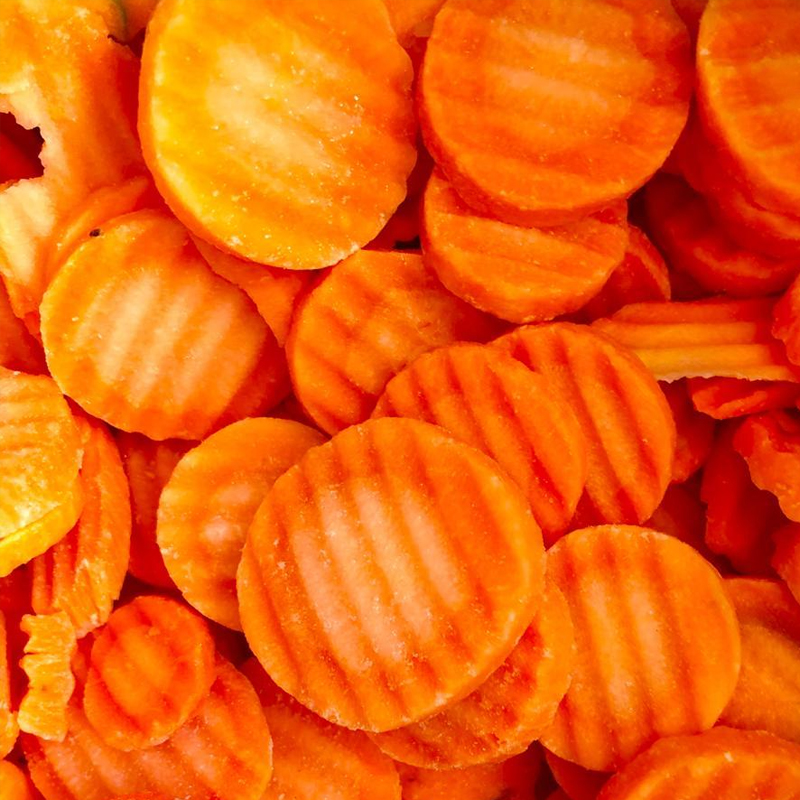
Vitamin Retention: Research published in the Journal of Food Composition and Analysis found that the vitamin content in frozen vegetables—such as broccoli, carrots, and green beans—was comparable to, and occasionally higher than, that of their fresh-stored counterparts. For instance, frozen broccoli was found to have more riboflavin (vitamin B2) than fresh broccoli. The fresh vegetables often lost nutrients during several days of refrigerated storage, a typical scenario for consumers.
-
Mineral and Fiber Content: The freezing process has little to no effect on the mineral content (e.g., magnesium, calcium, iron) or dietary fiber in vegetables. These components remain stable.
-
The "Fresh" Advantage Scenario: The primary scenario where fresh may have a clear nutritional edge is when vegetables are harvested from a local garden and consumed within a short time frame. In this case, the minimal time between harvest and consumption preserves a maximum level of nutrients.
Types and Applications: Choosing the Right Tool for the Job
Both fresh and frozen vegetables have ideal uses in the kitchen.
When to Choose Fresh:
-
For salads or any dish where a crisp, raw texture is desired.
-
When the vegetable is in season and locally sourced, likely ensuring a shorter time from farm to table.
-
For recipes where the presentation of a whole, unprocessed vegetable is key.
When to Choose Frozen:
-
For smoothies, soups, stews, casseroles, and stir-fries. The texture change from freezing is negligible in these cooked dishes.
-
For out-of-season vegetables. Frozen options provide a nutrient-rich alternative when fresh versions have traveled long distances.
-
To reduce food waste. Frozen vegetables can be stored for months, allowing you to use only what you need.
Frequently Asked Questions (FAQ)
Q: Do frozen vegetables contain added salt or preservatives?
A: Plain frozen vegetables typically contain no added salt, sugars, or preservatives. It is crucial to read the ingredient list on the package. Some flavored or sauced frozen vegetable products may contain additives, so selecting plain varieties is best for a whole-food option.
Q: Is the texture of frozen vegetables different after cooking?
A: Yes, the freezing process breaks down cell walls, which can result in a softer texture upon cooking. This is why they are less suitable for salads but excellent for applications where they are blended or cooked into dishes.
Q: Can you refreeze thawed vegetables?
A: It is not recommended for quality and safety reasons. Thawing allows ice crystals to melt, and refreezing can lead to further texture degradation and increase the risk of bacterial growth. It is best to cook thawed vegetables immediately.
Q: Are organic options available for frozen vegetables?
A: Yes, many brands offer organic frozen vegetables. The same selection criteria apply—check for certifications and review the ingredient list.
Conclusion
The idea that fresh vegetables are always more nutritious is a misconception. The nutritional quality of frozen vegetables is well-preserved through modern freezing technologies, making them a viable, convenient, and often equally nutritious—if not superior—choice compared to fresh produce that has endured long supply chains. The optimal approach for consumers is to consider the context: the type of vegetable, its seasonality, and its intended use. Incorporating a mix of both fresh and frozen vegetables based on these factors is a practical strategy for maintaining a healthy, nutrient-rich diet year-round.