

 English
 中文简体
中文简体 日本語
日本語
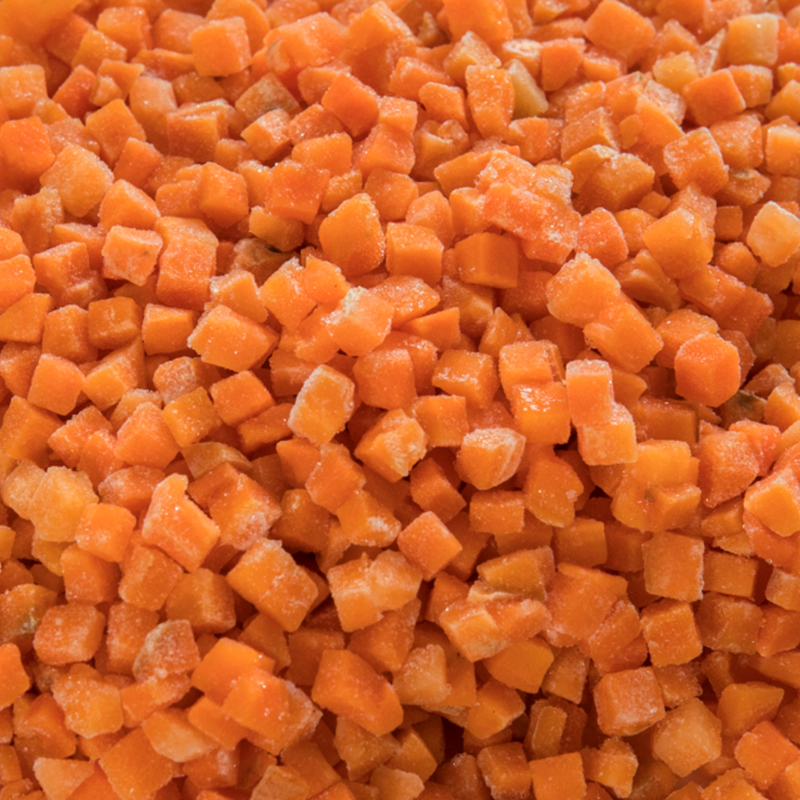
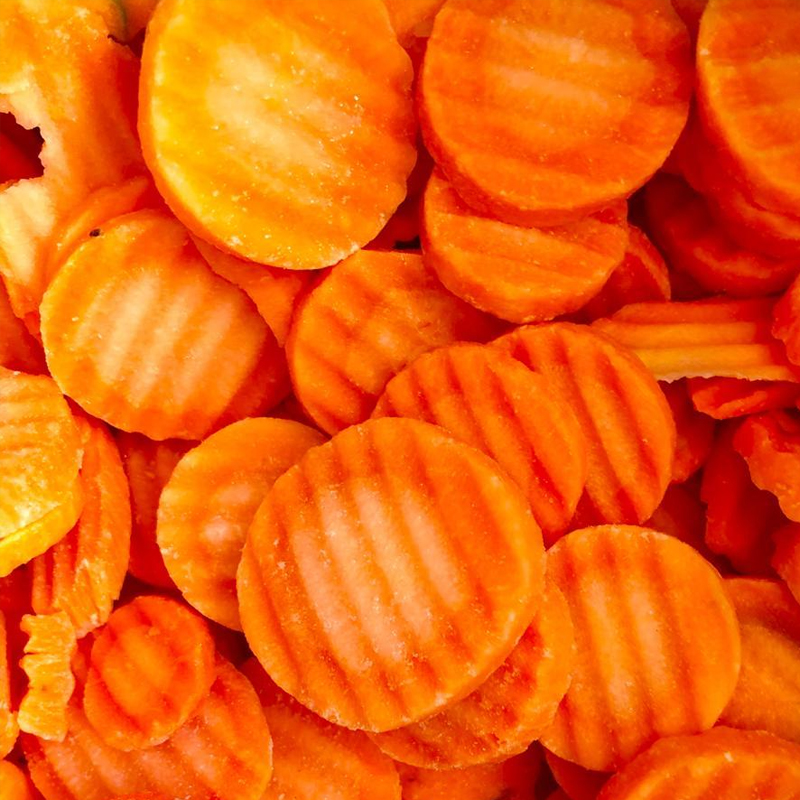
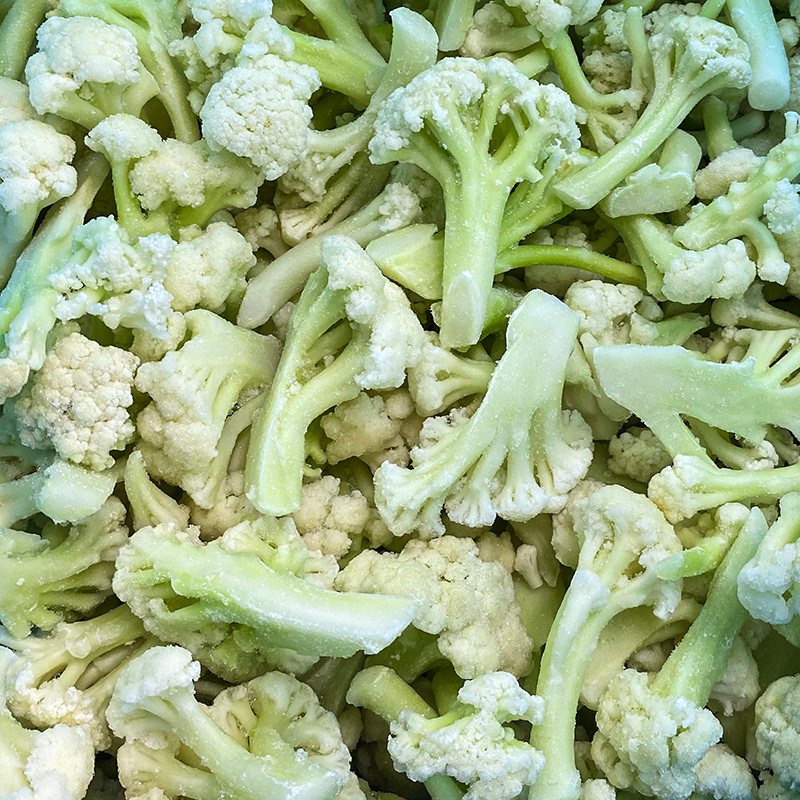
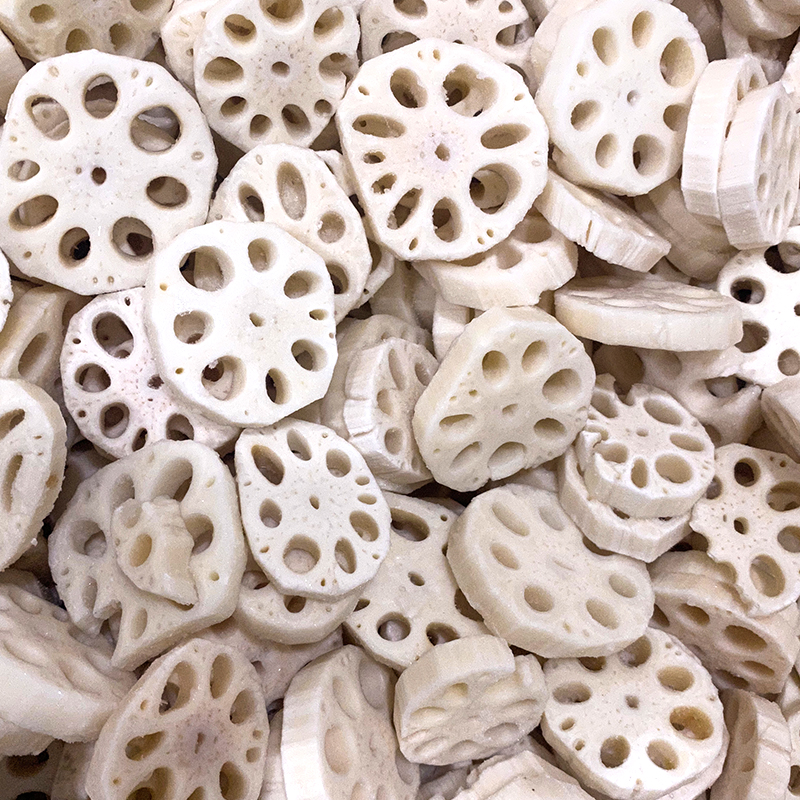
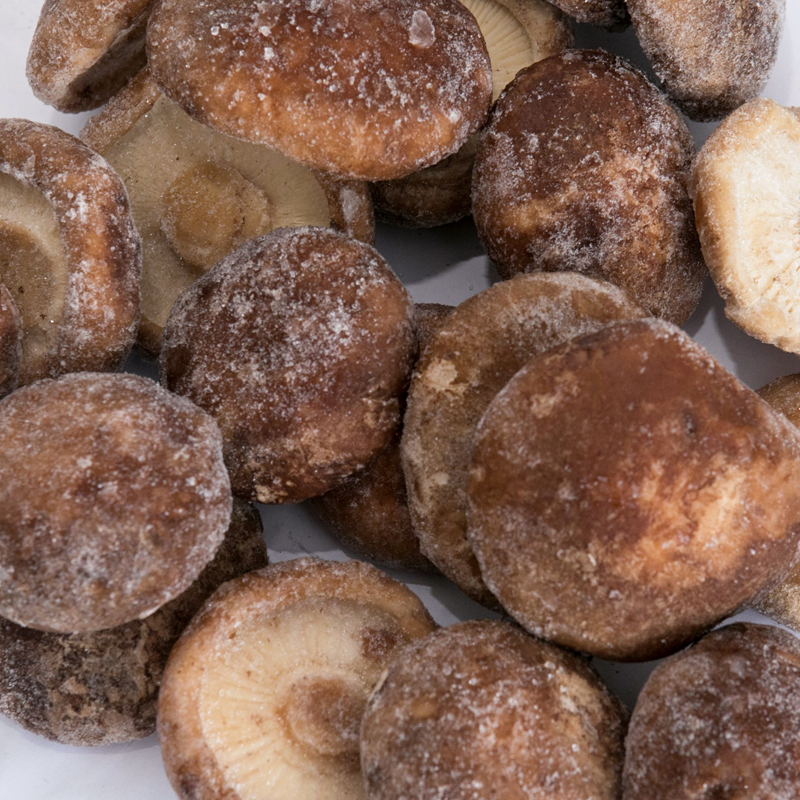
Frozen vegetables are vegetables that have been harvested, processed, and rapidly frozen to preserve their nutritional quality, flavor, and texture. This preservation method allows for year-round availability of various vegetables, irrespective of seasonal constraints. The process typically involves harvesting, blanching, freezing, and packaging under controlled conditions.
The Freezing Process
The journey of frozen vegetables begins at peak ripeness, when nutritional value and flavor are highest. Shortly after harvest, vegetables are often washed, sorted, and blanched. Blanching involves brief exposure to hot water or steam to deactivate natural enzymes that can cause loss of color, flavor, and nutrients during storage. After blanching, the vegetables are rapidly frozen using methods like individual quick freezing (IQF). This technique freezes each piece separately, preventing large ice crystals from forming and thus helping to maintain the structural integrity of the vegetable.
Common Types of Frozen Vegetables
A wide variety of vegetables are available in frozen form. Common categories include:
-
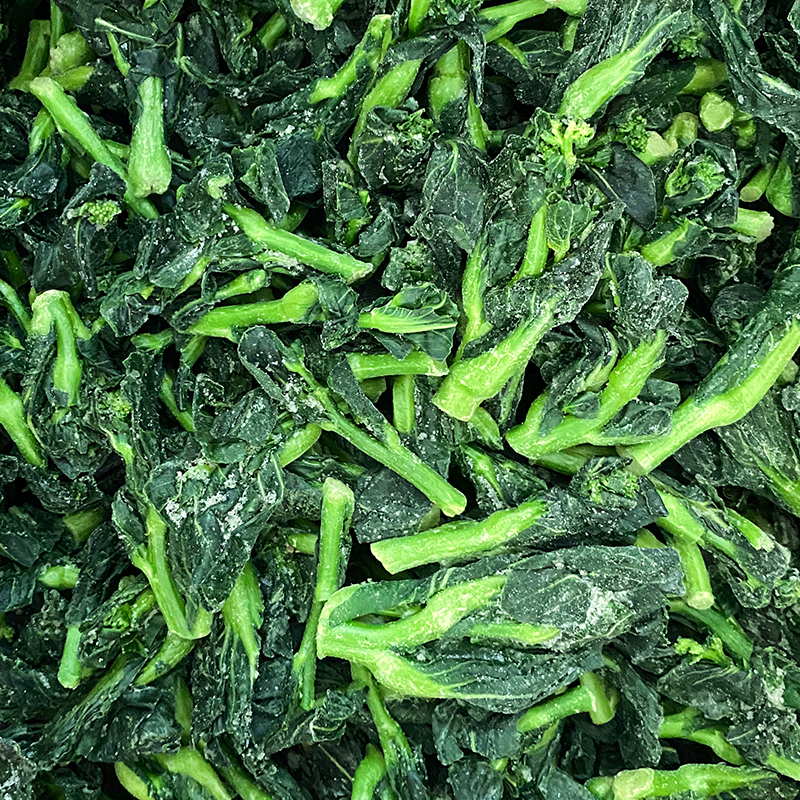
Leafy Greens: Spinach, kale, and collard greens.
-
Cruciferous Vegetables: Broccoli florets, cauliflower florets, and Brussels sprouts.
-
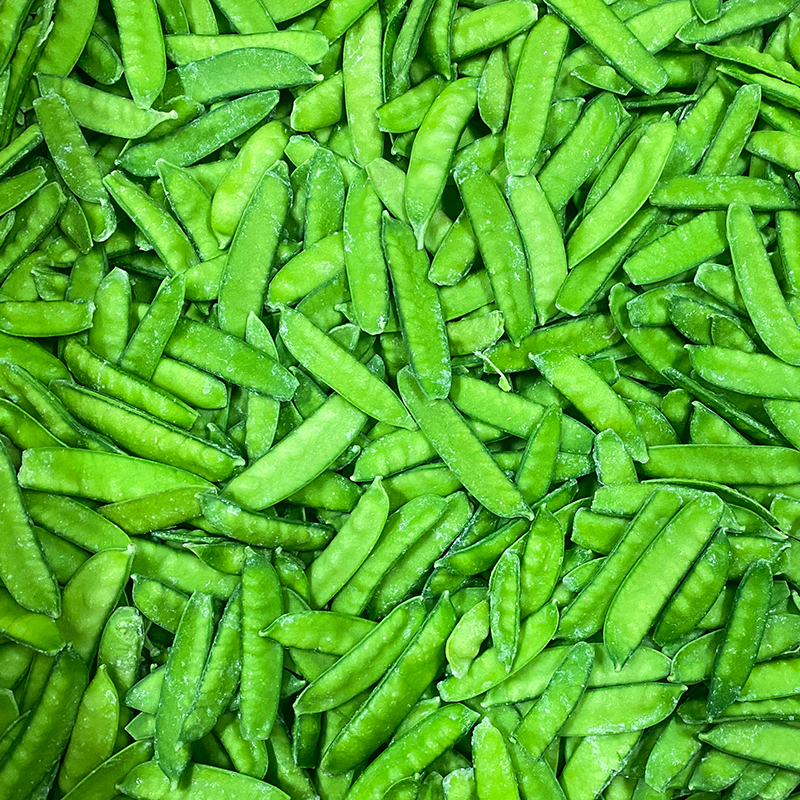
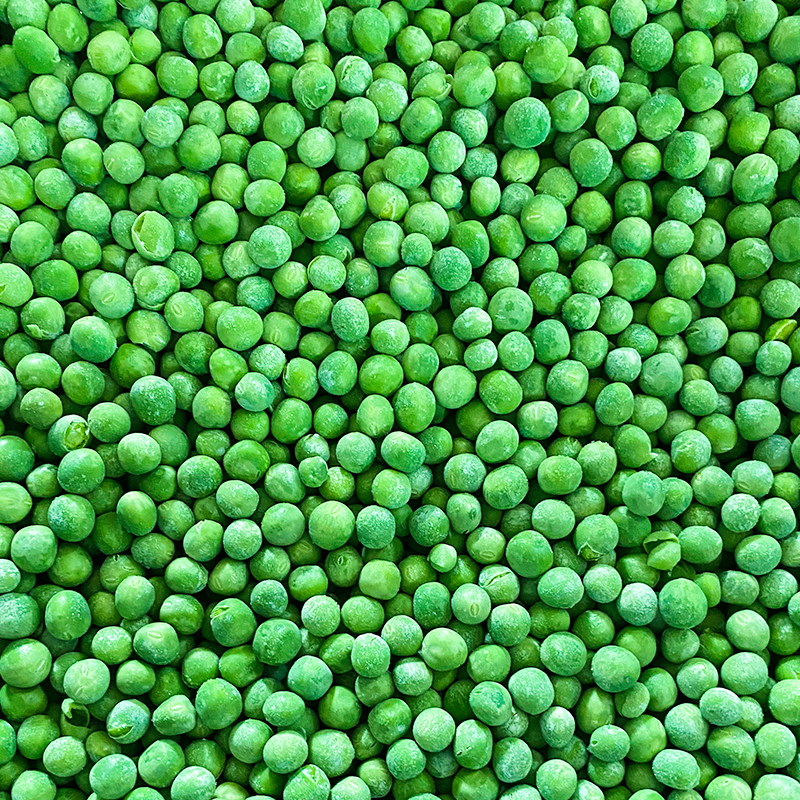
Root Vegetables: Peas, corn, carrots, and green beans are exceptionally common.
-
Mixes: Combinations like stir-fry mixes (containing bell peppers, broccoli, and water chestnuts), soup mixes, and mixed vegetables (often containing corn, peas, carrots, and green beans) are widely available.
-
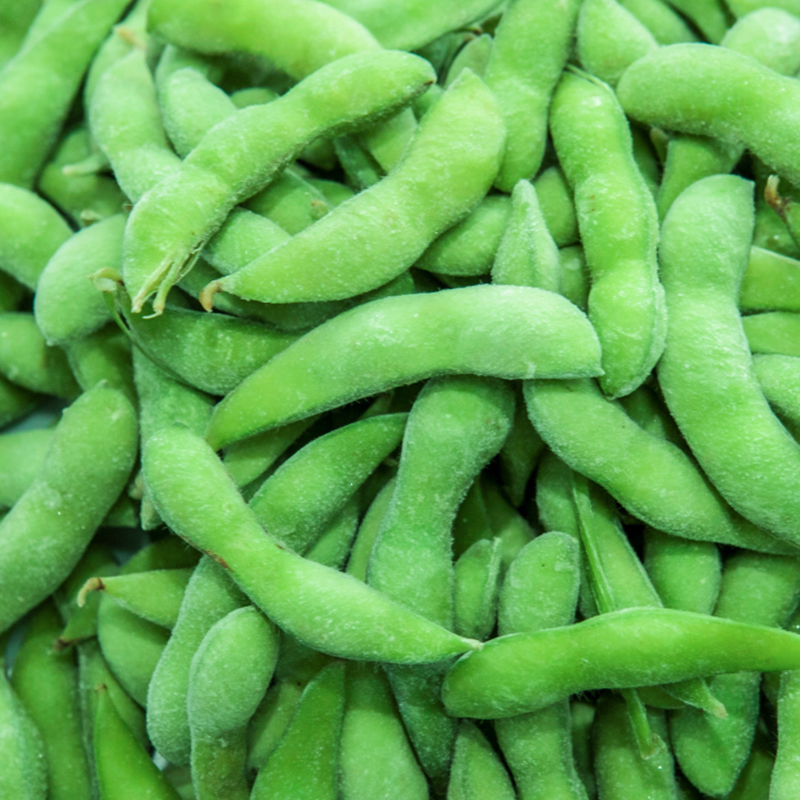
Edamame: Whole, immature soybeans, often sold in-pod or shelled.
Applications and Uses
Frozen vegetables are versatile ingredients used in both domestic and commercial settings.
-
Home Cooking: They are used as side dishes, added directly to soups, stews, and curries, blended into smoothies, or used as a pizza topping. They can be steamed, boiled, sautéed, roasted, or microwaved directly from frozen.
-
Food Service Industry: Restaurants, cafeterias, and catering services rely on frozen vegetables for their consistency, availability, and reduced preparation time. They are integral to many prepared dishes.
-
Food Manufacturing: Frozen vegetables serve as ingredients for a vast range of products, including ready meals, pot pies, baby food, and plant-based meat alternatives.
Frozen vs. Fresh and Canned: A Objective Comparison
A common inquiry involves the comparison between frozen, fresh, and canned vegetables.
-
Nutritional Value: Studies, such as those published by the Journal of Food Composition and Analysis, indicate that the nutritional content of frozen vegetables is often comparable to, and sometimes higher than, that of fresh vegetables. Fresh vegetables can lose vitamins and minerals during transportation and storage. Freezing effectively locks in nutrients shortly after harvest. Canned vegetables, however, may lose some water-soluble vitamins during the canning process and often contain added sodium.
-
Convenience and Waste Reduction: Frozen vegetables are pre-washed, cut, and prepared, reducing food preparation time. They also have a significantly longer shelf life than fresh produce, which helps reduce household food waste.
-
Taste and Texture: While blanching and freezing preserve most qualities, some vegetables may have a softer texture after thawing compared to fresh ones. This makes them suitable for cooked applications but less ideal for raw consumption, such as in salads. Canned vegetables typically have the softest texture due to the high-heat canning process.
Frequently Asked Questions (FAQ)
Q: Do I need to thaw frozen vegetables before cooking?
A: Generally, no. Most frozen vegetables can be cooked directly from a frozen state. Thinning can make them mushy. Always refer to the package instructions for specific guidance.
Q: Are frozen vegetables less nutritious than fresh vegetables?
A: Not necessarily. As they are frozen at peak freshness, their nutrient content is well-preserved. In some cases, they may retain certain nutrients better than fresh vegetables that have been stored for days or weeks.
Q: Why are some frozen vegetables mushy after cooking?
A: Mushiness is often the result of overcooking. Since frozen vegetables are already blanched, they require less cooking time than fresh ones. Cooking them for the minimal time necessary is recommended to preserve texture.
Q: How long can I keep frozen vegetables in the freezer?
A: For best quality, it is advisable to consume them within 8-12 months. While they remain safe to eat indefinitely if kept consistently frozen, their quality—flavor, texture, and color—may gradually deteriorate over longer periods.
Frozen vegetables are a practical, nutritious, and versatile food product. The modern freezing technology effectively preserves the essential qualities of vegetables, making them a reliable alternative to fresh produce. Their long shelf life, convenience, and consistent quality support their use in diverse culinary applications, contributing to a balanced diet throughout the year.