

 English
 中文简体
中文简体 日本語
日本語
Content
- How Did Frozen Vegetables Come Into Being?
- Is the Production Process of Frozen Vegetables Strict Enough?
- Is the Nutritional Value of Frozen Vegetables Really Inferior to That of Fresh Vegetables?
- In What Aspects Is the Convenience of Frozen Vegetables Reflected?
- Why Can the Frozen Vegetable Market Continue to Grow?
- What Impact Does Technological Innovation Have on the Frozen Vegetable Industry?
- What Advantages Do Frozen Vegetables Have Compared with Other Processed Vegetable Products?
- What Should Be Paid Attention to When Purchasing Frozen Vegetables?
- What Are the Benefits of Regularly Eating Frozen Vegetables?
- Tips for Buying and Storing Frozen Vegetables
- Key Points for Buying Frozen Vegetables
- Methods for Storing Frozen Vegetables
How Did Frozen Vegetables Come Into Being?
The emergence of frozen vegetables is no accident but an inevitable result of the development of food processing technology. Looking back at history, as early as the early 19th century, people began to try to store food using natural low temperatures. For example, in cold regions, vegetables were buried in ice and snow to extend their storage time. However, this method was greatly restricted by region and season and could not be applied on a large scale. In the 1920s, the breakthrough of mechanical refrigeration technology laid the foundation for the frozen food industry. Scientists discovered that quick freezing could minimize damage to food cells.
In the 1930s, the first commercial frozen vegetable products came out, initially mainly including frost-resistant varieties such as peas and spinach. At that time, the freezing equipment was bulky with low freezing efficiency, and the vegetables often became soft and watery after thawing. With the surge in demand for convenient food during World War II, the production technology of frozen vegetables accelerated iteration. Spiral freezing tunnels, liquid nitrogen spray freezing and other equipment emerged one after another. The freezing time was shortened from the initial several hours to several minutes, and the effect of retaining the taste and nutrition of vegetables was significantly improved.
In the 1970s, the popularization of household refrigerators brought frozen vegetables into ordinary people's homes. The expansion of market demand promoted the diversification of varieties, ranging from single block vegetables to mixed vegetables and pre-cut vegetables. Entering the 21st century, the improvement of the cold chain logistics system further opened up the production and sales chain of frozen vegetables. The whole-process low-temperature control system from picking to terminal sales gradually matured, ensuring more stable quality of frozen vegetables.
Is the Production Process of Frozen Vegetables Strict Enough?
The answer is yes. The production of frozen vegetables has an extremely strict process, with clear operating specifications and quality standards for each link. In the vegetable selection link, a combination of manual and intelligent sorting is adopted. Intelligent sorting equipment can quickly identify the size, color and damage degree of vegetables through high-definition cameras and spectral analysis technology, and eliminate unqualified products. Manual workers are responsible for re-inspecting the products screened by the equipment to ensure that the pass rate of vegetables entering the next process reaches more than 99%.
The cleaning process is divided into three stages: first, high-pressure spray is used to remove surface sediment, with the water pressure controlled at 0.3-0.5MPa, which can effectively clean without damaging the vegetables; then, they enter the ozone water immersion pool, where the strong oxidizing property of ozone is used to kill surface microorganisms, with the ozone concentration strictly controlled at 0.5-1.0mg/L and the immersion time 3-5 minutes; finally, sterile water is used for rinsing to remove residual ozone and impurities.
Blanching treatment adopts a precise temperature-time control system, with exclusive parameters for different vegetables: broccoli is blanched in hot water at 90-95℃ for 60-90 seconds; carrot cubes are treated at 85-90℃ for 120-150 seconds; spinach is blanched with steam at about 100℃ for 40-60 seconds. After blanching, the vegetables are immediately put into a cold water pool at 0-5℃ or quickly cooled by cold air, and the central temperature is reduced to below 10℃ within 10 minutes to prevent over-ripening caused by residual heat.
The packaging link is carried out in a sterile workshop. The packaging materials need to undergo low-temperature resistance tests and tightness detection. The oxygen transmission rate of the packaging bag is controlled at ≤50cm³/(m²·24h·0.1MPa) to prevent oxidation and deterioration. The freezing link uses a tunnel freezer with a wind speed of 8-12m/s and a temperature of -35℃ to -40℃ to ensure that the central temperature of vegetables drops to below -18℃ within 1 hour. After freezing, metal detection and weight sampling inspection are also carried out, and the products can be put into storage only after passing the inspection.
Is the Nutritional Value of Frozen Vegetables Really Inferior to That of Fresh Vegetables?
This is a common misunderstanding. In fact, frozen vegetables are not inferior to fresh vegetables in nutritional value in many cases, and even have more advantages in some aspects. Fresh vegetables usually need to go through 2-7 days of transportation and storage before being put on supermarket shelves. During this period, respiration will consume a lot of nutrients. Studies have shown that the vitamin C content of fresh spinach will drop by more than 30% on the 3rd day after picking, and more than 50% on the 7th day; while frozen spinach is frozen within 2 hours after picking, with a vitamin C retention rate of up to 92%, and still remains above 85% after 3 months of storage.
In terms of retaining antioxidants, frozen vegetables also perform well. Sulforaphane in broccoli has anti-cancer effects. The sulforaphane content of fresh broccoli stored at room temperature for 3 days decreases by 40%, while that of frozen broccoli only decreases by 10% during the same storage period. β-carotene in carrots is a fat-soluble vitamin. Freezing treatment will not destroy its structure, but rather make it easier for the human body to absorb due to cell rupture, with a bioavailability about 15% higher than that of fresh carrots.
In terms of minerals, macroelements such as potassium, calcium and magnesium are almost not lost during freezing. The calcium content of frozen spinach is 130mg/100g, which is basically the same as that of fresh spinach (126mg/100g); the potassium content of frozen peas is 290mg/100g, even higher than that of fresh peas (240mg/100g). This is because fresh peas will have their mineral concentration diluted due to water loss during storage.
As an indigestible polysaccharide, dietary fiber has a stable structure during freezing. The dietary fiber content of frozen celery is 2.2g/100g, which is not significantly different from that of fresh celery (2.1g/100g), and freezing treatment will not affect its function of promoting intestinal peristalsis.
In What Aspects Is the Convenience of Frozen Vegetables Reflected?
The convenience of frozen vegetables is an important reason for their popularity, and this convenience runs through the whole process of purchasing, storage and cooking. In the purchasing link, frozen vegetables do not need to consider seasonal factors. Various vegetables can be bought throughout the year, solving the problem of "surplus in peak season and shortage in off-season" of fresh vegetables. Consumers can meet their eating needs for 1-2 weeks with one purchase, reducing the frequency of shopping.
In terms of storage, frozen vegetables can be stored for 6-12 months at -18℃ without special preservation measures, unlike fresh vegetables which need to be placed in the refrigerator's crisper and are prone to wilting and rotting. For small households, frozen vegetables save refrigerator space. The volume of 1kg frozen vegetables is only about 1/3 of that of the same weight of fresh vegetables, making them easier to store.
In the pre-cooking preparation link, the advantages of frozen vegetables are particularly obvious. Fresh vegetables need to go through cleaning, peeling, cutting and other steps. For example, it takes at least 15 minutes to process ingredients such as carrots, green peppers and onions to make a stir-fried mixed vegetable dish, while frozen mixed vegetables only need to be taken out of the refrigerator, rinsed with water to remove surface frost, and then directly put into the pot, with the whole process taking no more than 2 minutes. For potatoes, yams and other vegetables that are difficult to shred, frozen pre-cut products can avoid oxidation and blackening and maintain a beautiful color.
The cooking time is also significantly shortened. Due to blanching pretreatment, the cooking time of frozen vegetables is 30%-50% shorter than that of fresh vegetables. Frozen broccoli can be fully cooked by blanching for 2 minutes, while fresh broccoli needs 5-6 minutes; frozen peas can be flavored by stir-frying for 1 minute, while fresh peas need 3 minutes. This efficiency is especially suitable for making fast-paced breakfasts. For example, adding frozen vegetables to fried rice with eggs or noodles can quickly improve the nutritional balance of the meal.
Why Can the Frozen Vegetable Market Continue to Grow?
In recent years, the continuous growth of the frozen vegetable market is no accident but the result of the combined effect of multiple factors. From the demand side, the acceleration of urbanization has increased the proportion of dual-income families. Such families spend an average of less than 5 hours per week on cooking and have a strong demand for convenient food that can save time. With the feature of "ready to take and cook", frozen vegetables have become a kitchen staple. Relevant data show that the consumption of frozen vegetables in such families is 60% higher than that in traditional families.
The deepening trend of healthy eating has also promoted market expansion. Modern consumers are paying more and more attention to the nutritional composition and health attributes of food. After the feature of frozen vegetables "retaining freshness and nutrition" is widely recognized, their share in the healthy food market continues to expand. The sales of frozen vegetable products featuring "low sodium" and "no additives" have an annual growth rate of more than 25%. Although organic frozen vegetables are 30%-50% more expensive than ordinary products, their market penetration rate has increased from 5% in 2015 to 18% in 2023 due to meeting consumers' high requirements for food safety.
Technological progress on the supply side has supported market growth. Freezing technology has upgraded from traditional air freezing to liquid nitrogen freezing, reducing the vegetable cell damage rate from 20% to below 5%, and the taste after thawing is closer to that of fresh vegetables. Innovations in packaging technology have also improved product competitiveness. Vacuum compression packaging reduces the product volume by 40%, facilitating storage; transparent cooking bags allow vegetables to be heated directly in the bag, further simplifying the cooking process.
Channel expansion has also contributed. In addition to traditional supermarket freezers, small freezers in convenience stores and cold chain distribution services on e-commerce platforms have made the purchase of frozen vegetables more convenient. The rise of community group buying has enabled "next-day delivery" of frozen vegetables, lowering the purchase threshold for consumers. In 2023, the proportion of frozen vegetables sold through community group buying channels reached 22%, an increase of 15 percentage points compared with 2019. In addition, large-scale procurement in the catering industry is also an important force driving market growth. Chain fast-food enterprises can ensure uniform taste of dishes and reduce food loss rate by using frozen vegetables. The annual procurement volume of frozen vegetables by large catering groups increases by 12% annually.
What Impact Does Technological Innovation Have on the Frozen Vegetable Industry?
Technological innovation has brought tremendous changes to the frozen vegetable industry, reshaping the industry ecology in all aspects from improving production efficiency to optimizing product quality. In terms of freezing technology, the popularization of Individual Quick Freezing (IQF) technology has completely changed the disadvantages of traditional freezing. This technology uses high-speed airflow at -30℃ to quickly freeze vegetables in a suspended state, forming a uniform ice crystal layer on the surface of each vegetable, avoiding the adhesion problem of traditional freezing. The frozen green beans using IQF technology have a particle integrity rate of 95% after thawing, while the traditional frozen products are only 70%, and the taste is crisper and tenderer.
Ultra-high pressure freezing technology has been a research hotspot in recent years. Freezing in a high-pressure environment of 300-600MPa can inhibit the growth of ice crystals, controlling the ice crystal diameter below 10μm, which is much smaller than 50-100μm of traditional freezing, greatly reducing damage to vegetable cells. The frozen strawberries using this technology have a juice loss rate of 8% after thawing, down from 25% of traditional ones, with a taste close to that of fresh strawberries.
The intellectualization of detection technology has improved the quality control level. Near-infrared spectroscopy detection equipment can complete the detection of a single sample in 10 seconds, and simultaneously analyze the contents of more than 20 components such as vitamin C, chlorophyll and sugar, with a detection accuracy of 98%, replacing the traditional laboratory detection method that takes 24 hours. X-ray foreign body detectors can identify metals, glass and other impurities larger than 0.2mm, ensuring product safety. The application of such equipment has reduced the product unqualified rate by 60%.
Innovations in pretreatment technology have expanded product categories. Pulsed electric field technology is used for vegetable sterilization, which destroys microbial cell membranes through high-voltage electric fields without heating, with a sterilization rate of 99.9%. It can be used to make frozen lettuce without blanching, retaining more water-soluble vitamins. The application of ultrasonic cleaning technology has increased the removal rate of pesticide residues on vegetable surfaces from 60% of traditional cleaning to 90%, and reduced water consumption by 50%.
The popularization of intelligent production lines has improved production efficiency. The sorting speed of automatic sorting robots reaches 1000 pieces per minute, 5 times that of manual sorting; AGV unmanned trucks realize automatic transfer of workshop materials, reducing labor costs by 30%. The application of digital twin technology can simulate the production process through virtual models, find potential problems in advance, and reduce production failure rates by 40%.
What Advantages Do Frozen Vegetables Have Compared with Other Processed Vegetable Products?
Compared with dehydrated vegetables, frozen vegetables have more advantages in taste and nutrition retention. Dehydrated vegetables remove water through hot air drying and other methods. Although they have a long shelf life, during the drying process, the loss of water-soluble vitamins such as vitamin C and B vitamins in vegetables can reach more than 50%, and the texture becomes dry and hard, with poor taste after rehydration. Frozen vegetables, on the other hand, can retain the moisture and fresh taste of vegetables to the greatest extent, with a high vitamin retention rate, and taste closer to that of fresh vegetables after cooking.
Compared with canned vegetables, frozen vegetables contain fewer additives. Canned vegetables usually add more salt, sugar or preservatives to extend their shelf life. For example, a can of canned green beans can have a sodium content of up to 300mg/100g, while the sodium content of frozen green beans of the same weight is only about 10mg/100g. For people who need to control sodium intake, such as hypertensive patients, frozen vegetables are a healthier choice. In addition, some nutrients in canned vegetables will be destroyed during high-temperature sterilization, while the low-temperature treatment of frozen vegetables has less impact on nutrition.
Compared with pickled vegetables, frozen vegetables have more prominent health attributes. Pickled vegetables will produce nitrite during production, and long-term excessive consumption may be harmful to health. Moreover, the pickling process will lead to a large loss of vitamins in vegetables and high salt content. Frozen vegetables do not have these problems. They are free from the trouble of nitrite and can better retain the original nutrients of vegetables, which is more in line with the concept of healthy diet.
What Should Be Paid Attention to When Purchasing Frozen Vegetables?
Paying attention to whether the packaging is intact is the primary consideration. The packaging of high-quality frozen vegetables should be tightly sealed without damage or air leakage, and there should be no a large amount of frost in the packaging bag. If the packaging is damaged or there is a lot of frost, it may mean that the vegetables have been thawed and refrozen during storage, which will cause the vegetable cells to rupture, resulting in poor taste, nutrient loss, and possible bacterial growth, affecting food safety.
Checking the production date and shelf life is also very important. Although frozen vegetables have a long shelf life, fresher products have better quality assurance. Try to choose products with a recent production date and avoid buying frozen vegetables that are close to the expiration date. At the same time, pay attention to whether the shelf life is clearly marked to ensure consumption within the shelf life.
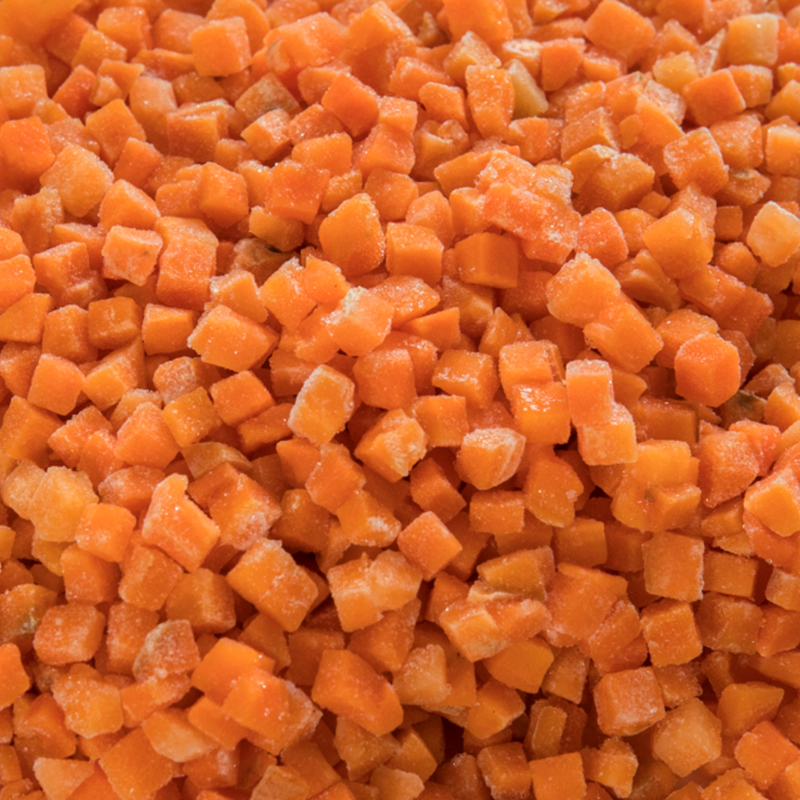
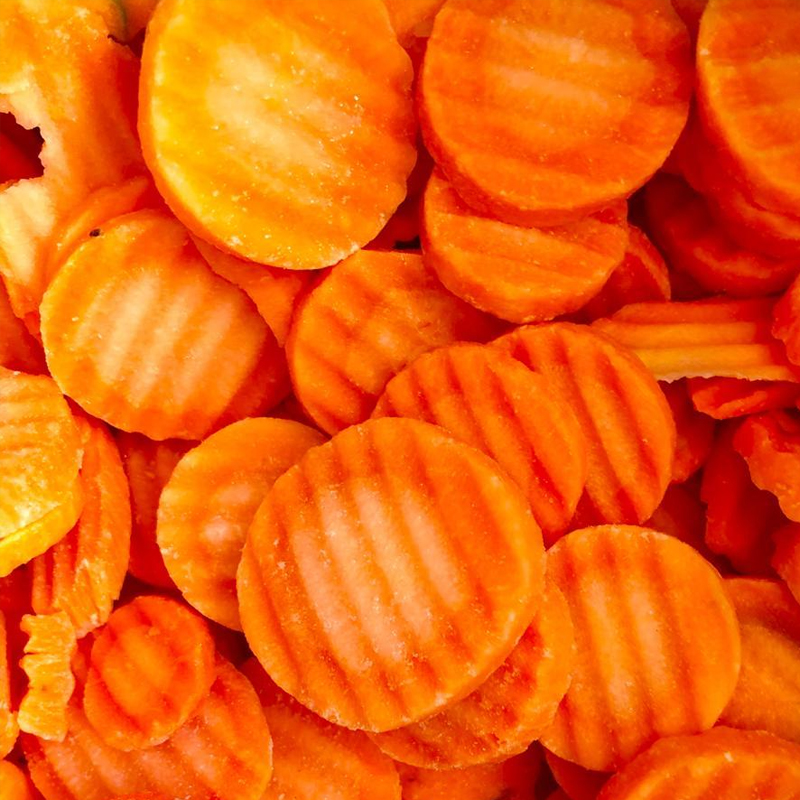
Observing the color and shape of vegetables can help judge their quality. Good frozen vegetables should have a natural and bright color, similar to fresh vegetables. For example, frozen broccoli should be dark green, and frozen carrots should be orange-red. If the vegetables are dark, yellow or have spots, there may be problems in production or storage. In addition, the vegetables should have a complete shape without obvious breakage or adhesion. Vegetables frozen by individual quick freezing should have distinct particles, so that the products are heated more evenly during cooking and have a better taste.
Checking the ingredient list can help understand the composition of the product. The ingredient list of high-quality frozen vegetables should be simple, preferably only the vegetables themselves, without added salt, sugar, preservatives and other ingredients. If the ingredient list contains many additives, purchase with caution. Especially for people who need to control their diet, such as diabetics and hypertensive patients, pay more attention to the ingredient content in the ingredient list.
Choosing regular channels for purchase can reduce purchase risks. Frozen vegetables should be bought in large supermarkets, convenience stores and other regular places, where the storage conditions are more guaranteed and can ensure that frozen vegetables are stored at an appropriate temperature. Avoid buying from street stalls or places with poor storage conditions to prevent purchasing unqualified products.
What Are the Benefits of Regularly Eating Frozen Vegetables?
Helping reduce food waste is a major benefit of frozen vegetables. Fresh vegetables have a short shelf life and are prone to rot and deterioration if not handled carefully, resulting in waste. Frozen vegetables can be stored for a long time, and consumers can take them as needed, avoiding the situation of discarding vegetables due to spoilage, and saving food costs to a certain extent.
It plays a positive role in weight control. Frozen vegetables are low in calories and high in dietary fiber. Eating them can increase satiety and reduce the intake of other high-calorie foods. At the same time, frozen vegetables usually do not need to add too much oil during cooking, which can help control the total calorie intake, making them suitable for people who are losing weight or need to control their weight.
They can provide rich nutrition for the human body. Frozen vegetables retain most of the vitamins, minerals, dietary fiber and other nutrients in vegetables. Regular consumption can supplement the nutrients needed by the human body and maintain the normal physiological functions of the body. For example, frozen spinach is rich in iron, which helps prevent iron deficiency anemia; frozen broccoli contains rich vitamin C and antioxidants, which can enhance immunity.
They are convenient and fast, saving a lot of time. For busy office workers, students and other groups, frozen vegetables do not need complex processing, and can quickly make nutritious and delicious dishes, saving time in purchasing, cleaning, cutting and other links, allowing people to easily eat vegetables in a fast-paced life and ensure a balanced diet.
They are suitable for various cooking methods and can enrich the types of diet. Frozen vegetables can be used in various cooking methods such as stir-frying, soup making, porridge cooking and salad making, and can be matched with a variety of ingredients to make rich and diverse dishes, increasing the interest and diversity of the diet and providing people with more choices in diet.
Tips for Buying and Storing Frozen Vegetables
Key Points for Buying Frozen Vegetables
When purchasing frozen vegetables, the condition of the packaging is the primary factor to consider. High-quality frozen vegetables should be packaged with good sealing, using low-temperature-resistant composite film materials. This material can not only effectively block air and moisture but also withstand temperatures below -20°C without becoming brittle. It is essential that there are no damages, air leaks, or bulging. If the packaging has tiny holes, cracks, or other damages, external oxygen and moisture will slowly seep in, causing the vegetables to gradually oxidize and turn yellow, and microorganisms may also take the opportunity to multiply. In addition, it is necessary to pay attention to whether there is excessive frost inside the packaging bag. Under normal circumstances, there should only be a small amount of uniform white frost, which is formed by the condensation of the vegetables' own moisture during the quick freezing process. If there is thick, clumpy frost or if ice crystals fall off the inner wall of the packaging bag, it may indicate that the vegetables have experienced temperature fluctuations during storage and transportation, i.e., thawing and then refreezing. Such products have damaged cell structures, will become soft and watery after cooking, and also lose a lot of nutrients, so they are not recommended for purchase.
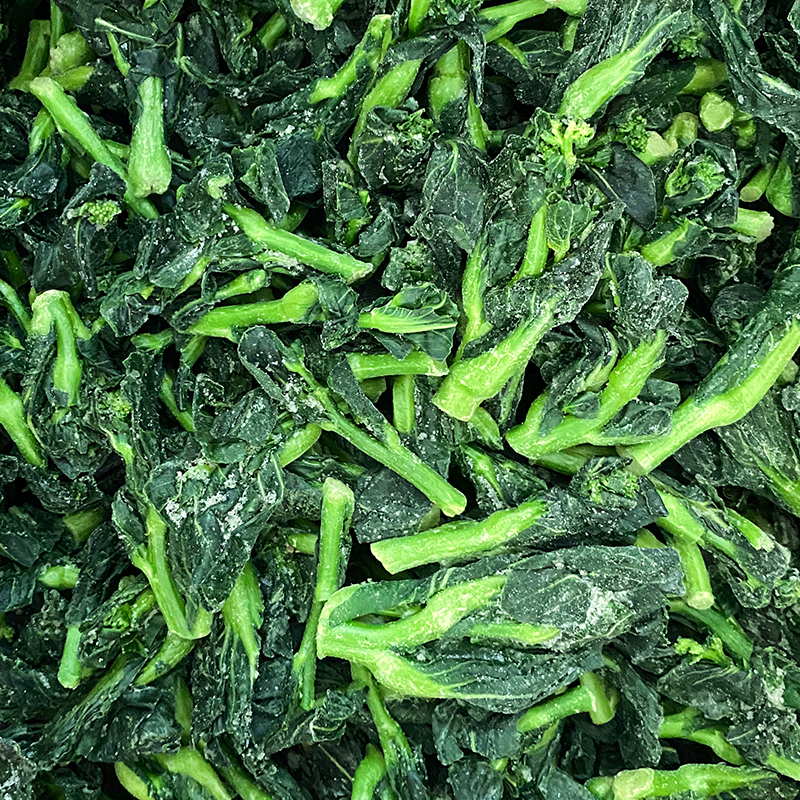
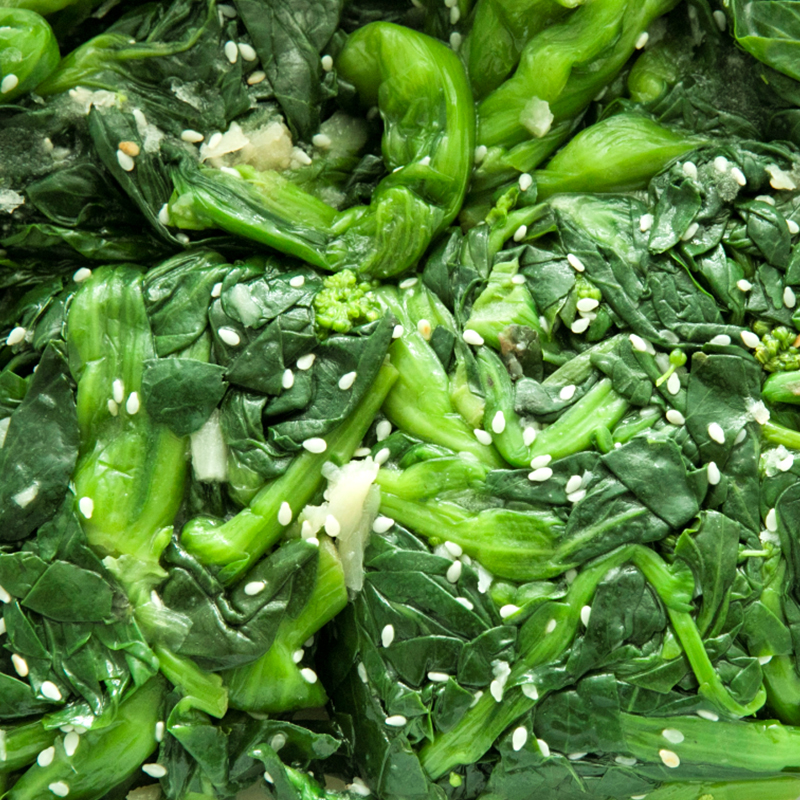
Observing the color and shape of the vegetables can also help judge their quality. Fresh and high-quality frozen vegetables should maintain a naturally bright color, similar to fresh vegetables, because quick freezing can retain the pigment components in the vegetables to the greatest extent. For example, frozen spinach should be uniformly dark green, with no yellow or dark brown spots on the leaf edges; frozen carrot cubes should be plump orange-red, avoiding local blackening or whitening; the flower heads of frozen broccoli should be dark green, and the stems should be tender green, with no yellowing or wilting signs. In terms of shape, vegetables frozen using Individual Quick Freezing (IQF) technology should have distinct particles, with no obvious sticking or breaking. For example, frozen green beans and corn kernels should be intact and uniform in size, with no crumbs; frozen cut vegetables such as potatoes and pumpkins should have regular shapes and no obvious damage to the edges. If the vegetables are found to be soft, deformed, or have a lot of crumbs, it may be due to over-blanching during production, slow freezing speed, or prolonged storage, resulting in poor quality.
Checking product information is a key part of purchasing. First, confirm the production date and shelf life. The shelf life of frozen vegetables is usually 6-12 months, which refers to the best consumption period when stored at -18°C. It is recommended to choose products with a recent production date and try to avoid buying products that are close to the expiration date to ensure freshness and nutritional content when eaten. For example, if a product is found to have only one month left before expiration when purchased, even if it looks normal, its flavor and taste may have been affected. Secondly, carefully read the ingredient list. High-quality frozen vegetables should have a simple and pure ingredient list, preferably only the vegetables themselves, without added salt, sugar, preservatives (such as sodium benzoate, potassium sorbate), artificial colors (such as tartrazine, sunset yellow), etc. For people with special dietary needs, such as those with hypertension who need to pay attention to sodium content, they should choose products with sodium content ≤10mg/100g; diabetics need to pay attention to whether sugar is added and avoid frozen vegetables with added sucrose or glucose. The following is a comparison of ingredient lists of common frozen vegetables:
|
Product Type |
High-Quality Ingredient List |
Ingredient List to Be Cautious Of |
|
Frozen mixed vegetables |
Carrots, green beans, corn |
Carrots, green beans, corn, edible salt, potassium sorbate |
|
Frozen spinach |
Spinach |
Spinach, vitamin C (antioxidant), tartrazine |
|
Frozen broccoli |
Broccoli |
Broccoli, sucrose, monosodium glutamate |
Choosing the right purchasing channel is also important. It is recommended to buy frozen vegetables from large supermarkets, chain convenience stores and other regular places first. These places have complete cold chain equipment and are equipped with professional low-temperature freezers, which can ensure that products are stored at temperatures below -18°C. Moreover, the freezers have a low frequency of door opening and closing, and small temperature fluctuations, which can effectively maintain the quality of vegetables. Avoid buying from street stalls, temporary markets and other places lacking standardized cold chain conditions. Such places may use ordinary freezers or even insulation boxes for storage, and the temperature is difficult to stabilize below -18°C, which may easily lead to partial thawing of vegetables. When purchasing, you can also pay attention to the temperature display of the freezer to ensure that it is at -18°C or below. If the freezer temperature is displayed as -12°C, or if the door is opened and closed frequently, causing large temperature fluctuations, you need to be cautious when choosing the products inside. In addition, when buying frozen vegetables online, choose merchants that provide full cold chain distribution to ensure that the product temperature does not exceed -15°C during transportation, and there is no obvious thawing in the package when received.
Methods for Storing Frozen Vegetables
The core of storing frozen vegetables is to maintain a stable low-temperature environment. The freezer of a household refrigerator is the most commonly used storage place, and the temperature should be set at -18°C or lower. This temperature can effectively inhibit the growth and reproduction of microorganisms and slow down the oxidation of fats and the decomposition of vitamins in vegetables. Experimental data show that at -18°C, the monthly loss rate of vitamin C in frozen vegetables is about 2%-3%, while at -12°C, the loss rate will rise to 8%-10%. When storing, avoid placing frozen vegetables on the refrigerator door rack, because the door rack is the area with the largest temperature fluctuation in the refrigerator. Each time the door is opened and closed, the temperature will rise by 2-5°C, which may easily cause the vegetables to undergo repeated micro-thawing. It is recommended to place them at the back or lower layer inside the freezer, where the temperature is more stable and less affected by the outside world. At the same time, do not open the freezer door frequently to reduce the impact of temperature fluctuations on vegetables, and try to control the time for taking and placing items within 30 seconds each time.
Reasonable portioning can improve storage efficiency and reduce repeated thawing. If you buy large packages of frozen vegetables that cannot be eaten at one time, you can immediately divide the remaining part into small portions after opening, seal them with well-sealed low-temperature-resistant fresh-keeping bags or glass fresh-keeping boxes, remove the air in the bags, and then put them into the freezer. It is recommended that the fresh-keeping bags be made of PE material with a thickness of ≥0.08mm, which has good low-temperature resistance and is not easy to break; glass fresh-keeping boxes should be marked as "freezable" to avoid breaking at low temperatures. When portioning, determine the amount of each portion according to the daily consumption of the family. For example, a family of three is suitable for about 500g of frozen mixed vegetables per meal, which can be divided into such portions to ensure that each time you take a whole portion, there is no need to thaw the remaining part again. After portioning, you can mark the type of vegetables and the portioning date on the package for easy management.
Avoid repeated thawing and freezing during storage. Once frozen vegetables are thawed, the ice crystals in the cell gaps will melt into water, causing damage to the cell structure. The moisture and soluble nutrients (such as B vitamins, minerals) in the vegetables will be lost with the water; at the same time, bacteria multiply rapidly at room temperature (20-30°C), doubling every 20 minutes, and if not eaten in time, they will easily deteriorate. Therefore, thawed frozen vegetables should not be put back into the freezer for storage. If you accidentally thaw too much, you can cook and eat them on the same day, and do not refreeze them after leaving them for a long time. When cooking, it is recommended to take as needed. If thawing is required, the following methods can be used: refrigeration thawing (put the vegetables in the refrigerator's cold storage room, thaw naturally for 8-12 hours, with the best nutrient retention), cold water immersion thawing (seal and put in cold water, thaw for 1-2 hours, need to change water 2-3 times), or direct cooking (no need to thaw, put directly into a hot pot, suitable for stir-frying, boiling, etc., which can reduce nutrient loss), and try to shorten the thawing time.
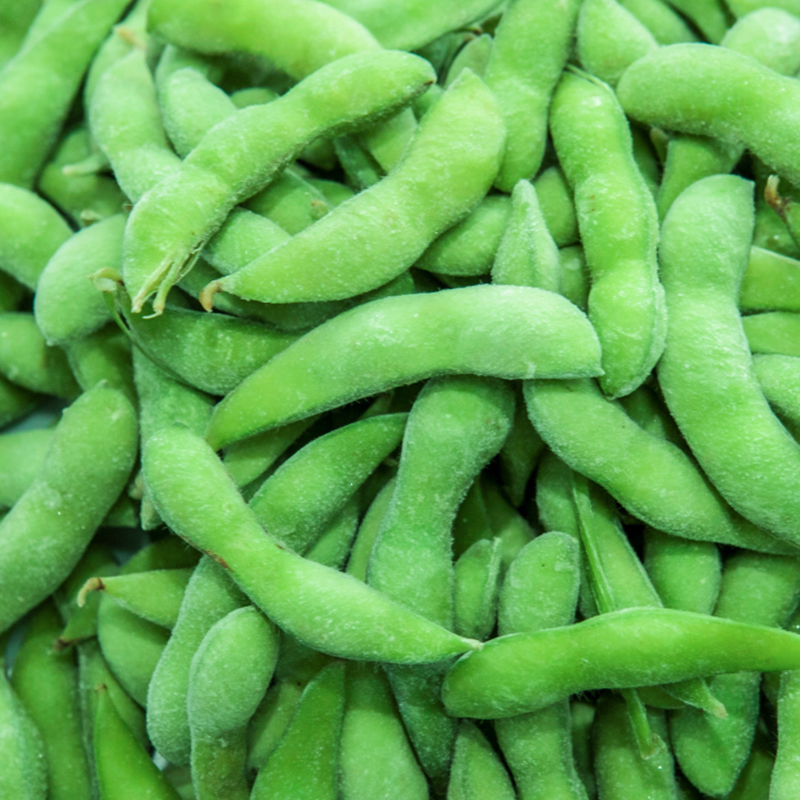
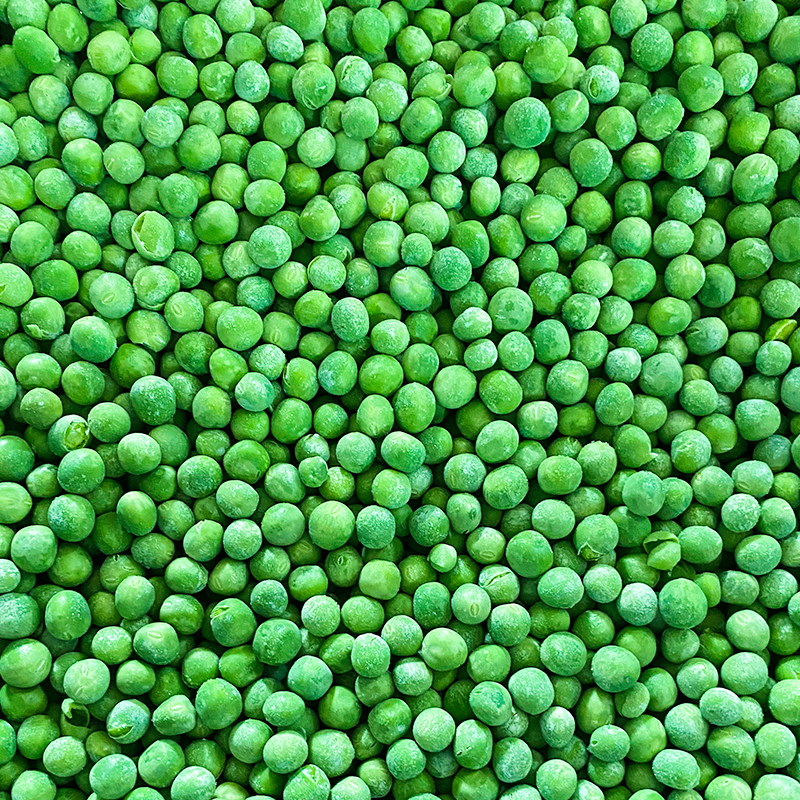
Different types of frozen vegetables can be stored separately to avoid mutual influence. Although frozen vegetables have a relatively light smell, some vegetables still have a special smell, such as frozen onions and garlic. Their volatile substances will penetrate into other vegetables, affecting the taste. It is recommended to store such vegetables with special smells separately from other vegetables, which can be isolated using sealed boxes or independent fresh-keeping bags. In addition, different types of frozen vegetables can be stored in separate areas, such as leafy vegetables (spinach, rape), root and tuber vegetables (carrots, potatoes), legumes (green beans, peas), flowering vegetables (broccoli, cauliflower), etc., which is convenient for taking and reduces temperature fluctuations caused by rummaging. When storing, also pay attention to the sealing of the package. Opened frozen vegetables need to be resealed tightly. You can use a sealing clip to clamp the mouth of the fresh-keeping bag or replace it with a new fresh-keeping box to prevent water evaporation (causing the vegetables to become dry and hard) and the invasion of peculiar smells.
The storage time of frozen vegetables needs to be strictly controlled. Even under the condition of -18°C, they should not be stored indefinitely. Although the product is labeled with a shelf life of 6-12 months, this is the period under ideal storage conditions. In actual home storage, due to possible fluctuations in refrigerator temperature, it is recommended to consume them within 3-6 months after purchase. At this time, the taste and nutrition of the vegetables are best preserved. After more than 6 months, the flavor of the vegetables will gradually fade, the texture will become rough, and the vitamin content will also decrease significantly. Frozen vegetables that exceed the shelf life may undergo fat oxidation (producing a rancid smell) and deteriorate in flavor. Even if there is no obvious change in appearance, they are not recommended to be eaten. You can mark the purchase date on the packaging and establish the "first in, first out" principle for consumption, that is, eat the vegetables purchased first, so as to timely clean up expired products and ensure food safety. The following are the recommended storage durations for common frozen vegetables:
|
Vegetable Type |
Recommended Storage Duration (under -18°C) |
Performance Beyond the Recommended Duration |
|
Leafy vegetables (spinach, rape) |
3-4 months |
Leaves turn yellow and become mushy after cooking |
|
Root and tuber vegetables (carrots, potatoes) |
6-8 months |
Texture becomes dry and flavor fades |
|
Legumes (green beans, peas) |
5-6 months |
Grains become soft and lose their crispness |
|
Flowering vegetables (broccoli, cauliflower) |
4-5 months |
Flower heads become loose and fragile |