

 English
 中文简体
中文简体 日本語
日本語
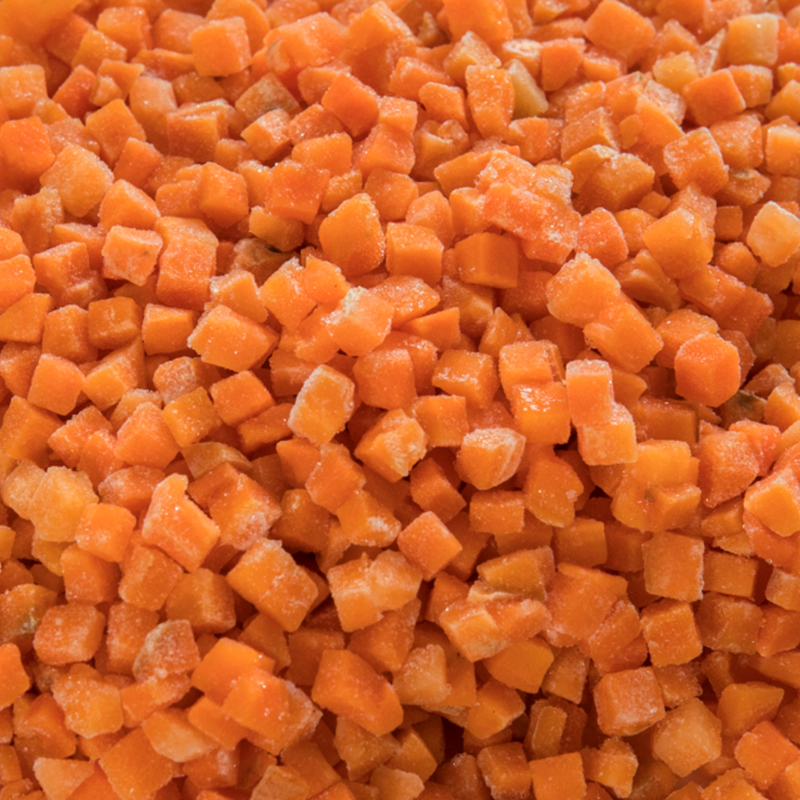
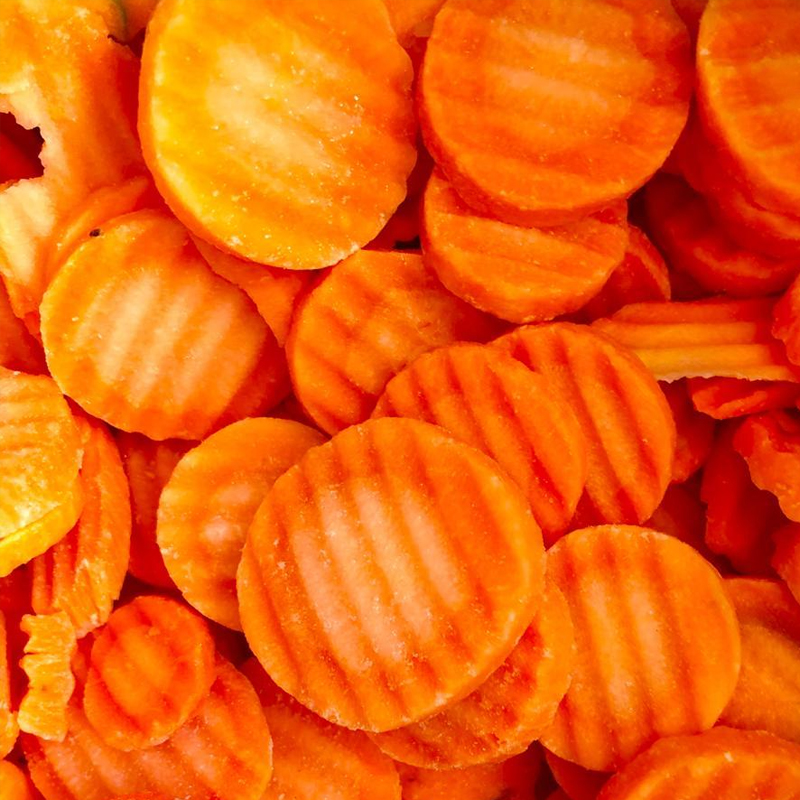
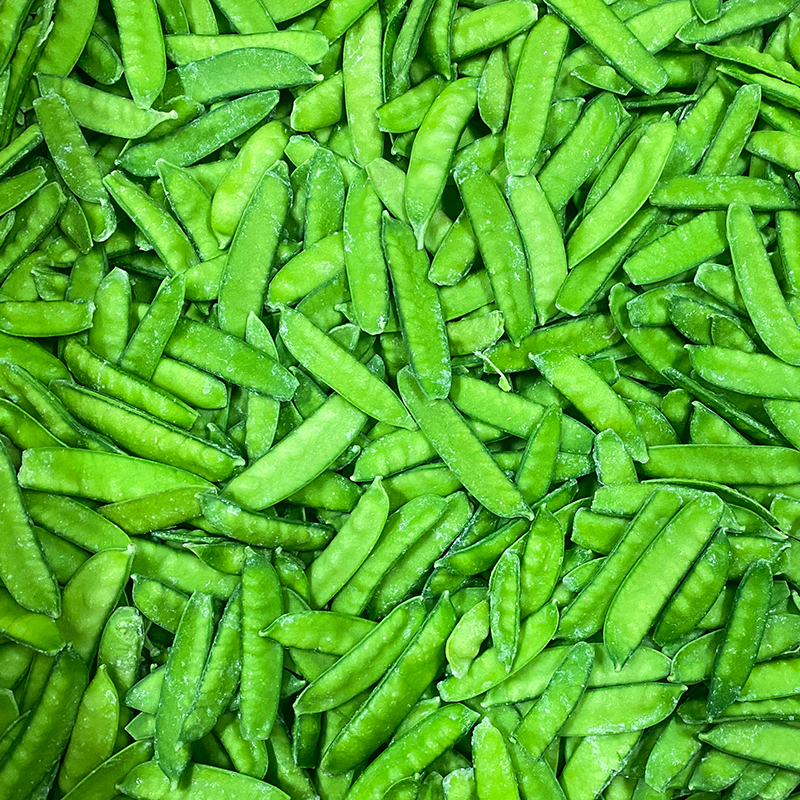
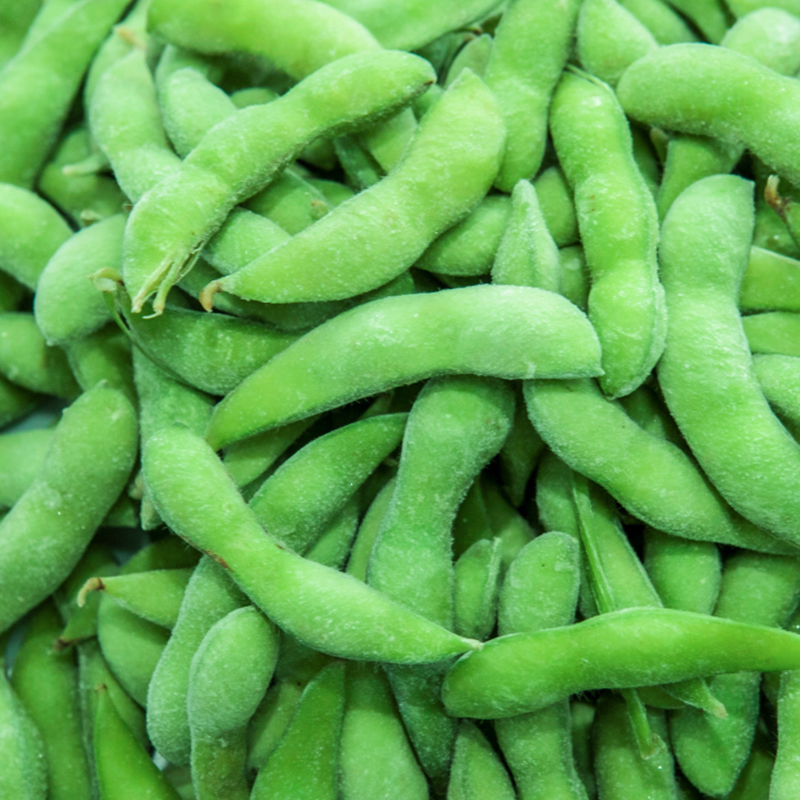
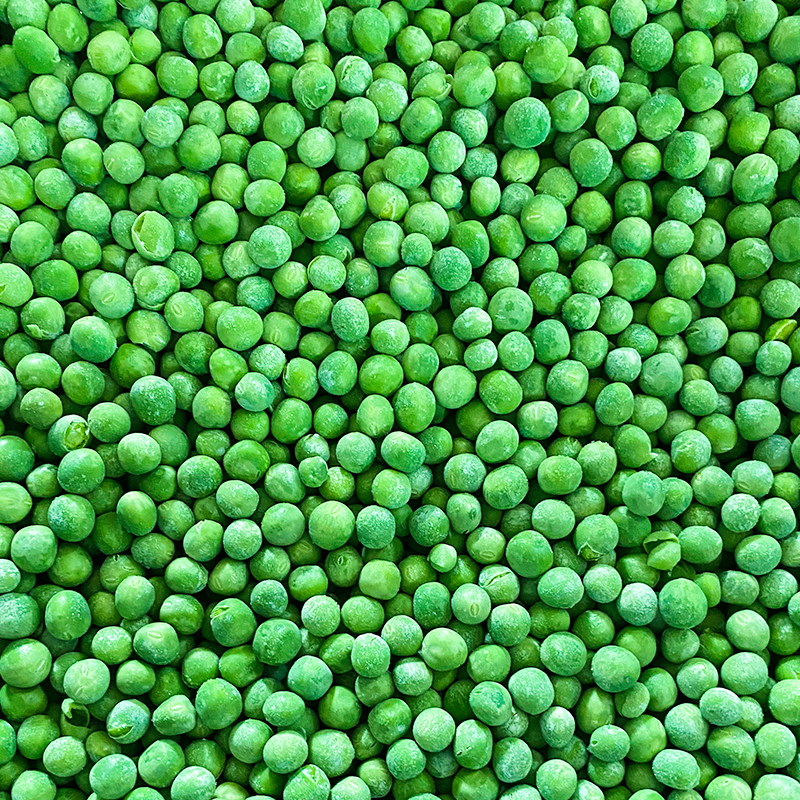
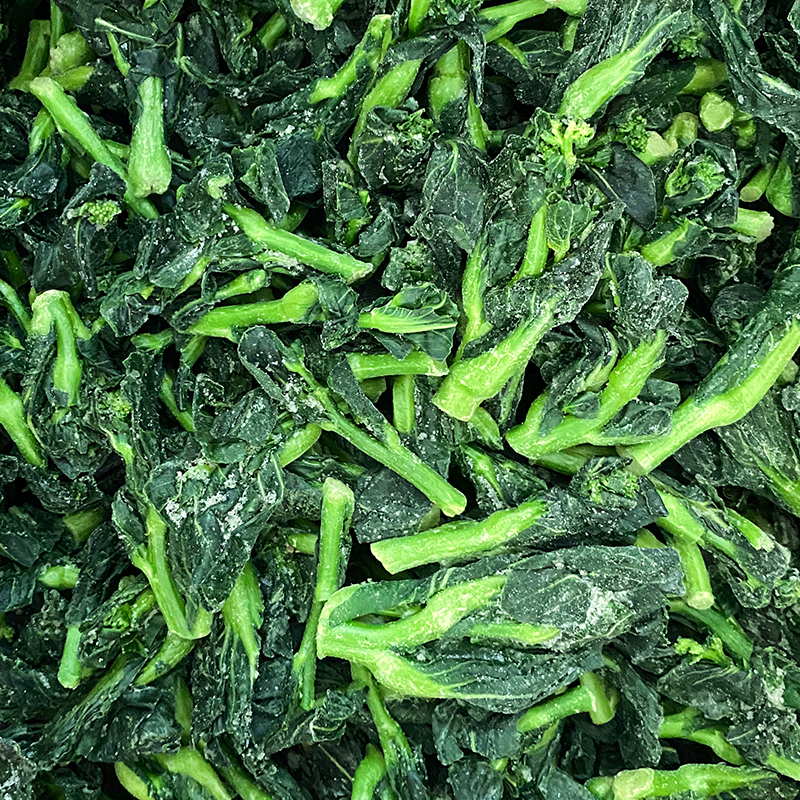
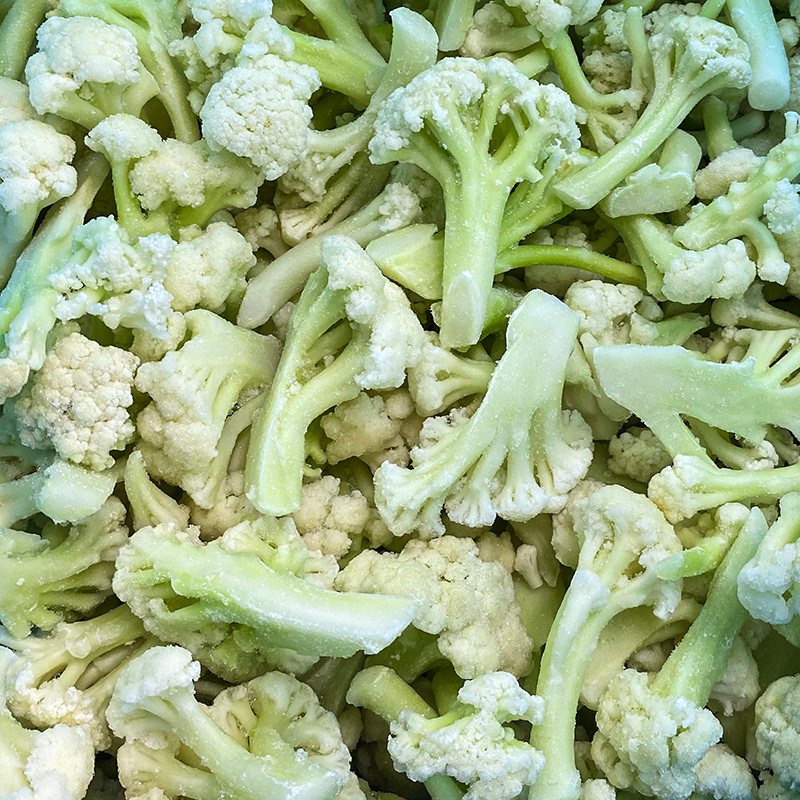
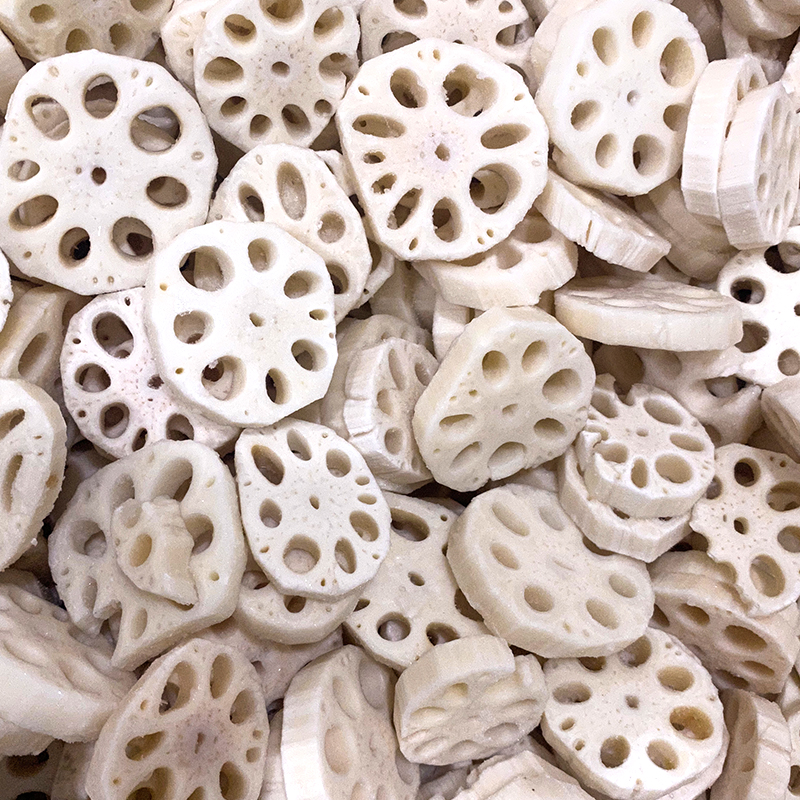
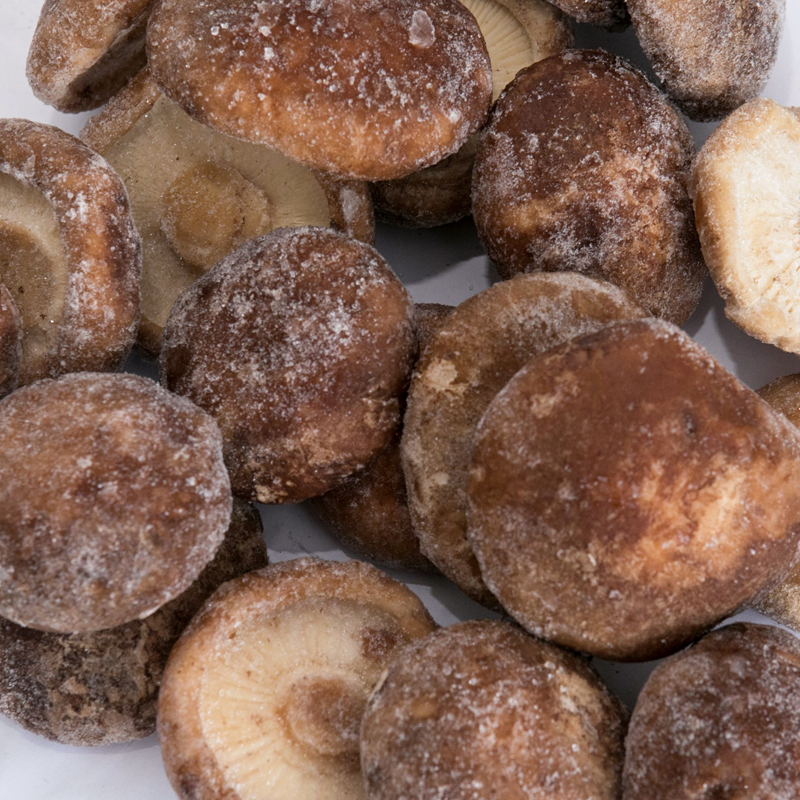
The use of Frozen Vegetables has become a staple in modern kitchens due to their convenience and long shelf life. However, a common question arises: is it necessary to thaw them before cooking?
Freezing is a preservation method that locks in nutrients by slowing down enzymatic activity and microbial growth. Frozen Vegetables are typically blanched before freezing to deactivate enzymes that could cause spoilage. When it comes to thawing, the process involves transitioning the vegetables from a frozen state to a softer, more pliable one, which can affect their cellular structure and nutrient retention.
Content
Nutritional Impacts
-
Nutrient Retention: Studies indicate that Frozen Vegetables can retain vitamins and minerals effectively if handled properly. Thawing before cooking may lead to water-soluble nutrient loss (e.g., vitamin C and B vitamins) if the thawing liquid is discarded.
-
Texture and Quality: Thawing can cause ice crystals to melt, potentially making vegetables soggy if not cooked immediately. This may impact the overall eating experience, though it varies by vegetable type.
Microbial Safety
-
Bacterial Growth: Thawing Frozen Vegetables at room temperature can promote bacterial growth, such as Listeria, if left out for extended periods. The USDA recommends thawing in the refrigerator or cooking directly from frozen to minimize risks.
-
Food Handling Practices: Proper storage and thawing methods are crucial to maintain the safety of Frozen Vegetables, as improper handling can compromise food quality.
Practical Cooking Considerations
When deciding whether to thaw Frozen Vegetables, practical factors like cooking time, energy use, and desired outcomes play a significant role. Both approaches—thawing and cooking from frozen—have their merits and limitations, depending on the recipe and equipment.
Benefits of Thawing Before Cooking
-
Even Cooking: Thawed vegetables tend to cook more uniformly, reducing the risk of uneven textures. For dishes like stir-fries or sautés, this can lead to better integration with other ingredients.
-
Reduced Cooking Time: While not always faster than cooking from frozen, thawing can shorten active cooking periods in certain methods, such as roasting or grilling.
Advantages of Cooking from Frozen
-
Convenience: Skipping the thawing step saves time and simplifies meal preparation. This is particularly useful for quick meals like soups or steamed dishes.
-
Nutrient Preservation: Cooking Frozen Vegetables directly can minimize nutrient loss by reducing exposure to air and water, as the vegetables are often heated quickly.
Expert Insights and Recommendations
Research and culinary experts provide evidence-based guidance on handling Frozen Vegetables. For instance, a study published in the Journal of Food Science notes that cooking methods (e.g., steaming vs. boiling) have a greater impact on nutrient retention than thawing alone. Additionally, many professional chefs advocate for adapting techniques based on the specific vegetable and dish requirements.
Key Takeaways from Studies
-
Cooking Methods Matter: Steaming or microwaving Frozen Vegetables without thawing can preserve more nutrients compared to boiling, regardless of thawing status.
-
Flexibility in Preparation: There is no one-size-fits-all answer; factors like vegetable type (e.g., leafy greens vs. root vegetables) and intended use should guide the decision.
Whether to thaw Frozen Vegetables before cooking depends on a balance of nutritional goals, safety concerns, and practical needs. While thawing can enhance cooking uniformity, it may lead to nutrient loss if not managed carefully. Conversely, cooking from frozen offers convenience and potential nutrient benefits but requires adjustments in cooking times. By understanding these aspects, consumers can optimize their use of Frozen Vegetables to achieve healthy, efficient meal outcomes. Always refer to reliable sources, such as food safety guidelines, for personalized advice.