

 English
 中文简体
中文简体 日本語
日本語
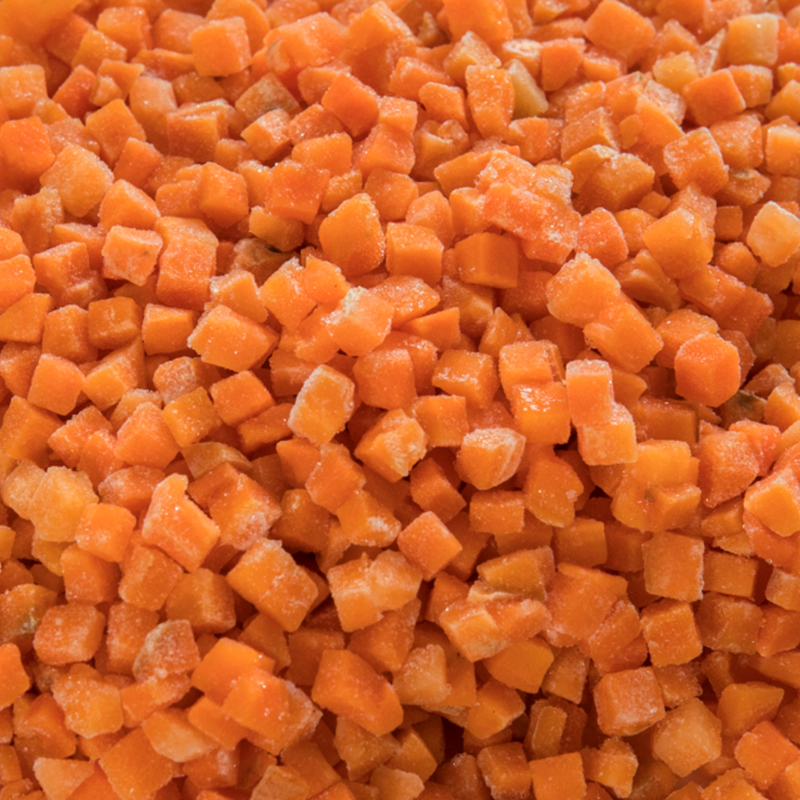

When it comes to stocking your freezer, Frozen Vegetables are a convenient and nutritious option for many households. However, questions often arise about how long they can be stored without compromising safety or quality. This article explores the key aspects of frozen vegetable storage, drawing from food safety guidelines and scientific principles to provide a clear, evidence-based perspective.
Content
Understanding the Safety of Frozen Vegetables
The safety of Frozen Vegetables in the freezer is primarily determined by the storage conditions and the nature of freezing itself. Freezing at 0°F (-18°C) or below inhibits the growth of microorganisms that cause foodborne illnesses, making frozen foods generally safe for extended periods.
-
Microbial Stability: Freezing halts the activity of bacteria, yeasts, and molds, meaning that Frozen Vegetables do not spoil in the same way as fresh produce. As long as the freezer maintains a consistent temperature, the risk of foodborne pathogens remains low.
-
Temperature Control: The USDA and other food safety agencies emphasize that Frozen Vegetables can be kept indefinitely from a safety standpoint if stored at 0°F or lower. Fluctuations in temperature, however, can lead to freezer burn or ice crystal formation, which may affect quality but not necessarily safety.
-
Packaging Integrity: The original packaging of Frozen Vegetables is designed to protect against freezer burn and contamination. If the bag is torn or improperly sealed, it can expose the vegetables to air and moisture, potentially leading to quality degradation over time.
Factors Influencing the Quality of Frozen Vegetables
While Frozen Vegetables may remain safe to eat for long periods, their quality—including texture, flavor, and nutritional value—can diminish over time. Several factors contribute to this gradual change.
-
Storage Duration: For optimal quality, Frozen Vegetables are typically best consumed within 8 to 12 months of purchase. Beyond this period, they may develop off-flavors or a mushy texture due to enzymatic activity and ice crystal damage.
-
Freezer Conditions: Consistent freezing temperatures are crucial. Frequent thawing and refreezing can accelerate quality loss by causing cellular breakdown in the vegetables.
-
Nutritional Changes: Although freezing preserves most nutrients, some water-soluble vitamins (like vitamin C and B vitamins) may degrade slowly over extended storage. However, Frozen Vegetables generally retain a significant portion of their nutritional value compared to fresh alternatives.
Best Practices for Storing Frozen Vegetables
To maximize both safety and quality, proper handling and storage of Frozen Vegetables are essential. Following these evidence-based recommendations can help maintain their condition.
-
Maintain Freezer Temperature: Use a freezer thermometer to ensure the temperature stays at or below 0°F (-18°C). Avoid overloading the freezer, as this can impede air circulation and cause temperature spikes.
-
Check Packaging Regularly: Inspect the bag of Frozen Vegetables for any signs of damage. If the original packaging is compromised, transfer the vegetables to an airtight container or heavy-duty freezer bag to prevent exposure to air.
-
Organize and Label: Practice the "first-in, first-out" method by placing newer purchases behind older ones. Label bags with the date of purchase to track storage time and prioritize use based on quality guidelines.
In summary, Frozen Vegetables can be stored safely in the freezer for an indefinite period if kept at 0°F or below, though quality is best within 8 to 12 months. By understanding the factors that affect safety and quality, and adhering to proper storage techniques, consumers can make informed decisions about using Frozen Vegetables in their daily meals.