

 English
 中文简体
中文简体 日本語
日本語
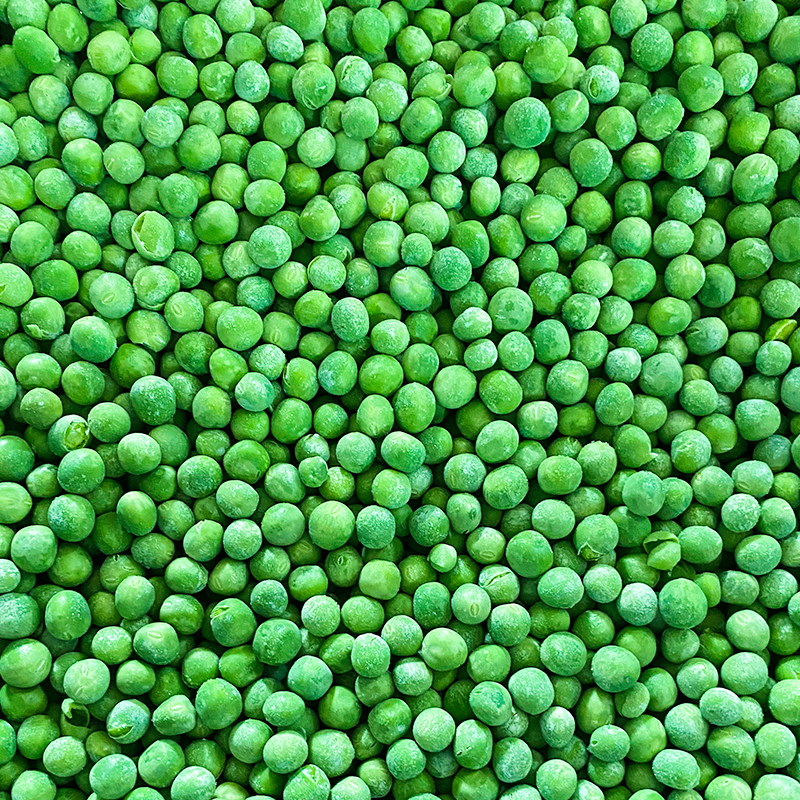
When browsing the freezer aisle of a modern supermarket, you may have noticed labels highlighting the term "IQF." Specifically, IQF Green Beans have become a staple for both professional chefs and home cooks. But what exactly does this acronym mean, and why should you care?
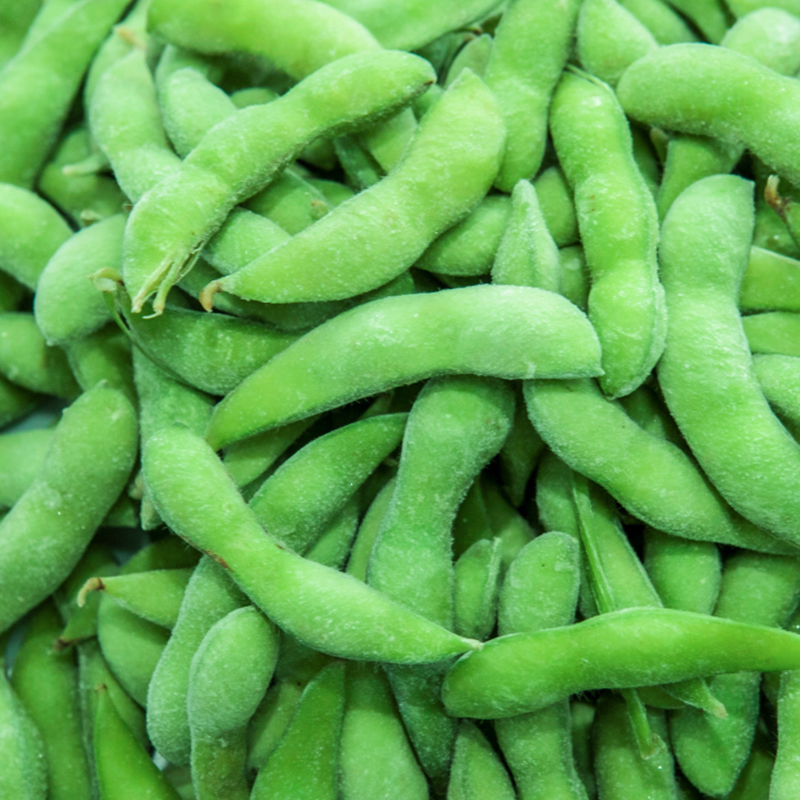
At its simplest, IQF Green Beans are green beans that have undergone the Individual Quick Freezing process. Unlike traditional freezing methods that freeze vegetables in large blocks, IQF technology ensures that each individual bean is frozen separately. The result is a product that retains its original shape, color, nutritional profile, and texture, offering a level of convenience and quality that regular frozen vegetables simply cannot match.
Content
- Understanding the Technology: What is IQF?
- The Key Differences Between IQF Green Beans and Regular Frozen Vegetables
- The Detailed Production Journey of IQF Green Beans
- Why Food Service Professionals Prefer IQF Green Beans
- Environmental Impact and Sustainability
- Frequently Asked Questions (FAQ)
- Conclusion: The Future of Frozen Food
Understanding the Technology: What is IQF?
The acronym IQF stands for Individually Quick Frozen. This is a specialized preservation method used in the food industry to freeze small pieces of food products—ranging from berries and peas to diced meat and, of course, IQF Green Beans.
In a traditional freezing process, a large quantity of green beans would be placed in a container and put into a freezer. As the temperature drops slowly, moisture within the beans migrates and forms large ice crystals. These crystals act like tiny knives, puncturing the cell walls of the vegetable. Furthermore, because they are packed together, the moisture causes the beans to stick to one another, forming a solid "brick" of frozen food.
The IQF process solves these issues by sending the beans through a high-tech blast freezer, often utilizing a "fluidized bed" freezer. In this system, the beans are placed on a conveyor belt and subjected to extremely cold air (often between -30°C and -40°C) flowing at high velocities from underneath. This causes the IQF Green Beans to "float" or tumble in the air, ensuring that each bean is surrounded by freezing air and freezes in seconds or minutes rather than hours.
The Key Differences Between IQF Green Beans and Regular Frozen Vegetables
To understand the superiority of IQF Green Beans, we must compare them across several critical categories: texture, nutrition, convenience, and visual appeal.
1. Texture and Cellular Integrity
The speed of freezing is the most significant factor here. When vegetables are frozen slowly (regular freezing), large ice crystals form. When you thaw these beans, the ruptured cell walls cannot hold their structure, leading to a mushy, limp texture.
Because IQF Green Beans are frozen almost instantly, the ice crystals that form are microscopic. These tiny crystals do not damage the cell membranes. Consequently, when cooked, the beans maintain a "snap" or "crunch" that is remarkably close to fresh-picked produce.
2. Nutritional Retention
Vegetables begin to lose vitamins (particularly Vitamin C and B vitamins) the moment they are harvested. Traditional freezing methods often involve longer transit times to a central freezing facility and a slower freezing cycle, allowing for more enzymatic degradation.
The IQF Green Beans production chain is designed for speed. They are typically blanched and frozen within hours of harvest. The rapid drop in temperature "locks in" the nutrients, often making IQF vegetables more nutritious than "fresh" vegetables that have sat on a supermarket shelf for a week.
3. Convenience and Portion Control
Have you ever tried to get just a handful of beans out of a frozen block? You usually have to defrost the whole bag or resort to using a knife to break off a chunk. With IQF Green Beans, because every bean is separate, you can pour out exactly what you need—whether it is ten beans or two pounds—and put the rest back in the freezer without any hassle. This significantly reduces food waste.
| Feature | IQF Green Beans | Regular Frozen Green Beans |
| Freezing Speed | Extremely Fast (Minutes) | Slow (Hours) |
| Ice Crystal Size | Microscopic (No cell damage) | Large (Causes mushiness) |
| Physical Form | Individual, loose beans | Clumped or frozen in blocks |
| Nutrient Density | Maximum retention | Moderate loss during slow freeze |
| Ease of Use | Easy to portion | Must thaw or break the block |
The Detailed Production Journey of IQF Green Beans
To appreciate the quality of IQF Green Beans, one must look at the rigorous industrial process that brings them from the field to your table.
- Harvesting at Peak Ripeness: Unlike beans intended for long-distance fresh shipping, which might be picked early to survive the trip, beans destined for the IQF process are picked at the exact moment they reach peak flavor and nutritional value.
- Cleaning and Sorting: Once they arrive at the facility, the beans are washed and mechanically sorted to remove stems, leaves, and any damaged produce. This ensures only the highest quality IQF Green Beans make it to the next stage.
- Blanching: This is a crucial step. The beans are briefly exposed to boiling water or steam. This deactivates enzymes that cause spoilage and color loss. It also brightens the chlorophyll, giving IQF beans their signature vibrant green color.
- The IQF Tunnel: The blanched beans are chilled and then fed into the IQF freezer. As mentioned, the fluidized bed technology keeps them moving so they do not freeze together.
- Packaging and Cold Chain: Once frozen, the IQF Green Beans are weighed and packed into bags. Maintaining a strict cold chain (consistent sub-zero temperatures) during storage and shipping is vital to prevent partial thawing, which could cause them to clump together later.
Why Food Service Professionals Prefer IQF Green Beans
In a high-pressure commercial kitchen, efficiency and consistency are the two most important factors. Professional chefs often prefer IQF Green Beans over fresh ones for several reasons:
First, there is zero prep time. Fresh green beans require "snapping" the ends and washing, which is labor-intensive. IQF beans are pre-washed and pre-trimmed. Second, the price is stable. Fresh vegetable prices fluctuate wildly based on the season and weather. IQF Green Beans provide a consistent year-round price point and quality.
Lastly, the high moisture content of fresh beans can sometimes lead to inconsistent cooking times. Because IQF beans are blanched, they cook faster and more evenly, which is critical when preparing hundreds of servings in a single night.
Environmental Impact and Sustainability
Surprisingly, IQF Green Beans can be a more sustainable choice than fresh beans, depending on your location. Fresh beans out of season are often flown halfway around the world, creating a massive carbon footprint. In contrast, IQF vegetables are often processed locally at the height of the harvest and shipped via sea or land in energy-efficient cold storage.
Furthermore, because IQF beans have a shelf life of up to 18-24 months, the retail and consumer waste is significantly lower. Fresh green beans have a high "shrink" rate in grocery stores, meaning a large percentage is thrown away before it is even sold. With IQF Green Beans, almost 100% of the harvested crop reaches a plate.
Frequently Asked Questions (FAQ)
Q: Do IQF Green Beans contain preservatives?
A: Generally, no. The freezing process itself acts as a natural preservative. The only "processing" step is blanching in water or steam. Always check the label, but high-quality IQF products usually list only one ingredient: green beans.
Q: How should I cook IQF Green Beans to keep them crunchy?
A: Avoid boiling them in a large pot of water for a long time. Instead, steam them for 3-5 minutes, or sauté them directly from frozen in a hot pan with a little olive oil and garlic. This preserves the "snap" of the IQF Green Beans.
Q: Why are my IQF beans stuck together in a block?
A: This usually happens if the beans have partially thawed and then refrozen in your home freezer or during transport. This is known as "temperature abuse." To prevent this, buy from stores with high turnover and get them into your home freezer as quickly as possible.
Q: Is the nutritional value really as good as fresh?
A: In many cases, yes. IQF Green Beans are processed at peak ripeness. Fresh beans in the produce aisle may have been in transit or storage for days or even weeks, during which time their nutrient levels (especially folate and Vitamin C) naturally decline.
Conclusion: The Future of Frozen Food
As food technology continues to evolve, the gap between "fresh" and "frozen" is rapidly closing. IQF Green Beans represent the pinnacle of this evolution. They provide a bridge between the necessity of long-term storage and the desire for high-quality, gourmet ingredients.
By choosing IQF Green Beans, you are opting for a product that is convenient, nutritionally sound, and superior in texture to old-fashioned frozen blocks. Whether you are meal prepping for a busy week or running a busy restaurant, understanding the science behind IQF helps you make better, more informed decisions for your kitchen and your health.
In summary, the next time you see IQF Green Beans, remember that you aren't just buying "frozen vegetables"—you are buying the result of advanced thermodynamics designed to keep nature’s bounty as perfect as the day it was picked.