

 English
 中文简体
中文简体 日本語
日本語
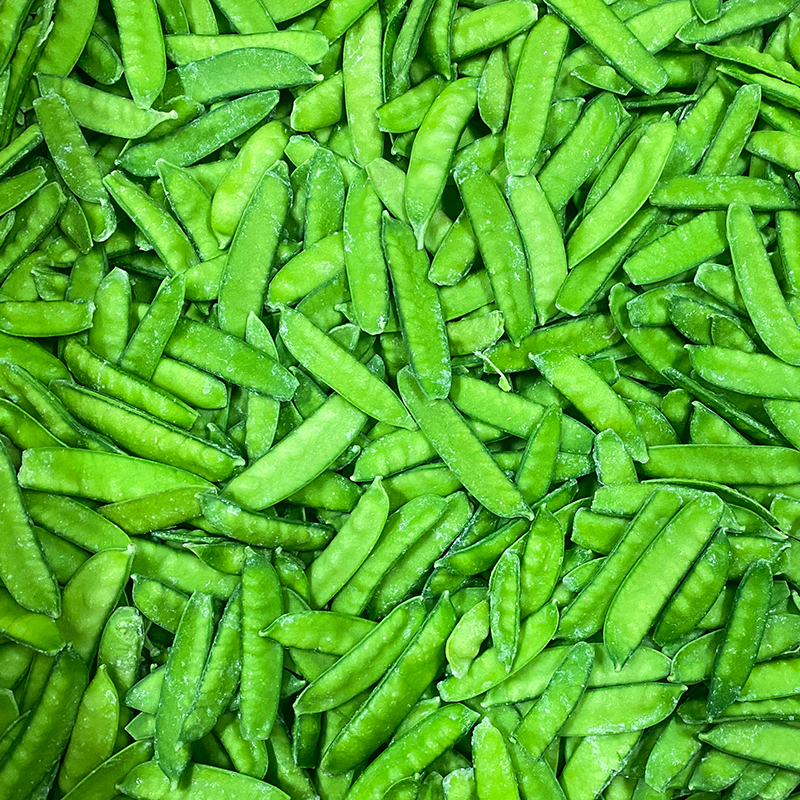
Yes, you can absolutely roast frozen vegetables straight from the freezer—no thawing required—and achieve crispy, caramelized results that rival fresh produce. This comprehensive guide reveals the science-backed techniques that professional chefs and food scientists use to transform frozen broccoli, cauliflower, Brussels sprouts, and more into golden, flavorful side dishes that will revolutionize your weeknight cooking routine.
Frozen vegetables are flash-frozen at peak ripeness, often making them more nutritious than "fresh" produce that has spent days in transit and storage. When roasted properly using high-heat techniques, these convenient freezer staples develop complex, nutty flavors and satisfying textures that steam cooking simply cannot achieve.
Content
- Why Roasting Frozen Vegetables Is a Game-Changer
- The Science Behind Crispy Roasted Frozen Vegetables
- Step-by-Step Guide: How to Roast Frozen Vegetables Perfectly
- Roasting Time and Temperature Chart for Frozen Vegetables
- Fresh vs. Frozen Vegetables: A Comprehensive Comparison
- Common Mistakes to Avoid When Roasting Frozen Vegetables
- Advanced Techniques for Extra-Crispy Results
- Creative Seasoning Ideas for Roasted Frozen Vegetables
- Nutritional Benefits of Roasted Frozen Vegetables
- Frequently Asked Questions About Roasting Frozen Vegetables
- Can you roast frozen vegetables without thawing?
- What temperature is best for roasting frozen vegetables?
- How long does it take to roast frozen vegetables?
- Why are my roasted frozen vegetables soggy?
- Can you roast frozen vegetables in an air fryer?
- Are frozen vegetables as healthy as fresh?
- What frozen vegetables should not be roasted?
- Should I use parchment paper when roasting frozen vegetables?
- How do I store leftover roasted frozen vegetables?
- Can I mix different types of frozen vegetables when roasting?
- Serving Suggestions and Meal Ideas
- Conclusion: Mastering the Art of Roasting Frozen Vegetables
Why Roasting Frozen Vegetables Is a Game-Changer
Roasting frozen vegetables offers unparalleled convenience without sacrificing nutrition or flavor. Unlike boiling or steaming, which can leave vegetables soggy and bland, high-heat roasting caramelizes natural sugars and creates those coveted crispy edges that make vegetables truly crave-worthy.
The key advantage lies in the flash-freezing process. Vegetables are frozen within hours of harvest, locking in nutrients at their peak. Research indicates that frozen vegetables may actually retain more vitamins than fresh produce that has traveled long distances and sat in storage for extended periods.
From a practical standpoint, frozen vegetables eliminate prep work entirely—no washing, peeling, or chopping required. They also significantly reduce food waste, as they remain fresh for months rather than days. For busy households seeking nutritious, budget-friendly meals, mastering the art of roasting frozen vegetables is an essential kitchen skill.
The Science Behind Crispy Roasted Frozen Vegetables
Understanding the science of roasting frozen vegetables is crucial for achieving optimal results. When vegetables freeze, water molecules inside the plant cells expand and form ice crystals. During cooking, these crystals melt, releasing moisture that can lead to steaming rather than roasting if not properly managed.
The solution lies in high-temperature roasting that rapidly evaporates surface moisture before it can penetrate the vegetable's exterior. By cooking frozen vegetables at temperatures between 425°F and 450°F (218°C to 232°C), you create an environment where water evaporates quickly, allowing the vegetables to brown and caramelize rather than boil in their own juices.
Preheating the baking sheet adds another layer of effectiveness. When frozen vegetables make contact with a hot surface, immediate searing occurs, creating a barrier that helps lock in texture while driving moisture outward. This technique, combined with proper spacing and oil application, transforms frozen vegetables from potentially mushy to magnificently crispy.
Step-by-Step Guide: How to Roast Frozen Vegetables Perfectly
Step 1: Select Quality Frozen Vegetables
Choose individually quick-frozen (IQF) vegetables in resealable bags rather than boxed varieties. IQF vegetables freeze separately, allowing you to use only what you need without thawing the entire package. Look for vegetables with minimal ice crystals, as excessive frost indicates freezer burn and moisture loss.
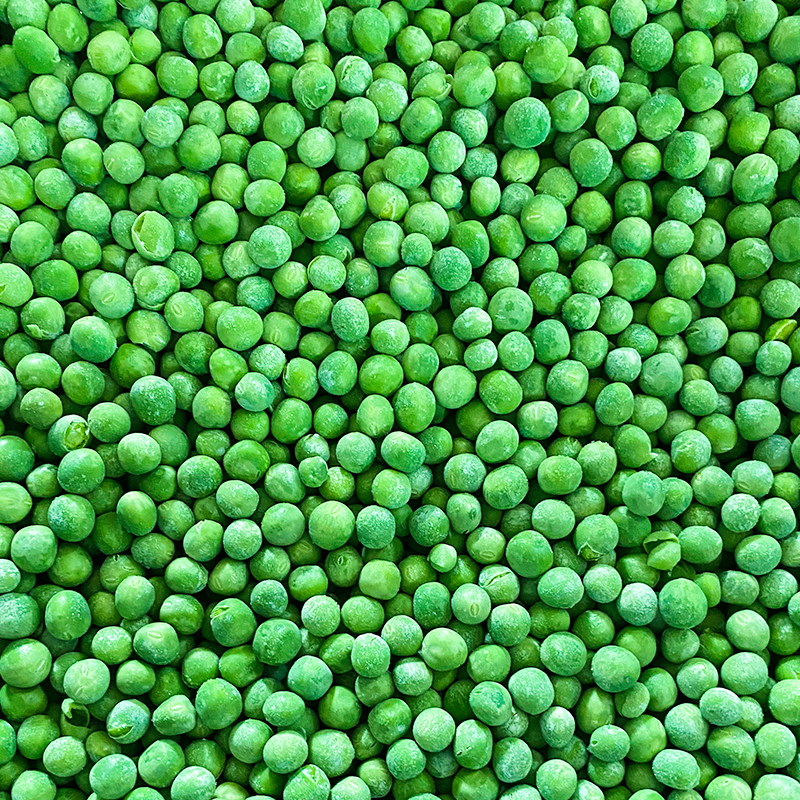
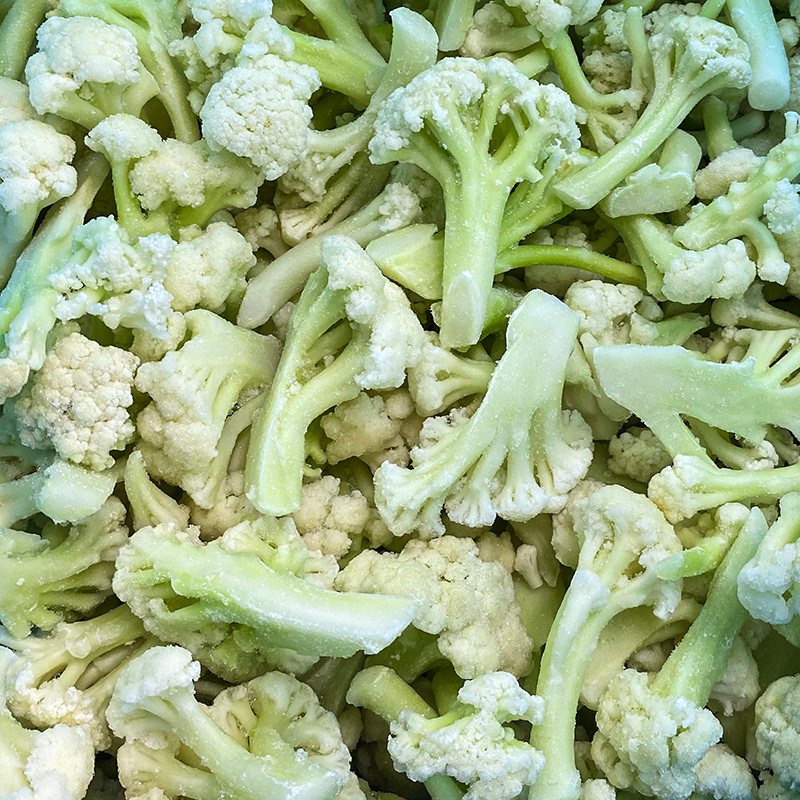
The best frozen vegetables for roasting include broccoli florets, cauliflower, Brussels sprouts, green beans, asparagus, carrots, butternut squash, and root vegetable blends. Avoid frozen peas, corn, and leafy greens if seeking crispy results, as these contain higher moisture content and tend to become mushy when roasted.
Step 2: Preheat Oven and Baking Sheet
Preheat your oven to 450°F (232°C) and place the empty baking sheet inside while heating. This crucial step ensures the cooking surface reaches optimal temperature before vegetables make contact. A hot pan immediately begins evaporating surface ice and searing the exterior, preventing the steaming effect that creates soggy vegetables.
Use a heavy-duty rimmed baking sheet that can withstand high temperatures. Light-colored aluminum pans work well, though darker pans may require slightly reduced cooking times to prevent burning. Allow 15-20 minutes for thorough preheating.
Step 3: Prepare Vegetables Without Thawing
Remove vegetables directly from the freezer and break apart any frozen clumps. Do not thaw vegetables before roasting—this is one of the most common mistakes that leads to disappointing results. Thawing releases moisture that vegetables absorb, creating a soggy texture that cannot be reversed during cooking.
If vegetables are stuck together in large blocks, gently separate them while still frozen. Remove any large ice chunks that may have formed in the bag, as these will create excess steam during roasting. Work quickly to keep vegetables as cold as possible before they hit the hot pan.
Step 4: Apply Oil and Seasonings Strategically
Toss frozen vegetables with 1-2 tablespoons of olive oil or avocado oil per pound of vegetables. The oil serves multiple purposes: it increases surface temperature, promotes browning through the Maillard reaction, prevents sticking, and adds flavor. Use enough oil to coat vegetables lightly but avoid drowning them, as excess oil can trap moisture.
Season generously with salt, pepper, and your choice of spices. Frozen vegetables can handle robust seasoning—consider garlic powder, onion powder, smoked paprika, Italian herbs, curry powder, or red pepper flakes. The high heat will mellow strong flavors, so don't be afraid to season assertively.
Step 5: Roast at High Heat with Proper Spacing
Spread vegetables in a single layer on the preheated baking sheet, ensuring space between pieces. Overcrowding is the enemy of crispy roasted vegetables—when pieces touch, they steam each other rather than roast. Use multiple baking sheets if necessary, or roast in batches.
Roast for 20-35 minutes depending on the vegetable type, flipping or stirring halfway through cooking. Smaller, softer vegetables like green beans may require only 15-20 minutes, while hearty root vegetables like carrots or butternut squash need 30-40 minutes. Watch for golden-brown edges and caramelized spots as indicators of doneness.
Roasting Time and Temperature Chart for Frozen Vegetables
| Vegetable Type | Oven Temperature | Roasting Time | Best Seasonings |
| Broccoli Florets | 450°F (232°C) | 20-25 minutes | Garlic, lemon zest, red pepper flakes |
| Cauliflower | 450°F (232°C) | 25-30 minutes | Curry powder, turmeric, cumin |
| Brussels Sprouts | 425°F (218°C) | 25-35 minutes | Balsamic glaze, bacon bits, honey |
| Green Beans | 450°F (232°C) | 15-20 minutes | Almonds, lemon, shallots |
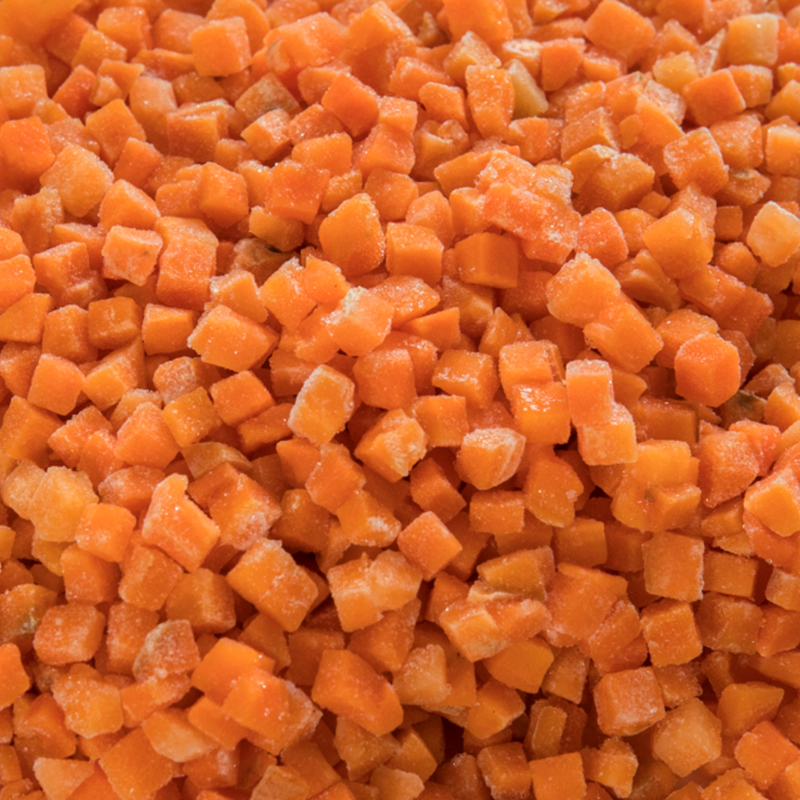
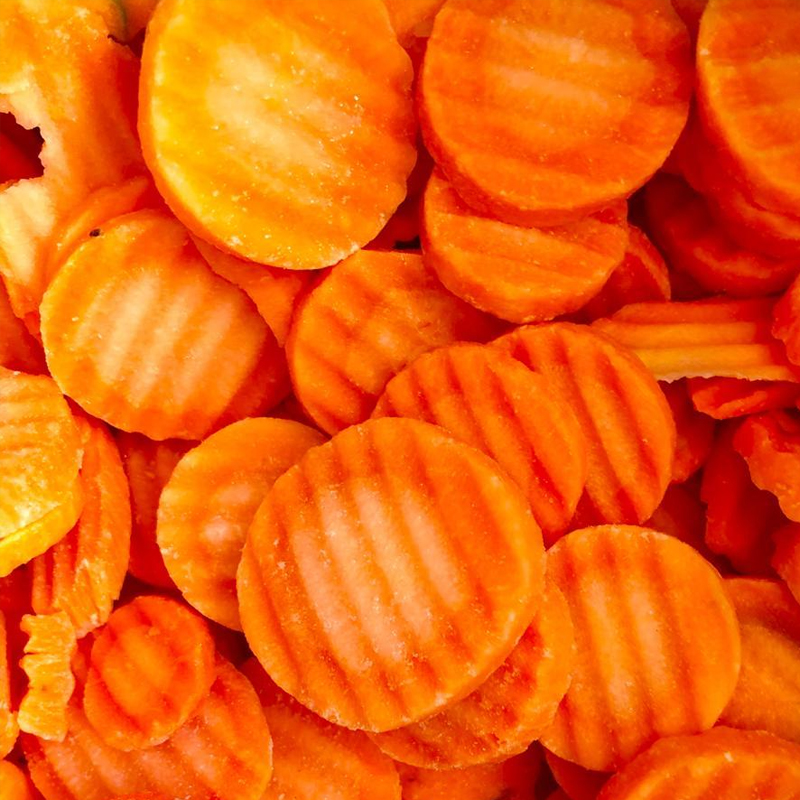
| Carrots (Coins/Sticks) | 425°F (218°C) | 25-30 minutes | Honey, thyme, cinnamon |
| Asparagus | 450°F (232°C) | 12-18 minutes | Parmesan, lemon, prosciutto |
| Butternut Squash | 425°F (218°C) | 30-40 minutes | Maple syrup, sage, nutmeg |
| Mixed Vegetables | 450°F (232°C) | 25-30 minutes | Italian seasoning, garlic, rosemary |
Note: Times are approximate and may vary based on oven calibration and vegetable size. Always check for golden-brown edges and desired tenderness.
Fresh vs. Frozen Vegetables: A Comprehensive Comparison
Understanding the differences between fresh and frozen vegetables helps you make informed cooking decisions. While both have their place in a healthy diet, frozen vegetables offer distinct advantages for roasting that many home cooks overlook.
| Factor | Fresh Vegetables | Frozen Vegetables |
| Nutrition | Peak nutrition immediately after harvest; degrades over time during transport and storage | Flash-frozen at peak ripeness, locking in nutrients; vitamin retention often superior to "fresh" store produce |
| Texture When Roasted | Naturally crisp with firm bite; caramelizes beautifully | Slightly softer interior but can achieve crispy exterior with proper technique; may require higher heat |
| Preparation Time | Requires washing, peeling, chopping—15-30 minutes prep | No prep required; open bag and roast—under 5 minutes prep |
| Cost | Variable pricing; often expensive for out-of-season produce | Consistently affordable; typically 30-50% less expensive than fresh |
| Shelf Life | 3-7 days in refrigerator; prone to spoilage and waste | 8-12 months in freezer; minimal waste, available on demand |
| Availability | Seasonal limitations; quality varies by source | Year-round availability; consistent quality regardless of season |
| Best For | Raw applications, salads, crudités, when texture is paramount | Cooked applications, meal prep, budget cooking, emergency meals |
Common Mistakes to Avoid When Roasting Frozen Vegetables
Even experienced cooks make errors when roasting frozen vegetables. Avoid these common pitfalls to ensure consistently excellent results every time you cook.
Mistake 1: Thawing Vegetables Before Roasting
Never thaw frozen vegetables before roasting. Thawing causes ice crystals to melt into water, which the vegetables absorb, creating a soggy texture that cannot be reversed. Always roast vegetables straight from the freezer to maintain the best possible texture.
Mistake 2: Overcrowding the Baking Sheet
Crowded vegetables steam instead of roast. When pieces touch, moisture becomes trapped, creating a humid environment that prevents browning and crisping. Spread vegetables in a single layer with space between pieces, using multiple sheets if necessary.
Mistake 3: Using Insufficient Heat
Low temperatures create steamed, soggy vegetables. Roasting frozen vegetables requires high heat—425°F to 450°F—to rapidly evaporate surface moisture. Lower temperatures allow water to pool, resulting in mushy texture and pale color.
Mistake 4: Skipping the Preheated Pan
A cold baking sheet extends cooking time and reduces crispiness. Preheating the pan creates immediate contact heat that jumpstarts the roasting process. Without this step, vegetables spend precious minutes warming the pan rather than browning.
Mistake 5: Using Too Much Oil
Excess oil traps moisture and prevents crisping. While oil is essential for flavor and browning, too much creates a barrier that locks in water. Use just enough to lightly coat vegetables—typically 1-2 tablespoons per pound.
Mistake 6: Not Stirring During Cooking
Vegetables need turning for even browning. The side touching the pan browns faster than exposed surfaces. Stir or flip vegetables halfway through cooking to ensure uniform caramelization and prevent burning.
Advanced Techniques for Extra-Crispy Results
The Two-Stage Roasting Method
For maximum crispiness, try roasting frozen vegetables in two stages without oil initially. Roast vegetables dry at 400°F for 20-25 minutes to evaporate surface moisture, then toss with oil and seasonings and return to the oven for an additional 8-10 minutes. This technique prevents oil from trapping water during the initial thawing phase.
The Broiler Finish
Use your oven's broiler for the final 2-3 minutes of cooking. After roasting vegetables until nearly done, switch to high broil to create intense caramelization and char marks. Watch carefully to prevent burning—this method adds restaurant-quality color and flavor.
Air Fryer Alternative
Air fryers produce exceptionally crispy frozen vegetables in half the time. Preheat to 400°F, toss vegetables with oil and seasonings, and cook for 10-15 minutes, shaking the basket halfway through. The circulating hot air rapidly evaporates moisture, creating superior crispiness compared to conventional ovens.
The Cornstarch Technique
Lightly dusting vegetables with cornstarch before roasting enhances crispiness. The cornstarch absorbs excess moisture and creates a starchy coating that browns beautifully. Use 1 teaspoon per pound of vegetables, tossing with oil to distribute evenly.
Creative Seasoning Ideas for Roasted Frozen Vegetables
Elevate your roasted frozen vegetables with these flavor combinations that transform simple sides into memorable dishes.
Mediterranean Blend
Combine olive oil with dried oregano, basil, thyme, garlic powder, and lemon zest. After roasting, sprinkle with crumbled feta cheese and kalamata olives for a Greek-inspired side dish.
Asian-Inspired Glaze
Toss vegetables with sesame oil, soy sauce, ginger powder, and five-spice powder before roasting. Finish with toasted sesame seeds and sliced green onions for an umami-rich accompaniment to rice dishes.
Smoky BBQ Style
Mix smoked paprika, chili powder, garlic powder, onion powder, and a touch of brown sugar with olive oil. This combination creates a sweet-smoky crust perfect for pairing with grilled proteins.
Italian Herb and Parmesan
Use Italian seasoning blend with extra garlic powder and onion powder. During the final 5 minutes of roasting, sprinkle generously with grated Parmesan cheese for crispy, cheesy edges.
Indian Curry Spiced
Combine curry powder, turmeric, cumin, coriander, and garam masala with oil. The warm spices complement cauliflower and carrots particularly well, creating an aromatic side dish.
Nutritional Benefits of Roasted Frozen Vegetables
Roasted frozen vegetables offer exceptional nutritional value that rivals or exceeds fresh alternatives. Flash-freezing preserves vitamins and minerals at peak levels, while roasting maintains more nutrients than boiling or steaming, which can leach water-soluble vitamins into cooking liquid.
A typical serving of roasted frozen broccoli (about 1 cup) contains approximately 55 calories, 4 grams of protein, and 5 grams of fiber, along with significant amounts of vitamin C, vitamin K, and folate. Roasted frozen cauliflower provides similar benefits with only 40 calories per serving, making it an excellent choice for weight management.
The high-heat roasting process actually enhances certain nutritional compounds. The Maillard reaction that creates browning produces antioxidants, while caramelization concentrates natural sugars without adding refined sweeteners. Additionally, roasting with olive oil increases absorption of fat-soluble vitamins A, D, E, and K.
For maximum health benefits, avoid excessive oil and high-sodium seasonings. A light coating of heart-healthy olive oil and herbs provides flavor without unnecessary calories. The convenience of frozen vegetables also encourages increased vegetable consumption—a critical factor in maintaining optimal health.
Frequently Asked Questions About Roasting Frozen Vegetables
Can you roast frozen vegetables without thawing?
Yes, and you absolutely should roast frozen vegetables without thawing. Thawing causes vegetables to absorb melted ice water, resulting in soggy texture. Roasting from frozen at high heat allows surface ice to evaporate quickly, creating crispy, caramelized results. Simply remove vegetables from the freezer, break apart any clumps, toss with oil and seasonings, and roast immediately.
What temperature is best for roasting frozen vegetables?
The optimal temperature for roasting frozen vegetables is 450°F (232°C). This high heat rapidly evaporates surface moisture before it can steam the vegetables, promoting browning and caramelization. Some recipes suggest 425°F (218°C) for denser vegetables like Brussels sprouts or root vegetables, but 450°F works best for most frozen varieties including broccoli, cauliflower, and green beans.
How long does it take to roast frozen vegetables?
Roasting time for frozen vegetables typically ranges from 15 to 40 minutes depending on the type. Quick-cooking vegetables like asparagus and green beans need 15-20 minutes, while broccoli and cauliflower require 20-30 minutes. Dense root vegetables such as carrots and butternut squash need 30-40 minutes. Always check for golden-brown edges and desired tenderness, as oven temperatures vary.
Why are my roasted frozen vegetables soggy?
Soggy roasted frozen vegetables result from four common causes: thawing before cooking, overcrowding the pan, insufficient oven temperature, or skipping the preheated baking sheet. To prevent sogginess, roast from frozen at 450°F, spread vegetables in a single layer with space between pieces, and use a preheated pan. These steps ensure rapid moisture evaporation rather than steaming.
Can you roast frozen vegetables in an air fryer?
Air fryers produce exceptionally crispy frozen vegetables in significantly less time than conventional ovens. Preheat the air fryer to 400°F, toss frozen vegetables with 1 tablespoon oil and seasonings, and cook for 10-15 minutes, shaking the basket halfway through. The circulating hot air rapidly evaporates moisture, creating superior crispiness. This method works particularly well for broccoli, cauliflower, and Brussels sprouts.
Are frozen vegetables as healthy as fresh?
Frozen vegetables are nutritionally equivalent to fresh vegetables and may actually contain more nutrients in some cases. Flash-freezing preserves vitamins and minerals at peak ripeness, while fresh produce often loses nutrients during transport and storage. Studies show that frozen vegetables can have higher levels of certain nutrients like vitamin C and antioxidants compared to fresh produce that has been stored for several days.
What frozen vegetables should not be roasted?
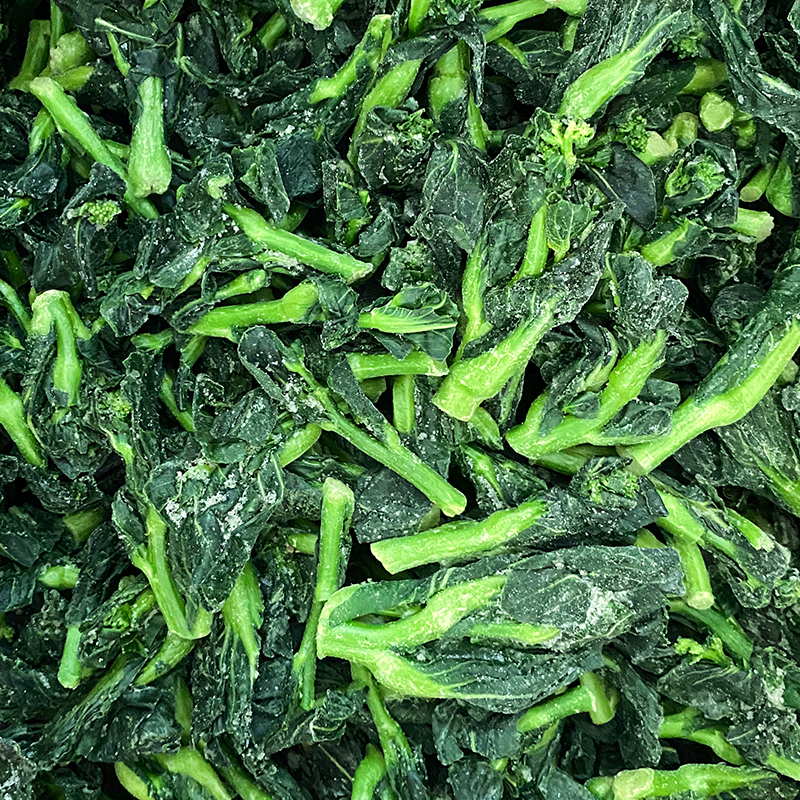
Avoid roasting frozen peas, corn, and leafy greens like spinach if you want crispy results. These vegetables contain high moisture content and small particle size, causing them to become mushy before achieving crispiness. They work better in soups, stews, or sautéed applications. Instead, choose broccoli, cauliflower, Brussels sprouts, green beans, asparagus, carrots, and butternut squash for successful roasting.
Should I use parchment paper when roasting frozen vegetables?
Parchment paper prevents sticking but may reduce crispiness slightly. For maximum browning, roast directly on a preheated, lightly oiled baking sheet. If easy cleanup is a priority, use parchment paper but expect slightly less caramelization. Never use parchment paper under the broiler, as it can burn or catch fire. A silicone baking mat offers a middle ground—easier cleanup than bare metal but better heat transfer than parchment.
How do I store leftover roasted frozen vegetables?
Store leftover roasted vegetables in an airtight container in the refrigerator for up to 4 days. Reheat in a 400°F oven for 10-15 minutes to restore crispiness, or use an air fryer for 3-5 minutes. Avoid microwaving, which creates steam and sogginess. Do not refreeze cooked vegetables, as this compromises texture and safety. Plan to cook only what you will consume within several days.
Can I mix different types of frozen vegetables when roasting?
You can mix vegetables, but only if they have similar cooking times and sizes. Broccoli and cauliflower work well together, as do carrots and butternut squash. Avoid combining quick-cooking vegetables like green beans with dense vegetables like carrots, as they will finish at different times. If mixing, cut larger pieces smaller to equalize cooking times, or add quick-cooking vegetables to the pan partway through the roasting process.
Serving Suggestions and Meal Ideas
Roasted frozen vegetables serve as versatile foundations for countless meals. As a simple side dish, they pair beautifully with grilled chicken, baked salmon, or pan-seared steak. The caramelized flavors complement proteins without competing for attention.
Transform roasted vegetables into main dishes by tossing with cooked pasta, quinoa, or farro. Add chickpeas or white beans for protein, feta or goat cheese for creaminess, and a drizzle of balsamic glaze or pesto for brightness. This creates satisfying grain bowls that work equally well for lunch or dinner.
Use roasted frozen vegetables as pizza toppings, sandwich fillings, or omelet ingredients. They add nutrition and flavor to frittatas, breakfast hashes, and casseroles. Blend roasted cauliflower or butternut squash into soups for natural creaminess without heavy cream.
For meal prep, roast large batches of mixed vegetables on Sunday and portion into containers for the week. They reheat well in the oven or air fryer and serve as ready-to-eat sides that make healthy eating convenient during busy weekdays.
Conclusion: Mastering the Art of Roasting Frozen Vegetables
Roasting frozen vegetables represents one of the most valuable techniques in modern home cooking. By following the principles outlined in this guide—high heat, no thawing, proper spacing, and preheated equipment—you can transform inexpensive freezer staples into crispy, caramelized dishes that rival anything made with fresh produce.
The convenience, nutrition, and cost-effectiveness of frozen vegetables make them indispensable for busy households. Whether you're preparing a quick weeknight dinner, meal prepping for the week ahead, or simply seeking to increase your vegetable intake, mastering the art of roasting frozen vegetables opens endless culinary possibilities.
Experiment with different vegetable combinations, seasonings, and techniques to discover your personal preferences. Remember that practice brings perfection—each oven behaves slightly differently, and learning your equipment's quirks will help you achieve consistently excellent results.
With these techniques in your cooking repertoire, you'll never again settle for soggy, steamed frozen vegetables. Instead, you'll enjoy crispy, flavorful sides that prove convenience and quality can coexist beautifully in your kitchen.