

 English
 中文简体
中文简体 日本語
日本語
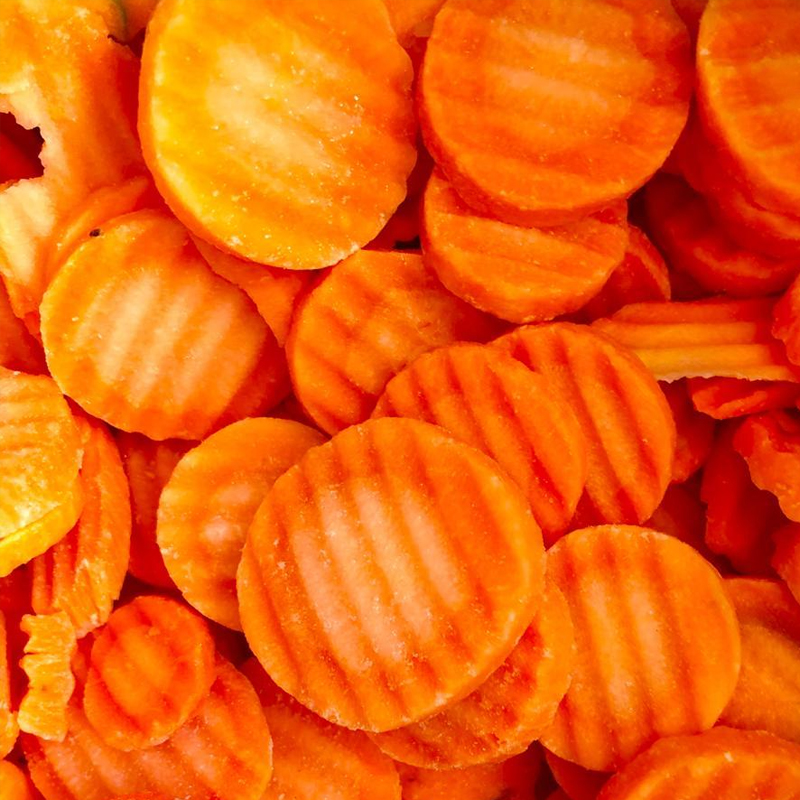
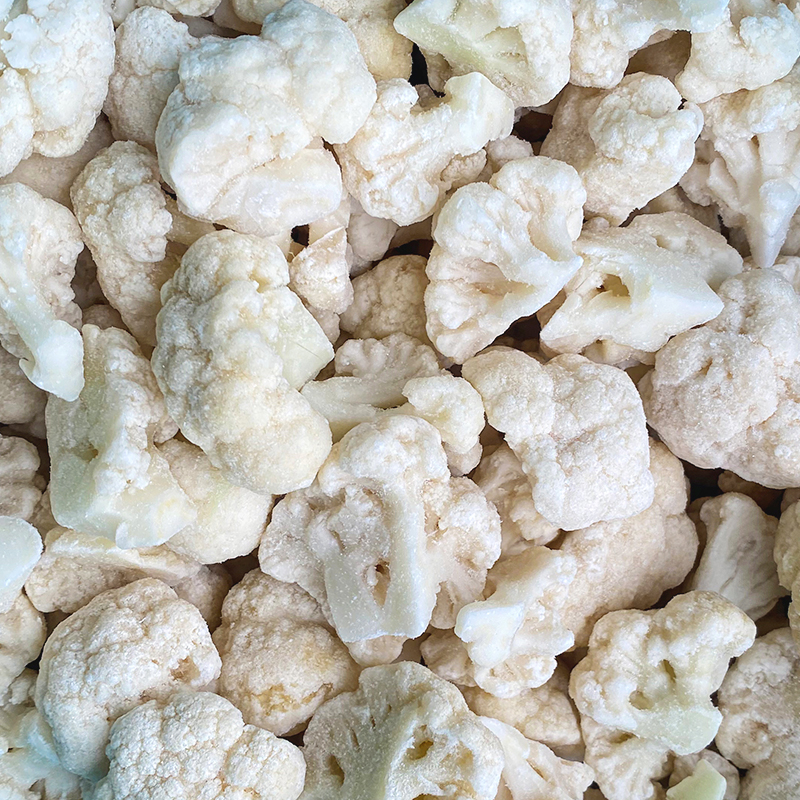
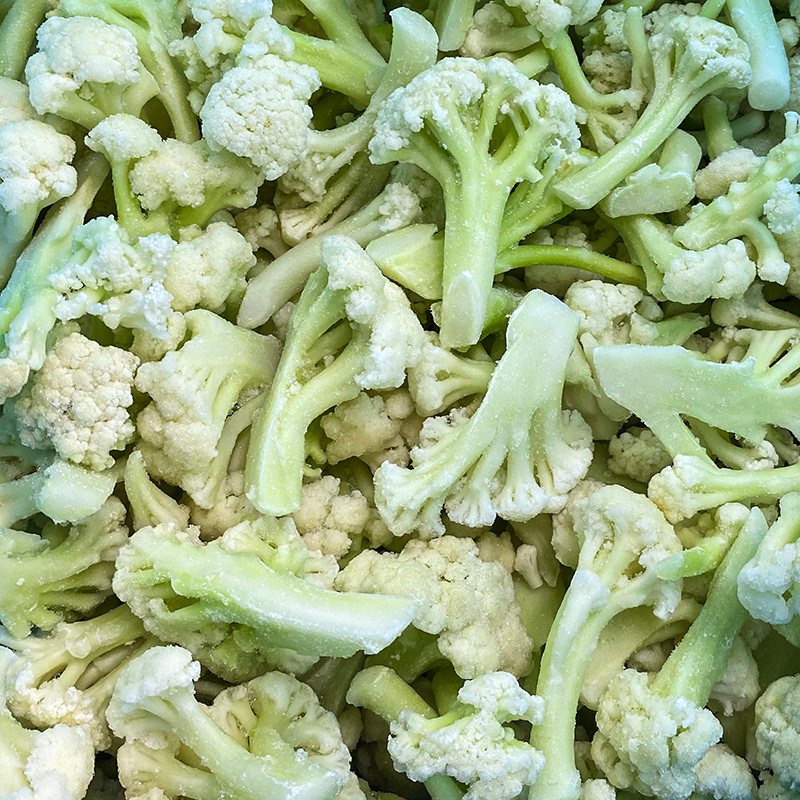
IQF Cauliflower has become an increasingly popular ingredient in global food markets due to its ability to maintain near-fresh quality while offering long shelf life and convenience. Widely used in retail, foodservice, and industrial food manufacturing, IQF technology allows cauliflower florets to retain their natural texture, flavor, color, and nutritional value without the need for preservatives.
Content
- What Does IQF Mean in IQF Cauliflower?
- Why Cauliflower Is Ideal for IQF Processing
- Step-by-Step IQF Cauliflower Processing Flow
- How IQF Preservation Maintains Maximum Freshness
- IQF Cauliflower vs Fresh and Other Frozen Forms
- Nutritional Value of IQF Cauliflower
- Common Applications of IQF Cauliflower
- Storage and Handling Best Practices
- Frequently Asked Questions (FAQ)
- Conclusion: Why IQF Cauliflower Sets the Standard for Frozen Vegetables
What Does IQF Mean in IQF Cauliflower?
IQF stands for Individually Quick Frozen, a freezing method in which each piece of cauliflower is frozen separately at extremely low temperatures, typically between -30°C and -40°C.
Unlike traditional block freezing, IQF prevents florets from sticking together, allowing users to pour, portion, and cook only what they need.
- Individual freezing: Each floret remains separate
- Rapid temperature reduction: Minimizes ice crystal formation
- No additives required: Relies on physical preservation only
- Extended shelf life: Typically 18–24 months when stored properly
Why Cauliflower Is Ideal for IQF Processing
Cauliflower’s firm structure and neutral flavor profile make it particularly suitable for IQF processing. When handled correctly, the vegetable withstands freezing and reheating better than many leafy vegetables.
Key Characteristics That Support IQF Freezing
- Dense cellular structure that resists collapse
- Low enzymatic browning risk after blanching
- Versatile culinary applications across cuisines
- High consumer demand in frozen vegetable categories
Step-by-Step IQF Cauliflower Processing Flow
The processing of IQF Cauliflower follows a carefully controlled sequence designed to lock in freshness at peak quality.
1. Raw Material Selection and Harvesting
Processing begins at the farm. Only mature, healthy cauliflower heads are selected for IQF production.
- Harvested at optimal maturity for flavor and texture
- Uniform size to ensure even processing
- Free from pests, diseases, and discoloration
2. Pre-Cooling and Transportation
Immediately after harvest, cauliflower is rapidly cooled to slow respiration and enzymatic activity.
- Hydro-cooling or forced-air cooling
- Temperature maintained between 0–4°C
- Short transit time to processing facility
3. Washing and Cleaning
Raw cauliflower undergoes multiple washing stages to remove soil, insects, and surface contaminants.
- High-pressure water jets
- Food-grade sanitizing solutions
- Continuous water filtration systems
4. Cutting and Sizing
The cauliflower heads are trimmed and cut into standardized florets.
- Manual or automated cutting systems
- Common floret sizes: 20–40 mm
- Uniformity ensures consistent freezing and cooking
5. Blanching: A Critical Preservation Step
Blanching is essential for preserving IQF Cauliflower quality. The florets are briefly exposed to hot water or steam.
- Typical blanching time: 2–3 minutes
- Temperature range: 90–100°C
- Enzyme deactivation prevents flavor and color degradation
6. Rapid Cooling After Blanching
Immediately after blanching, cauliflower is cooled using chilled water or air to stop the cooking process.
- Prevents over-softening
- Maintains firm texture
- Reduces moisture loss
7. Individual Quick Freezing (IQF)
The cooled florets enter the IQF freezer, often using fluidized bed technology.
- High-velocity cold air suspends florets
- Freezing time: 3–10 minutes
- Core temperature reaches -18°C or lower
8. Sorting and Quality Inspection
After freezing, IQF Cauliflower passes through inspection systems.
- Optical sorting for color and size
- Metal detectors and X-ray inspection
- Removal of defective or broken pieces
9. Packaging and Cold Storage
The final product is packed under strict hygienic conditions.
- Retail bags, bulk cartons, or foodservice packs
- Polyethylene or laminated moisture-barrier materials
- Stored at -18°C or below
How IQF Preservation Maintains Maximum Freshness
The effectiveness of IQF Cauliflower preservation lies in the speed and precision of freezing.
Small Ice Crystals Protect Cell Structure
Rapid freezing forms micro-sized ice crystals, preventing cell wall rupture. This allows cauliflower to retain its original texture after thawing and cooking.
Enzyme Inactivation Prevents Quality Loss
Blanching combined with freezing halts enzymatic reactions that cause:
- Color fading
- Flavor deterioration
- Vitamin degradation
Low-Temperature Storage Slows Oxidation
At -18°C, oxidation reactions are dramatically reduced, preserving aroma and nutritional content over long periods.
IQF Cauliflower vs Fresh and Other Frozen Forms
| Feature | IQF Cauliflower | Fresh Cauliflower | Block Frozen Cauliflower |
|---|---|---|---|
| Texture After Cooking | Firm, close to fresh | Best initially, declines quickly | Often mushy |
| Shelf Life | 18–24 months | 7–14 days | 12–18 months |
| Portion Control | Excellent | Limited | Poor |
| Nutrient Retention | High | Variable | Moderate |
Nutritional Value of IQF Cauliflower
IQF Cauliflower retains most of its original nutrients due to rapid processing shortly after harvest.
- Vitamin C: Maintained through blanching control
- Dietary fiber: Structure remains intact
- Antioxidants: Preserved by low oxygen exposure
- Low calories: Ideal for health-focused products
Common Applications of IQF Cauliflower
- Frozen vegetable mixes
- Ready meals and microwave dishes
- Cauliflower rice and low-carb foods
- Soups, sauces, and purees
- Foodservice and catering operations
Storage and Handling Best Practices
For Distributors and Retailers
- Maintain continuous cold chain
- Avoid temperature fluctuations
- Use FIFO inventory management
For End Users
- Do not refreeze after thawing
- Cook directly from frozen when possible
- Seal packaging tightly after opening
Frequently Asked Questions (FAQ)
Is IQF Cauliflower considered fresh?
IQF Cauliflower is not fresh in a raw sense, but it is frozen at peak freshness, often preserving quality better than fresh cauliflower stored for several days.
Does IQF Cauliflower contain preservatives?
No. The preservation relies entirely on blanching and freezing, without chemical preservatives.
Can IQF Cauliflower be cooked without thawing?
Yes. Cooking directly from frozen helps retain texture and reduces moisture loss.
How long can IQF Cauliflower be stored?
When kept at -18°C or below, IQF Cauliflower typically maintains quality for up to 24 months.
Is IQF Cauliflower suitable for food manufacturing?
Yes. Its consistency, safety, and ease of portioning make it ideal for large-scale food production.
Conclusion: Why IQF Cauliflower Sets the Standard for Frozen Vegetables
IQF Cauliflower combines advanced freezing technology with careful agricultural and processing practices to deliver a product that balances freshness, nutrition, convenience, and safety. Through precise blanching, rapid freezing, and strict cold-chain management, IQF Cauliflower achieves a quality level that meets the demands of modern consumers and global food industries alike.
As frozen food markets continue to expand, IQF Cauliflower remains a benchmark for how vegetables can be preserved without compromising their natural integrity.