

 English
 中文简体
中文简体 日本語
日本語
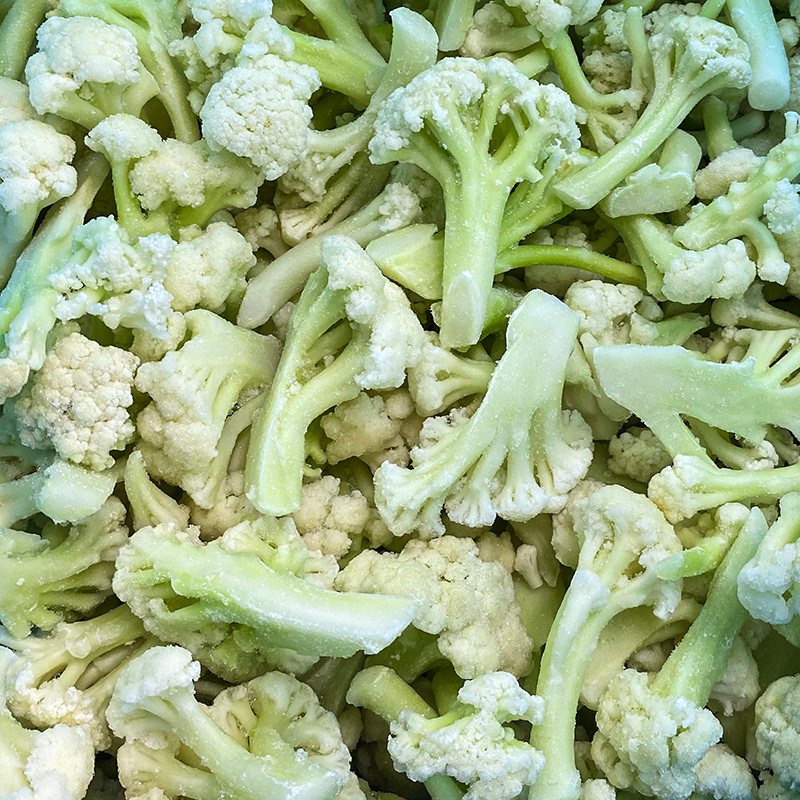
IQF Broccoli, short for Individually Quick Frozen broccoli, has gained significant popularity in both commercial and household kitchens due to its superior quality and convenience. Unlike traditional frozen vegetables, IQF Broccoli is frozen rapidly at very low temperatures, ensuring that each floret retains its natural shape, color, and nutritional value. This makes it an ideal choice for restaurants, food service providers, and health-conscious consumers who seek fresh-tasting vegetables year-round.
Content
The Science Behind the Freezing Process
The freezing process of IQF Broccoli is designed to minimize cellular damage and preserve both texture and color. The process generally involves blanching, rapid freezing, and cold storage:
1. Blanching
Blanching is a critical step before freezing. Broccoli florets are briefly boiled or steamed to deactivate enzymes that could lead to color loss and spoilage. Proper blanching ensures that the broccoli maintains its vibrant green color after freezing. Over-blanching, however, can soften the vegetable, while under-blanching may result in enzymatic activity continuing during storage.
2. Rapid Freezing
After blanching, IQF Broccoli is quickly frozen using individually quick freezing techniques. Each floret is frozen separately at extremely low temperatures, usually below -40°C. This rapid freezing prevents large ice crystals from forming inside the broccoli’s cellular structure, which is the main cause of texture degradation in conventional freezing methods.
3. Cold Storage
Once frozen, IQF Broccoli is stored at consistent sub-zero temperatures. Maintaining a stable temperature prevents thawing and refreezing cycles, which can lead to mushy texture and color fading. Proper storage ensures that the broccoli retains its fresh-picked quality until it reaches consumers.
Preserving Color in IQF Broccoli
The bright green color of broccoli is one of its most visually appealing traits, often associated with freshness and nutritional value. The freezing process preserves color through several mechanisms:
- Enzyme Deactivation: Blanching stops enzymatic reactions that can cause yellowing.
- Rapid Ice Formation: Quick freezing limits the breakdown of chlorophyll, the pigment responsible for green color.
- Minimal Air Exposure: Packaging in vacuum or nitrogen-flushed bags reduces oxidation that leads to discoloration.
Maintaining Texture of IQF Broccoli
Texture is equally important for culinary applications. Consumers prefer broccoli that is firm, crisp, and not mushy after cooking. The IQF process preserves texture by:
- Preventing Large Ice Crystals: Slow freezing forms large crystals that rupture cell walls, making the broccoli soft when thawed.
- Individual Freezing: Each floret is frozen separately, avoiding clumping and allowing even cooking.
- Controlled Blanching: Properly blanched broccoli retains firmness and reduces water loss during cooking.
Comparing IQF Broccoli with Conventional Frozen Broccoli
Understanding the differences between IQF Broccoli and conventional frozen broccoli highlights why IQF products are preferred:
| Feature | IQF Broccoli | Conventional Frozen Broccoli |
|---|---|---|
| Freezing Method | Individually Quick Frozen | Bulk freezing |
| Texture | Firm, crisp, retains natural bite | Soft, sometimes mushy due to ice crystal damage |
| Color | Bright green | Often dull or yellowish |
| Nutrient Retention | High retention of vitamins and minerals | Reduced due to slower freezing and oxidation |
| Convenience | Florets separate for easy portioning | Clumped together, requires defrosting before use |
Practical Tips for Cooking IQF Broccoli
To maximize the preserved color and texture of IQF Broccoli, follow these simple cooking tips:
- Cook directly from frozen without thawing to prevent sogginess.
- Steam or blanch briefly to maintain firmness.
- Avoid overcooking, which can fade color and soften the vegetable.
- Use minimal water during cooking to retain nutrients.
FAQ About IQF Broccoli
Q1: How long can IQF Broccoli be stored?
IQF Broccoli can typically be stored for 12 to 18 months at consistent sub-zero temperatures. Proper storage prevents texture and color degradation.
Q2: Does IQF Broccoli retain its nutritional value?
Yes, the rapid freezing process preserves most vitamins, minerals, and antioxidants, making IQF Broccoli nutritionally comparable to fresh broccoli.
Q3: Can IQF Broccoli be used in raw dishes?
It is not recommended for raw salads, as the freezing process changes the water content in cells. It is best used in cooked recipes, such as steaming, stir-frying, or soups.
Q4: How does IQF Broccoli differ in price from conventional frozen broccoli?
IQF Broccoli is generally more expensive due to advanced freezing technology and better quality control, but it offers superior texture, color, and convenience.
Conclusion
The freezing process is key to maintaining the premium quality of IQF Broccoli. Through careful blanching, rapid freezing, and proper storage, IQF Broccoli preserves its vibrant color, firm texture, and nutritional value. Compared with conventional frozen broccoli, IQF Broccoli offers superior culinary performance and convenience, making it a top choice for consumers and professional chefs alike. Understanding these processes ensures that every floret reaches the table as close as possible to its fresh-picked state.