

 English
 中文简体
中文简体 日本語
日本語
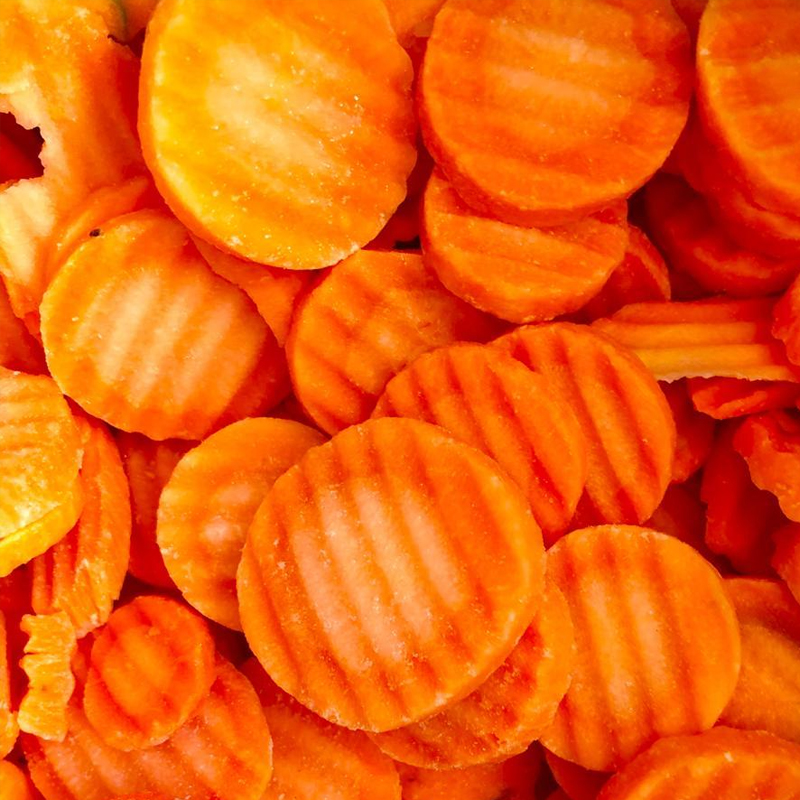

In the fast-paced modern life, frozen foods have won the favor of many consumers with their convenience, and frozen beans are among the best. From family dining tables to restaurant kitchens, their presence is increasingly common, not only bringing convenience to people's diets but also showing many advantages in nutrition and taste. What makes them unique enough to occupy a place among numerous ingredients? And what commendable advantages make more and more people choose them?
Content
- Why Have Frozen Beans Become Popular in the Market?
- Why Should the Nutritional Advantages of Frozen Beans Not Be Underestimated?
- How to Properly Preserve Frozen Beans?
- What Are the Tips for Cooking Frozen Beans?
- What Are the Similarities and Differences Between Frozen Beans and Other Products?
- How to Effectively Avoid Safety Hazards of Frozen Beans?
- What Are the Practical Tips for Buying Frozen Beans?
Why Have Frozen Beans Become Popular in the Market?
The rise of frozen beans is no accident; it is closely related to the changes in people's lifestyles and is an inevitable reflection of their own advantages. In this era of efficiency first, busy office workers rush out in the morning and return home tired in the evening, with no ample time to select, clean, and process fresh beans; students living in dormitories or rental houses, limited by cooking conditions, also tend to choose easy-to-cook ingredients. Frozen beans precisely hit the pain points of these groups' needs, becoming a good helper for their diets.
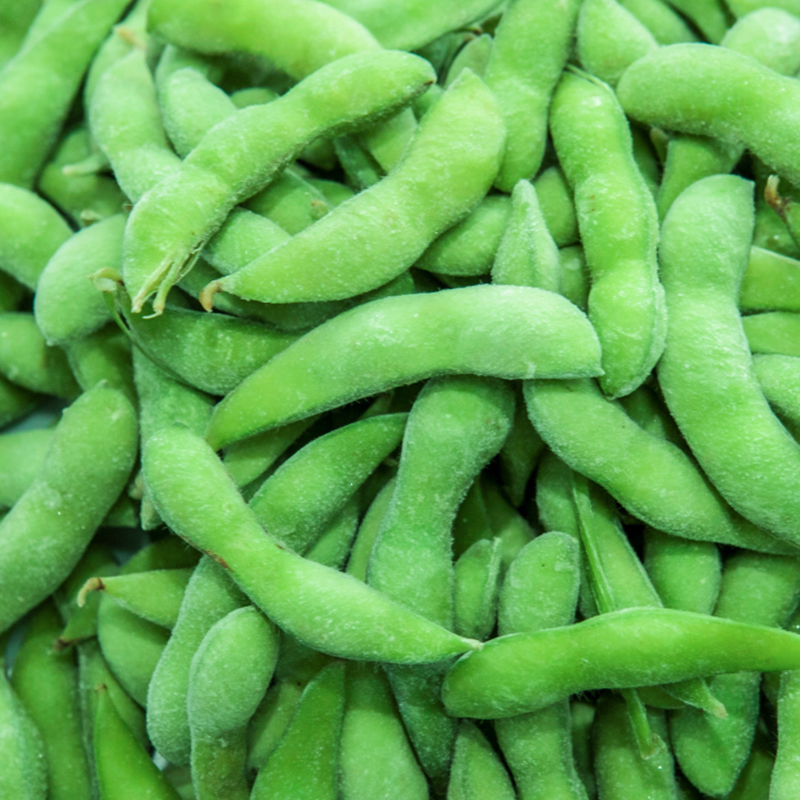
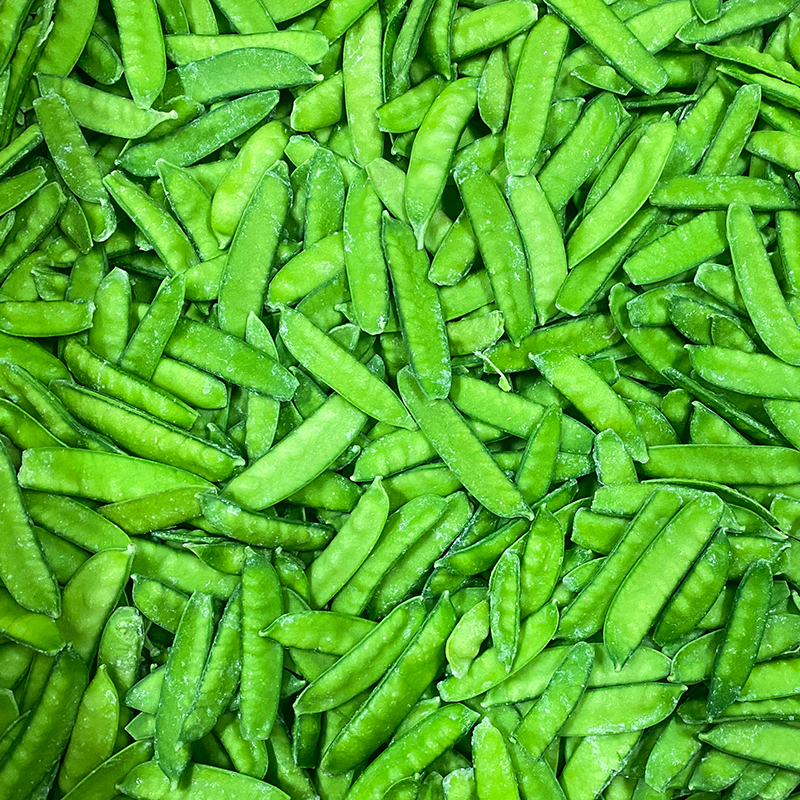
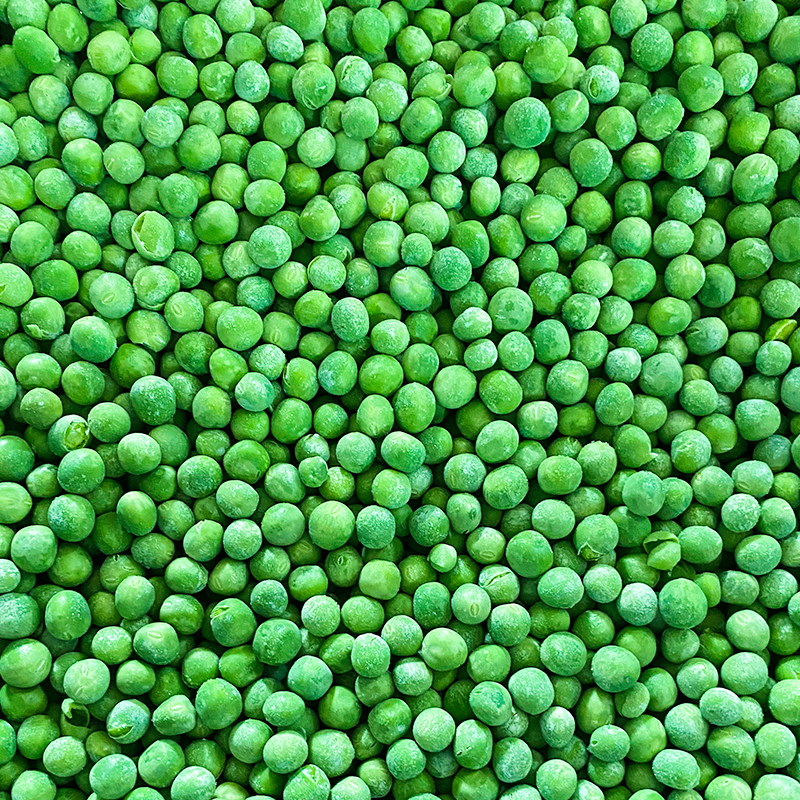
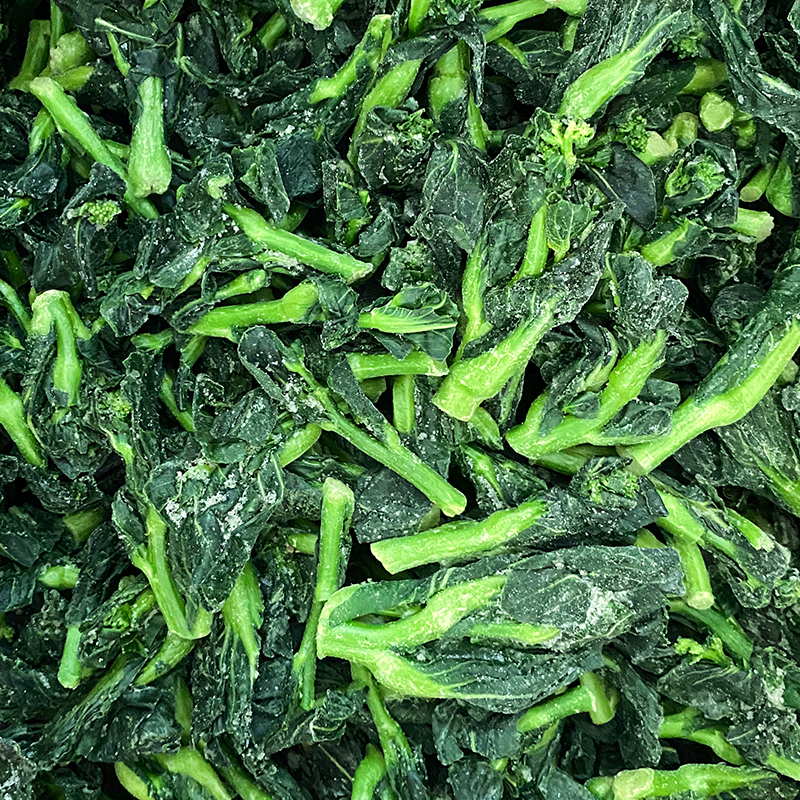
They undergo a series of professional pre-treatment, not only removing impurities and sediment on the surface of the beans, but some varieties such as peas and chickpeas have even been chopped and peeled. After purchase, consumers do not need complex operations, and can directly cook them after opening the bag, greatly saving time and energy from preparing ingredients to cooking, allowing people to easily make delicious dishes in a busy life. In the frozen food section of supermarkets, frozen beans can be seen everywhere. Whether it is green peas, plump mung beans, or red adzuki beans, they are neatly packed in various packaging bags and placed in low-temperature freezers, convenient for consumers to buy as needed.
More importantly, frozen beans break the seasonal restrictions, making people's dining tables more diverse. Fresh beans often have a fixed market cycle and are hard to find out of season. However, frozen beans, through low-temperature preservation technology, "freeze" beans of different seasons. Even in the cold winter, people can easily buy fresh beans that are only available in summer, meeting diverse dietary needs. This convenience, stability of supply, and breakthrough of seasonal restrictions have jointly promoted frozen beans to quickly gain a firm foothold in the market, becoming a regular in family kitchens, takeaway restaurants, school canteens and other scenarios, loved by the public.
Why Should the Nutritional Advantages of Frozen Beans Not Be Underestimated?
Many people have such a worry when choosing frozen beans: will the freezing process make the nutrients in the beans disappear like "magic"? In fact, some of these worries are unnecessary. Frozen beans perform well in retaining nutrients, and their nutritional advantages should not be underestimated.
Before freezing, beans usually go through a key step of blanching, which, though simple, has important scientific principles - it can destroy the naturally occurring oxidases in beans to a certain extent. These oxidases are like "nutrient thieves" that constantly decompose vitamins and other nutrients in beans, while blanching can effectively inhibit their activity, thereby reducing the oxidative loss of nutrients and better retaining their nutrition. This step lays a solid foundation for the nutrient retention of frozen beans, enabling them to lock in nutrients to the greatest extent during the subsequent freezing process.
The low-temperature freezing environment is like a "nutrient safe", which can significantly slow down the degradation rate of nutrients. Among them, B vitamins show strong stability during freezing. For example, vitamins B1, B2, niacin, etc., can be well retained in beans. These B vitamins are "catalysts" for human metabolism. Lack of them will affect the body's energy metabolism and may also cause problems such as nervous system dysfunction. Minerals such as potassium, magnesium, and iron are not easily lost in large quantities due to freezing. Potassium helps maintain normal heartbeats and stable blood pressure, which is particularly important for people with hypertension; magnesium is involved in many enzyme activities in the human body and is closely related to physiological processes such as muscle contraction and nerve conduction; iron is an important raw material for hemoglobin synthesis and can prevent iron deficiency anemia. Frozen beans can continuously provide these necessary minerals for the human body, protecting health.
Compared with fresh beans, frozen beans have more advantages in nutrient preservation. After fresh beans are picked, even under refrigerated conditions, respiration continues, like a non-stop "nutrient-consuming machine", which constantly consumes the nutrients inside, especially easily oxidized components such as vitamin C. The longer they are stored, the more serious the loss. For example, the vitamin C content of fresh peas may drop by nearly half after being stored for 3 days. However, frozen beans are processed and frozen within a few hours after picking, which can lock in nutrients in time, keeping them at a relatively stable nutritional level for a long time, allowing people to intake rich nutrients at any time. For those who cannot eat fresh beans in time, frozen beans are undoubtedly a high-quality choice for obtaining bean nutrients.
Compared with dried beans, the nutrition of frozen beans is also not inferior. Dried beans undergo dehydration, and some water-soluble vitamins such as B vitamins and vitamin C are lost more, while frozen beans can better retain these water-soluble vitamins. Although dried beans retain protein and dietary fiber well, frozen beans are better in terms of nutritional comprehensiveness and can provide more balanced nutrition for the human body.
Different types of frozen beans also have their own unique nutritional advantages. For example, frozen chickpeas are rich in high-quality plant protein and dietary fiber, which can enhance satiety and help control weight; frozen black beans contain rich anthocyanins, which are powerful antioxidants that can protect cells from free radical damage; frozen lentils are rich in folic acid, which is helpful for the neural development of fetuses for pregnant women.
The dietary fiber rich in beans is hardly affected during freezing. These dietary fibers are like "intestinal cleaners", which can promote intestinal peristalsis, increase fecal volume, and play an important role in maintaining intestinal health. In addition, the protein in beans is plant protein, whose structure is relatively stable. Freezing will not cause obvious denaturation, and it can still provide high-quality protein sources for the human body, meeting the body's demand for amino acids. In general, frozen beans are a high-quality food choice with rich nutrition, and their nutritional advantages play an important role in daily diet.
How to Properly Preserve Frozen Beans?
Proper preservation of frozen beans is the key to ensuring their quality, as it directly affects their taste, nutrition, and safety. With the right methods, not only can their good taste and nutrition be maintained for a long time, but also the frequency of purchasing can be reduced, making daily cooking more convenient.
Frozen beans should always be stored at around -18 degrees Celsius. This temperature is not arbitrary; it is a critical point to effectively inhibit the growth and reproduction of some microorganisms, including bacteria and molds, and delay the deterioration of beans. At this temperature, the activity of enzymes in the beans is also significantly reduced, which helps prevent the breakdown of nutrients and the change of texture. The freezer compartment of a household refrigerator can usually meet this requirement, but it is necessary to regularly check the temperature of the freezer. Some old refrigerators may have temperature deviations, so using a refrigerator thermometer to monitor can ensure that the storage environment is always within the appropriate range, allowing people to easily store frozen beans at home.
If the number of times the refrigerator door is opened can be reduced to avoid frequent temperature fluctuations in the freezer compartment, the quality of frozen beans can be better maintained. Every time the door is opened, warm air enters, causing the temperature in the freezer to rise temporarily, and when the door is closed, the temperature drops again. This repeated temperature change is like a "hidden killer" for frozen beans. It will cause the water inside the beans to freeze and thaw repeatedly. When frozen, ice crystals will expand and damage the cell structure of the beans; when thawed, the cell fluid will flow out, making the beans soft and watery after cooking, losing their original crispness or tenderness. Therefore, it is advisable to plan the ingredients to be taken out in advance, minimize the time the refrigerator door is open, and avoid opening the door unnecessarily.
A stable low-temperature environment can prevent the destruction of bean cell structure, allowing beans to always maintain their original crispness or tenderness. At the same time, well-sealed packaging can prevent frozen beans from absorbing moisture in the air, avoiding the formation of excessive frost, thereby extending their storage time. If the original packaging of frozen beans is damaged after purchase, it is necessary to repack them in airtight containers or heavy-duty freezer bags as soon as possible. When repackaging, squeeze out the air in the bag as much as possible to reduce the contact between the beans and air, which can not only prevent frost from forming but also avoid cross-contamination with other foods in the refrigerator. For large packages of frozen beans, they can be divided into small portions according to the amount used each time, so that only one portion needs to be taken out each time, avoiding repeated thawing and freezing of the entire package.
When storing frozen beans, it is also important to pay attention to their placement in the freezer. They should be placed in a relatively stable position in the freezer, avoiding places that are frequently disturbed, such as the door of the freezer. The temperature at the door fluctuates more obviously when the door is opened and closed, which is not conducive to the preservation of frozen beans. It is better to place them in the inner layer of the freezer, where the temperature is more stable. In addition, avoid stacking heavy objects on the packaging of frozen beans, so as not to crush the beans and affect their appearance and texture.
Different types of frozen beans may have slightly different preservation details. Here is a table summarizing the key preservation points for common types of frozen beans:
|
Type of Frozen Beans |
Key Preservation Points |
|
Frozen green beans and peas |
Prone to discoloration; need strict sealing to avoid air contact. Use vacuum-sealed bags if possible to prevent yellowing. |
|
Frozen chickpeas and broad beans |
Larger in size; ensure they are not squeezed during storage. Place them in rigid containers to maintain their complete shape. |
|
Frozen red beans and mung beans |
Small in size; easy to spill. Store in sealed containers with tight lids to prevent mixing with other foods and avoid moisture absorption. |
|
Mixed frozen beans (e.g., peas, corn, carrots) |
Components have different textures; avoid frequent thawing and freezing. Divide into small portions suitable for one meal. |
Another practical aspect is handling thawed frozen beans. If you accidentally thaw more than needed, do not refreeze them. Refreezing can become significant texture changes—beans become mushy—and increase the risk of bacterial growth. Instead, cook the thawed beans immediately and refrigerate the leftovers, consuming them within 2-3 days.
It is also crucial to recognize signs of spoilage. Even with proper storage, frozen beans can go bad over time. Look for excessive ice crystals that are large and irregular, which indicate temperature fluctuations. Discoloration beyond normal (e.g., green beans turning dark brown) or a sour, off-odor when thawed are clear indicators that the beans should be discarded.
Additionally, when storing frozen beans alongside other frozen foods, keep them separate from strongly scented items like fish or garlic. Frozen beans can absorb odors, which alters their natural flavor. Using separate compartments or sealed containers for different food types helps maintain the purity of their taste.
When frozen beans are well preserved, they have bright color and tight texture, which can retain the original flavor to the greatest extent. When purchasing frozen beans, consumers only need to choose products with intact packaging and within the shelf life, which can lay a good foundation for subsequent good preservation, allowing frozen beans to add flavor to the dining table for a long time. Even after long-term storage, as long as the preservation method is proper, frozen beans can still be as delicious and nutritious as when they were just purchased, bringing convenience and deliciousness to people's daily diet.
What Are the Tips for Cooking Frozen Beans?
Frozen beans can be cooked in a variety of ways, whether it is home-style stir-fry, soup stew, cold salad, or stuffing, they can show unique flavors, meet the taste needs of different people, and bring a variety of choices to the dining table. No need to thaw, directly stir-fry or cook in soup, which is a major advantage of their cooking, enabling beans to maintain good taste and nutrition, making the cooking process more easy and efficient.
Stir-Fried Frozen Green Peas: When cooking frozen green peas, there is no need to thaw them. Put them directly into a hot oil pan. When the oil temperature reaches 60% heat, add minced garlic to sauté until fragrant, then add green peas and stir-fry quickly. Since the green peas have been pre-treated, they only need to be stir-fried until cooked, about 3-5 minutes. Before serving, add an appropriate amount of salt, a little sugar to enhance freshness, and a few drops of sesame oil to make the taste more delicious. The green peas after serving are still green and refreshing, with a light garlic aroma. It is a simple and delicious quick dish that can be quickly served to the family.
Frozen Mung Beans for Soup: If used for making soup, such as the classic mung bean soup, put frozen mung beans directly into a pot, add an appropriate amount of water, and the water surface should be about 3-5 centimeters above the mung beans. Bring to a boil over high heat, then turn to low heat and simmer slowly. During this period, you can stir occasionally to prevent the mung beans from sticking to the pot. Cook until the mung beans bloom and the soup is thick, which takes about 30-40 minutes. The cooked mung bean soup is more thick and dense, and the fragrance of mung beans is completely integrated into the soup. You can also add ingredients such as lily bulbs, lotus seeds, and tremella according to your preference, which not only improves the taste but also enriches the nutrition. It is a good summer heat-relieving product when chilled, bringing people coolness and comfort.
Green Peas, Corn and Carrot Dice: This dish is rich in color and balanced in nutrition. Take frozen green peas and corn kernels out of the refrigerator without thawing; wash the carrots and cut them into small dice similar in size to green peas and corn kernels. Bring water to a boil in a pot, add a little salt and a few drops of oil, put green peas, corn kernels, and carrot dice into the pot to blanch, remove them after about 1-2 minutes, and immediately drain with cold water, which can keep the ingredients crisp and bright in color. Put a little oil in the pot, and when the oil is hot, put the blanched ingredients into the pot and stir-fry quickly, add a little soy sauce for seasoning, and stir-fry evenly before serving. The taste is layered, with the crispness of green peas, the sweetness of corn, and the freshness of carrots blending with each other. It is a good side dish with rice, making the whole family have a good appetite.
Cold Frozen Soybeans: Take frozen soybeans out of the refrigerator in advance, thaw them naturally at room temperature or quickly with cold water. After thawing, wash them, put them into a pot, add an appropriate amount of water, a little salt, and spices such as star anise and cinnamon, bring to a boil over high heat, then turn to low heat and cook for 15-20 minutes until the soybeans are cooked through and have a soft texture. Remove them, rinse with cold water, and drain the water, then put them into a bowl. Add chopped green onions, coriander, an appropriate amount of soy sauce, vinegar, oyster sauce, a little sugar, and chili oil, stir well, and let stand for 5-10 minutes to allow the ingredients to fully absorb the flavor. It is appetizing and refreshing with a slight spiciness, suitable for summer consumption, and can also be used as an appetizer with wine, adding flavor to gatherings.
Frozen Adzuki Beans for Porridge: There is no need to thaw frozen adzuki beans. Put them directly into an electric rice cooker with washed rice, add an appropriate amount of water. The amount of water should be more than that for usual porridge because adzuki beans absorb more water. Select the porridge mode of the electric rice cooker and start the program. The cooked adzuki bean porridge is soft, glutinous, and sweet, with complete adzuki bean particles and a dense texture. The fragrance of rice and the sweetness of adzuki beans are perfectly combined, suitable for breakfast or dinner, and can provide people with sufficient energy. You can also add red dates, longans, brown sugar, etc., according to your taste to increase flavor and nutrition.
Bean Stuffing: Take out frozen peas, adzuki beans, etc., thaw them, put them into a pot, and cook until soft. Peas can be directly mashed with a spoon, while adzuki beans can be sieved to remove the skin to make a delicate adzuki bean paste. Add an appropriate amount of sugar and a little butter to the bean paste, stir well, and add a little water to adjust the consistency as needed to make stuffing. This stuffing can be used to make buns, steamed buns, pastries, etc. It tastes sweet, with a unique mellow taste of beans, rich in nutrition, and loved by the elderly and children, making it a good choice for home baking.
In addition, when cooking frozen beans, it is necessary to control the heat and time to avoid excessive cooking causing nutrient loss and poor taste. In general, the cooking time of frozen beans should not be too long, and it is appropriate to cook them until they are done while maintaining a certain texture. At the same time, try to avoid repeated heating, and it is best to cook them at one time to ensure their excellent flavor and nutrition, making every bite full of deliciousness.
What Are the Similarities and Differences Between Frozen Beans and Other Products?
To better understand the position of frozen beans in the food market, we can compare them with fresh beans and dried beans in various aspects to highlight their advantages.
|
Comparison Items |
Frozen Beans |
Fresh Beans |
Dried Beans |
|
Convenience |
Can be cooked after opening the bag, no need for long-term soaking or complex processing, saving a lot of time for preparing ingredients, especially suitable for fast-paced life scenarios, with obvious advantages |
Need cleaning, shelling, sorting, etc., some beans also need to remove old tendons, relatively cumbersome, with long preparation time |
Need to soak in advance for several hours or even overnight to allow beans to absorb water and expand, and the cooking time is also long, usually taking 1-2 hours from preparation to serving |
|
Shelf Life |
Under suitable freezing conditions, the shelf life is long, usually 6-12 months, can be stored for a long time without deterioration, convenient for taking at any time |
Short shelf life, can only be stored for 3-5 days at room temperature, even refrigeration can only extend to about 1 week, easy to rot and deteriorate, need to be eaten as soon as possible |
Long shelf life, can be stored for 1-2 years or even longer in a dry, ventilated, and cool environment, not easy to deteriorate, but need to pay attention to moisture and insect prevention |
|
Nutrient Retention |
Nutrients are well retained. After pre-treatment and quick freezing, many vitamins, minerals, proteins, etc., are retained, with a small loss of some easily oxidized nutrients such as vitamin C, and overall rich in nutrition |
Nutritious when fresh, with high content of vitamins, minerals, etc., but nutrients will be quickly lost with the extension of storage time, especially vitamin C and B vitamins are significantly lost, difficult to maintain for a long time |
After dehydration, some water-soluble vitamins such as B vitamins and vitamin C are lost more, but protein, dietary fiber, calcium, iron, and other minerals are well retained, and the nutritional density per unit weight is relatively high |
|
Taste |
Slightly harder than fresh beans, but still maintain a certain crispness or tenderness. Different types of beans have different tastes, such as crisp green peas and soft adzuki beans, which can meet the taste of some people |
Fresh, juicy, crisp and refreshing, especially freshly picked beans, with rich flavor and the excellent taste, but the taste will gradually deteriorate after storage, difficult to maintain for a long time |
After cooking, the taste is relatively soft and dense, with a strong bean flavor, but needs to be fully cooked to get a good taste, otherwise it will be too hard to chew |
|
Price |
The price is relatively stable, less affected by seasons, usually slightly higher than fresh beans, but lower than off-season fresh beans, with considerable cost performance |
The price is greatly affected by seasons, low in season, and rises sharply in off-season, with obvious fluctuations and unstable purchase costs |
The price is relatively low, with high cost performance, and the price per unit weight is usually lower than that of frozen beans and fresh beans |
It can be seen from the table that frozen beans have obvious advantages in convenience and shelf life, and can well adapt to the modern fast-paced lifestyle; at the same time, their nutrient retention is also considerable, although slightly inferior to fresh beans, but much higher than fresh beans stored for a long time; in terms of taste, although not as fresh as fresh beans, they can also maintain a good flavor. Overall, frozen beans are a balanced choice between fresh beans and dried beans, which can meet the dietary needs in different scenarios and are very practical ingredients.
How to Effectively Avoid Safety Hazards of Frozen Beans?
Although frozen beans offer great convenience, they do carry potential safety risks—from bacterial contamination to quality degradation—if not handled properly. However, by staying vigilant at every stage, consumers can easily navigate these risks and savor their benefits without worry.
1. Prioritize Trusted Sources When Buying
The first step to safety starts at the point of purchase. Opt for frozen beans from reputable brands and established manufacturers. These companies typically follow strict food safety protocols: their production facilities are regularly sanitized, raw materials undergo microbial testing, and processing lines adhere to hygiene standards that minimize contamination risks.
Scrutinize the packaging closely. It should be intact—no tears, punctures, or bulges. A bulging package is a critical warning sign: it may indicate bacterial activity (such as gas-producing microbes) thriving inside, which can occur if the product was thawed and refrozen improperly. Additionally, check for clear labeling: look for a legible production date, expiration date, and storage instructions. Avoid "no-name" products with missing or vague information, as they often bypass quality checks and pose higher risks of harboring pathogens like Salmonella or Listeria.
2. Store to Maintain Freshness and Safety
Even after purchasing safe products, improper storage can reintroduce hazards. Keep frozen beans at a steady -18°C (0°F) or lower in your freezer. Fluctuating temperatures—caused by frequent door openings or a malfunctioning freezer—can cause condensation inside the package. This moisture creates a breeding ground for bacteria once the beans are thawed, even if they’re refrozen later.
To prevent cross-contamination, store frozen beans away from raw meats, poultry, or seafood in the freezer. If possible, use sealed containers or separate freezer bags to create a barrier. Also, avoid overcrowding the freezer: good airflow helps maintain consistent temperatures, ensuring the beans stay frozen solid.
3. Thaw with Care to Halt Bacterial Growth
Thawing is a high-risk step for bacterial growth, as warmth allows dormant pathogens to multiply. Never thaw frozen beans at room temperature (e.g., on the kitchen counter). Room temperatures (20–25°C/68–77°F) are ideal for bacteria like E. coli to thrive, and even a few hours here can make the beans unsafe.
Instead, use these safe thawing methods:
- Refrigerator thawing:Place the beans in a sealed container and thaw overnight (or for 6–8 hours) in the fridge. This keeps them at a safe 4°C (40°F) or below, slowing bacterial growth.
- Cold water thawing:Seal the beans in a leakproof bag and submerge them in cold water. Change the water every 30 minutes to keep it cold, and cook immediately after thawing.
- Microwave thawing:Use the defrost setting, then cook the beans right away—microwaves can create warm spots where bacteria multiply.
4. Cook Thoroughly to Kill Pathogens
Freezing slows bacterial growth but doesn’t kill all pathogens. Thorough cooking is non-negotiable to eliminate risks. Aim to heat frozen beans to an internal temperature of at least 70°C (158°F) and hold that temperature for 2–3 minutes. This ensures harmful bacteria like Salmonella and Listeria are destroyed.
For stir-fries, stir the beans constantly to ensure even heating—no cold pockets should remain. For soups or stews, bring them to a rolling boil and simmer for 5–10 minutes. Avoid undercooking to "preserve crunch"; slightly softer beans are a small price to pay for safety.
5. Handle Leftovers Safely
If you have leftover cooked frozen beans, refrigerate them within 2 hours of cooking (or 1 hour if the room is above 32°C/90°F). Store them in a shallow container to cool quickly, and consume within 2–3 days. Reheat leftovers to 74°C (165°F) before eating to kill any bacteria that may have grown in the fridge.
6. Recognize Spoilage Signs
Even with proper handling, frozen beans can spoil over time. Discard them if you notice:
- Excessive, icy crystals (a sign of repeated thawing/refreezing).
- Foul odors (sour, rotten, or "off" smells) when thawed or cooked.
- Slimy or mushy texture (indicates bacterial breakdown).
- Discoloration (e.g., green beans turning gray, peas turning brown).
By following these steps, you can turn potential risks into manageable ones. Frozen beans remain a nutritious, convenient staple—one that, when handled safely, enhances meals without compromising health.
Frozen beans have brought many conveniences to people's lives with their convenience, rich nutrition and various cooking methods, becoming an indispensable part of modern diet. They allow busy people to easily cook delicious dishes and enrich the dining table. As long as we master the correct methods of selection, preservation and cooking, we can give full play to the advantages of frozen beans, making them better serve our dietary life, satisfying both taste buds and ensuring health, adding more deliciousness and happiness to life.
What Are the Practical Tips for Buying Frozen Beans?
Mastering correct purchasing skills can help us select high-quality frozen beans, lay a good foundation for the subsequent eating experience, ensure that every penny is spent wisely, and at the same time guarantee dietary health.
First of all, choose regular purchasing channels. Priority should be given to buying frozen beans in regular places such as large supermarkets and chain convenience stores. These places have relatively standardized purchasing channels and strict quality control systems, which can reduce the possibility of inferior products entering the market from the source. Moreover, regular places have complete and well-maintained refrigeration equipment. The temperature of the freezers can be stably maintained at around -18 degrees Celsius, ensuring that frozen beans are always in a suitable low-temperature environment during transportation and storage, and minimizing the risk of quality damage caused by temperature fluctuations. On the contrary, some small vendors without refrigeration conditions may have their frozen beans partially thawed due to long-term exposure to room temperature, which not only affects the taste but also may breed bacteria. Therefore, try to avoid buying from these places.
Secondly, carefully check the packaging. The packaging of high-quality frozen beans should be intact without any damage, air leakage or expansion. The packaging is like a "protective cover" for frozen beans. Once damaged, moisture and microorganisms in the air will take the opportunity to enter, causing the beans to get damp and agglomerate, breed bacteria, and then affect the quality and edible safety. At the same time, carefully check whether the information on the packaging is complete and clear, including product name, ingredient list (to ensure there are no excessive additives), production date, shelf life, storage conditions, as well as the manufacturer and address. Never buy "three-no products" (products without a manufacturer, production date, and quality certificate), as their quality cannot be guaranteed and there are significant food safety hazards.
Furthermore, observe the appearance of the beans. For frozen beans with transparent packaging, carefully observe their color and state through the packaging. High-quality frozen beans should have a bright and natural color, similar to that of fresh beans. For example, green peas should show a full emerald green, adzuki beans a uniform dark red, and black beans should be shiny black. If the beans are found to be dull, yellowish, or have spots or mildew on the surface, they are likely to have deteriorated or been stored for too long, resulting in a significant reduction in nutrition and taste, and should be avoided. In addition, high-quality frozen beans should have uniform and distinct particles without agglomeration, and there should be less frost on the surface with uniform distribution. If there is a lot of frost, even forming ice cubes, it may be caused by repeated thawing and freezing during storage, which will damage the cell structure of the beans, resulting in poor taste and loss of nutrients. Such products should not be purchased either.
Then, pay attention to the production date and shelf life. When buying, get into the habit of checking the production date and shelf life, and try to choose products with a recent production date and a long shelf life. Generally speaking, the closer the production date, the more guaranteed the quality of frozen beans, which can retain more nutrients and good taste. Although frozen beans near the shelf life are theoretically still within the shelf life, their quality may have gradually declined after long-term storage, the taste will become rough, and the nutrition will also be lost to a certain extent. Therefore, it is recommended to buy them with caution. Especially for some promotional and discounted frozen beans that are near the expiration date, it is more important to carefully consider whether their quality meets the requirements.
Finally, buy on demand and avoid excessive hoarding. Although the shelf life of frozen beans is relatively long, usually 6-12 months, it is not advisable to buy too many at one time. On the one hand, long-term storage may cause the beans to gradually lose their original flavor and nutrition. Even at a suitable temperature, their quality will slowly decline over time. On the other hand, excessive hoarding will occupy the freezer space of the refrigerator, affect the circulation of cold air in the refrigerator, and then affect the refrigeration effect of the refrigerator, which may cause the quality of other frozen foods to be affected. Therefore, you should buy reasonably according to the daily consumption and the number of diners in the family, ensuring that they can be eaten within the shelf life. This can not only ensure that you can enjoy the good taste and nutrition every time you eat but also avoid waste.
Through the above purchasing skills, we can more accurately select high-quality frozen beans, make every purchase worthwhile, add more deliciousness and health to the dining table, and make the dietary life more secure and worry-free.