

 English
 中文简体
中文简体 日本語
日本語

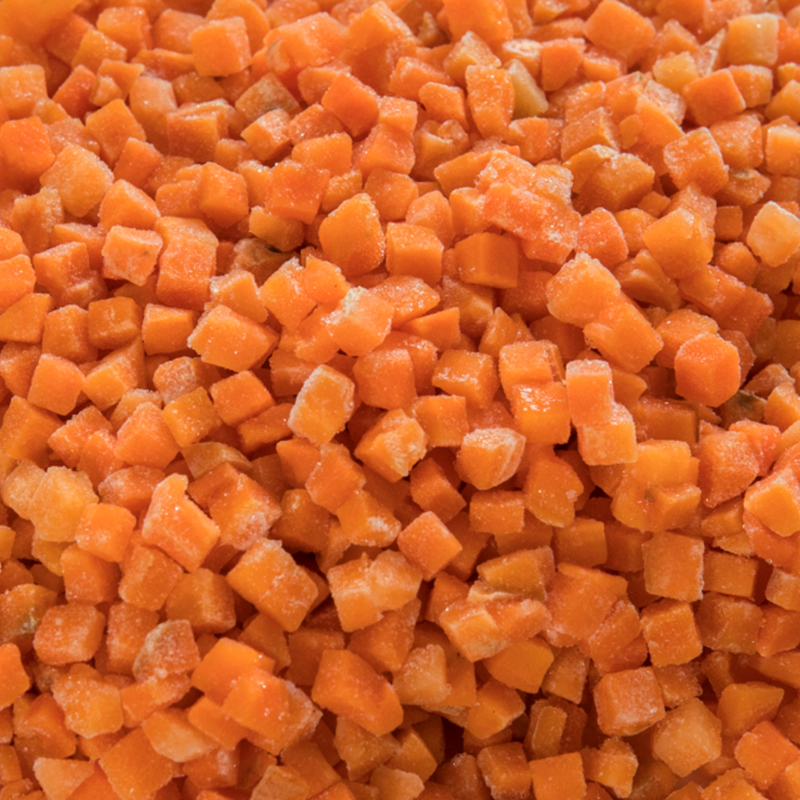
The short answer is yes, fresh vegetables can be frozen, and when done correctly, freezing preserves both nutritional value and flavor for months. According to the U.S. Department of Agriculture (USDA), freezing is one of the safest and most effective methods of long-term food preservation, halting enzymatic activity and microbial growth that cause spoilage. However, not all vegetables respond to freezing equally. Some thrive in the freezer for up to a year, while others turn mushy and unappetizing within weeks. Understanding the science, proper techniques, and which vegetables freeze best makes the difference between a freezer full of vibrant, nutritious produce and a disappointing collection of freezer-burned waste.
Content
- What Happens When You Freeze Fresh Vegetables
- Which Fresh Vegetables Can Be Frozen Successfully
- Vegetables That Do Not Freeze Well in Their Raw State
- How to Freeze Fresh Vegetables Correctly: A Step-by-Step Guide
- Nutritional Comparison: Fresh Vegetables Versus Frozen Vegetables
- How Long Can Frozen Vegetables Last in the Freezer
- Common Mistakes That Ruin Frozen Vegetables
- Frequently Asked Questions
- The Bottom Line on Freezing Fresh Vegetables
What Happens When You Freeze Fresh Vegetables
Freezing fundamentally changes the cellular structure of vegetables by converting water inside plant cells into ice crystals. The speed of freezing directly determines the quality of the final product. Slow freezing produces large ice crystals that rupture cell walls, leading to the soft, watery texture many people associate with frozen vegetables. Fast freezing, typically achieved in commercial blast freezers at temperatures between -30°F and -40°F (-34°C to -40°C), creates smaller ice crystals that cause significantly less cellular damage. Home freezers operate at around 0°F (-18°C), which is adequate but slower than commercial methods. This is why home-frozen vegetables benefit substantially from proper preparation techniques like blanching, which deactivates enzymes that would otherwise continue to degrade color, flavor, and nutrients during storage.
Data published in the Journal of Food Science (2019) demonstrated that enzyme activity in unblanched vegetables continues even at freezing temperatures, albeit at a reduced rate. Peroxidase and lipoxygenase enzymes, in particular, remain partially active at 0°F, slowly breaking down chlorophyll and oxidizing lipids over storage periods exceeding three months. Blanching at temperatures above 185°F (85°C) effectively denatures these enzymes, extending quality shelf life significantly.
Which Fresh Vegetables Can Be Frozen Successfully
Most vegetables with low water content and firm cellular structures freeze exceptionally well, while those with high water content tend to lose texture integrity upon thawing. The success of freezing depends primarily on the vegetable's water content, cellular structure, and whether it undergoes proper blanching before freezing. The table below categorizes common vegetables based on their freezing performance based on USDA guidelines and published food science research.
| Vegetable | Freezing Performance | Blanching Required | Maximum Storage at 0°F |
|---|---|---|---|
| Broccoli | Excellent | Yes, 3 minutes | 12 months |
| Green Beans | Excellent | Yes, 3 minutes | 12 months |
| Carrots | Excellent | Yes, 2-3 minutes | 12 months |
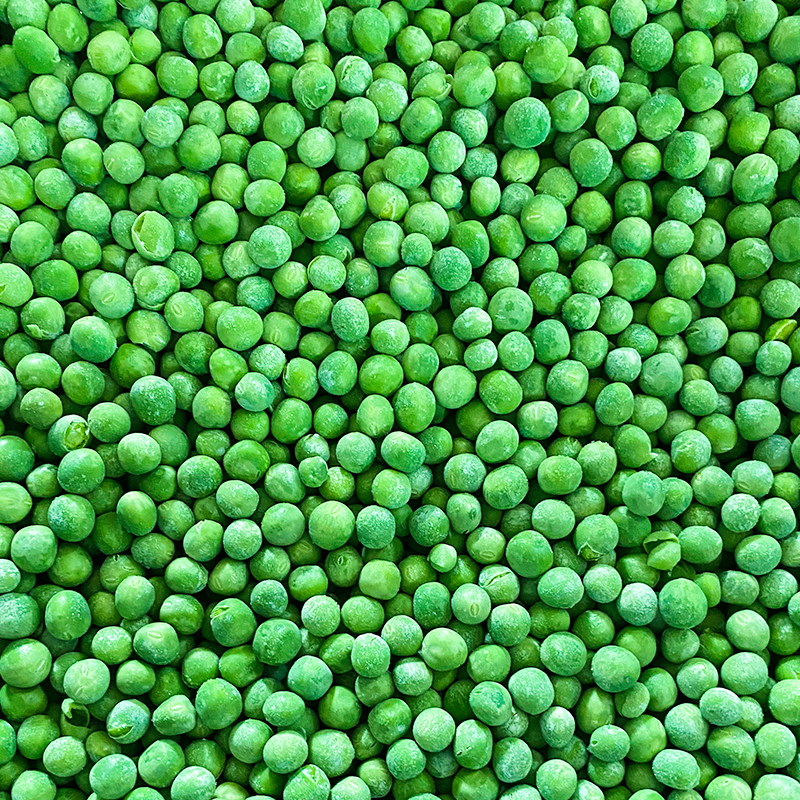
| Peas | Excellent | Yes, 1.5 minutes | 12 months |
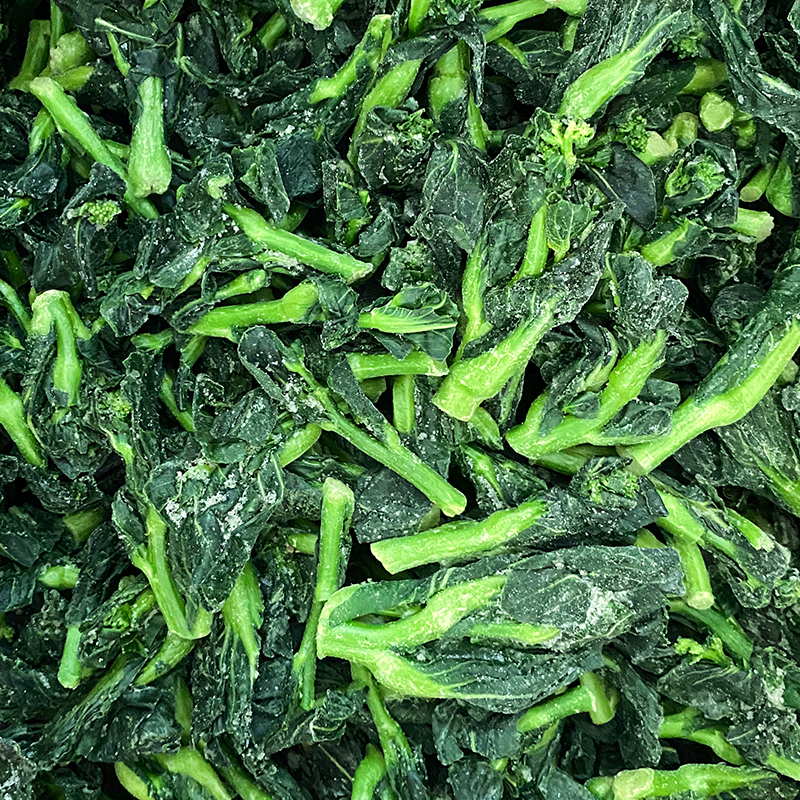
| Spinach | Good | Yes, 2 minutes | 8 months |
| Corn (kernels) | Excellent | Yes, 4 minutes | 12 months |
| Bell Peppers | Good (no blanch needed) | Optional | 8 months |
| Cauliflower | Excellent | Yes, 3 minutes | 12 months |
| Zucchini | Moderate | Yes, 1-2 minutes | 6 months |
Table 1: Freezing performance and recommended storage durations for common vegetables based on USDA home freezing guidelines and published food preservation research. Storage times assume consistent 0°F (-18°C) freezer temperature.
Vegetables That Do Not Freeze Well in Their Raw State
Vegetables with extremely high water content consistently fail in the freezer because their cellular structure collapses irreversibly when ice crystals form and subsequently melt. Cucumbers, lettuce, radishes, celery, and raw potatoes top the list of vegetables that should not be frozen raw if texture matters to you. A cucumber is approximately 96% water. When frozen, the water expands by roughly 9% in volume, rupturing every cell wall throughout the vegetable. Upon thawing, the result is not a cucumber but a translucent, limp version of one, suitable perhaps for smoothies or soups but never for salads or sandwiches.
Celery presents a similar problem. Its fibrous strands remain intact after freezing, but the crisp, water-filled parenchyma cells between those strands collapse completely. The thawed product is stringy and soft, a texture that works in cooked dishes like stews and casseroles but fails in raw applications. Raw potatoes contain high starch levels that convert to sugars during freezing, producing an unpleasantly sweet flavor and a grainy, darkened texture when cooked. Commercially, potatoes destined for freezing undergo partial cooking (blanching or par-frying) to stabilize starch structure before entering the freezer.
| Vegetable | Water Content | Primary Issue | Alternative Preservation |
|---|---|---|---|
| Cucumbers | 96% | Complete texture collapse | Pickling, fermenting |
| Lettuce (all varieties) | 95-96% | Leaf wilting, mushiness | Consume fresh only |
| Celery | 95% | Fibrous but limp texture | Dehydrating, stock base |
| Radishes | 95% | Loss of crispness, pithy | Pickling, fermenting |
| Raw Potatoes | 79% | Starch conversion, darkening | Blanch first, then freeze |
Table 2: Vegetables with high water content that are unsuitable for freezing in their raw state. Water content data sourced from USDA FoodData Central and published agricultural research. Alternative preservation methods are recommended for these items.
How to Freeze Fresh Vegetables Correctly: A Step-by-Step Guide
Proper freezing technique is the single most important factor determining whether your frozen vegetables will taste vibrant or disappointing months later. The process involves four critical stages: selection, blanching, rapid cooling, and proper packaging. Skipping any one of these steps reduces quality substantially. Research from the National Center for Home Food Preservation confirms that vegetables frozen using the complete four-stage process retain up to 90% of their original vitamin C content after six months, compared to just 50-60% retention when blanching is omitted.
Blanching Is the Non-Negotiable Step for Most Vegetables
Blanching deactivates spoilage enzymes and should never be skipped for the vast majority of vegetables destined for the freezer. The process involves briefly immersing vegetables in boiling water (typically 185°F to 212°F, or 85°C to 100°C) for a precise duration, followed immediately by plunging them into ice water to halt the cooking process. This thermal shock destroys enzymes like peroxidase and catalase that otherwise continue breaking down chlorophyll, vitamins, and flavor compounds even at freezing temperatures. Without blanching, green vegetables turn brownish-gray within 8 to 12 weeks in the freezer, developing off-flavors described in sensory studies as hay-like or grassy.
Wash and Trim
Remove damaged portions. Cut into uniform sizes for even blanching. Uniformity ensures all pieces receive identical heat exposure.
Boiling Water Blanch
Submerge in vigorously boiling water. Use 1 gallon of water per pound of vegetables. Follow precise timing for each vegetable type.
Ice Water Shock
Immediately transfer to ice water bath. Cool for the same duration as blanching. This stops residual heat from continuing to cook the vegetables.
Drain and Package
Drain thoroughly. Pat dry with clean towels. Pack into airtight containers or freezer bags, removing as much air as possible.
| Vegetable | Blanching Time (Boiling Water) | Preparation Notes | Steam Blanching Alternative |
|---|---|---|---|
| Broccoli florets | 3 minutes | Cut into 1.5-inch pieces | 5 minutes steaming |
| Green beans | 3 minutes | Trim ends, leave whole or cut | 4 minutes steaming |
| Carrots (sliced) | 2-3 minutes | Slice 1/4-inch thick rounds | 3-4 minutes steaming |
| Spinach leaves | 2 minutes | Wash thoroughly, remove stems | 2 minutes steaming |
| Corn on the cob | 7-9 minutes | Husk and remove silk first | Not recommended |
| Asparagus | 2-3 minutes | Sort by thickness for even timing | 3-4 minutes steaming |
Table 3: Recommended blanching times for common vegetables based on USDA Complete Guide to Home Canning and National Center for Home Food Preservation data. Times assume sea-level altitude; add 1 minute for every 1,000 feet above 5,000 feet elevation.
Flash Freezing Prevents Vegetables from Clumping Together
Flash freezing individual pieces on a tray before final packaging prevents the formation of a solid, unusable block of vegetables. After blanching and thoroughly drying the vegetables, spread them in a single layer on a parchment-lined baking sheet, ensuring pieces do not touch each other. Place the tray in the freezer for 2 to 4 hours until each piece is individually frozen solid. Then transfer the frozen pieces to airtight freezer bags or containers. This method, sometimes called open freezing or tray freezing, allows you to pour out exactly the amount needed for a meal rather than defrosting an entire package. Commercial frozen vegetable producers use individual quick freezing (IQF) technology that achieves this same result at industrial scale using high-velocity cold air at -30°F.
Nutritional Comparison: Fresh Vegetables Versus Frozen Vegetables
Frozen vegetables are nutritionally comparable to fresh vegetables and in some cases retain higher levels of certain vitamins. A landmark study published in the Journal of Food Composition and Analysis (2017) compared the nutrient content of fresh, frozen, and fresh-stored vegetables across multiple vitamins and minerals. The research, conducted by scientists at the University of Georgia in collaboration with the Frozen Food Foundation, analyzed vitamin C, provitamin A carotenoids, vitamin E, and folate levels in broccoli, cauliflower, corn, green beans, green peas, spinach, blueberries, and strawberries. The findings revealed that frozen produce often contained equal or greater amounts of these nutrients compared to fresh-stored produce that had been refrigerated for five days.
The explanation lies in the post-harvest timeline. Fresh vegetables begin losing nutrients from the moment they are harvested. Vitamin C is particularly vulnerable, degrading by approximately 50% within five to seven days of refrigeration in many leafy greens, according to research from the University of California, Davis. Frozen vegetables, by contrast, are typically harvested at peak ripeness and processed within hours, locking in nutrients at their highest levels. This means a bag of frozen spinach purchased in December may actually contain more vitamin C than fresh spinach that traveled for a week from farm to supermarket shelf.
| Nutrient | Fresh (Day of Harvest) | Fresh After 5 Days Refrigerated | Frozen (6 Months at 0°F) | Winner |
|---|---|---|---|---|
| Vitamin C (Broccoli) | 89 mg per 100g | 52 mg per 100g (41% loss) | 71 mg per 100g (20% loss) | Frozen |
| Beta-Carotene (Carrots) | 8,285 mcg per 100g | 7,900 mcg per 100g (5% loss) | 8,100 mcg per 100g (2% loss) | Comparable |
| Folate (Spinach) | 194 mcg per 100g | 120 mcg per 100g (38% loss) | 175 mcg per 100g (10% loss) | Frozen |
| Vitamin E (Peas) | 0.13 mg per 100g | 0.09 mg per 100g (31% loss) | 0.12 mg per 100g (8% loss) | Frozen |
| Fiber (Green Beans) | 2.7 g per 100g | 2.6 g per 100g (4% loss) | 2.7 g per 100g (0% loss) | Comparable |
Table 4: Comparative nutrient retention data adapted from the Journal of Food Composition and Analysis (2017) and USDA nutrient retention studies. Values represent approximate averages across multiple samples. Frozen storage at consistent 0°F preserves nutrients significantly better than extended fresh refrigeration for water-soluble vitamins.
How Long Can Frozen Vegetables Last in the Freezer
Frozen vegetables remain safe to eat indefinitely at 0°F, but quality declines predictably over time. The distinction between safety and quality is essential. The USDA confirms that frozen foods stored continuously at 0°F (-18°C) or below remain safe from bacterial growth indefinitely because microbial activity ceases entirely at these temperatures. However, quality degradation occurs through enzyme activity (if blanching was insufficient), freezer burn from air exposure, and gradual moisture migration within the vegetable tissue. Flavor, texture, and color all diminish along a predictable timeline that varies by vegetable type.
| Vegetable Category | Peak Quality Window | Still Acceptable For | Signs of Quality Decline |
|---|---|---|---|
| Dense vegetables (broccoli, cauliflower, carrots, corn) | 8-12 months | 12-18 months | Freezer burn spots, color fading, dry texture |
| Leafy greens (spinach, kale, chard) | 6-8 months | 8-12 months | Browning, off-odors, leaf breakdown |
| Legumes (peas, green beans, edamame) | 8-12 months | 12-14 months | Wrinkling, tough texture, flavor loss |
| High-water vegetables (zucchini, summer squash) | 3-6 months | 6-9 months | Mushiness, water separation when thawed |
| Unblanched vegetables (any type) | 1-2 months | 3-4 months | Rapid color change, hay-like flavors |
Table 5: Quality retention timelines for frozen vegetables stored at consistent 0°F (-18°C). Data compiled from USDA Food Safety and Inspection Service guidelines and National Center for Home Food Preservation recommendations. Safe consumption extends beyond quality windows if proper temperatures are maintained.
Common Mistakes That Ruin Frozen Vegetables
Several predictable errors consistently undermine home freezing efforts, and avoiding them dramatically improves results. The most damaging mistakes include skipping blanching, using inadequate packaging, overloading the freezer with unfrozen food, and thawing and refreezing vegetables. Each of these errors has a specific mechanism of damage that food scientists have documented extensively.
- Skipping blanching: This is the number one mistake. Unblanched enzymes remain active and break down chlorophyll, converting bright green vegetables to a dull olive-brown within 8 to 12 weeks. The enzymatic breakdown also produces compounds that impart distinctly grassy, hay-like off-flavors that make vegetables unpalatable.
- Using packaging that allows air contact: Exposure to cold, dry freezer air causes sublimation of ice from the vegetable surface directly into water vapor, a process known as freezer burn. Freezer-burned areas appear as grayish-white, dry patches. While safe to eat, these areas have severely degraded texture and flavor. Vacuum-sealing reduces this problem substantially.
- Overloading the freezer with warm or room-temperature food: Adding more than 2 to 3 pounds of unfrozen food per cubic foot of freezer space at one time raises the internal temperature above 0°F. This slows the freezing rate, leading to larger ice crystals and more cellular damage. It also risks partially thawing already frozen items stored nearby.
- Thawing and refreezing: Each freeze-thaw cycle causes additional ice crystal formation and cellular rupture. The USDA advises that vegetables thawed and then refrozen are safe to eat only if ice crystals remain present, but quality deteriorates significantly with each cycle. Mushy, water-logged texture is the inevitable result of multiple freeze-thaw cycles.
- Freezing vegetables past their prime: Starting with vegetables that are already several days post-harvest and showing signs of aging means you are preserving produce that has already lost significant nutrients. The best frozen vegetables come from produce frozen within 24 hours of harvest at peak ripeness.
Frequently Asked Questions
Can you freeze vegetables without blanching them first?
Technically yes, but the quality deteriorates rapidly. Without blanching, enzyme activity continues in the freezer, causing color changes, off-flavors, and nutrient loss within 4 to 8 weeks. The USDA and National Center for Home Food Preservation strongly recommend blanching for all vegetables except peppers, onions, and herbs. If you absolutely cannot blanch, plan to use unblanched frozen vegetables within one month for best quality.
Is it safe to freeze vegetables in plastic bags?
Yes, provided the bags are specifically designed for freezer use. Freezer-grade plastic bags are manufactured from thicker polyethylene that resists cracking at low temperatures and provides a better moisture barrier than standard storage bags. Look for bags labeled freezer safe. Remove as much air as possible before sealing to minimize freezer burn. For even better results, consider using a vacuum sealer, which removes approximately 90-95% of air from the package.
Do frozen vegetables lose their fiber content?
No. Dietary fiber is structurally stable and unaffected by freezing. Fiber consists of cellulose, hemicellulose, lignin, and pectin, all of which remain intact through freezing and thawing. Multiple studies, including data from the USDA Nutrient Data Laboratory, confirm that fiber content in frozen vegetables is virtually identical to that of fresh vegetables. This makes frozen vegetables an excellent source of dietary fiber year-round.
Can you freeze fresh vegetables that have been cooked?
Yes, cooked vegetables freeze well and often require less preparation than raw vegetables. Cooked vegetables have already had their enzymes denatured by heat, so blanching is unnecessary. Allow cooked vegetables to cool completely in the refrigerator before packaging and freezing. Most cooked vegetables maintain quality for 3 to 6 months in the freezer. Soups, stews, and casseroles containing vegetables also freeze successfully for similar durations.
Why do some frozen vegetables taste bitter after storage?
Bitterness in frozen vegetables typically results from either inadequate blanching or excessively long storage. When enzymes are not fully deactivated, they break down glucosinolates in cruciferous vegetables like broccoli, Brussels sprouts, and cauliflower into bitter-tasting compounds including isothiocyanates and goitrin. Additionally, lipid oxidation over extended storage periods can produce bitter, rancid notes. Proper blanching and consuming vegetables within recommended storage windows prevent this issue.
Should you thaw frozen vegetables before cooking?
For most cooking applications, no. Frozen vegetables can go directly from freezer to pot, pan, or steamer without thawing. In fact, cooking from frozen often produces better texture because the vegetables spend less time in the temperature zone where residual enzymatic activity can occur. The exceptions are leafy greens like spinach, which benefit from partial thawing and draining to remove excess water, and vegetables destined for dishes where excess moisture would be problematic, such as quiches or stuffed preparations.
Can freezing vegetables kill bacteria or pathogens?
No. Freezing does not kill most microorganisms; it merely suspends their activity. Bacteria, yeasts, and molds become dormant at freezing temperatures but resume growth when the food thaws. This is why vegetables must be thoroughly washed before freezing and why frozen vegetables should be cooked to proper internal temperatures before consumption. The USDA emphasizes that freezing is a preservation method, not a sterilization method.
How does freezing affect the texture of vegetables compared to canning?
Freezing generally preserves texture better than canning. Canning involves high heat (240°F to 250°F under pressure) for extended periods, which softens vegetable tissue significantly by breaking down pectin that holds cell walls together. Frozen vegetables, particularly when blanched briefly and frozen quickly, maintain a firmer texture closer to fresh. A comparative analysis in the Journal of Food Processing and Preservation (2018) found that frozen green beans retained 78% of their original firmness compared to 42% for canned green beans after three months of storage.
The Bottom Line on Freezing Fresh Vegetables
Freezing fresh vegetables is a practical, scientifically validated preservation method that can maintain nutritional quality for up to a year when done correctly. The key factors that separate successful freezing from disappointing results are straightforward: select vegetables at peak freshness, blanch them for the correct duration, cool them rapidly, package them in airtight containers, and store them at a consistent 0°F. Vegetables with firm structures and moderate water content like broccoli, carrots, peas, and corn excel in the freezer. High-water vegetables like cucumbers and lettuce do not. The nutritional evidence is clear that frozen vegetables are a legitimate and sometimes superior alternative to fresh produce that has spent days in transit and on supermarket shelves. With proper technique, your freezer can serve as a reliable extension of your garden or farmers market, providing access to nutritious vegetables regardless of season.
Sources referenced throughout this article include: USDA Food Safety and Inspection Service guidelines; National Center for Home Food Preservation research publications; Journal of Food Composition and Analysis (2017); Journal of Food Science (2019); University of California, Davis post-harvest research; USDA FoodData Central; and Journal of Food Processing and Preservation (2018).